
The great market
Chiang Mai's oldest.
Christophe95 — CC BY-SA 4.0 · กสิณธร ราชโอรส — CC BY-SA 4.0 · Takeaway — CC BY-SA 3.0 · Adam Jones from Kelowna, BC, Canada — CC BY-SA 2.0 · mohigan — CC BY-SA 3.0
Chiang Mai's oldest and largest market, called Kad Luang, the great market, by locals, near the Ping River in Chinatown east of the old city. It is a real daily market where city people shop, in a building of several floors around a large inner atrium, packed with stalls from floor to ceiling. The ground floor sells northern Thai dried and packaged foods: herb-laced sai ua sausage, crisp pork rind, dried fruit, mountain tea and coffee, spices and pastries, plus fresh fruit stalls. The upper floors hold fabric, ready-made clothes, hill-tribe textiles and household goods, and the streets around are crowded with gold shops, flower sellers and food vendors. Entry is free and the market runs from early morning until about six in the evening, with a small night food market around it after dark. Many of the dried foods and sausages contain pork, so ask before buying; dried fruit, tea and spices are safe choices. Come in the morning, when the market is at its busiest and less hot; light haggling is fine for clothes and fabric. The Ping River bridge and flower market are steps away.
Chiang Mai's oldest.
Mountain tea, coffee and spices.
On the upper floors.
Chang Moi Road, by the Ping River and Chinatown, east of the old city
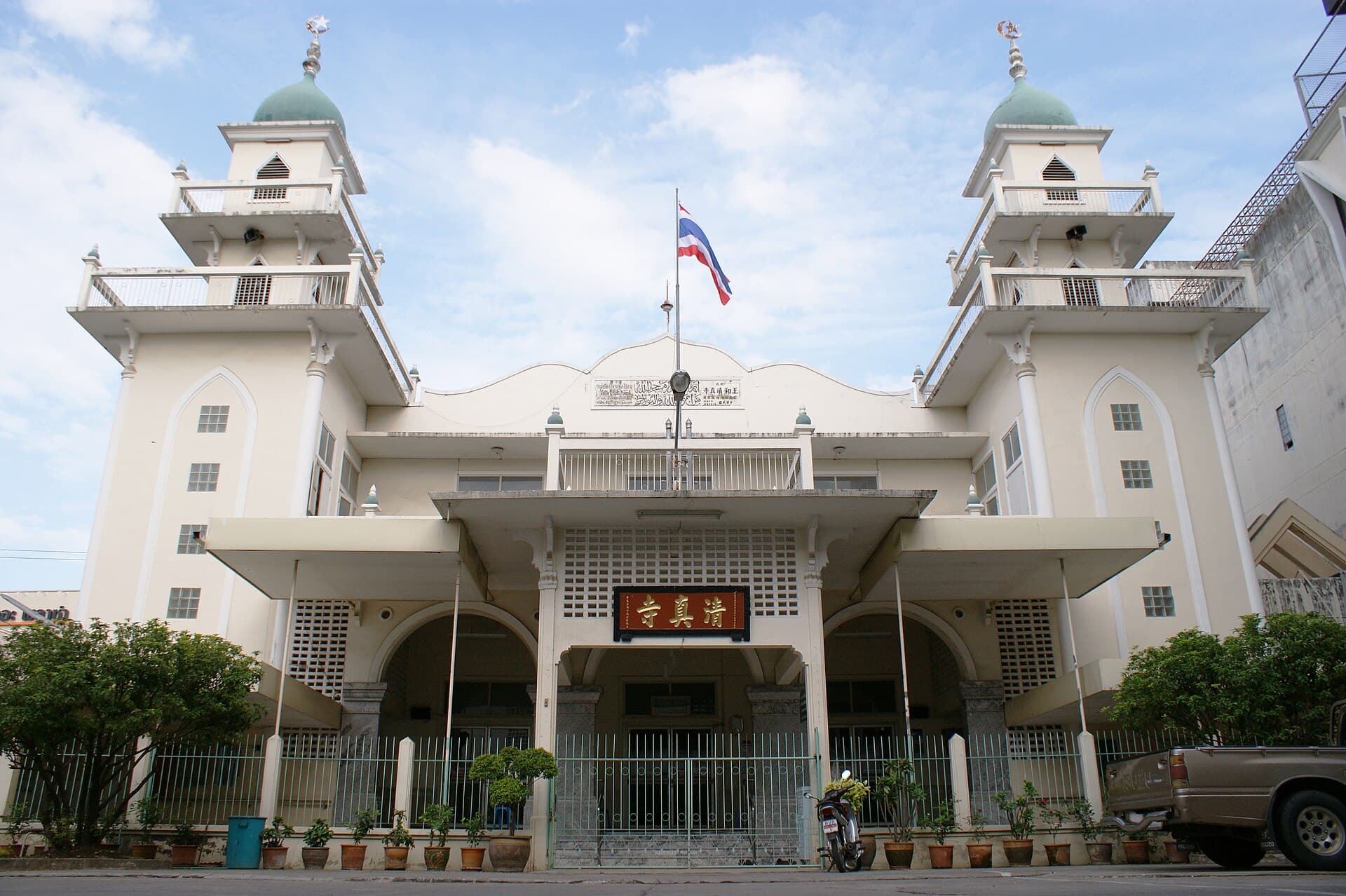 Ban Ho Mosque (Hidayatul Islam)The historic mosque of Chiang Mai's Chinese Hui Muslims, officially Hidayatul Is5 minutes walk
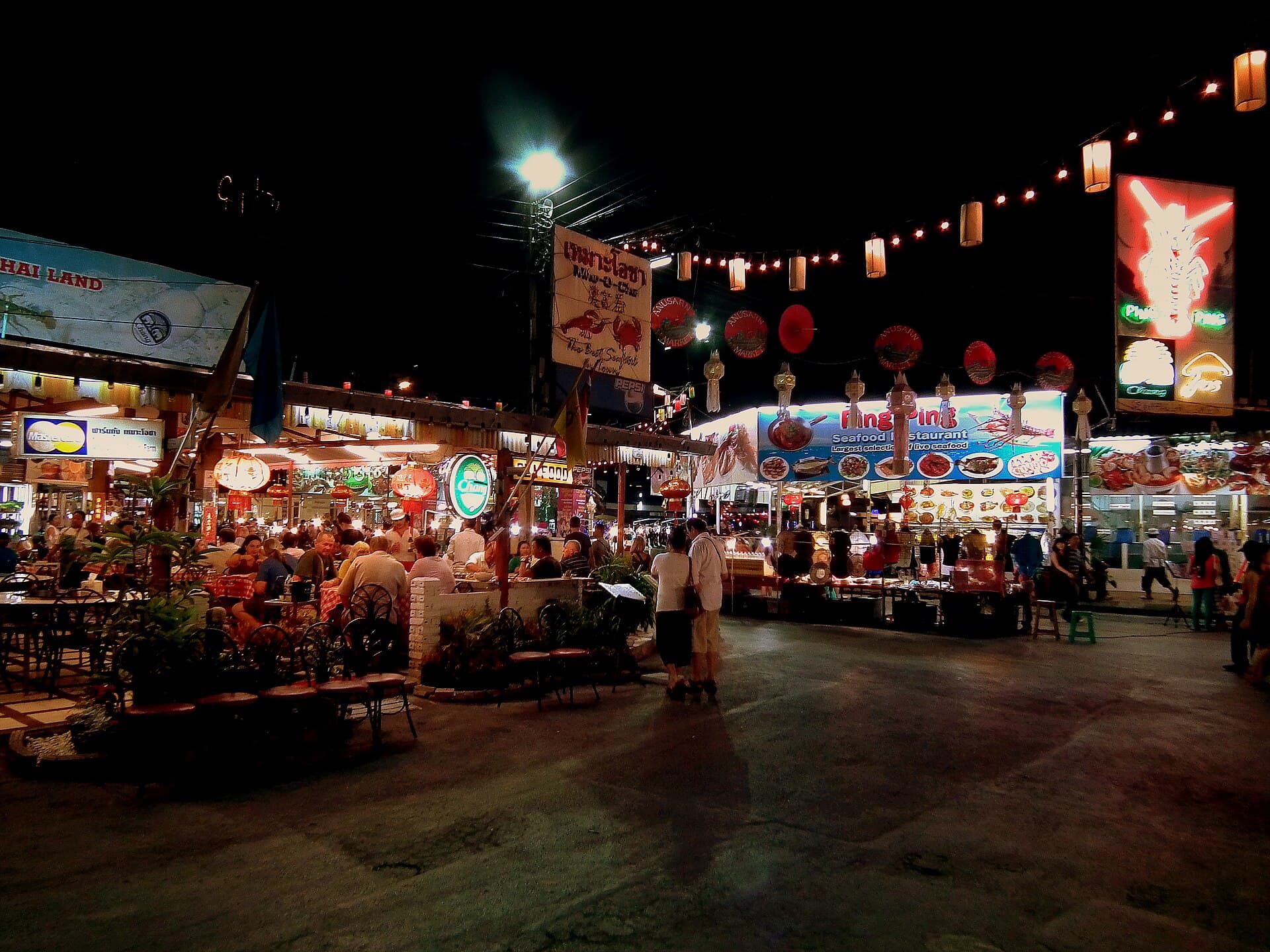 Chiang Mai Night BazaarChiang Mai's best-known market, spreading every night along Chang Khlan Road eas7 minutes walk
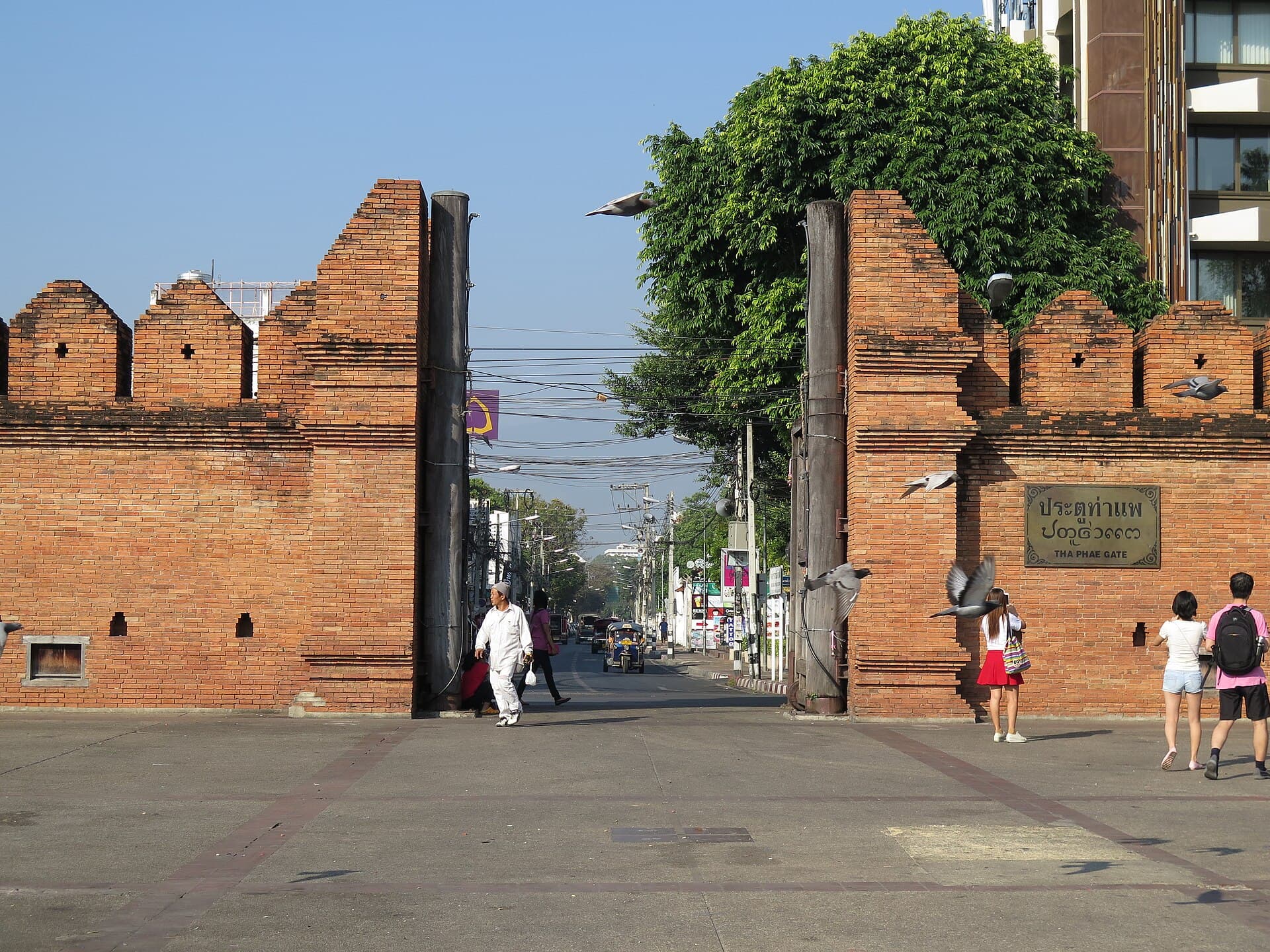 Tha Phae Gate and the Old City WallsThe best-known and most photographed gate of Chiang Mai's old city, on its east 10 minutes walk
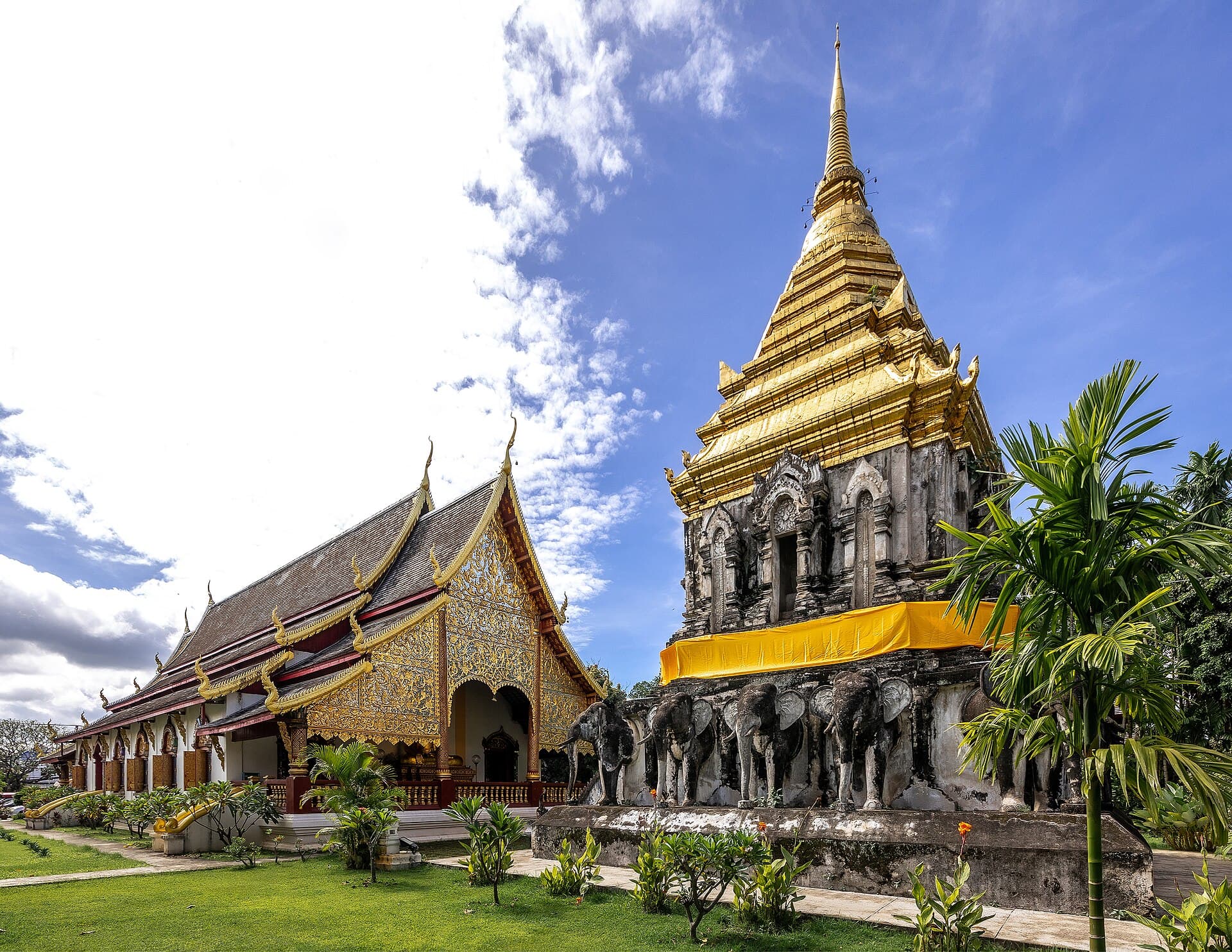 Wat Chiang ManChiang Mai's oldest temple, built by King Mangrai in 1297 on the spot where he c16 minutes walk
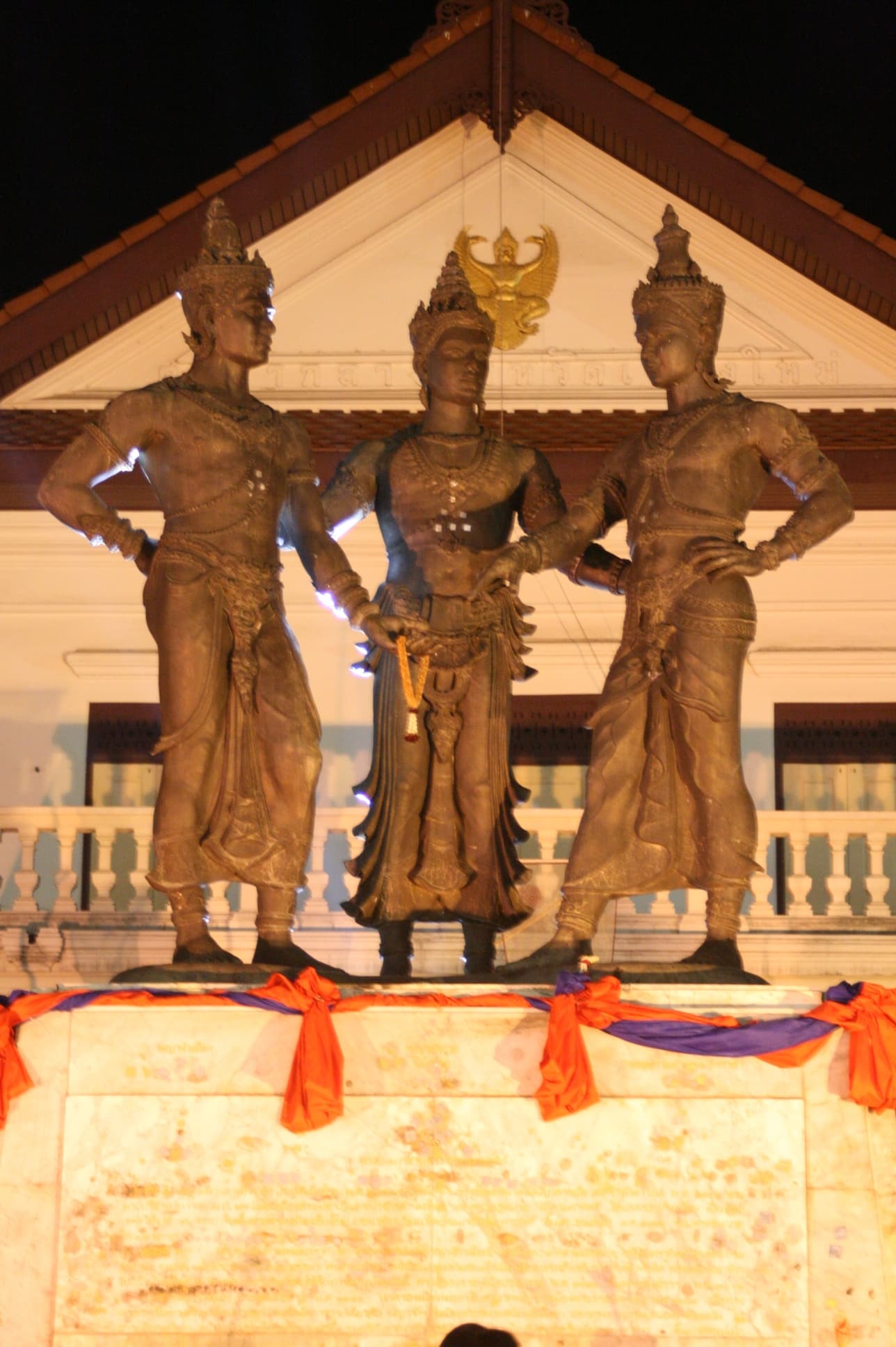 Three Kings MonumentThe symbol of Chiang Mai's founding: three large bronze statues of three kings a18 minutes walk
Mountain tea and coffee, dried fruit, spices and hill-tribe textiles, all at local prices.