
The Golden Buddha
About five and a half tonnes of gold.
Hdamm — CC BY-SA 3.0 · Nawit science — CC BY-SA 4.0 · Nawit science — CC BY-SA 4.0 · Nawit science — CC BY-SA 4.0
A temple at the edge of Bangkok's Chinatown, famous for its Golden Buddha, roughly the world's largest solid-gold statue, weighing about five and a half tonnes and nearly three metres tall. The statue has a remarkable story: for centuries it was hidden under a layer of painted plaster, perhaps to protect it from invaders, until it was dropped while being moved in the 1950s, the plaster cracked and the gold showed through. The statue now stands in a modern white marble hall at the top of the complex, while the lower floors hold the Chinatown Heritage Centre, telling the story of Chinese migrants to Bangkok, and an exhibition on the statue's history. The temple's name means three friends, after three Chinese friends said to have founded it. The fee to see the statue is a token amount, about a hundred baht or less, with the museum extra. It opens daily from eight to five; the museum closes on Mondays. Modest dress is required. Half an hour to an hour is enough, and it is a good start to a walk through nearby Yaowarat Chinatown. For Arab visitors it is a stop to see the golden masterpiece more than a religious destination.
About five and a half tonnes of gold.
The gold stayed hidden for centuries.
A centre telling the migrants' story.
Edge of Yaowarat Chinatown, near Hua Lamphong metro
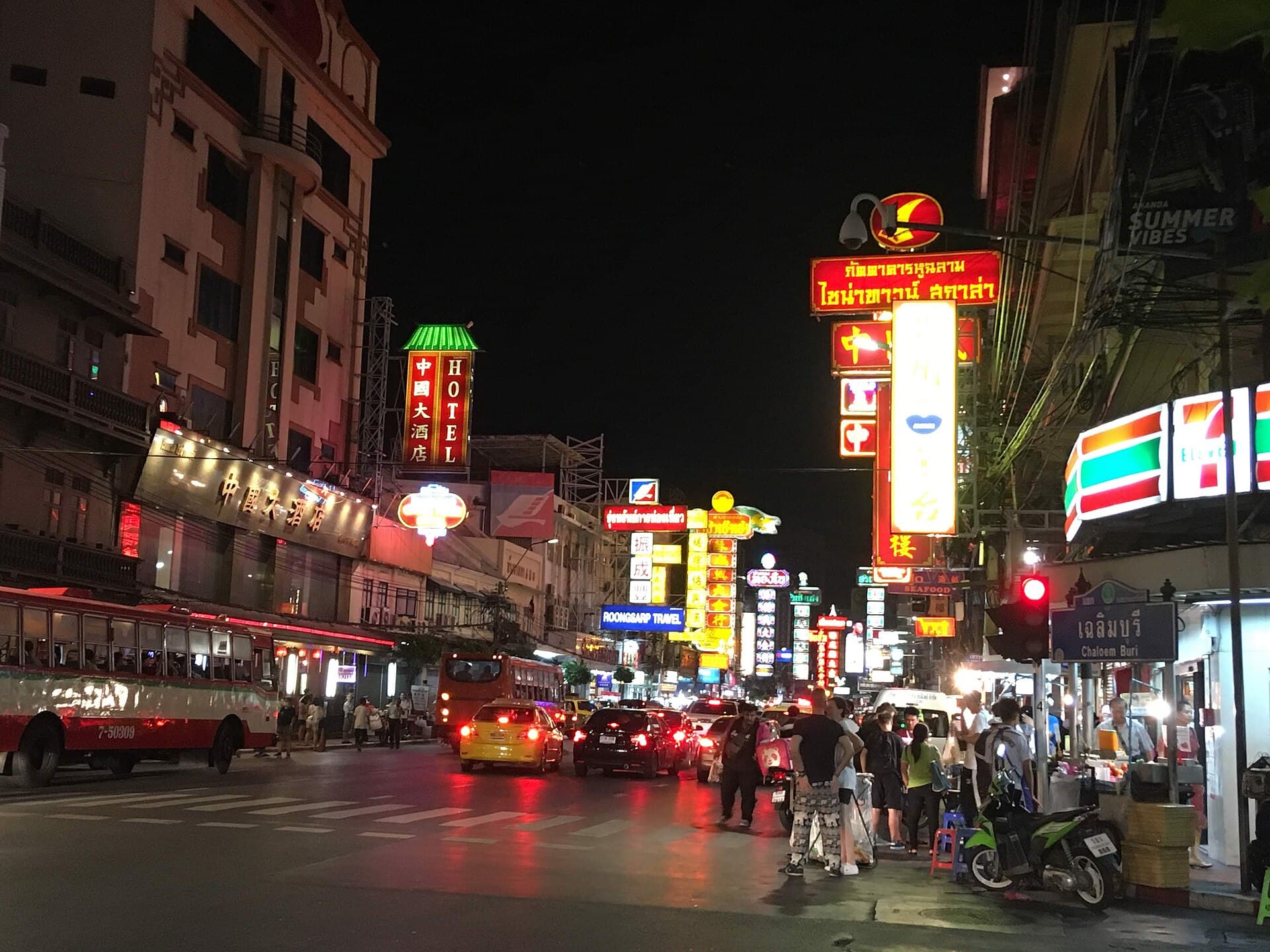 Yaowarat (Chinatown)The main artery of Bangkok's Chinatown and the Chinese community's trading centr8 minutes walk
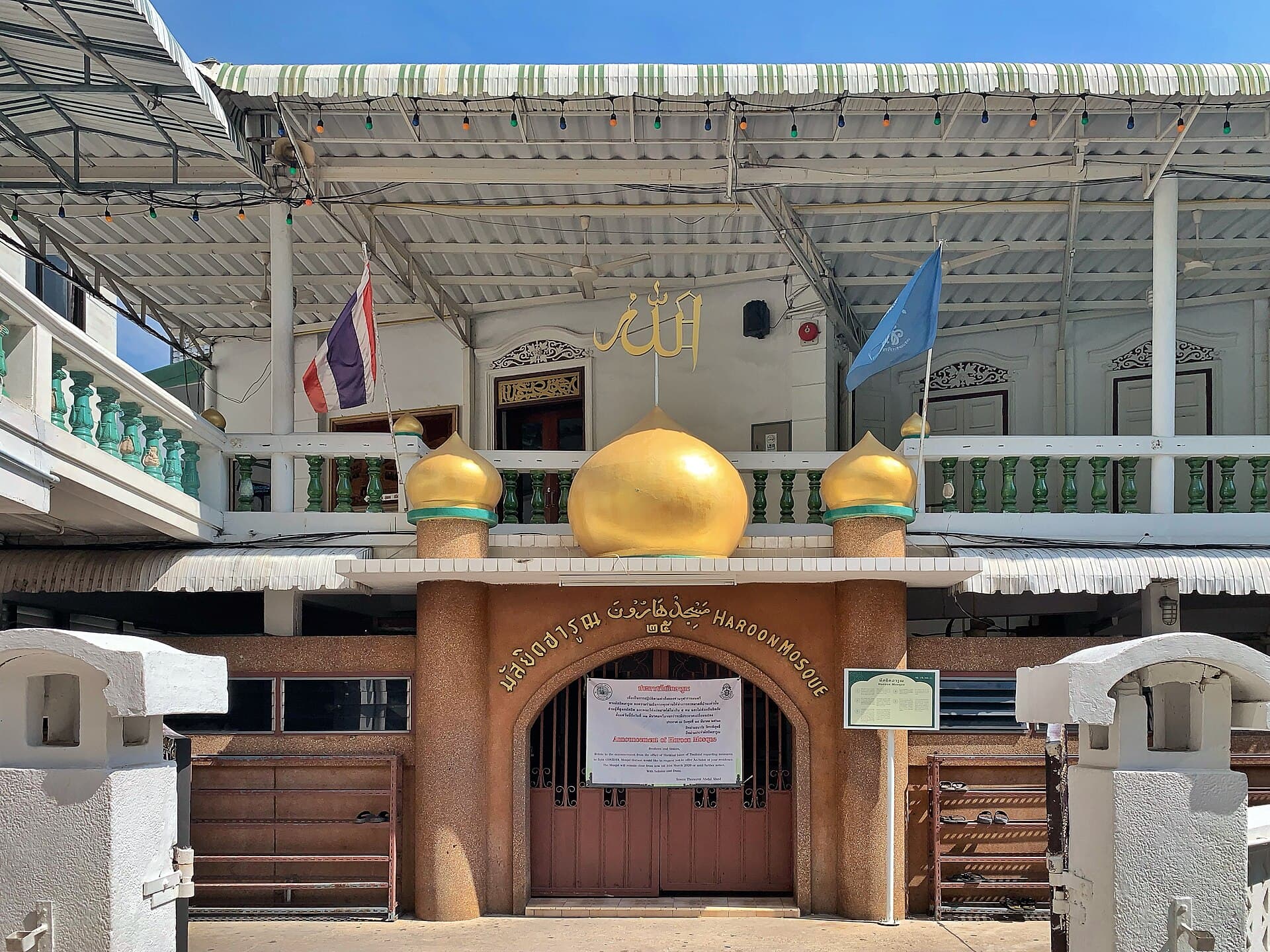 Haroon MosqueOne of Bangkok's oldest mosques, founded in 1837 by the merchant Musa Bafadel, o17 minutes walk
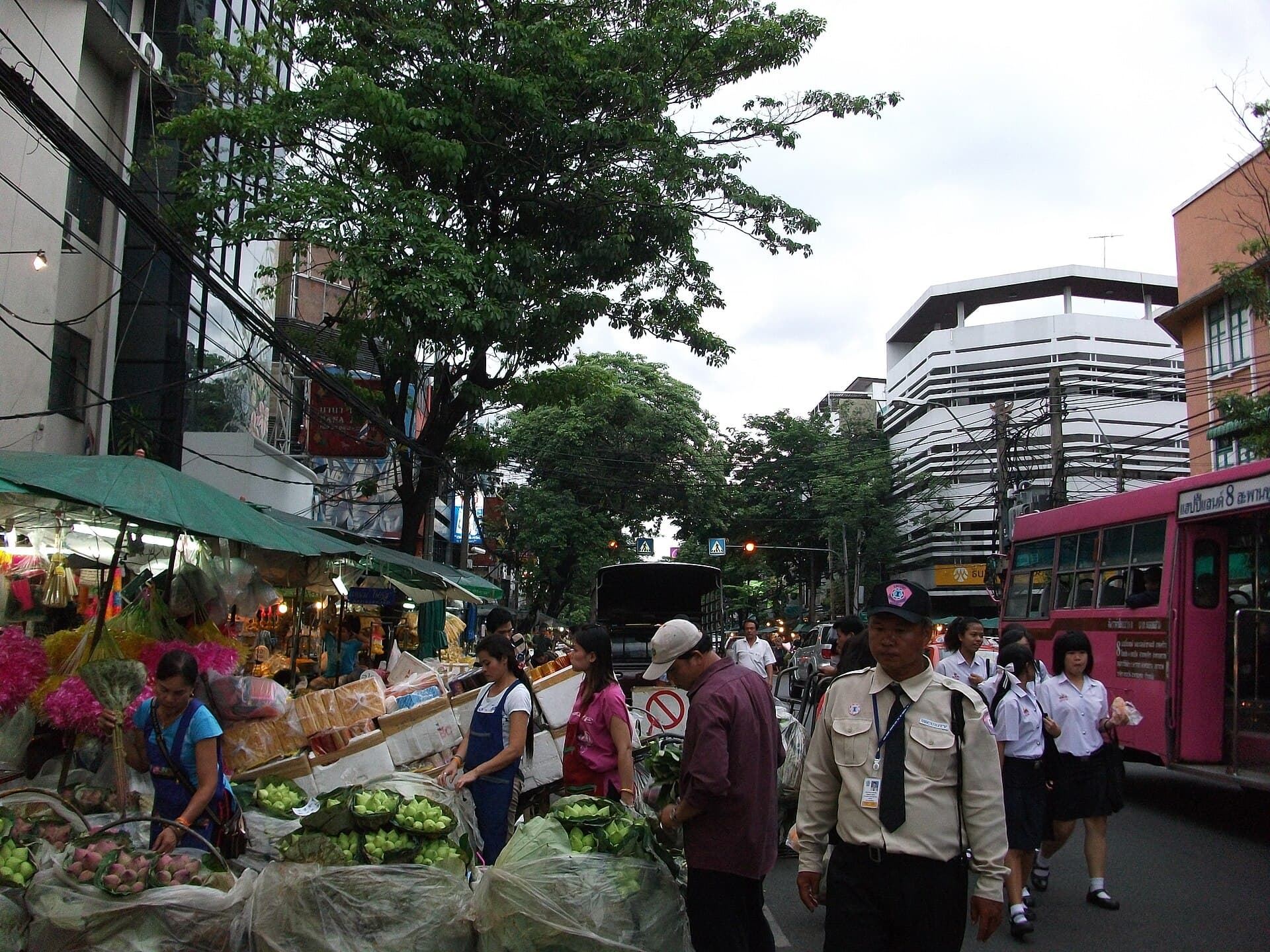 Pak Khlong Talat Flower MarketBangkok's main flower market, along Chak Phet Road and side streets near Memoria24 minutes walk
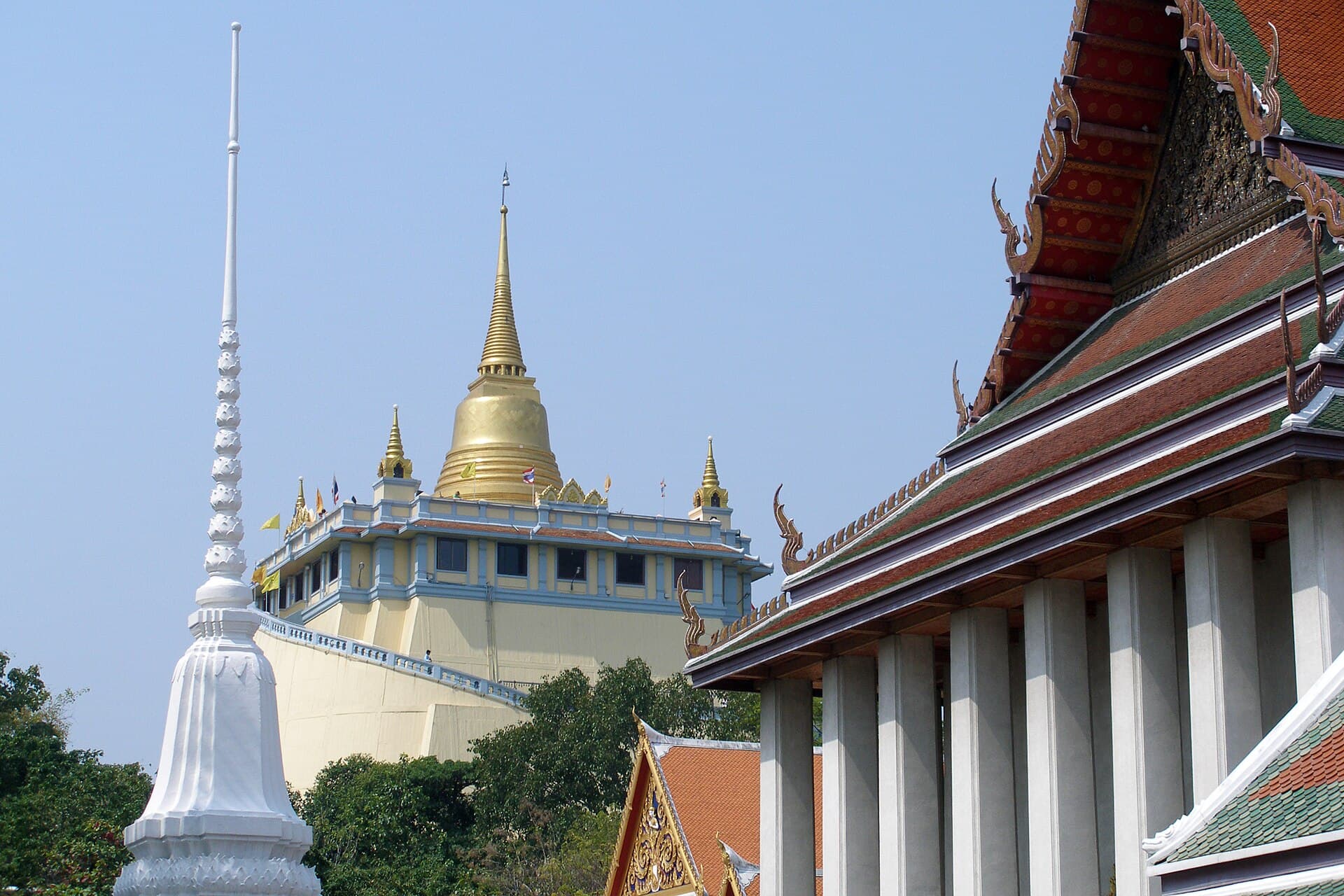 Wat Saket and the Golden MountA steep artificial hill crowned by a gleaming golden stupa, known as the Golden 24 minutes walk
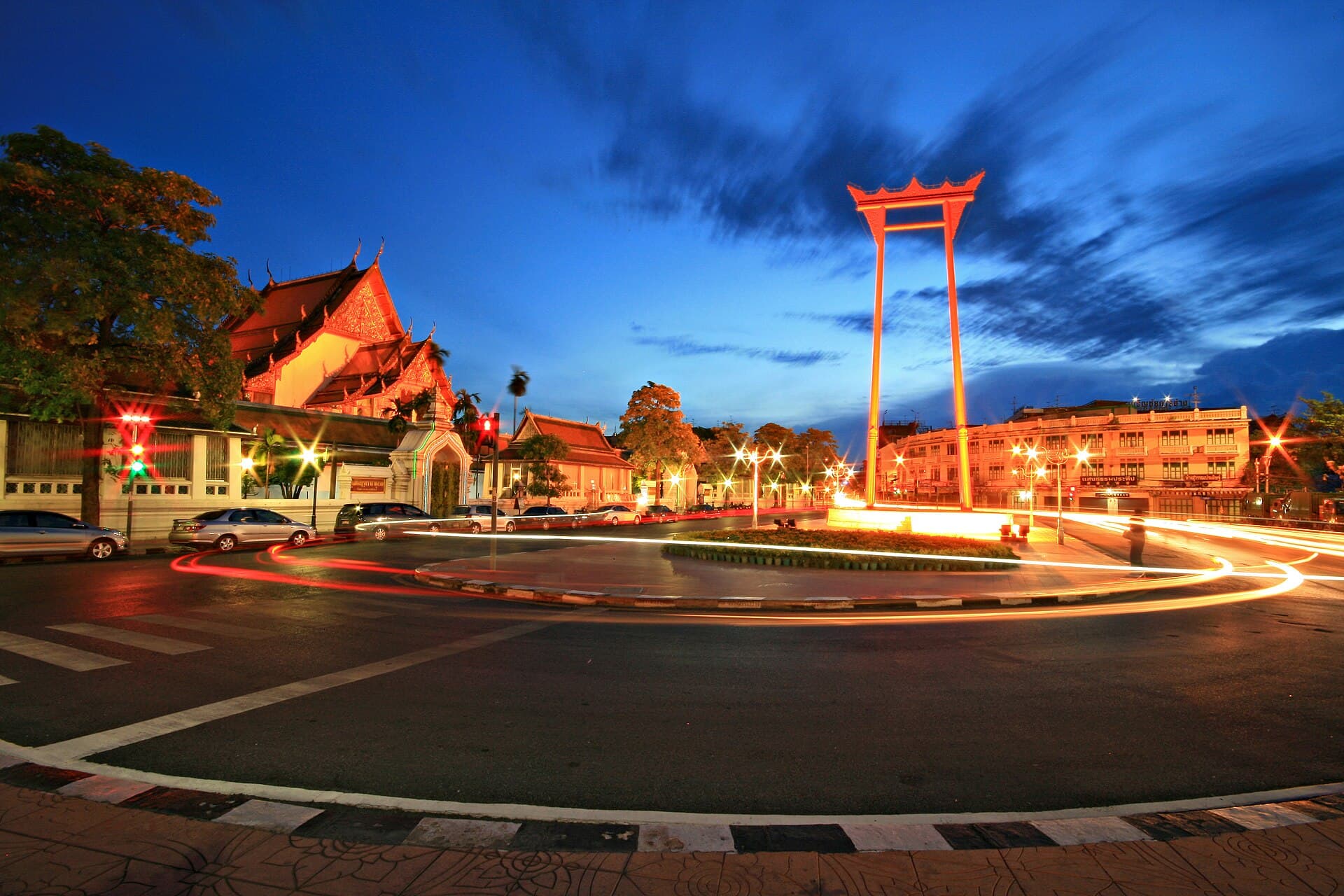 Wat Suthat and the Giant SwingOne of Bangkok's first-class royal temples, begun by King Rama I in 1807, with K25 minutes walk
Yes, according to the temple and sources; its gold was found by chance when the plaster covering it cracked. It is one of the heaviest gold statues in the world.