
The gorge floor
Moss, ferns and filtered green light.
Sitacuisses — CC BY-SA 3.0 · Rufus46 — CC BY-SA 3.0 · Schwoba-power — CC BY-SA 4.0 · Frühstücksdrache — CC BY-SA 3.0
The Wolfsschlucht, the wolf's gorge, is a narrow rocky ravine in the Black Forest north-east of Baden-Baden, cut by two streams between walls of red sandstone covered in moss and ferns. The path follows the floor of the gorge over small wooden bridges and stone steps, in permanent damp and a green light filtered through the trees above. The name carries cultural weight in Germany: Wolfsschlucht is the setting of the most famous scene in Carl Maria von Weber's opera Der Freischütz of 1821 — a night scene in a haunted ravine where magic bullets are cast. The opera was a founding moment of German Romanticism, and this real place is popularly linked to it even if it is not the confirmed inspiration. Walking the gorge itself takes about half an hour, but it connects to a wider network of Black Forest trails and can be combined with a climb up to the Altes Schloss overlooking the town. The path is free and always open, but it is unlit and becomes slippery after rain — and the wet rock here is genuinely slick rather than merely cautionary.
Moss, ferns and filtered green light.
The trail connects to a climb to the Altes Schloss.
Wolfsschlucht, 76530 Baden-Baden
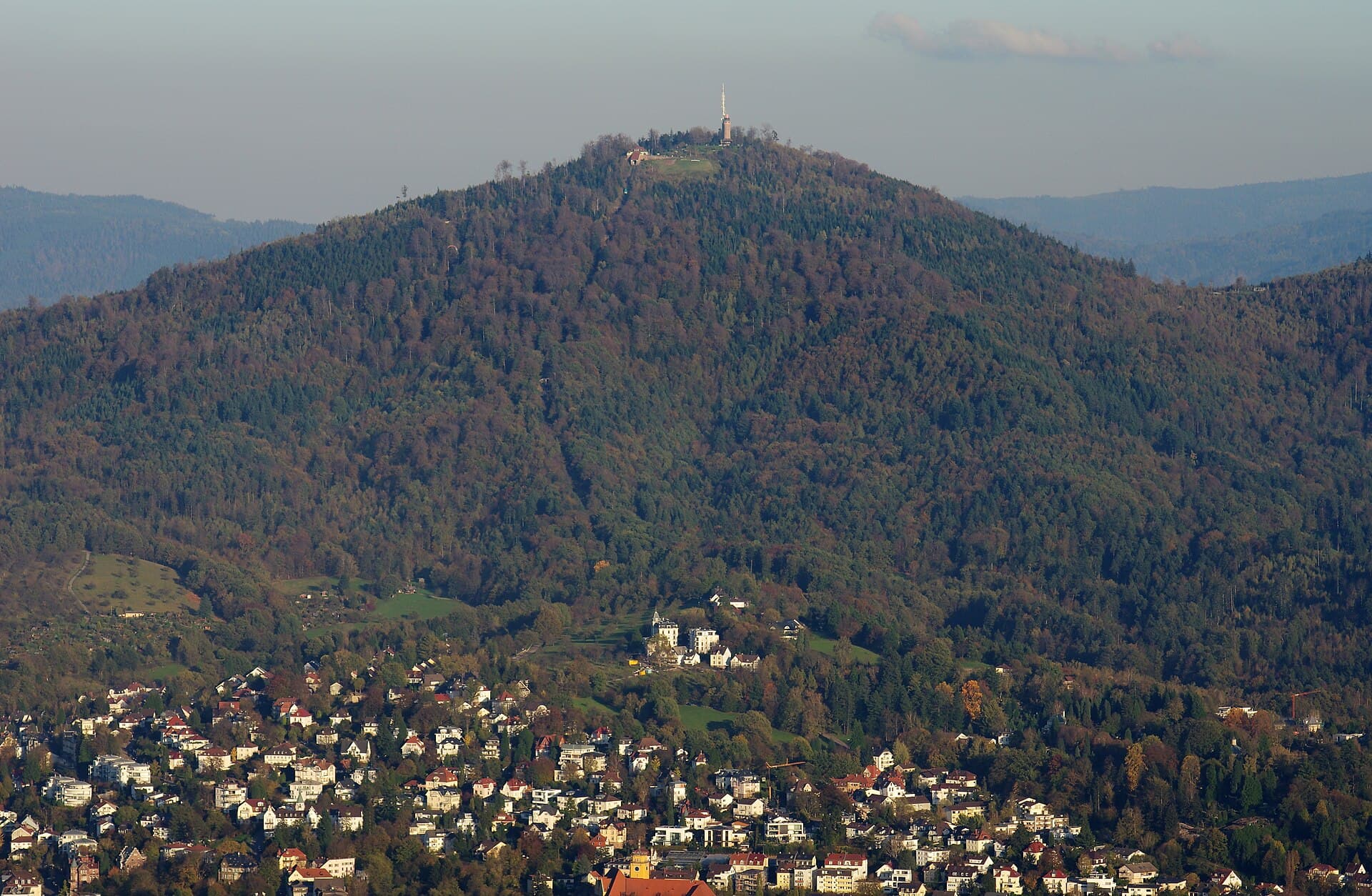 Merkur Mountain & FunicularThe Merkur is Baden-Baden's balcony: a 668-metre summit east of town, climbed si17 minutes walk4.9
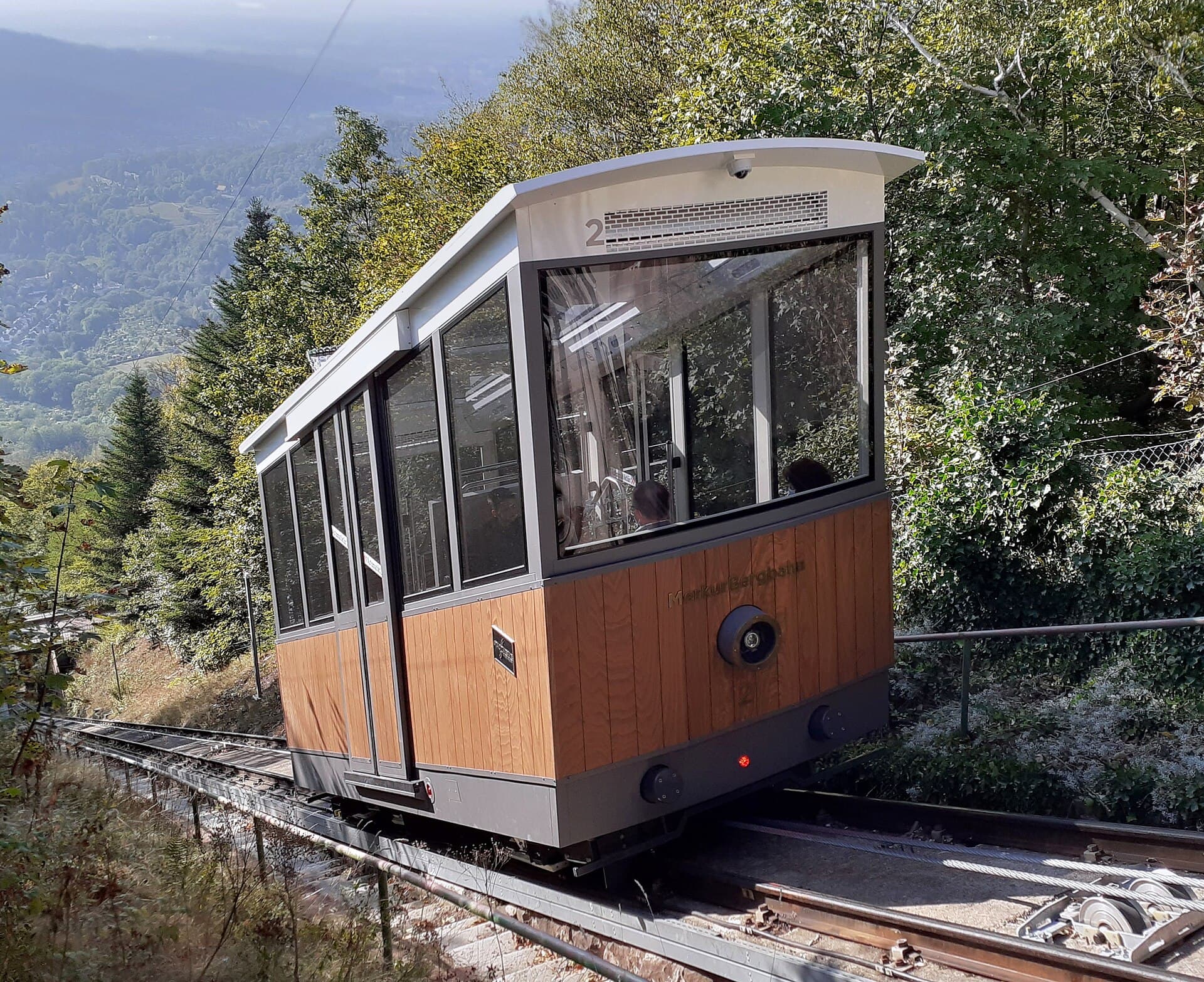 Merkur FunicularThe Merkur funicular climbs the Merkur mountain above Baden-Baden. First opened 23 minutes walk4.6
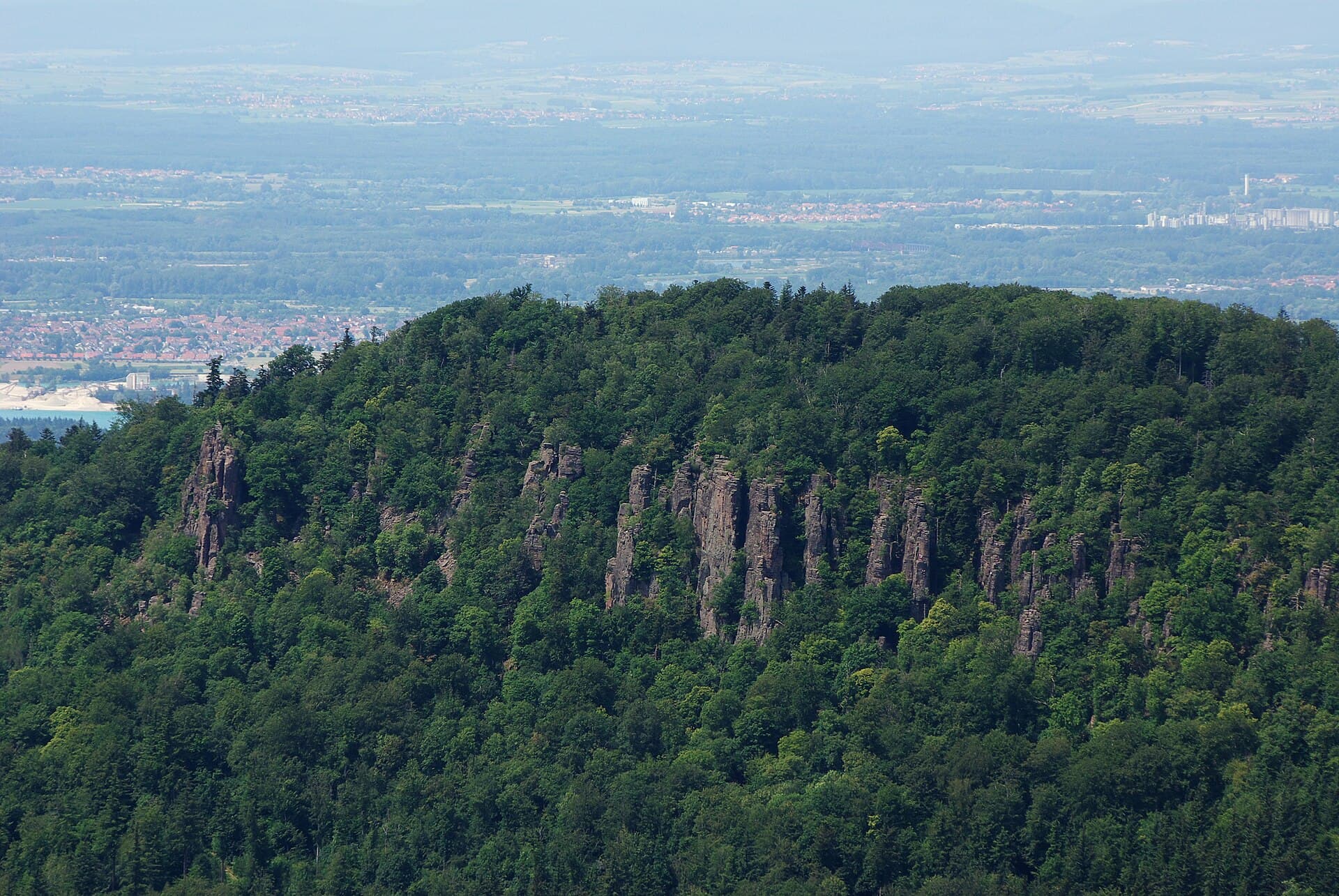 Battert RocksThe Battert is a natural rock wall on the hills above Baden-Baden, near the old 24 minutes walk4.9
There is no conclusive evidence. Der Freischütz is based on a German folk tale and its scene is imaginary, pointing to no specific location, and several ravines in Germany carry the same name and claim the connection — the best known near Zorge. More likely the name here is an old descriptive one for the place, and the association with the opera came afterwards, once it became famous.