
The guest room
Painted fruit and flowers, carved ceilings.
Sonia Budini — CC BY-SA 4.0 · Sonia Budini — CC BY-SA 4.0 · Sonia Budini — CC BY-SA 4.0 · Sonia Budini — CC BY-SA 4.0 · Perigrinator — CC BY-SA 4.0
Zekate House is a fortified tower house, or kullë, high in Gjirokastër's Palorto quarter, built in 1811–1812 for Beqir Zeko, general administrator to Ali Pasha of Tepelenë. Its twin stone towers, joined at the front by a great double arch, can be seen from almost anywhere in the UNESCO-listed old town. Zeko lived here with his sons and their families in a four-storey house, counting the mezzanine; its three gates and two courtyards displayed the family's wealth. Petro Korçari, a master architect and decorator favoured by Ali Pasha, is thought to have designed and decorated it. Listed as a cultural monument in 1973, it was restored in 2004–2005, with its wall paintings, painted woodwork and coloured glass conserved. The ground floor holds a cistern and a domed grain cellar; above come a mezzanine reception room with a raised corner for honoured guests, then two winter rooms, each with a bath. The top floor's great guest room, used for weddings, has walls painted with fruit and flowers, an ornamental fireplace and carved, painted ceilings. A wooden balcony on that floor overlooks the rooftops and the Drino valley; the head of the family and his chief guests took coffee on its raised platform. It lies about 500 m west of the Old Bazaar as the crow flies, up steep cobbled lanes, and pairs easily with Skënduli House, 250 m away; the castle is about 600 m east. The Zeko family live beside it and let visitors in; recent visitors describe a self-guided visit with English signs and drinks in the courtyard.
Painted fruit and flowers, carved ceilings.
A raised platform over the town.
Joined by a great double arch.
Palorto quarter, west of the Old Bazaar, Gjirokastër
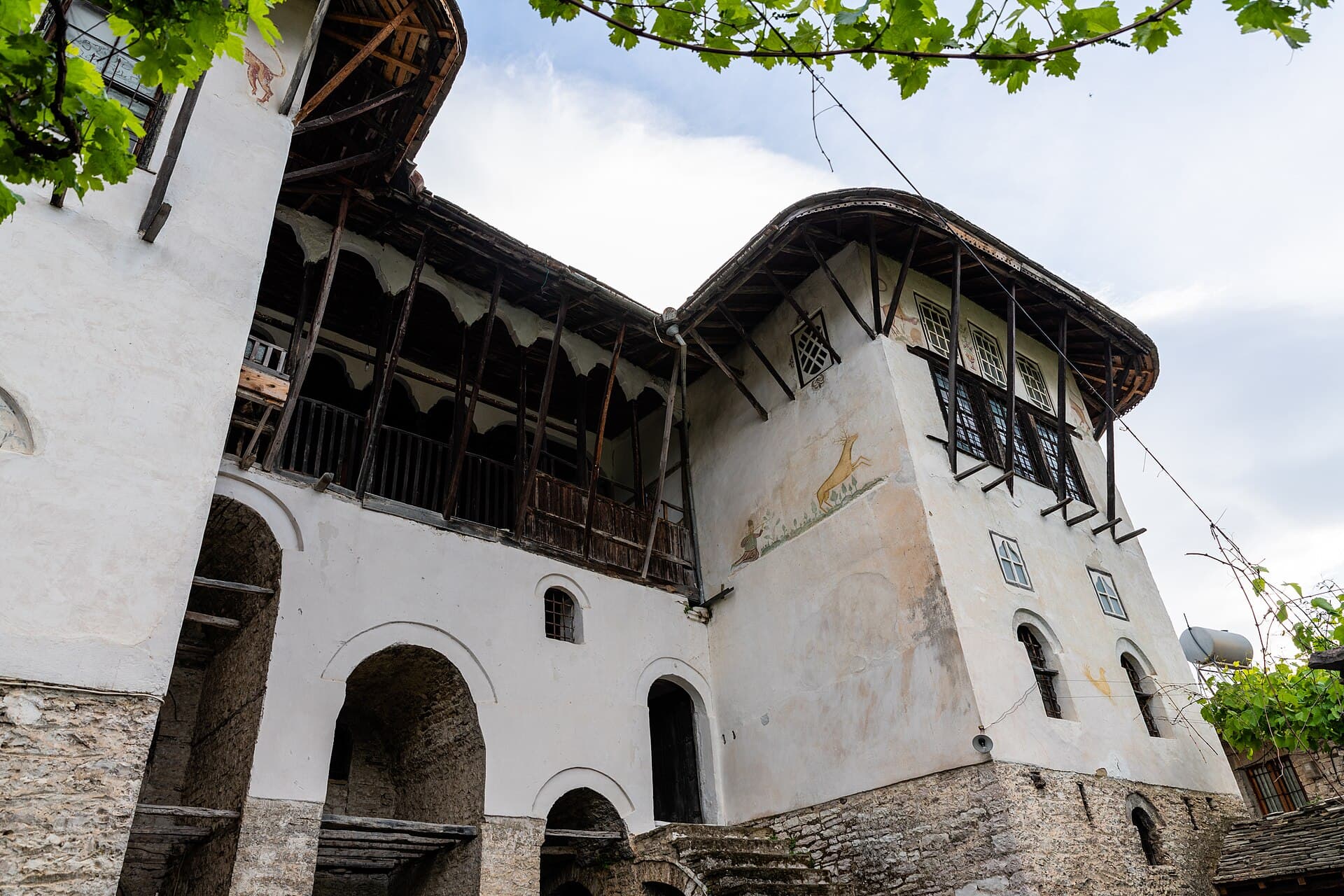 Skënduli HouseSkënduli House is a three-storey Ottoman-era tower house in Palorto, an old quar3 minutes walk
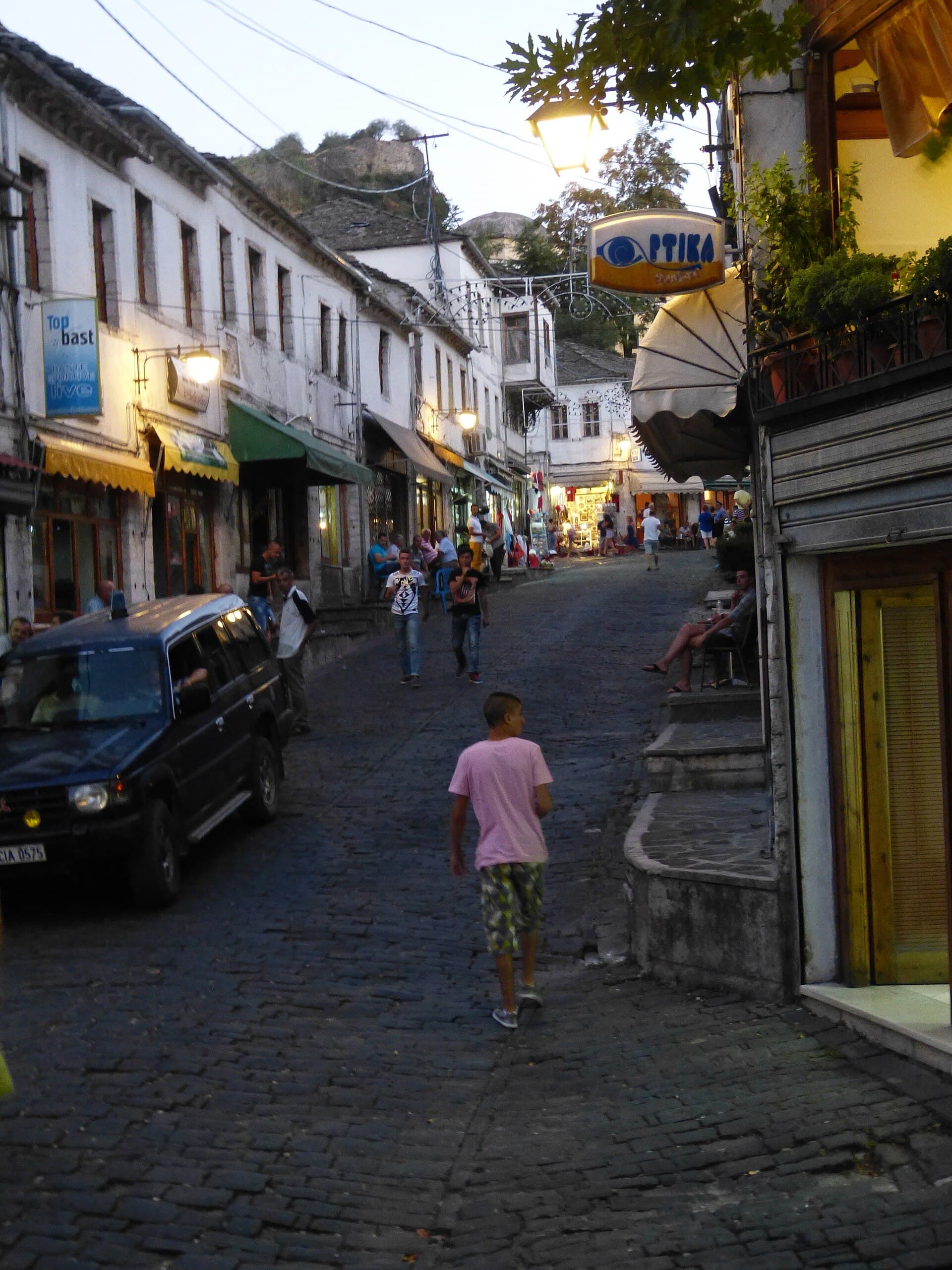 Gjirokastër Old BazaarThe heart of Gjirokastër's old town, where lanes paved in white and grey stone m6 minutes walk4.6
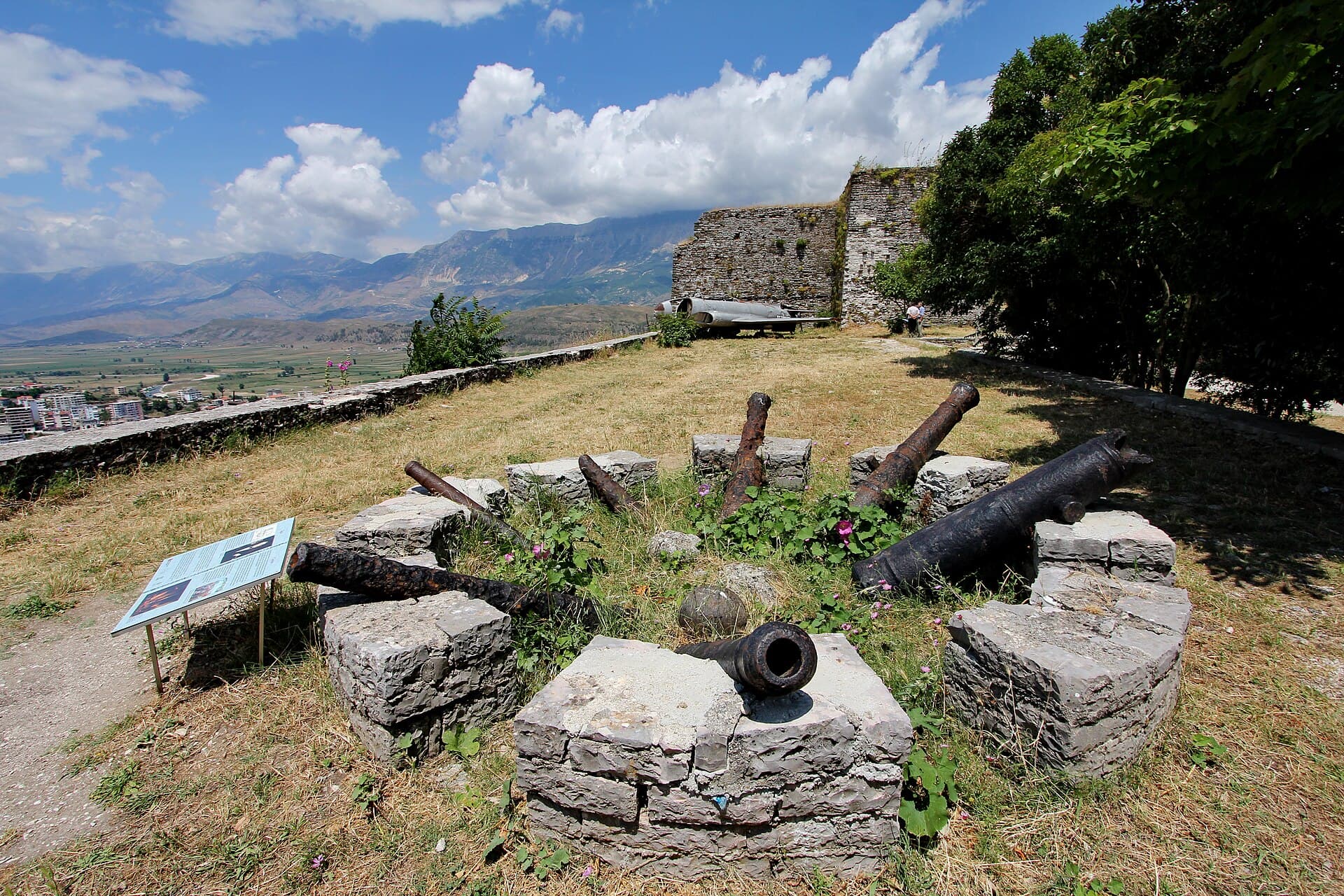 Gjirokastër CastleA huge castle 336 m up that dominates the town of Gjirokastër and the strategic 8 minutes walk4.7
Yes. The communist regime took it from the family and for a time used it as Gjirokastër's Ethnographic Museum; it was returned after communism fell and has been open to visitors since its 2004–2005 restoration.
In part. Like the town's other tower houses, it stands on a solid stone lower storey with embrasures in the walls, and the women's room above the cistern, where the cooking was done, hid a secret store of weapons.