
The Compasso d'Oro collection
Some 2,500 award-winning objects since 1954, a large part of them laid along a single timeline you can read as a history of Italian taste.
DeLo 99 — CC BY-SA 4.0 · DeLo 99 — CC BY-SA 4.0 · Barbaragerosa — CC BY-SA 4.0 · Barbaragerosa — CC BY-SA 4.0
In 1954 Milan invented a prize for the things you hold rather than the things you hang: a coffee pot, a chair, a typewriter. That was the Compasso d'Oro, the oldest industrial design award in the world, and it went far enough that in 2004 the Italian state declared the collection of its winners — roughly 2,500 objects — protected national heritage. The ADI Design Museum, opened in 2021, is the house that was finally built for it after decades of the collection drifting between storerooms. The building is half the story. It was an Enel electricity plant in the Porta Volta district, and a tram depot before that, gutted and left at full width. No narrow corridors, no chain of little rooms — the permanent collection sits in one tall industrial hall, laid along a timeline that starts in 1954 and runs to the present, while the temporary shows take other spaces, including a lower level. That arrangement is what makes the visit genuinely enjoyable: you are not looking at scattered objects so much as watching an entire country's taste change decade by decade, from post-war austerity, through the loud plastics of the sixties, to today's careful restraint. The surprise is that you already know most of what you see without knowing that you know it: the moka pot on your own stove, the Vespa, the Arco lamp with its marble block and long arc, the Olivetti typewriters in their impudent colours. Still, let us be honest — the museum is not large, the permanent hall takes an hour or a little more, and the temporary shows vary in quality from season to season. If chairs and lamps mean nothing to you, this will not make your day. If you are the sort who turns a chair over to see how it was joined, it is one of the most pleasant and least crowded hours in Milan. Expansion works are under way, so some spaces may be temporarily closed. Practically: it sits in Porta Volta, a ten-minute walk from Garibaldi, and it closes on Friday rather than Monday like most Milanese museums — a detail that ruins more itineraries than you would think. It also tends to shut for a good part of August, so check before a summer visit. Payment is entirely electronic; cash is not accepted at all. The main hall is flat and wide, easy with a pushchair or with older relatives, and under-tens go free, though very young children tire of it quickly while teenagers usually find something that holds them. Cafés are plentiful around the museum, and Corso Como and the great Monumental Cemetery are both within walking distance if you want to round out the day.
Some 2,500 award-winning objects since 1954, a large part of them laid along a single timeline you can read as a history of Italian taste.
The main hall was left at full width, so you take in the whole permanent display at a glance before walking into it.
The moka pot, the Vespa, the Arco lamp, the Olivetti typewriters — objects you have used all your life, shown here as art.
Piazza Compasso d'Oro 1, 20154 Milan, Italy
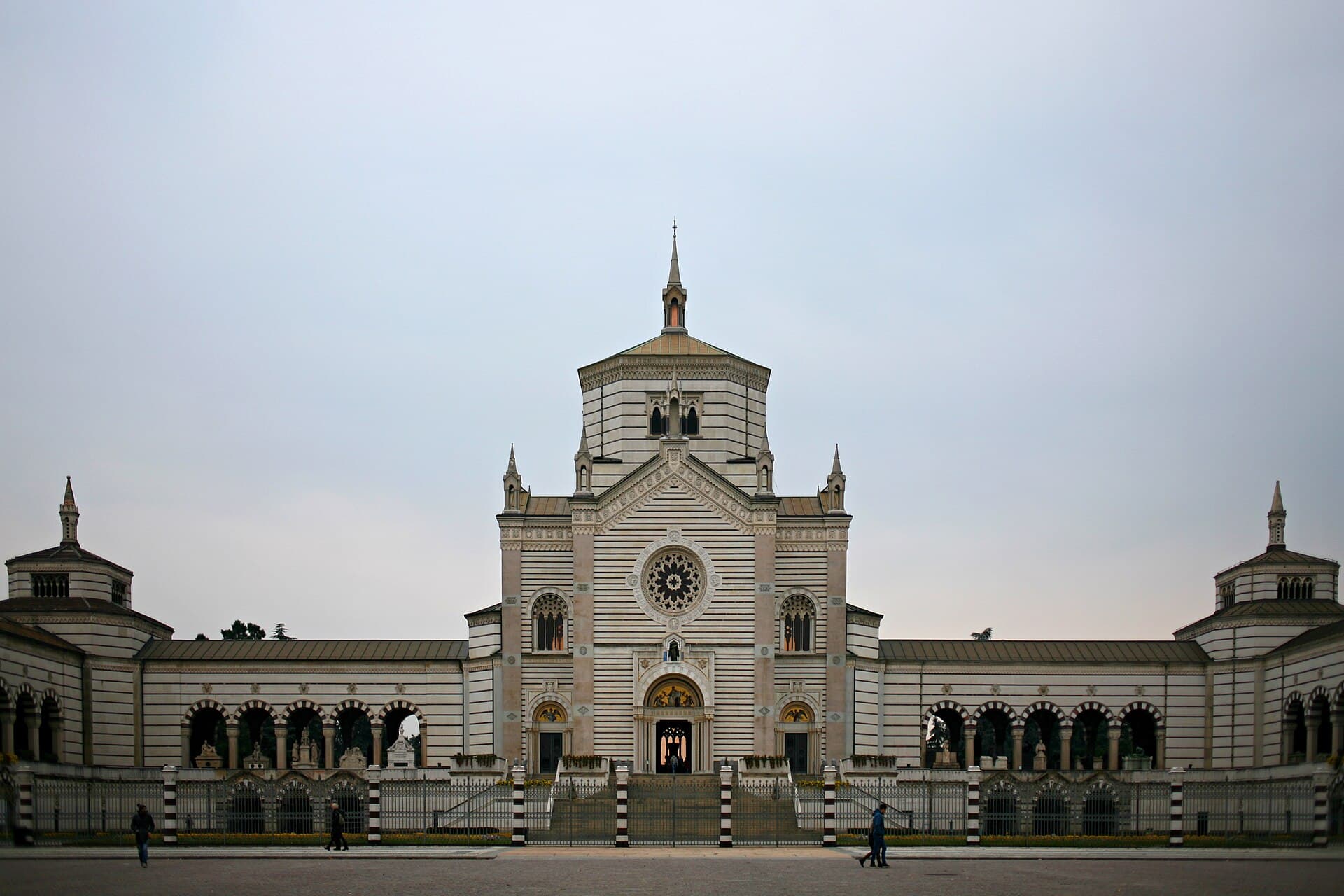 Monumental Cemetery of MilanThe Monumentale is an open-air sculpture museum disguised as a cemetery: since 14 minutes walk4.7
 Bosco Verticale (Vertical Forest)Eight hundred full-grown trees live suspended in mid-air here, some of them a hu10 minutes walk4.6
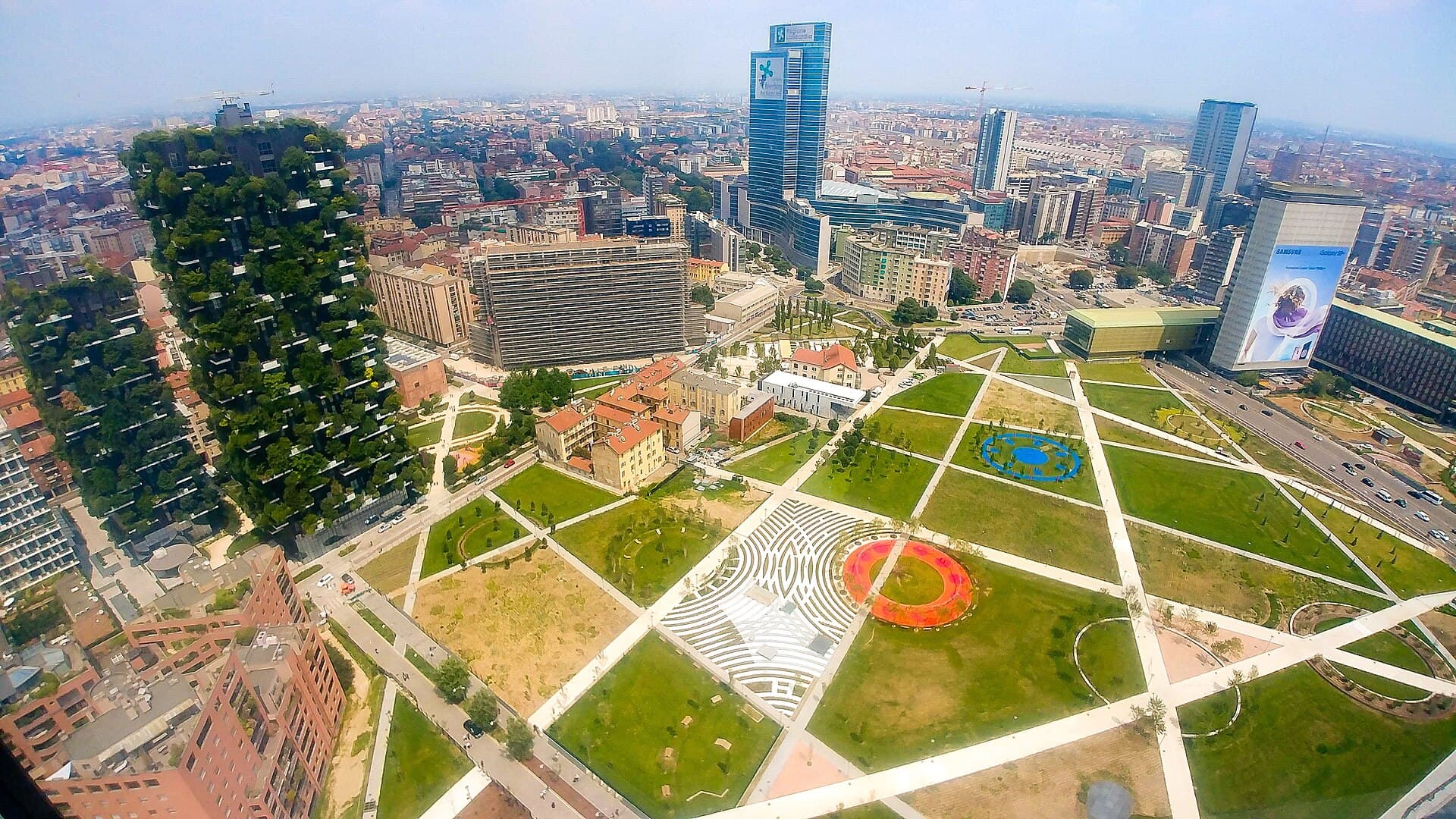 Biblioteca degli AlberiA contemporary public park in the Porta Nuova district north of central Milan, o12 minutes walk4.5
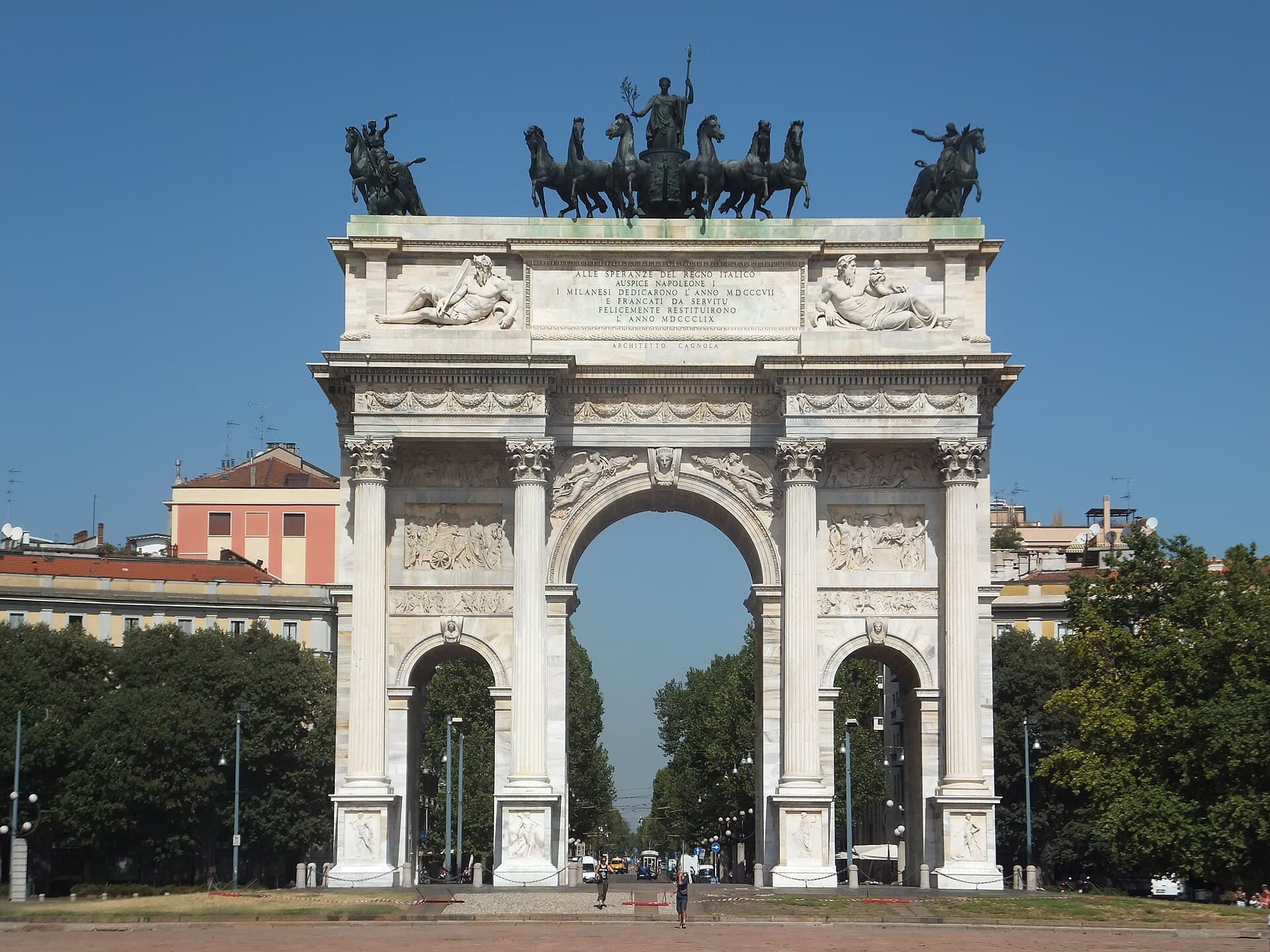 Arco della PaceThe Arch of Peace closes the Sempione axis with neoclassical pomp: a marble triu13 minutes walk4.8
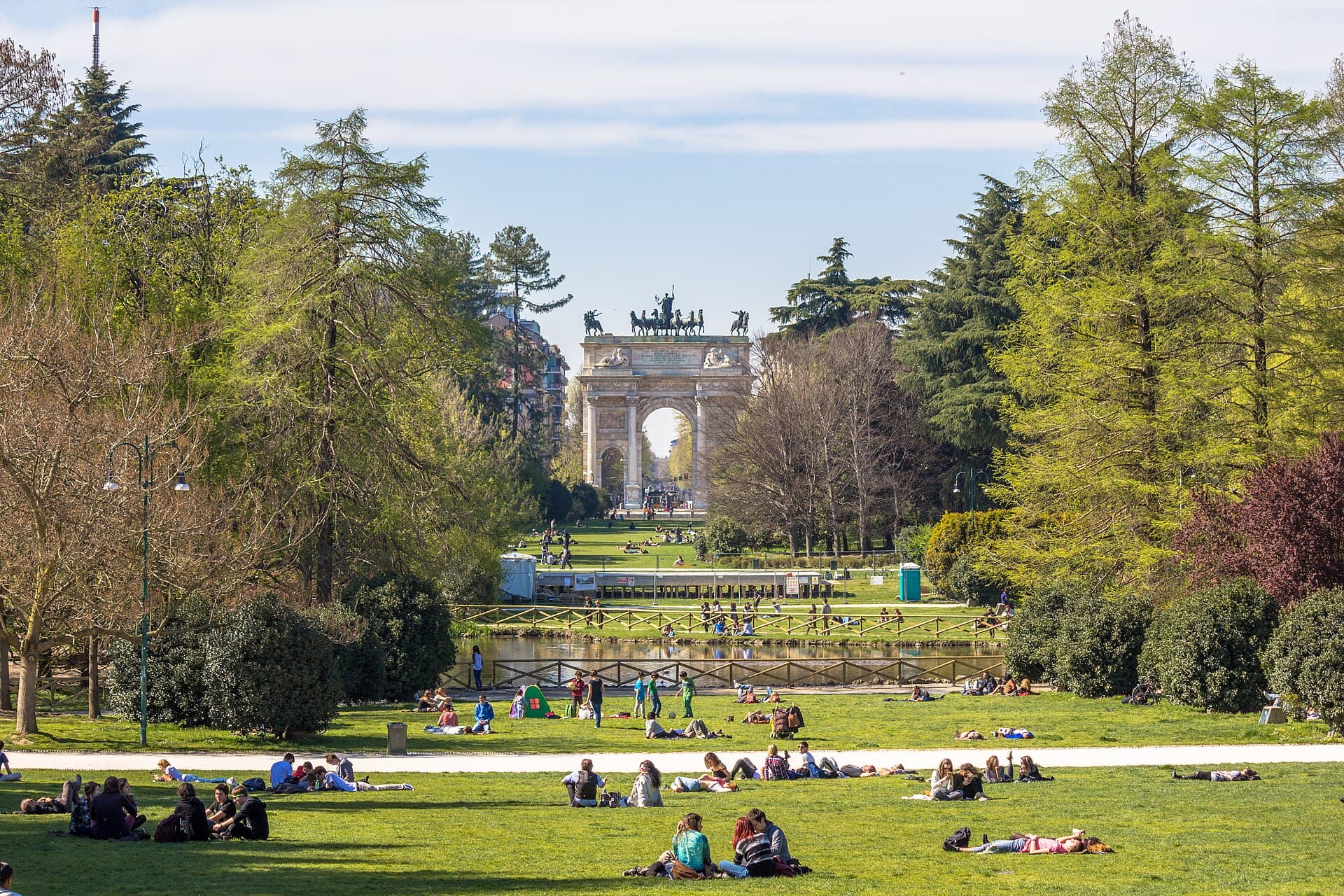 Parco SempioneSempione is Milan's green lung: forty-seven hectares of English-style lawns, pon15 minutes walk4.7
Yes, because the two differ in kind rather than degree. The Triennale runs a heavy programme of temporary exhibitions alongside its Museo del Design Italiano, whose permanent collection is re-hung and re-curated every season or two, so go twice and you may see two quite different things. ADI is built around one fixed holding, the Compasso d'Oro collection, arranging seventy years of design on a single timeline. If what you enjoyed at the Triennale was seeing real objects up close, you will like this more. But if design is not your passion and you have a single afternoon in Milan, skip both without guilt and spend it on the Duomo or Brera.
Partly, and honestly. Logistically it is ideal: the main hall is one flat, wide floor with no stairs to climb and no crush, pushchairs move freely, and under-tens are free. But everything sits behind barriers, with nothing to touch or switch on, so children under seven tend to run out of patience in twenty minutes. From about ten or twelve upward it usually lands well, especially if you turn it into a game: how many of these things do we own at home?