
The seven survivors
Mosaics from before Iconoclasm.
DMY, edited by MenkinAlRire — CC0 · CC BY 3.0 · Ymblanter — CC BY-SA 4.0 · Ymblanter — CC BY-SA 4.0
Agios Dimitrios is the city's mother church: Greece's largest, over the grave of Thessaloniki's patron — the Roman officer executed in a camp bath (~306 AD) who became its guardian through the sieges — a five-aisled basilica burnt in 1917 and faithfully rebuilt, its seven surviving mosaics (5th-7th century) jewels from before Iconoclasm: Demetrius with the children, and with the church's founders, most famous. Its true treasure is below: the Crypt — the very Roman bath of his death, columns, vaults and the holy-oil fountain, a moving underground museum, free. It is Greek Orthodoxy's second pilgrimage — its season late October: Demetrius' feast and the city's 1912 liberation day deliberately adjacent, the whole city in festival.
Mosaics from before Iconoclasm.
The martyrdom vaults and their holy oil.
Agiou Dimitriou, 54633 Thessaloniki
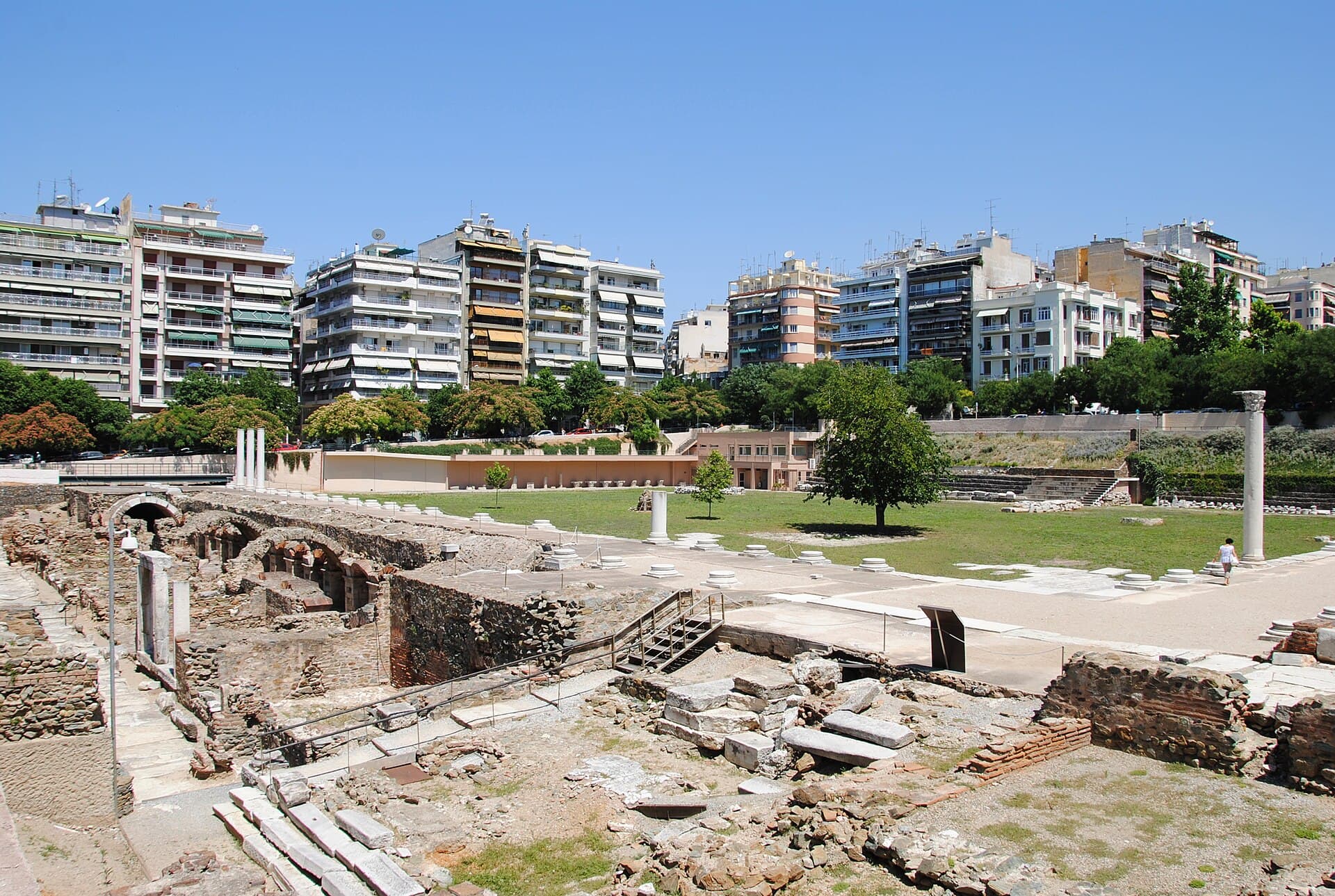 The Roman Forum (Ancient Agora)The Forum is Roman Thessaloniki's accidentally found heart: car-park excavations3 minutes walk4.5
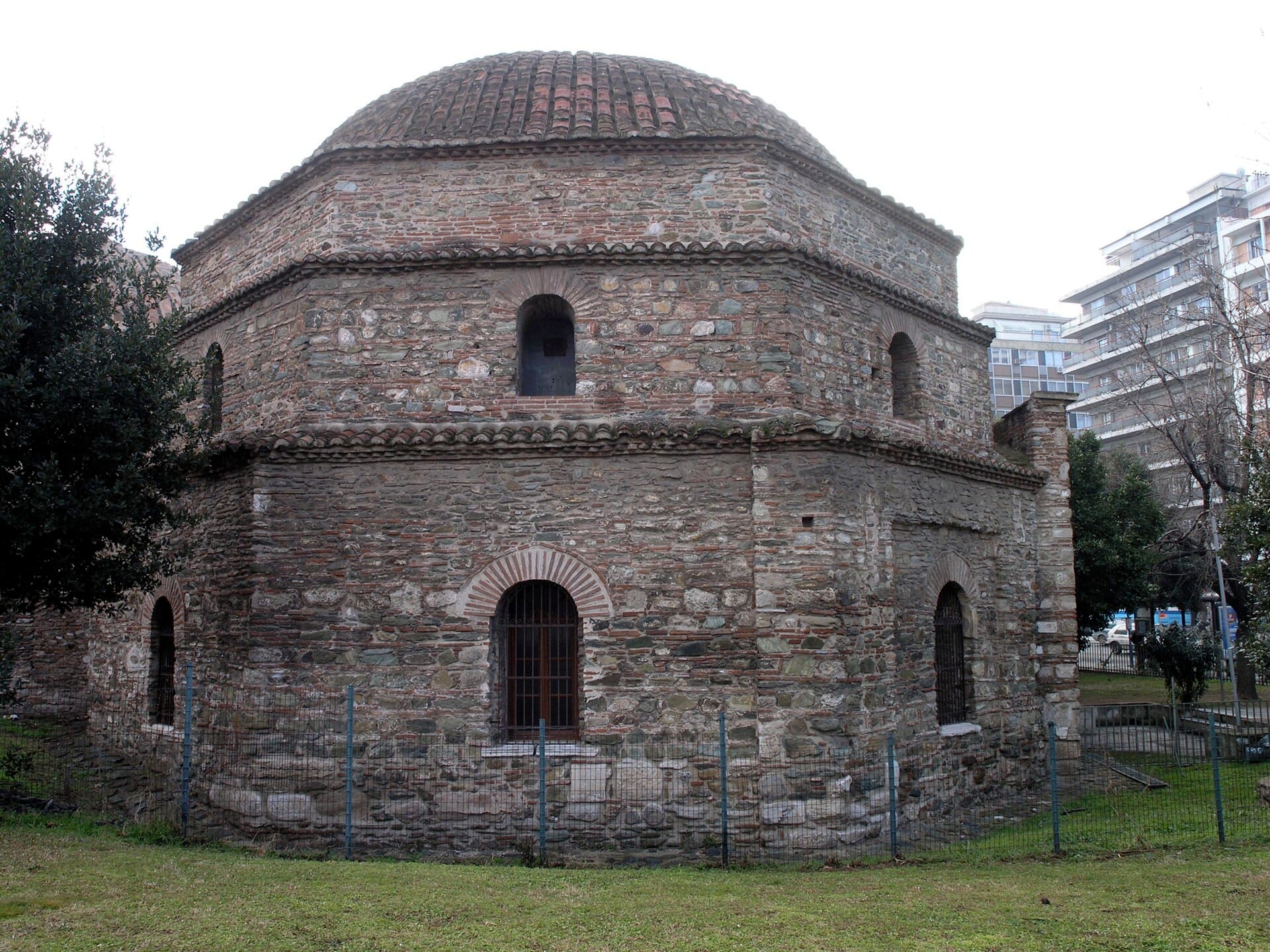 Bey Hamam (the Paradise Baths)It stands on the main **Egnatia** street in the middle of the city, and is the *5 minutes walk4.3
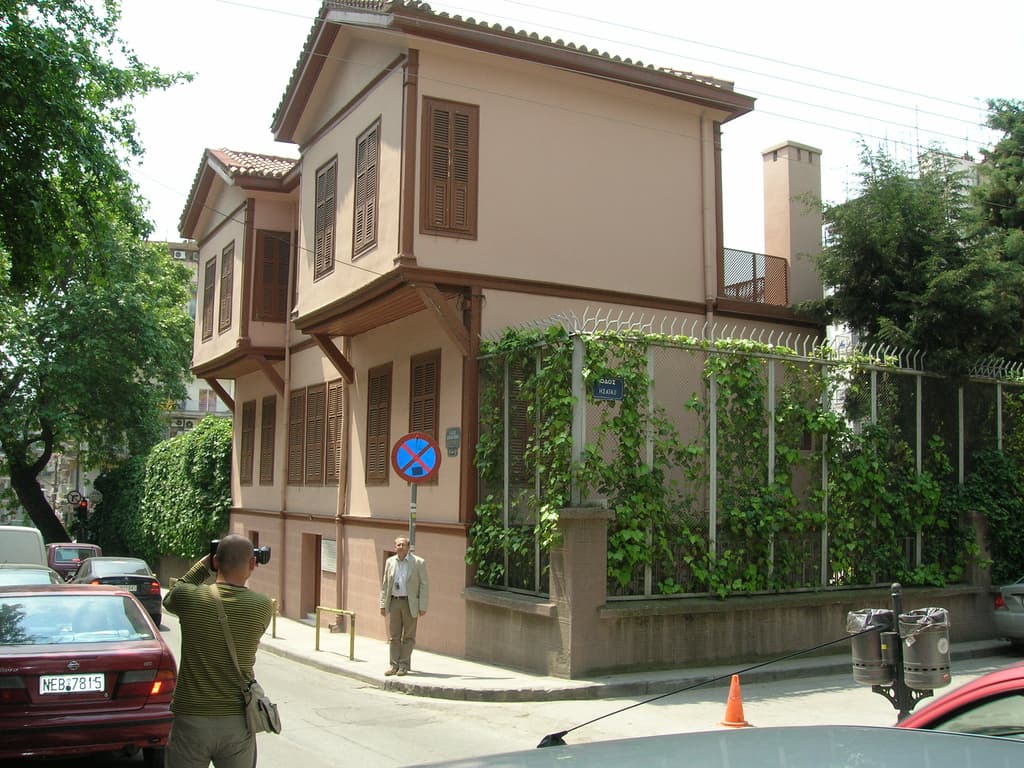 Atatürk Museum (his birthplace)A three-storey pink house in a quiet part of Thessaloniki, where **Mustafa Kemal8 minutes walk4.6
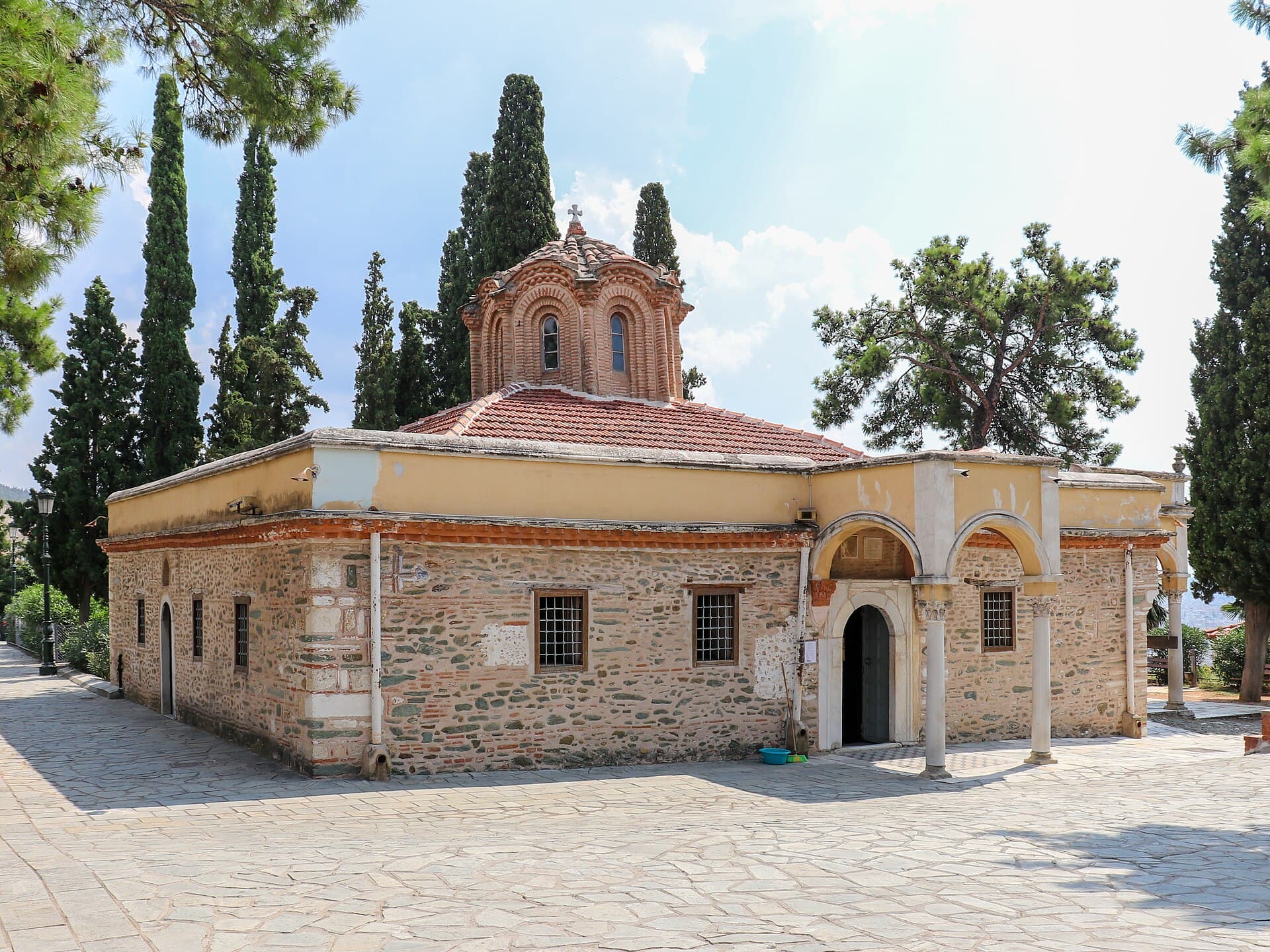 Vlatades MonasteryThe only Byzantine monastery still working in Thessaloniki, out of more than twe8 minutes walk4.8
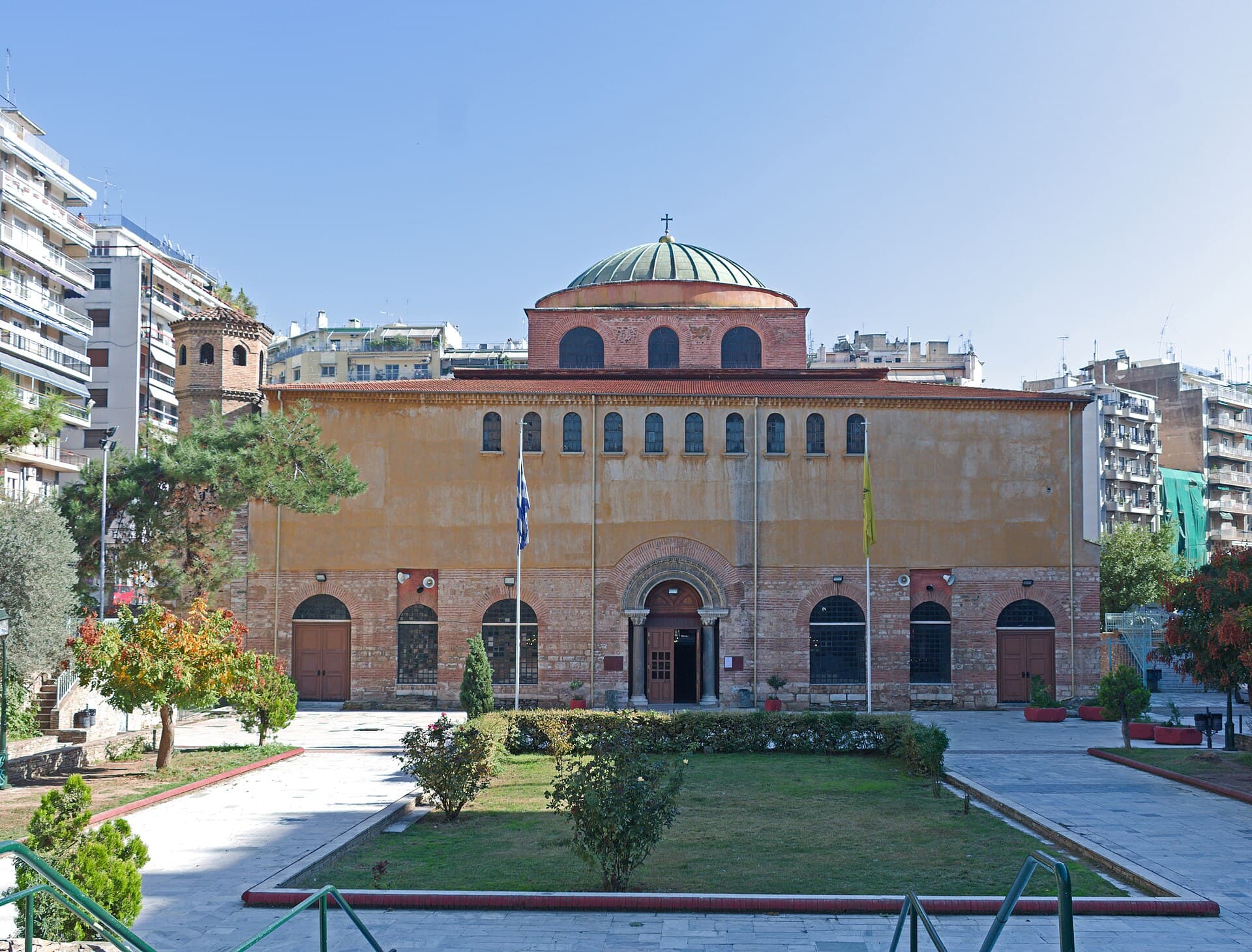 Hagia Sophia of ThessalonikiThessaloniki's Hagia Sophia is the greater sister's daughter: built (8th century8 minutes walk4.7
A young Roman officer, secretly Christian and teaching it, executed in the camp bath — the city then credited him its survival of every siege (Slav, Arab, Norman), making him Thessaloniki's protector and second name: half the city's men are practically called Dimitris.