
The dome openings
Shafts of light falling through glazed stars in the ceiling.
No machine-readable author provided. Marsyas assumed (based on copyright claims). — CC BY 2.5 · Joyofmuseums — CC BY-SA 4.0 · Ymblanter — CC BY-SA 4.0 · Ymblanter — CC BY-SA 4.0
It stands on the main **Egnatia** street in the middle of the city, and is the **oldest and largest Ottoman bath in Thessaloniki** — built by Sultan **Murad II** in **1444**, fourteen years after the city's capture. In Ottoman it was the Bey Hamam; Greeks later called it **Paradeisos**, the **Paradise Baths**, and it went on working as such until the mid twentieth century — meaning the people of Thessaloniki bathed here for five unbroken centuries. It is among the last survivals of the Ottoman city after the 1917 fire. Its plan is classical: separate men's and women's sections, a sequence of rooms graded from cold to hot, and domes pierced with star-shaped glazed openings through which shafts of light once fell into the steam — the loveliest thing about it, and it still works despite the absence of water. Beneath the floors runs the **hypocaust** heating system of hot channels, and some rooms keep remains of plaster decoration. ⚠ It is **not a working bath** today but a **cultural exhibition space** — there is no bathing.
Shafts of light falling through glazed stars in the ceiling.
Cold to hot, as in an Ottoman bath.
Hot-air channels beneath the floors.
Egnatia 138, 54622 Thessaloniki
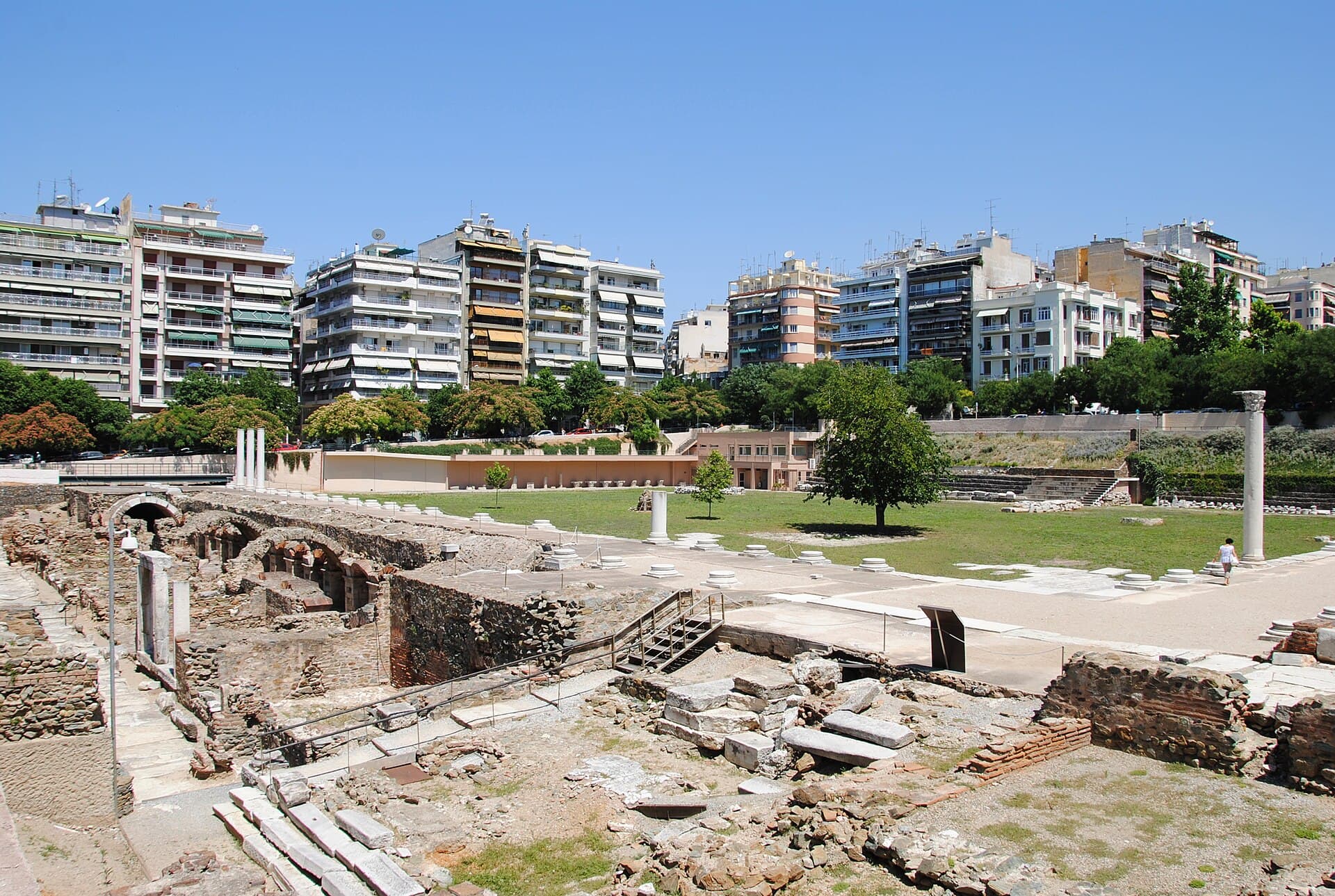 The Roman Forum (Ancient Agora)The Forum is Roman Thessaloniki's accidentally found heart: car-park excavations3 minutes walk4.5
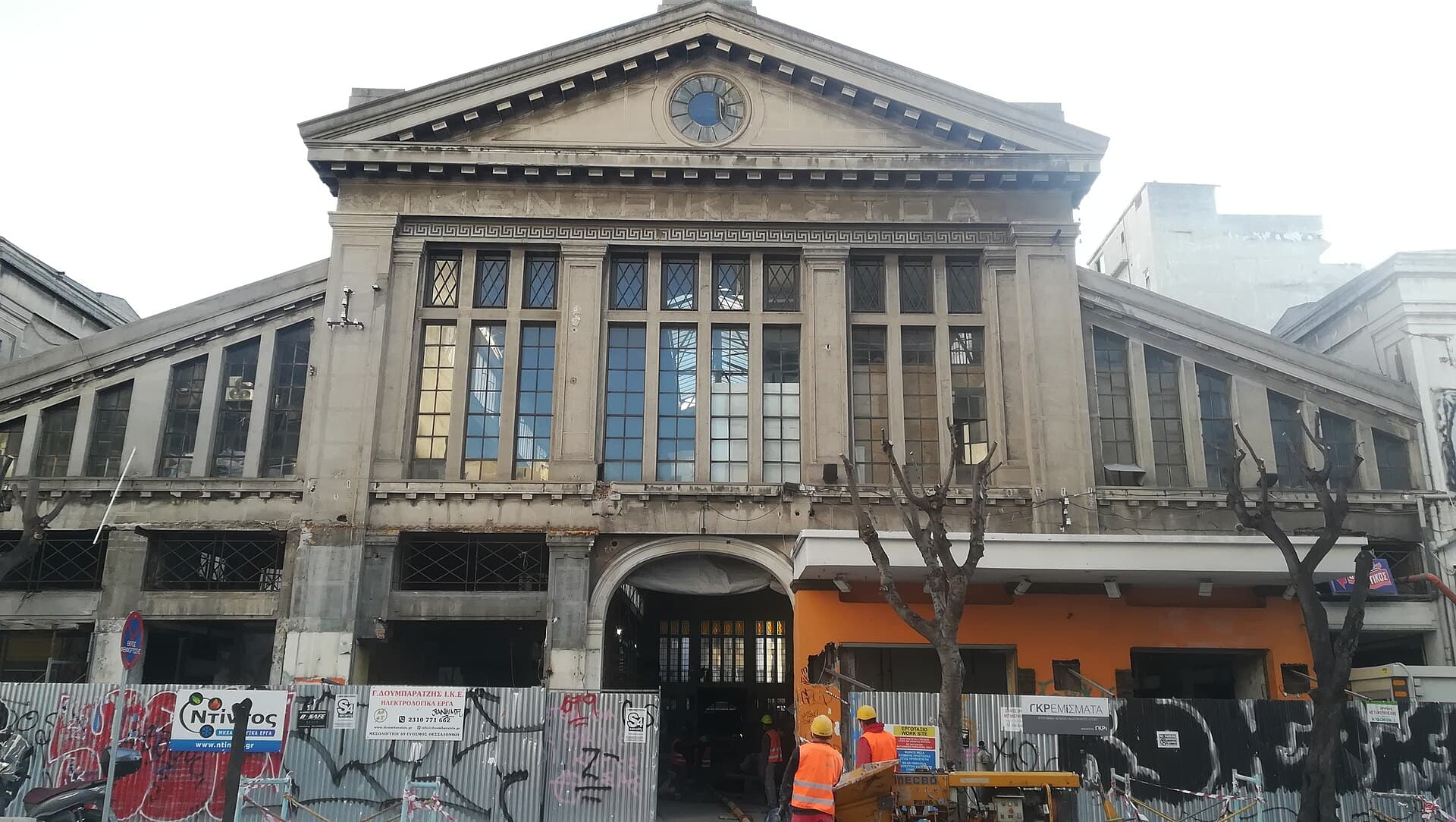 Modiano MarketA covered market in the middle of Thessaloniki under a long glass and steel roof4 minutes walk4.2
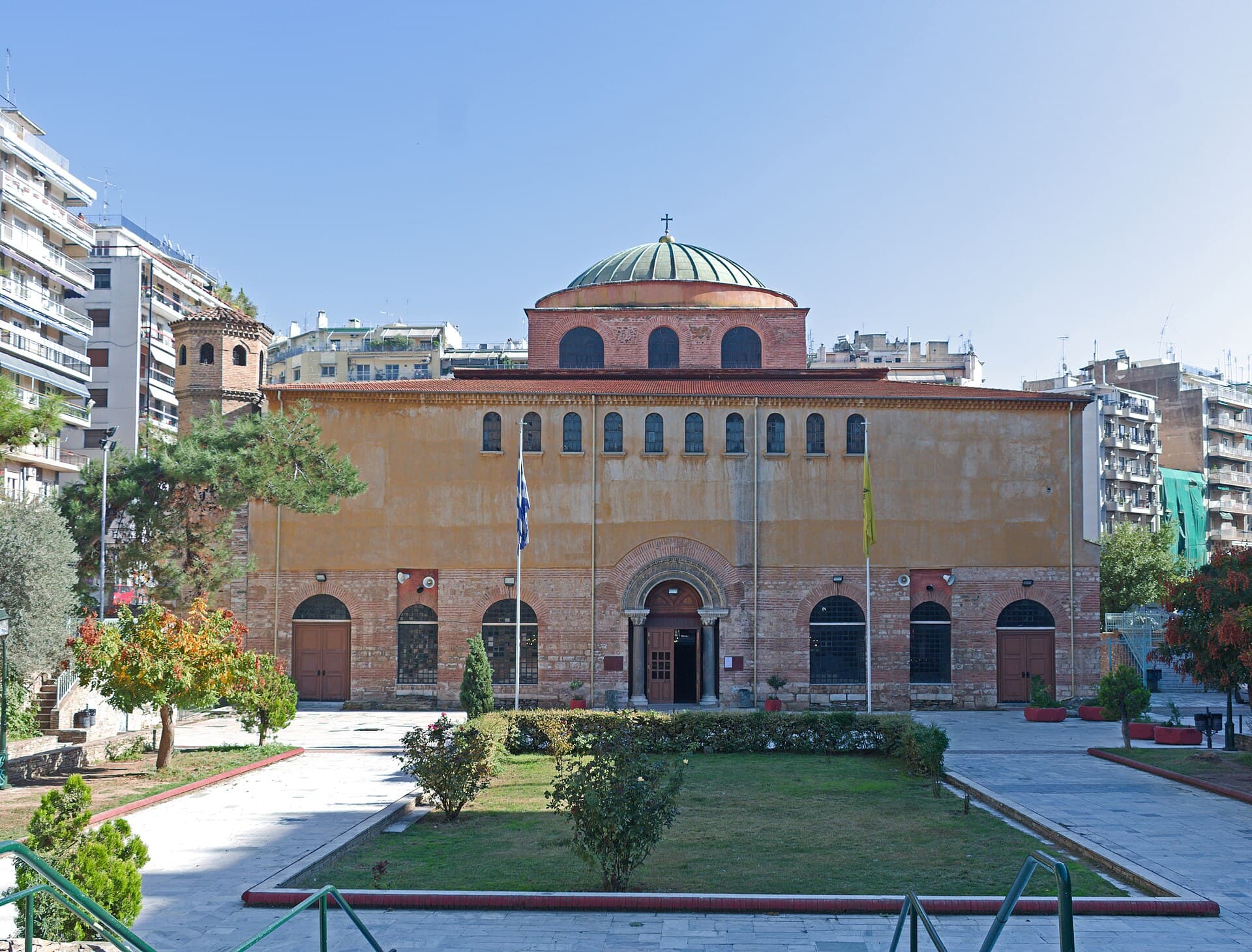 Hagia Sophia of ThessalonikiThessaloniki's Hagia Sophia is the greater sister's daughter: built (8th century4 minutes walk4.7
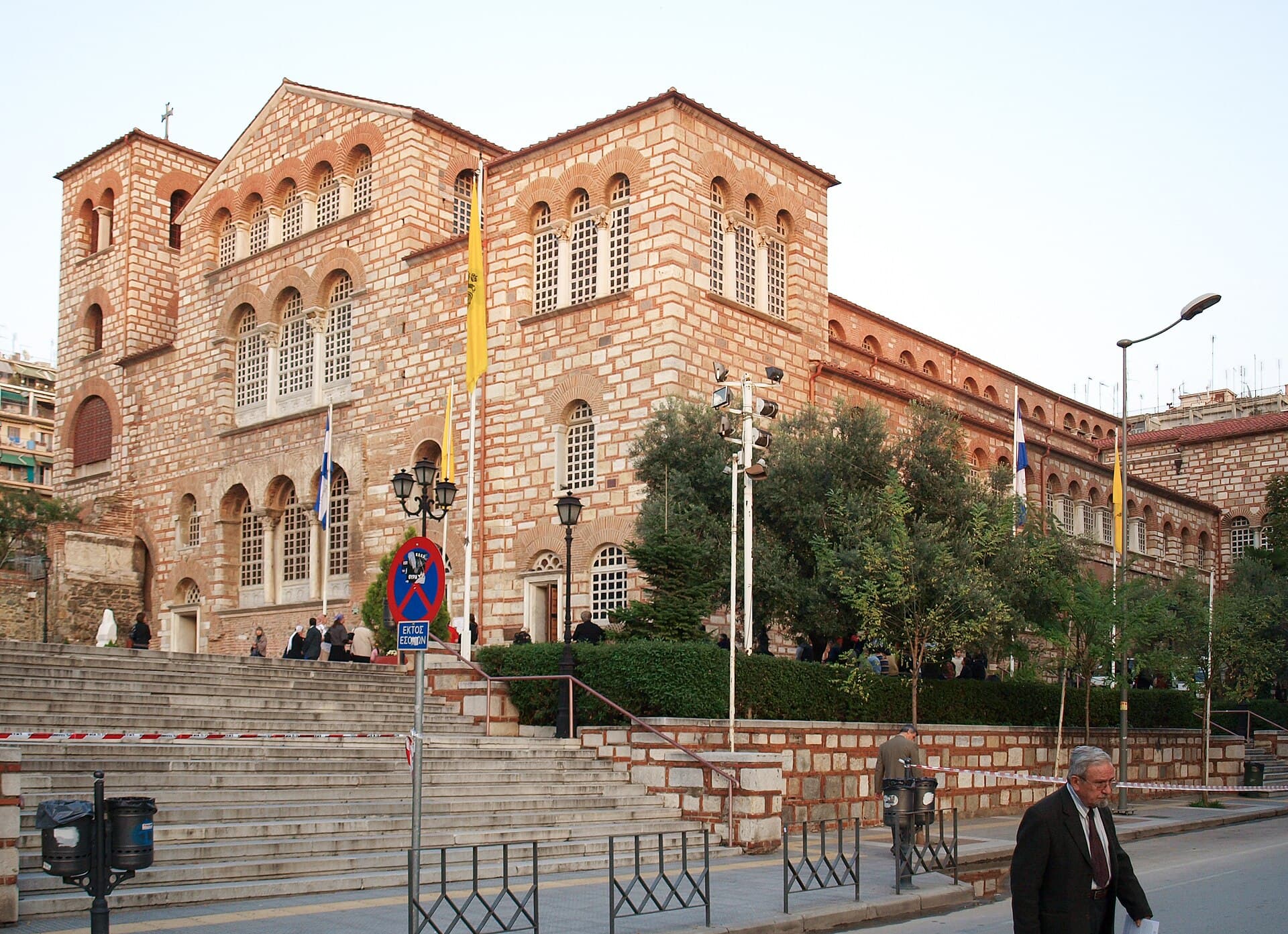 The Basilica of Saint Demetrius & its CryptAgios Dimitrios is the city's mother church: Greece's largest, over the grave of5 minutes walk4.8
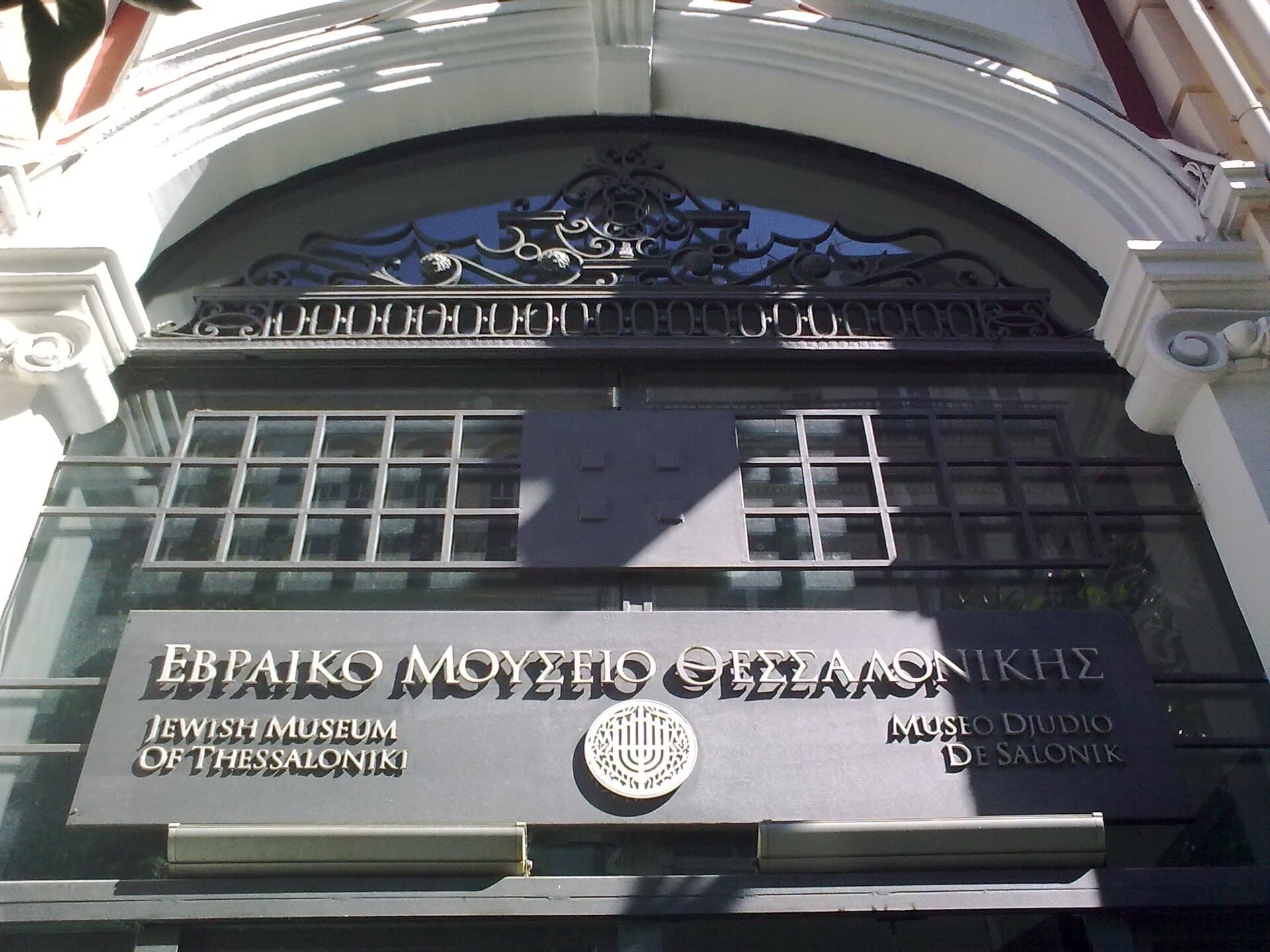 Jewish Museum of ThessalonikiThe museum that explains the most important and most absent layer in this city's6 minutes walk4.6
**No.** The Bey Hamam stopped working as a bath in the mid twentieth century and is today a **protected historic building** used as an exhibition and events space — no water, no steam, no services. What you see is the **architecture**: the domes, the light openings, the graded rooms and the underfloor heating. If you are looking for a genuine bath experience in Greece, it is very rare — almost all the surviving Ottoman baths have become archaeological sites or cultural venues.
Less than you would expect of a city the Ottomans ruled for **five centuries** (1430–1912), because of the 1917 fire and the replanning that followed. But what remains is worth tracing: this **Bey Hamam**, the covered **Bezesteni** bazaar, a **Jewish bath** near the Kapani market, the **Hamza Bey mosque** on Egnatia, **Atatürk's house** in the upper town, and the remains of **minarets** attached to Byzantine churches that became mosques and then churches again (the Rotunda among them). And the lanes of **Ano Poli** themselves, with their plan and their timber houses, are the clearest surviving fabric of the Ottoman city.