
Chávez Morado murals
Independence in colour.
Juan Carlos Fonseca Mata — CC BY-SA 4.0 · Oswaldo Ugarte — Public domain · Fernandomate1 — CC BY-SA 3.0 · ReyungCho — CC BY-SA 4.0
A massive stone grain store built from 1798 to 1809 in neoclassical style; its name, alhóndiga, comes from the Arabic word «funduq», which passed into Spanish as a grain store and market. Today it is Guanajuato's regional museum, and part of the town on UNESCO's list. The building saw the first major battle of Mexico's War of Independence, in September 1810, when the Spanish barricaded themselves inside and the rebel army of the priest Miguel Hidalgo stormed it after El Pípila set its door on fire. When the first uprising was crushed, its leaders' heads were hung on the building's corners for ten years, until Mexico won independence. Inside is a broad colonnaded courtyard and halls on the region's history from pre-Hispanic civilisations to independence. Its best-known feature is the murals by José Chávez Morado on the stairway walls, telling the story of independence and the mines in strong colours. The museum is closed on Mondays and opens shorter hours on Sundays. It is near the central market, so the two can be combined on one walk.
Independence in colour.
Broad neoclassical stone.
Where the war began.
Calle Mendizábal 6, central Guanajuato
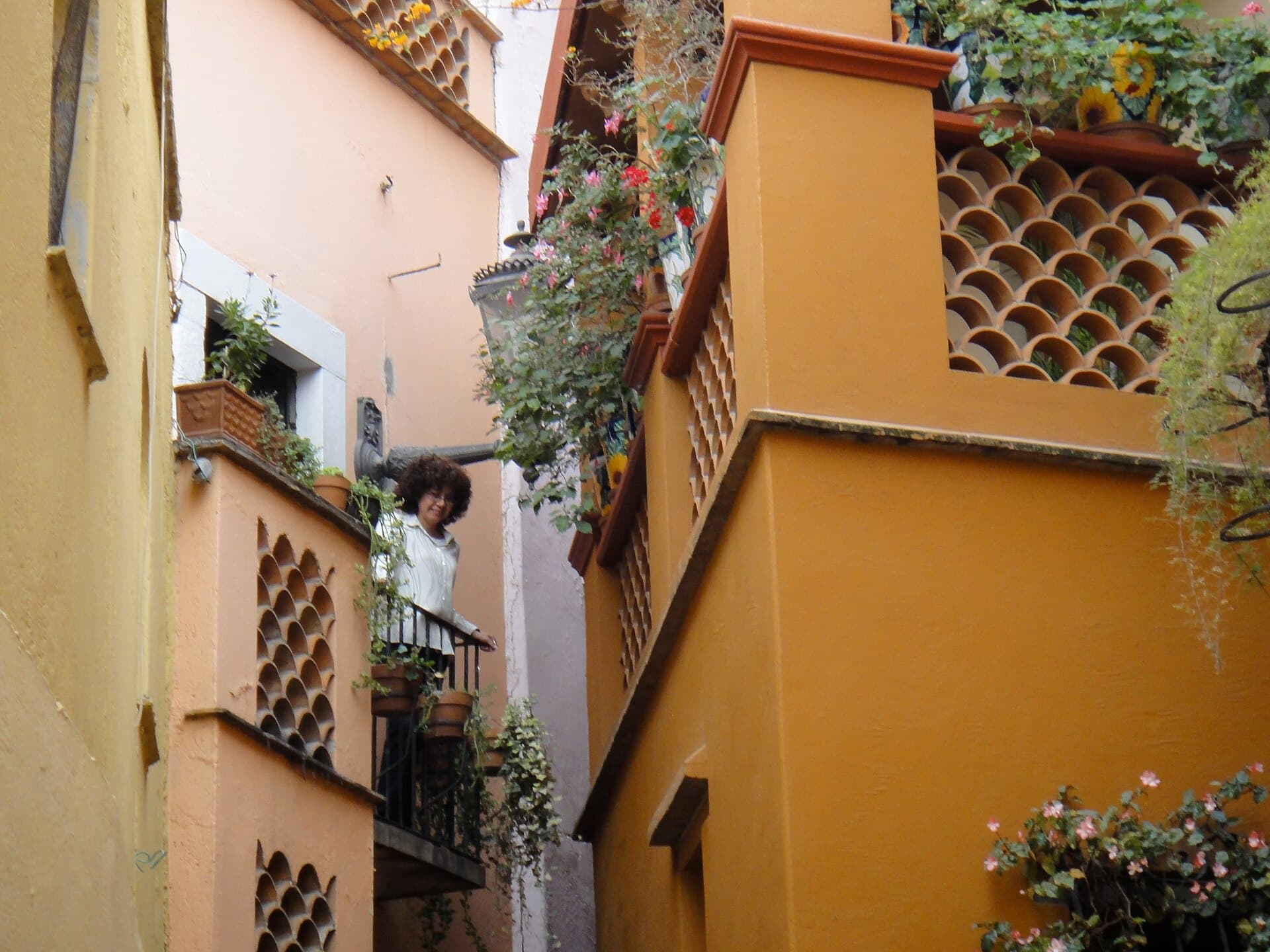 Callejón del Beso (Alley of the Kiss)A narrow, steep alley between tall houses whose facing first-floor balconies com4 minutes walk4.6
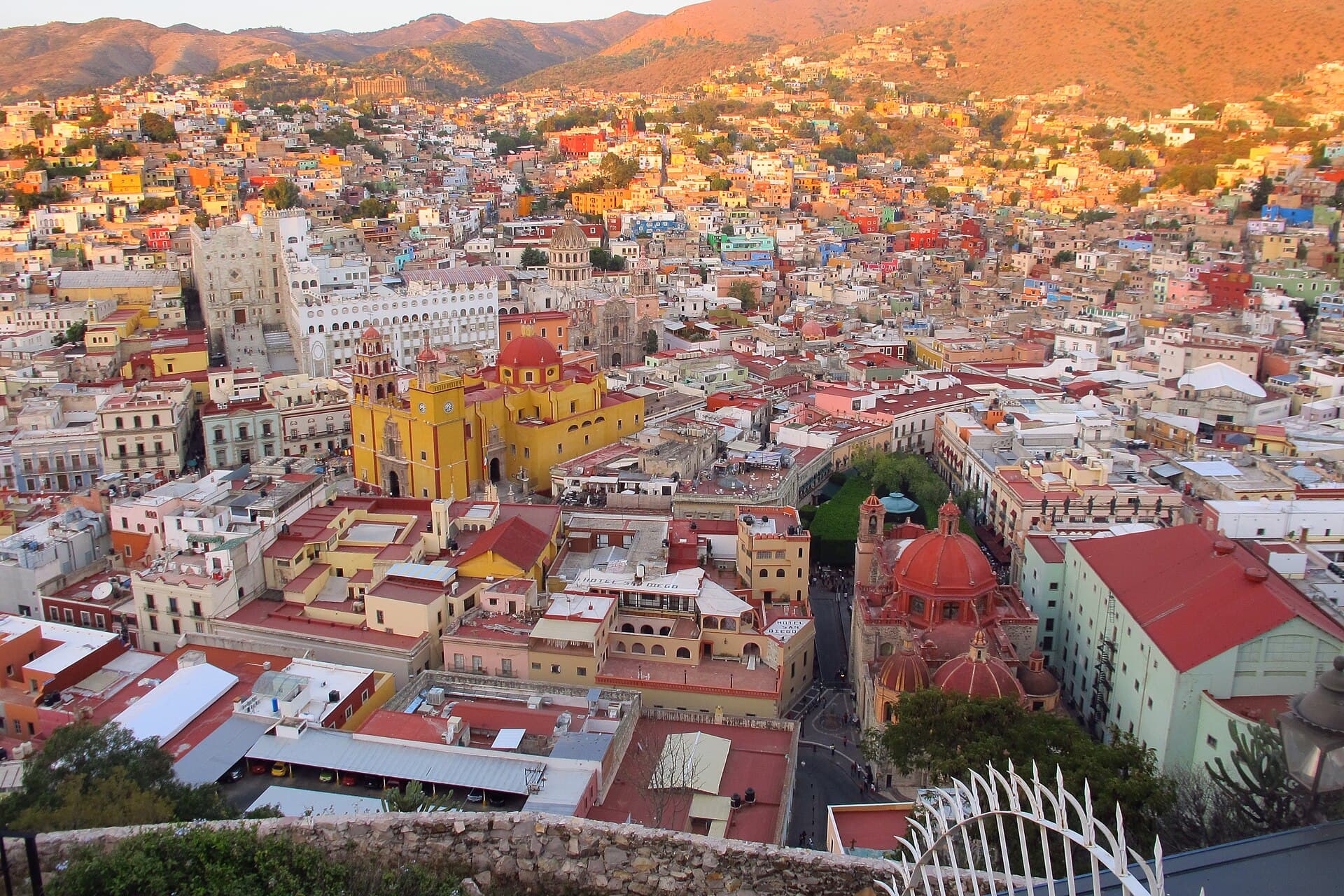 El Pípila Monument and ViewpointA massive stone statue on a hill above Guanajuato showing a miner raising a torc7 minutes walk4.8
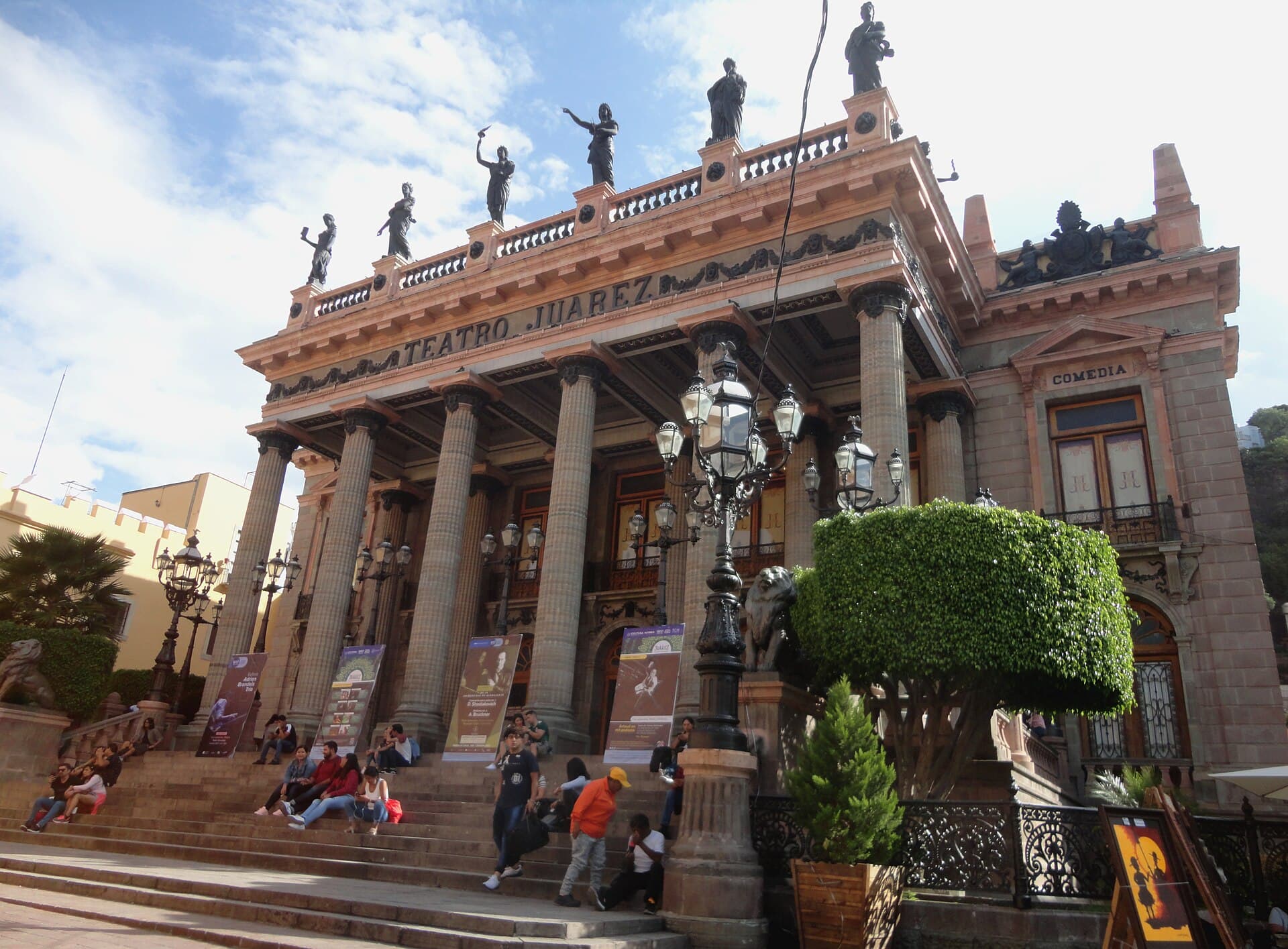 Teatro JuárezGuanajuato's most beautiful building, a 19th-century theatre with a neoclassical8 minutes walk4.7
A Spanish word from the Arabic «funduq», which came to mean a grain store and market. This building was the city's granary before it became a museum.