
Duerer's Self-Portrait
The most famous face in German painting.
AuHaidhausen — CC BY 4.0 · AuHaidhausen — CC BY 4.0 · AuHaidhausen — CC BY 4.0 · AuHaidhausen — CC BY 4.0
The Alte Pinakothek is a gallery of European painting from the fourteenth to the eighteenth century, and one of the oldest art museums in the world open to the public. King Ludwig I of Bavaria ordered it built to display what the Wittelsbach family had accumulated over three centuries; Leo von Klenze designed it and it opened in 1836. At the time it was the largest museum building anywhere, and cities across Europe copied its plan. The holdings are the reason to come: the largest Rubens collection in the world, Albrecht Duerer's Self-Portrait of 1500, in which he painted himself in the pose of Christ, and his Four Apostles. Albrecht Altdorfer's Battle of Alexander at Issus of 1529 hangs here, with its burning sky and armies counted in thousands of painted figures. There is also Leonardo's Madonna of the Carnation, and work by Raphael, Titian, Rembrandt and Murillo. The building itself carries a story. Bombing left it a punctured shell, and when the architect Hans Doellgast rebuilt it between 1952 and 1957 he refused to hide the wound: he closed the enormous gap in the south front with plain bare brick and no ornament, so the damage stays legible across Klenze's elegant facade. The galleries are wide and quiet, a serious visit needs at least two hours, and on Sundays entry is one euro.
The most famous face in German painting.
A burning sky over two uncountable armies.
Barer Strasse 27, 80333 Munich
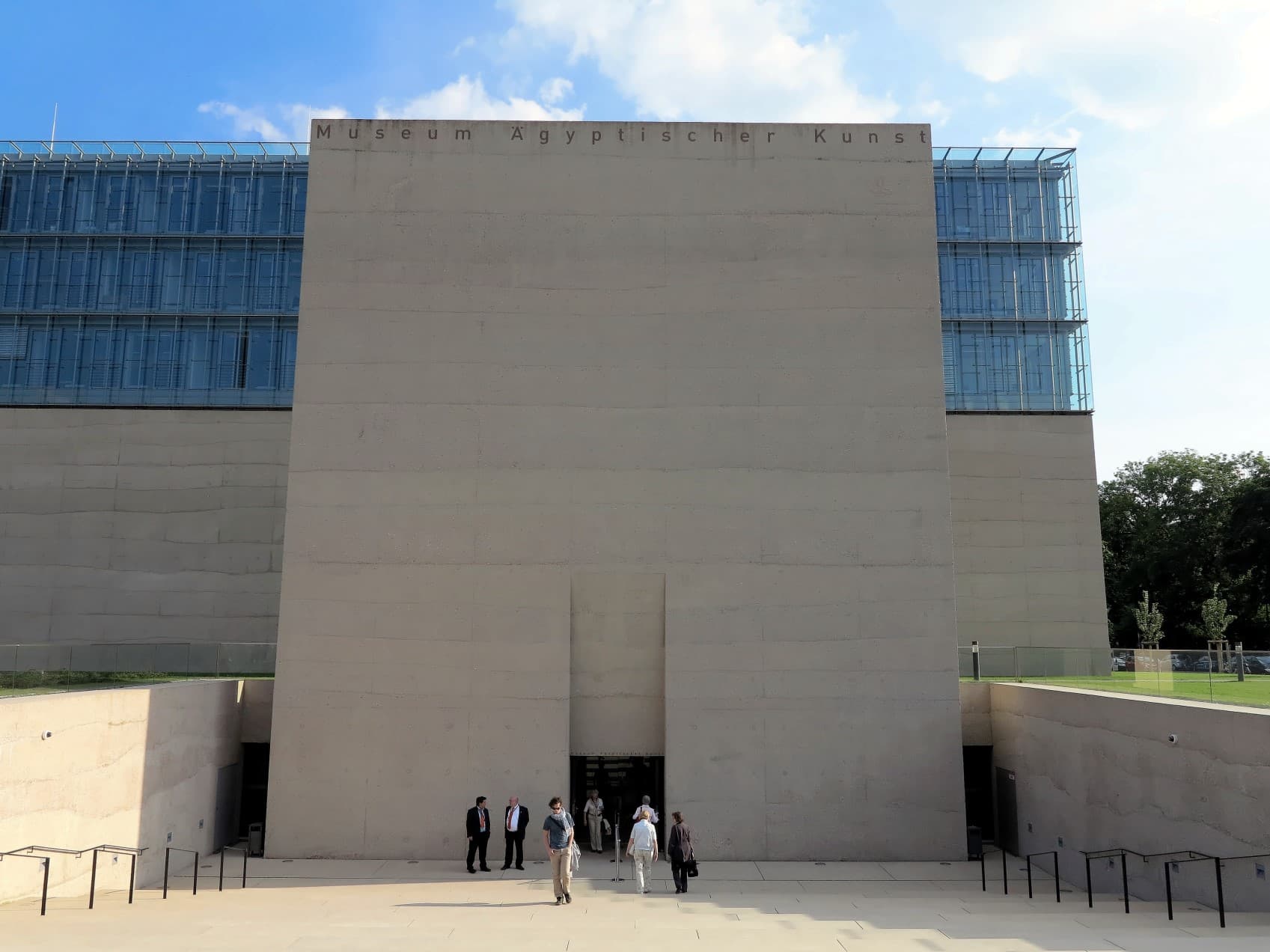 Egyptian Museum MunichMunich's museum of ancient Egyptian art is built entirely underground — you desc2 minutes walk4.5
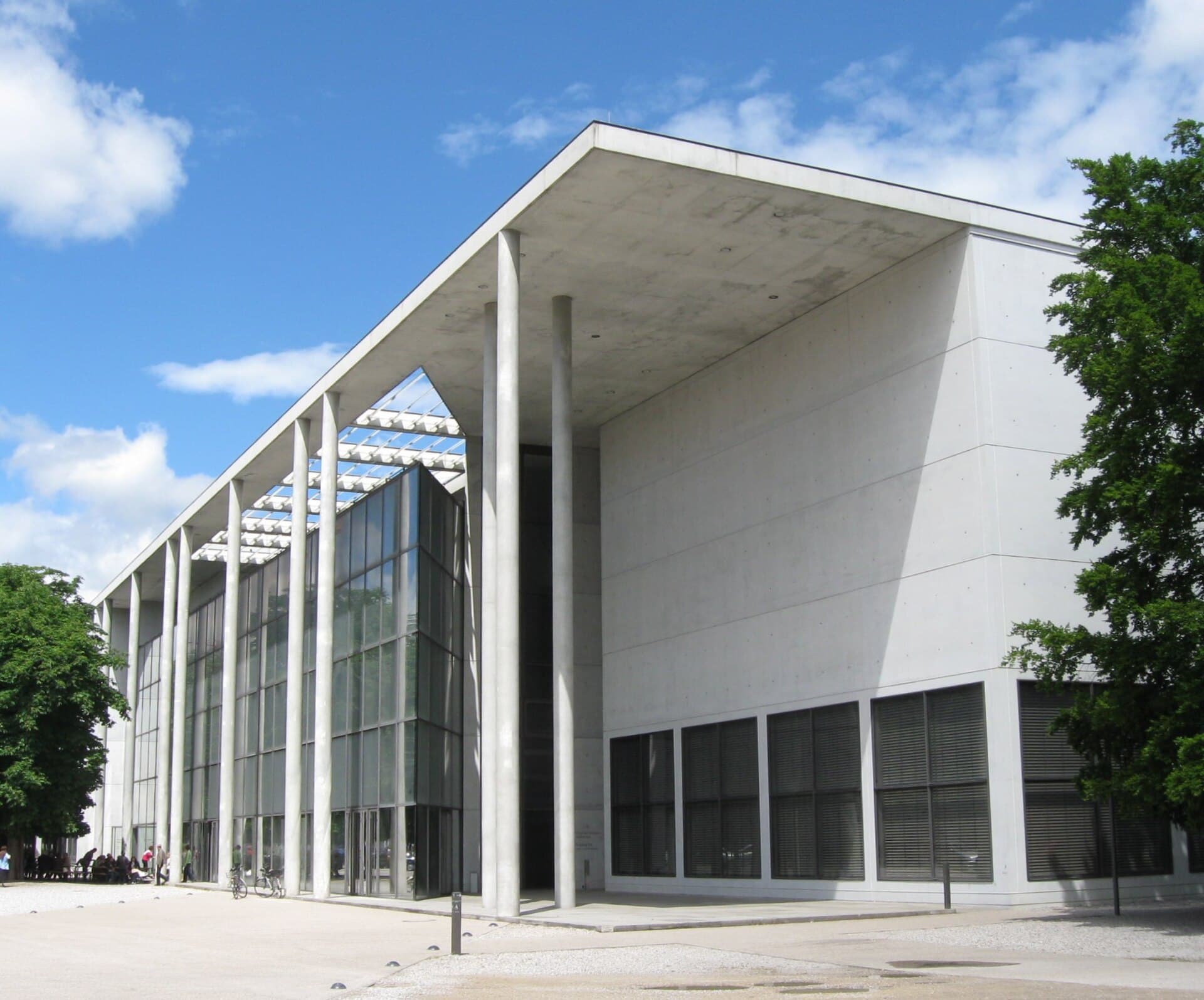 Pinakothek der ModerneThe Pinakothek der Moderne is not one museum but four under a single roof: the s3 minutes walk4.6
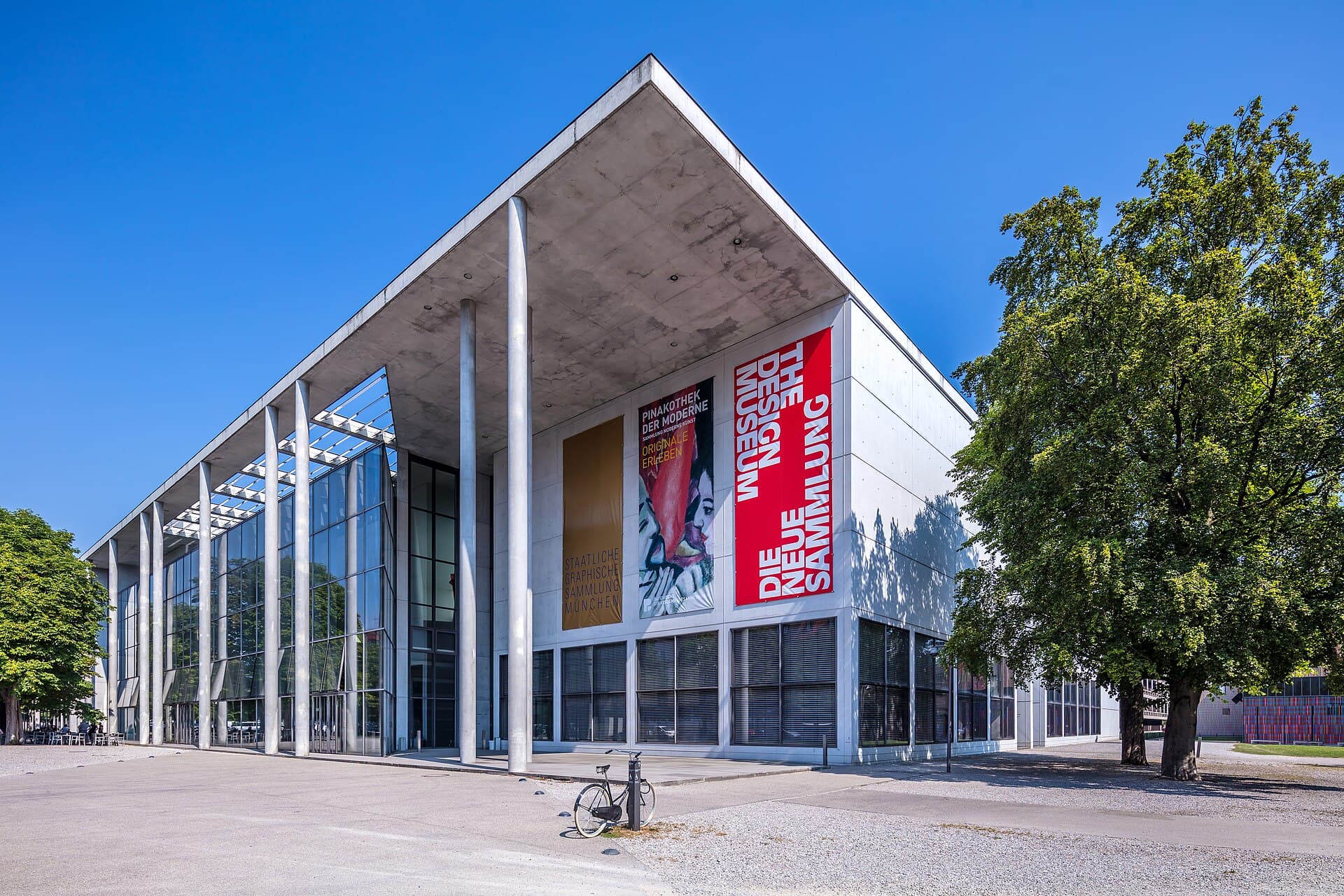 Die Neue SammlungDie Neue Sammlung is the oldest design museum in the world: founded in 1907, whe3 minutes walk4.6
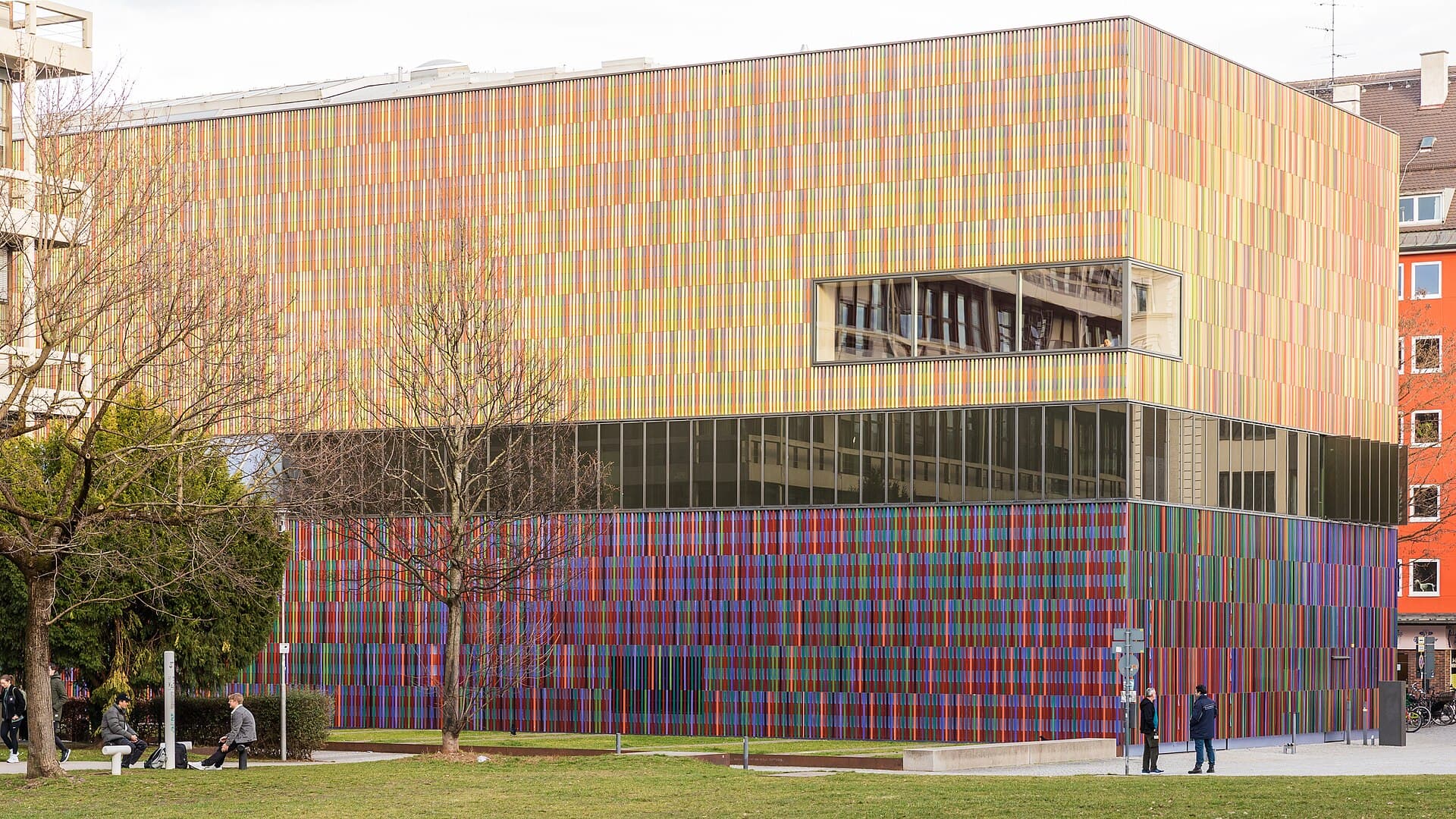 Museum BrandhorstMuseum Brandhorst is the newest of the museums in Munich's Kunstareal, opened in4 minutes walk4.3
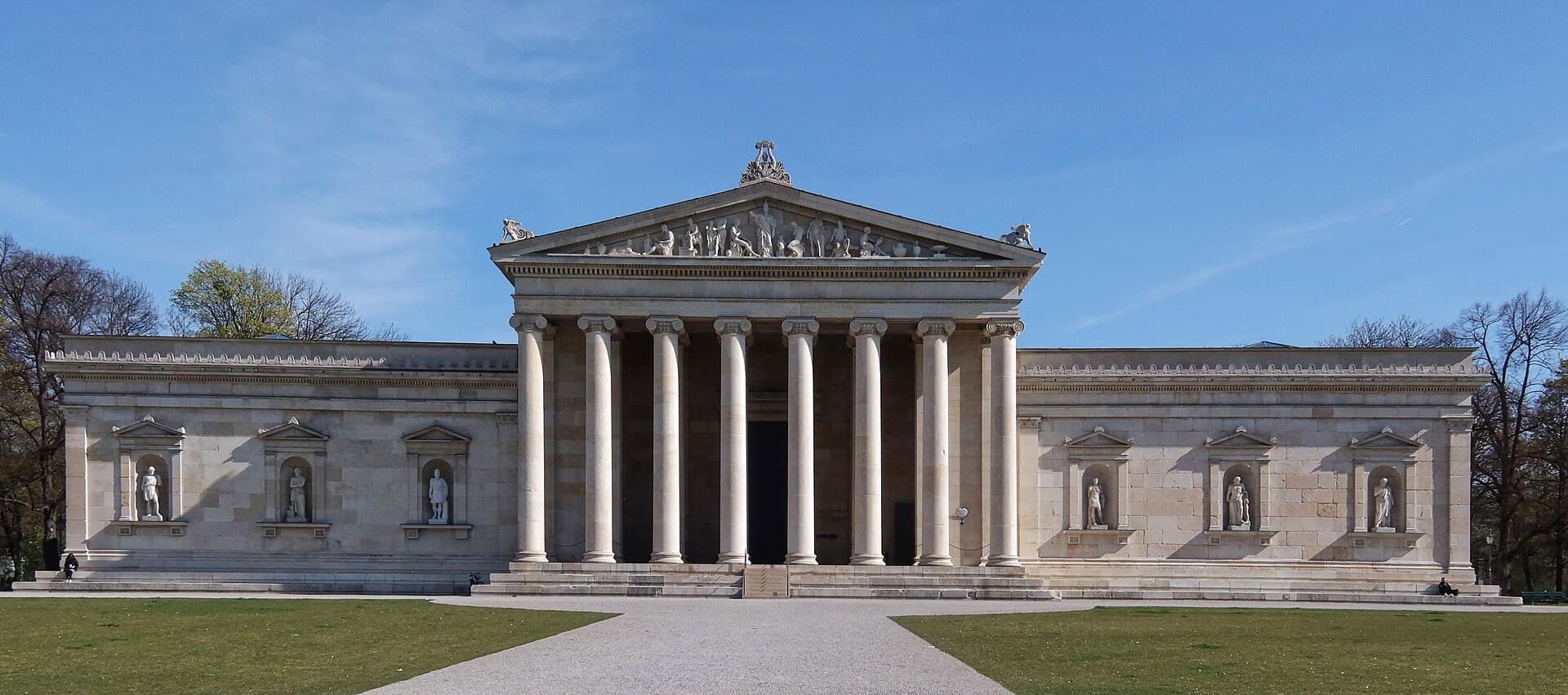 GlyptothekThe Glyptothek is Munich's oldest public museum, built by King Ludwig I and open5 minutes walk4.8
Because in 1952 the architect Hans Doellgast decided not to falsify history. The building had been shattered by bombing, and he could have copied Klenze's original facade stone for stone. Instead he filled the gap with simple brick of a deliberately different colour so that the site of the wound stays visible. It became one of Germany's most cited examples of honest postwar reconstruction.