
The Barberini Faun
A sleeping figure from the third century BC — among the world's masterpieces of Hellenistic sculpture.
Burkhard Mücke — CC BY-SA 4.0 · Flocci Nivis — CC BY 4.0 · High Contrast — CC BY 3.0 de · Christoph Braun — CC0
The Glyptothek is Munich's oldest public museum, built by King Ludwig I and opened in 1830 for his collection of ancient Greek and Roman sculpture. It remains one of the few museums in the world devoted to ancient sculpture alone. The building is part of the idea: a classical temple with Ionic columns on Königsplatz, the square Ludwig wanted as an "Athens on the Isar". Its brick-vaulted halls show the statues in natural light, and the result is one of the calmest, most beautiful exhibition spaces in the city. The most famous piece is the Barberini Faun, a sleeping figure from the third century BC counted among the masterpieces of Hellenistic sculpture, alongside the pediment figures from the temple of Aphaia on the Greek island of Aegina.
A sleeping figure from the third century BC — among the world's masterpieces of Hellenistic sculpture.
The pediment figures of the temple of Aphaia, bought by Ludwig I to a storm of attention in their day.
Bare brick vaults and natural light — one of Munich's finest exhibition spaces.
Königsplatz 3, 80333 Munich
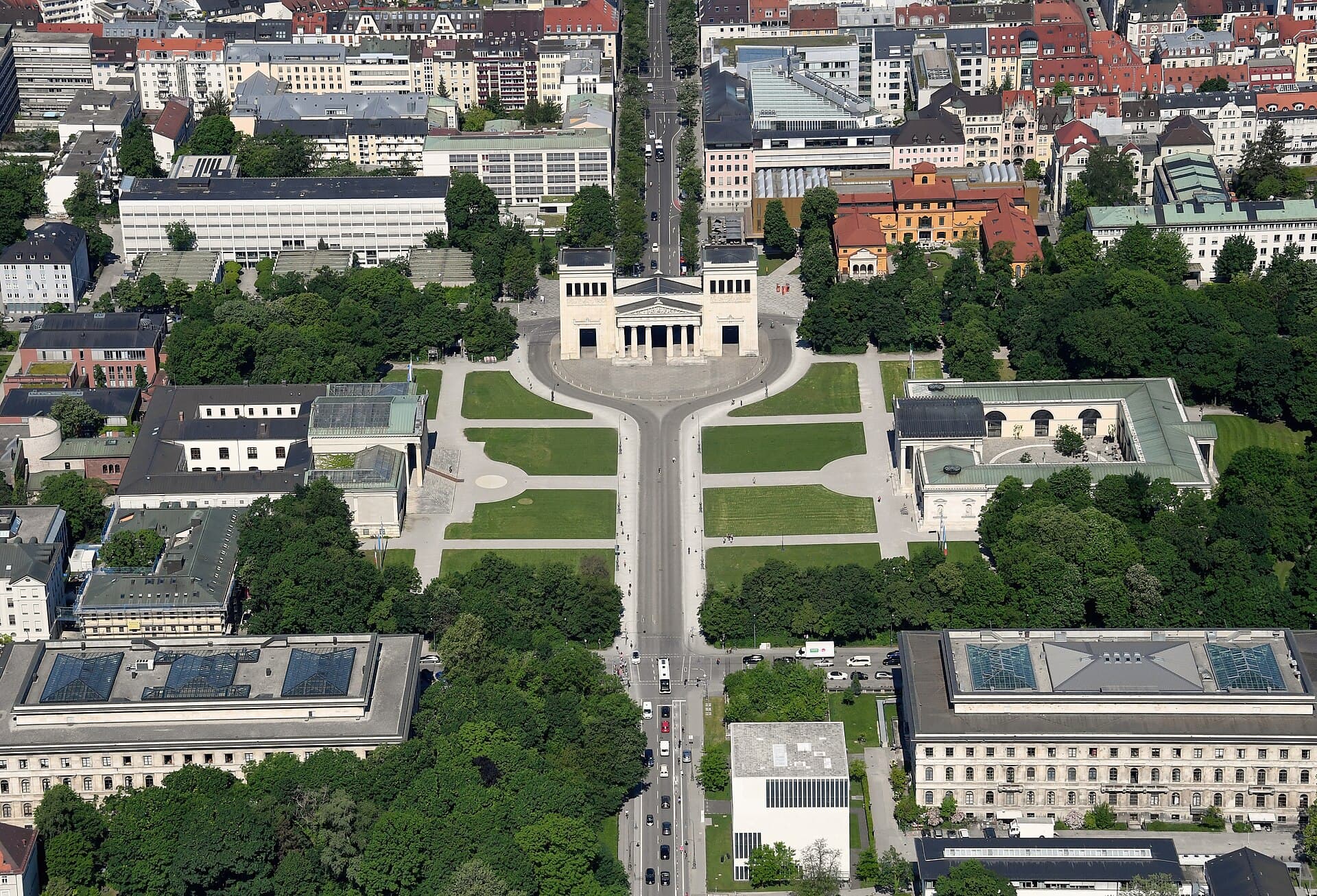 KönigsplatzKönigsplatz is a large open square in Munich, built in the nineteenth century in1 minute walk4.5
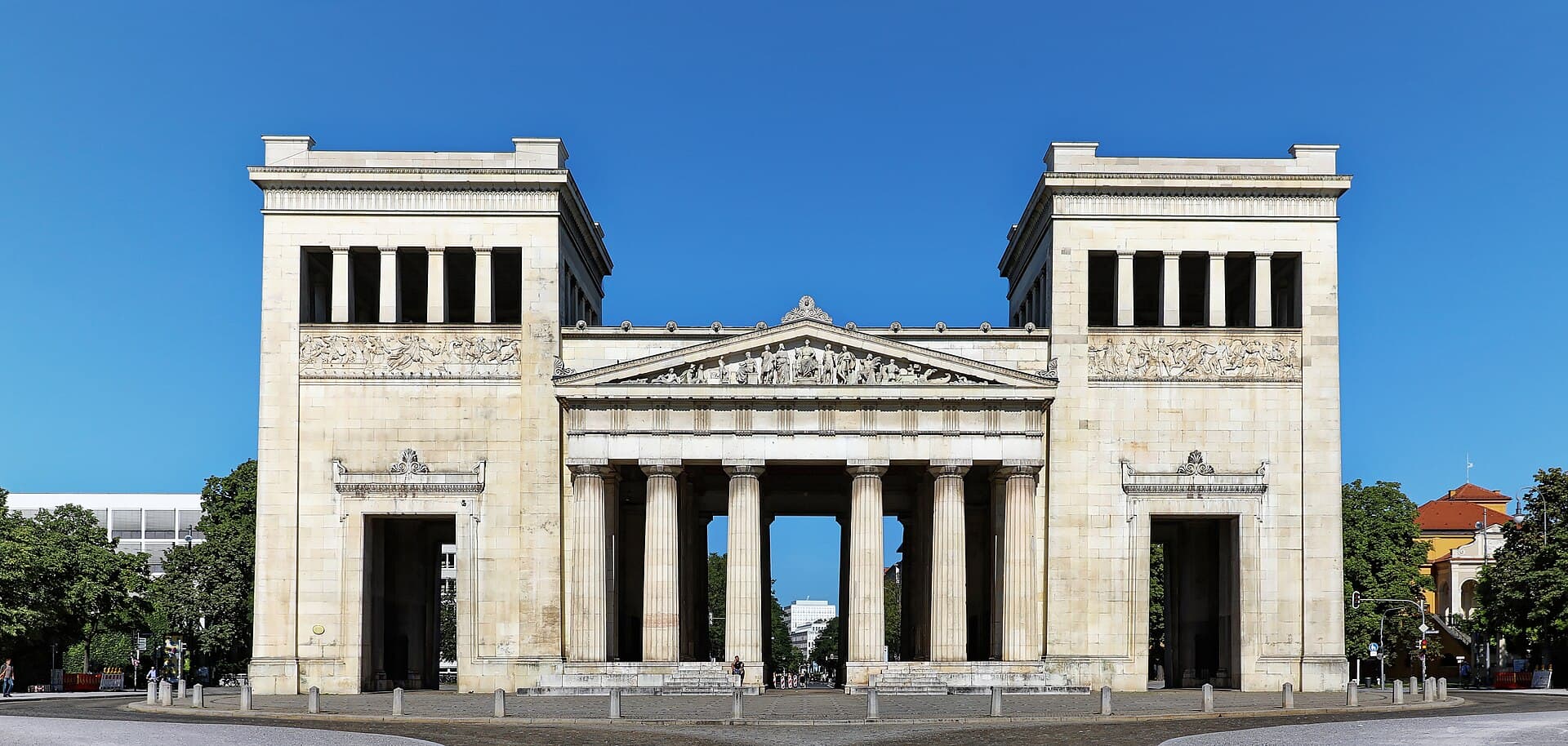 PropylaeaThe Propylaea is a massive Doric gateway closing the western end of Koenigsplatz2 minutes walk4.8
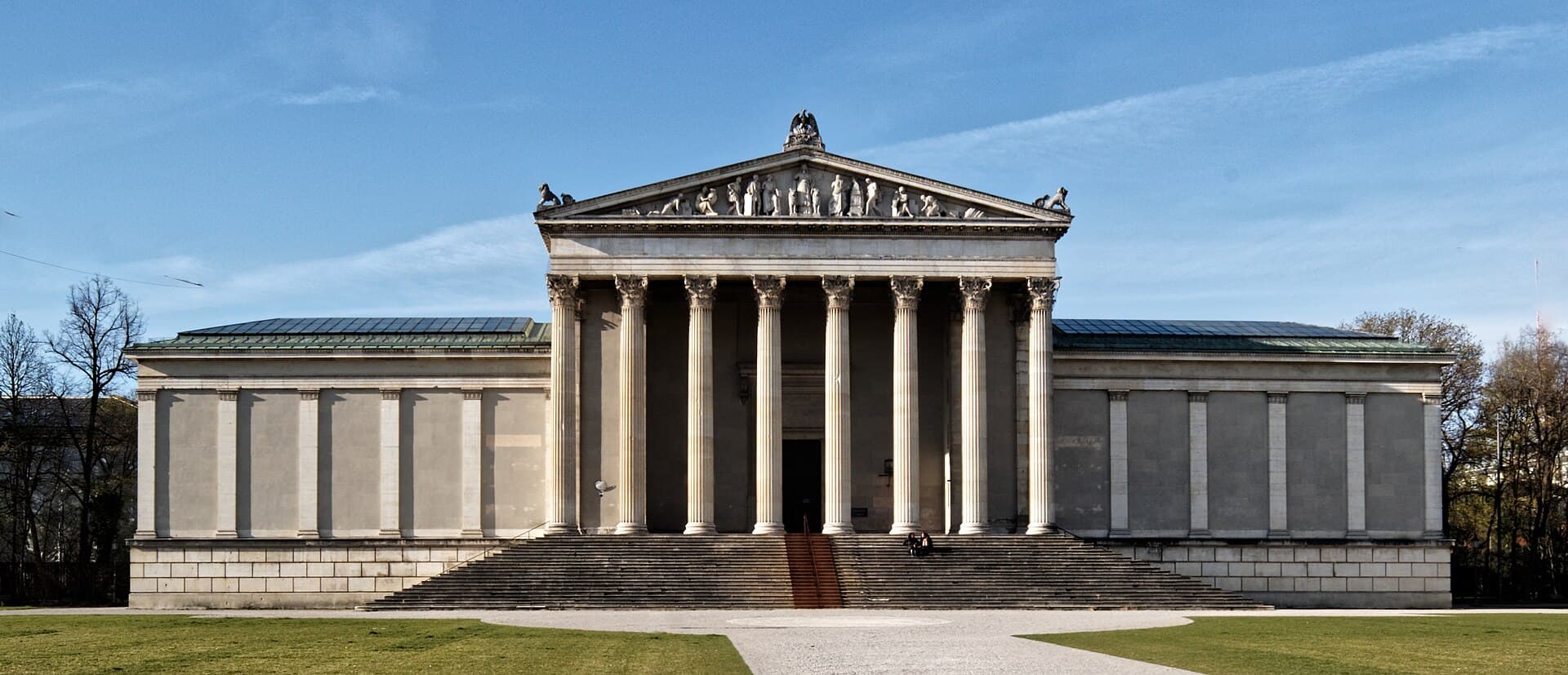 Staatliche AntikensammlungenOn the south side of Koenigsplatz stands a Corinthian-columned building put up b2 minutes walk4.3
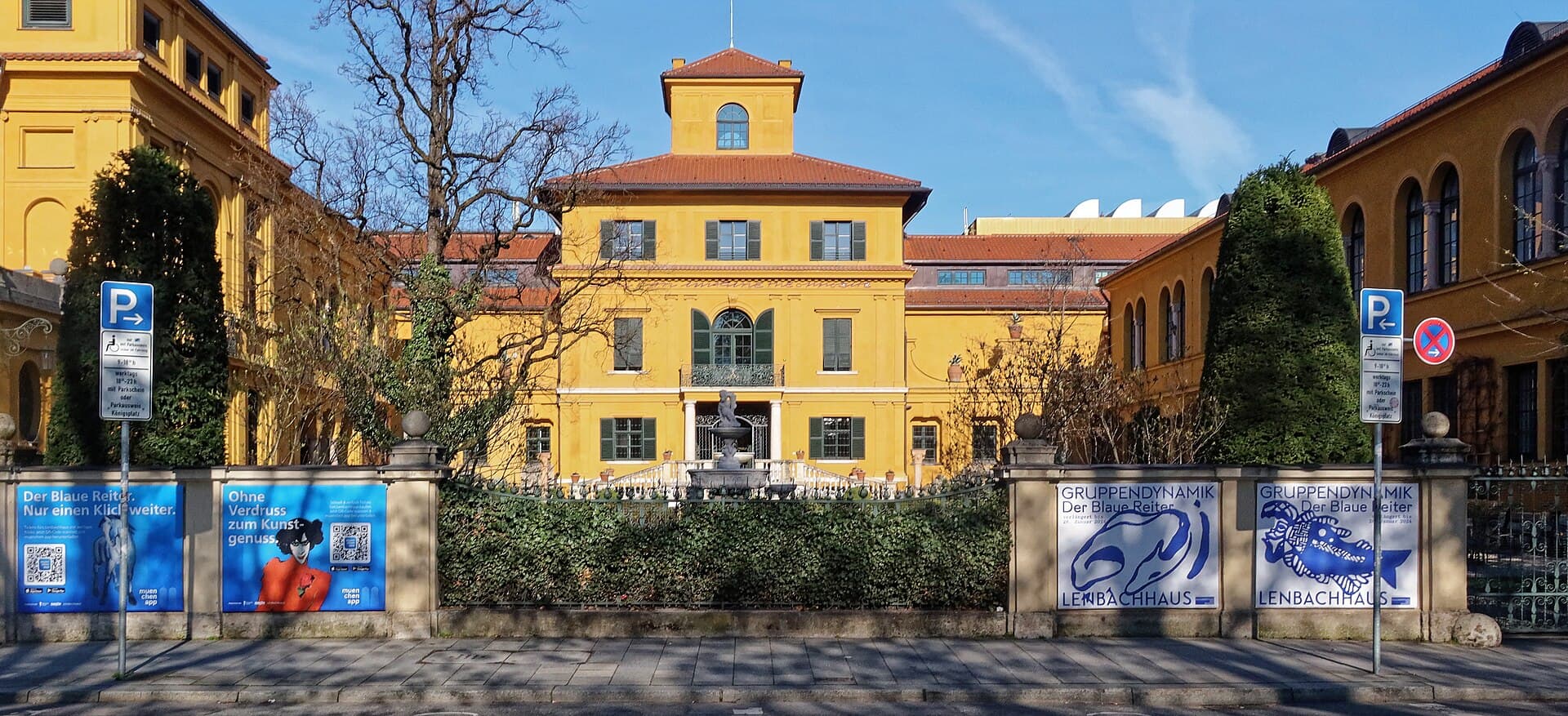 LenbachhausThe Lenbachhaus is a nineteenth-century artist's villa with an Italian garden, e2 minutes walk4.6
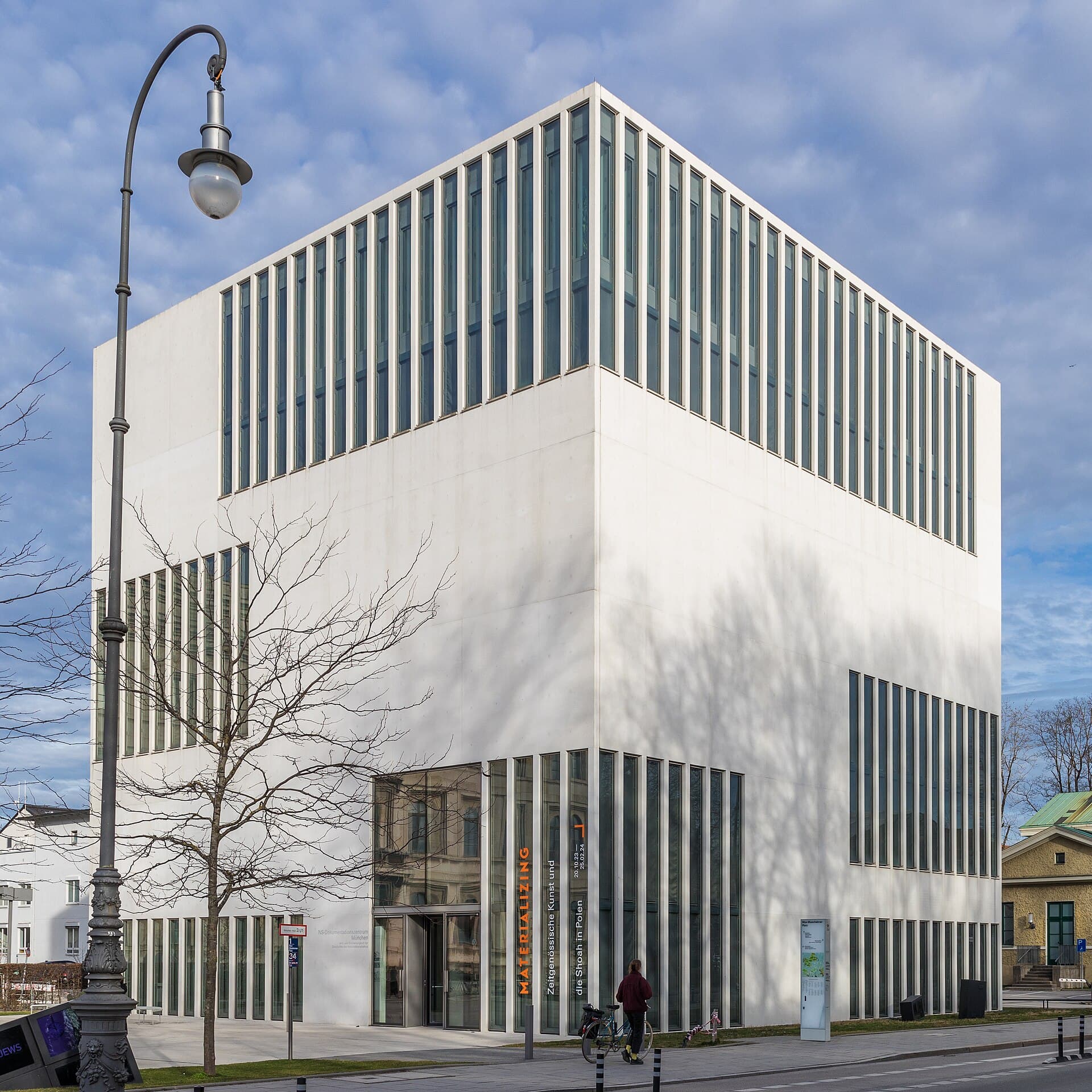 Munich Documentation Centre for the History of National SocialismA stark white cube standing deliberately on the most charged ground there is: th2 minutes walk4.8
Yes, if you like calm, beautiful places: the museum is small and focused, and the building and light show the sculpture as it should be seen. If big museums exhaust you, this is their opposite — one complete hour.
Munich clusters its art museums in one district: the Glyptothek for ancient sculpture, the antiquities collection opposite for smaller Greek objects, and the three Pinakothek galleries minutes away for paintings from the Middle Ages to modern art. Each has its lane.
Königsplatz U-Bahn station is directly beneath the square, on the U2. From Marienplatz it is about ten minutes by U-Bahn or fifteen on foot along Brienner Strasse.