
The stone cellars
Eighteenth century, holding the wine museum and its presses.
Wizzard — Public domain · Mišino Čech — CC BY-SA 4.0 · User:Karl Gruber — CC BY-SA 3.0 at · Wizzard — Public domain
A rococo palace of 1762 on the edge of the Main Square, built by Count **György Apponyi**, and today holding two entirely different museums under one roof. In the **cellars and ground floor**: the museum of viticulture and wine in Slovakia. The subject is broader than it sounds — vine growing around Bratislava goes back to the **Romans**, who brought vines to this bank of the Danube in the third century, and continued through the Middle Ages when the city lived on the wine trade. On show are tools, presses and guild documents, and the stone cellars themselves are eighteenth century. On the **two upper floors**: fully furnished noble rooms of the eighteenth and nineteenth centuries — reception halls, a library and dining rooms reassembled as they were, and the best demonstration of how the city's nobility actually lived. Note: it is **part of the Bratislava City Museum**, and a combined ticket covering the adjoining Old Town Hall is much better value.
Eighteenth century, holding the wine museum and its presses.
Fully furnished as they were, on the two upper floors.
Records of the wine trade the city lived on.
Radničná 1, Old Town, Bratislava
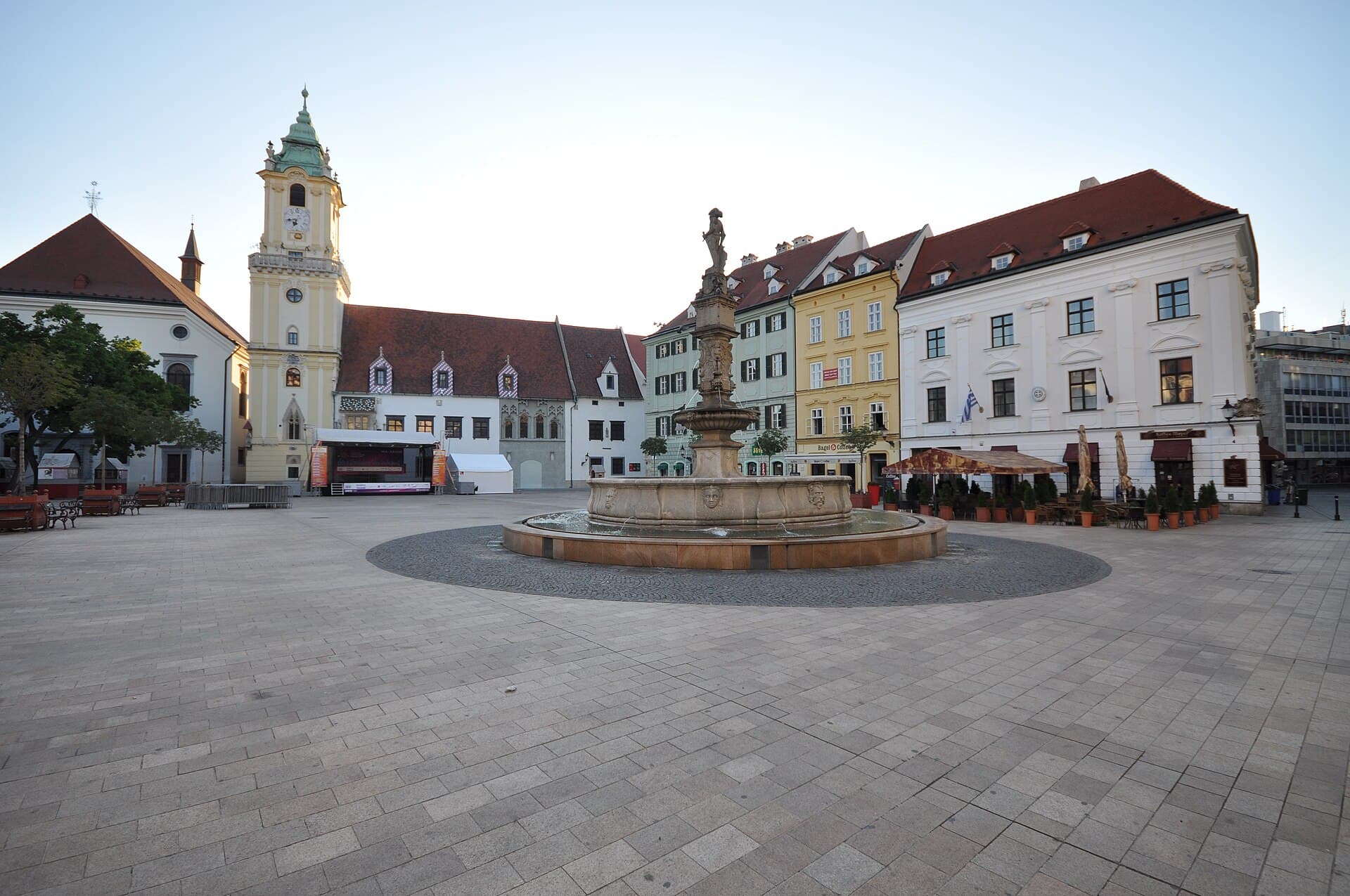 The Main SquareThe heart of the old town since the thirteenth century, and smaller than visitor1 minute walk4.8
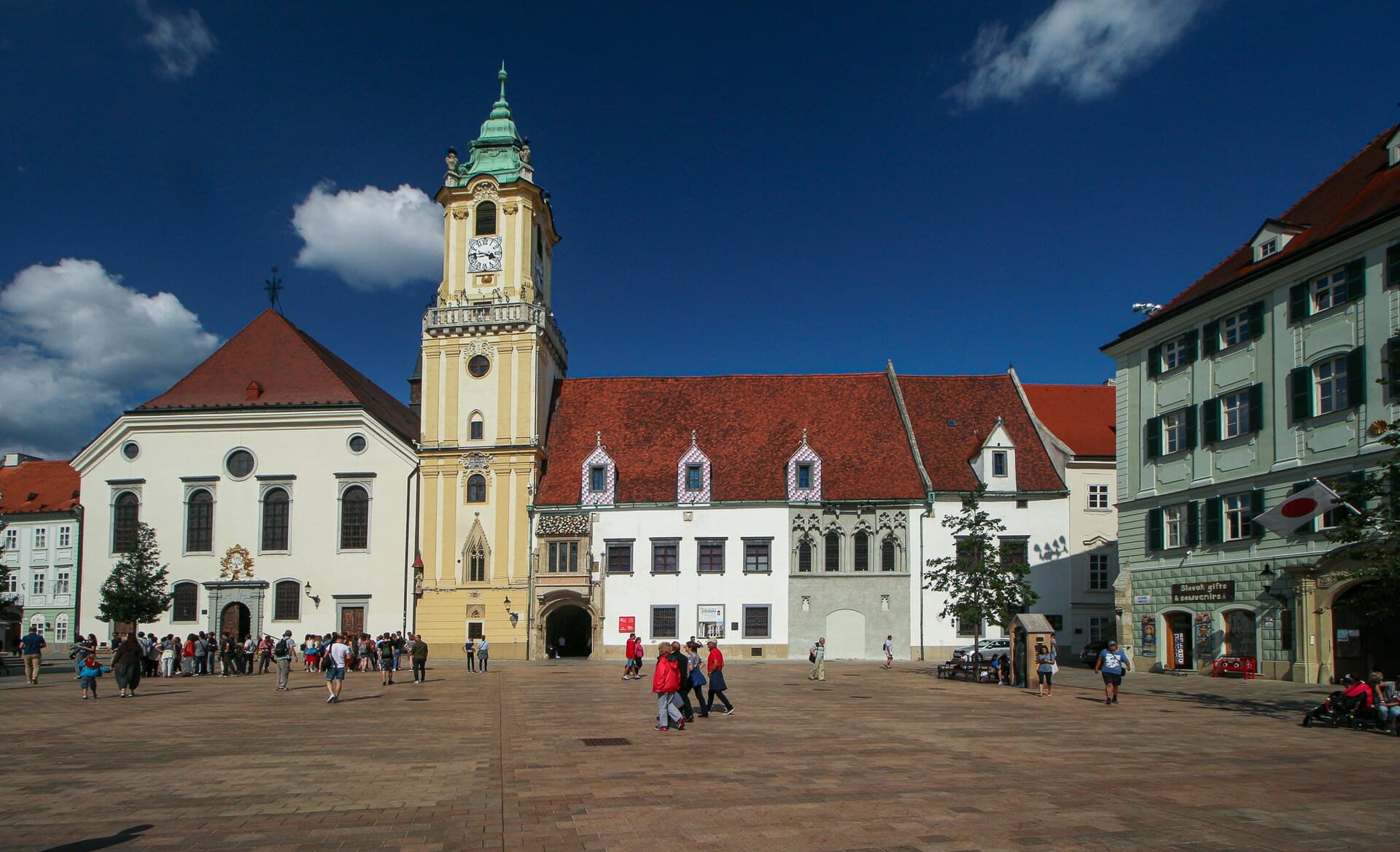 Old Town Hall and Main SquareSlovakia's oldest town hall: a group of houses fused over the centuries into one1 minute walk4.5
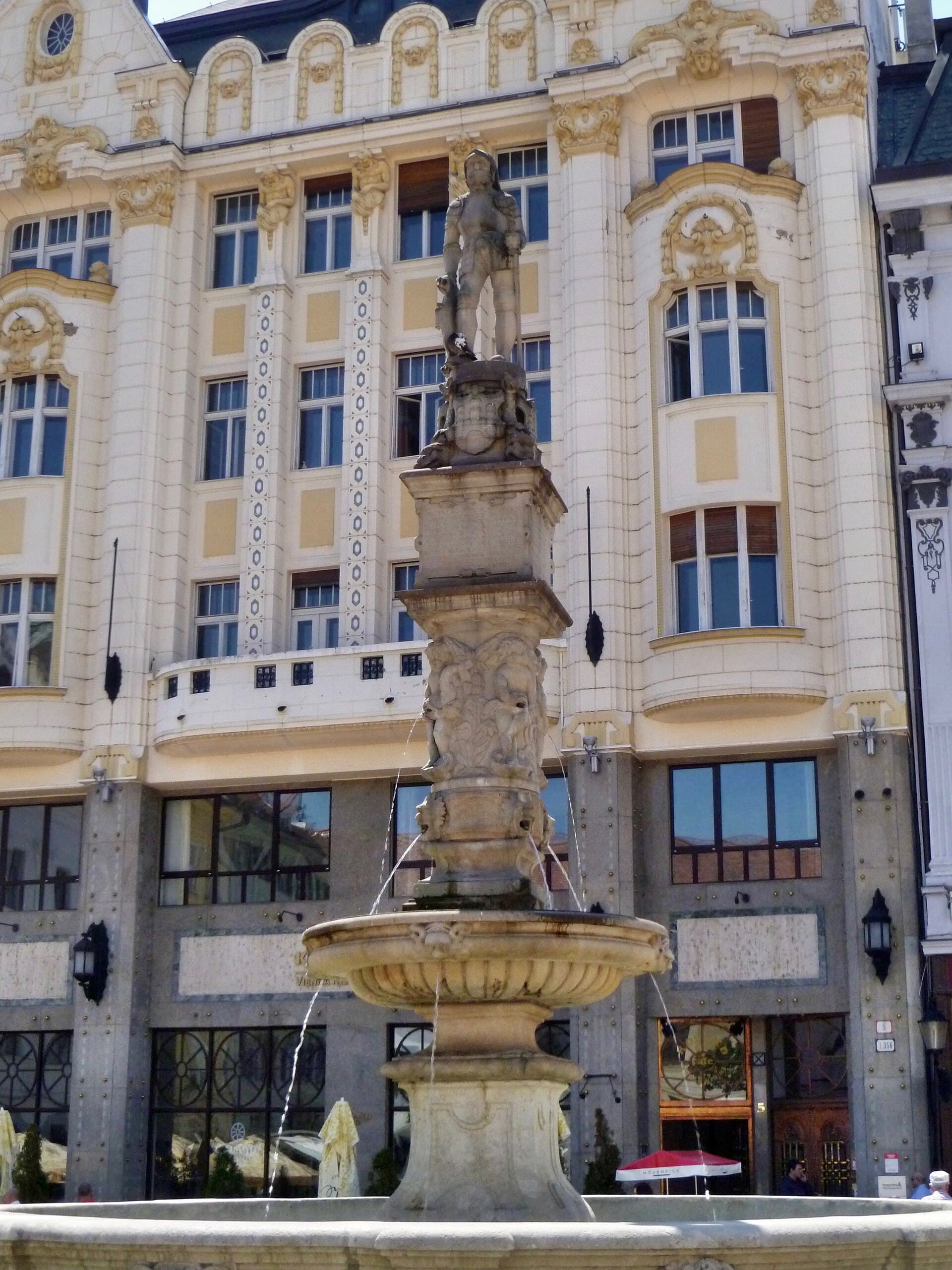 Roland's FountainThe oldest fountain in Bratislava, standing at the centre of the Main Square sin1 minute walk4.7
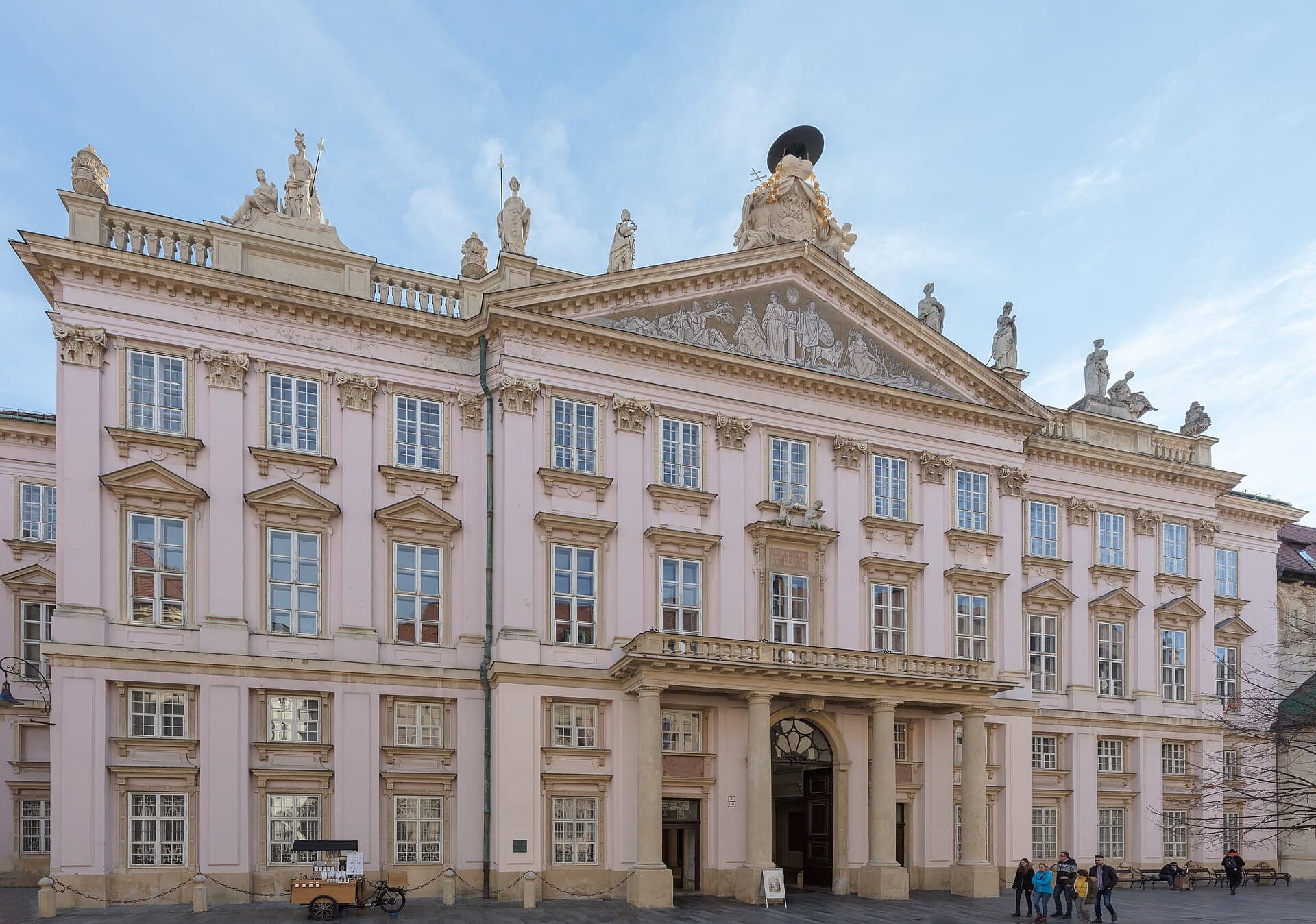 The Primate's PalaceA pink palace where Napoleon signed a treaty that redrew Europe: the Primate's P1 minute walk4.6
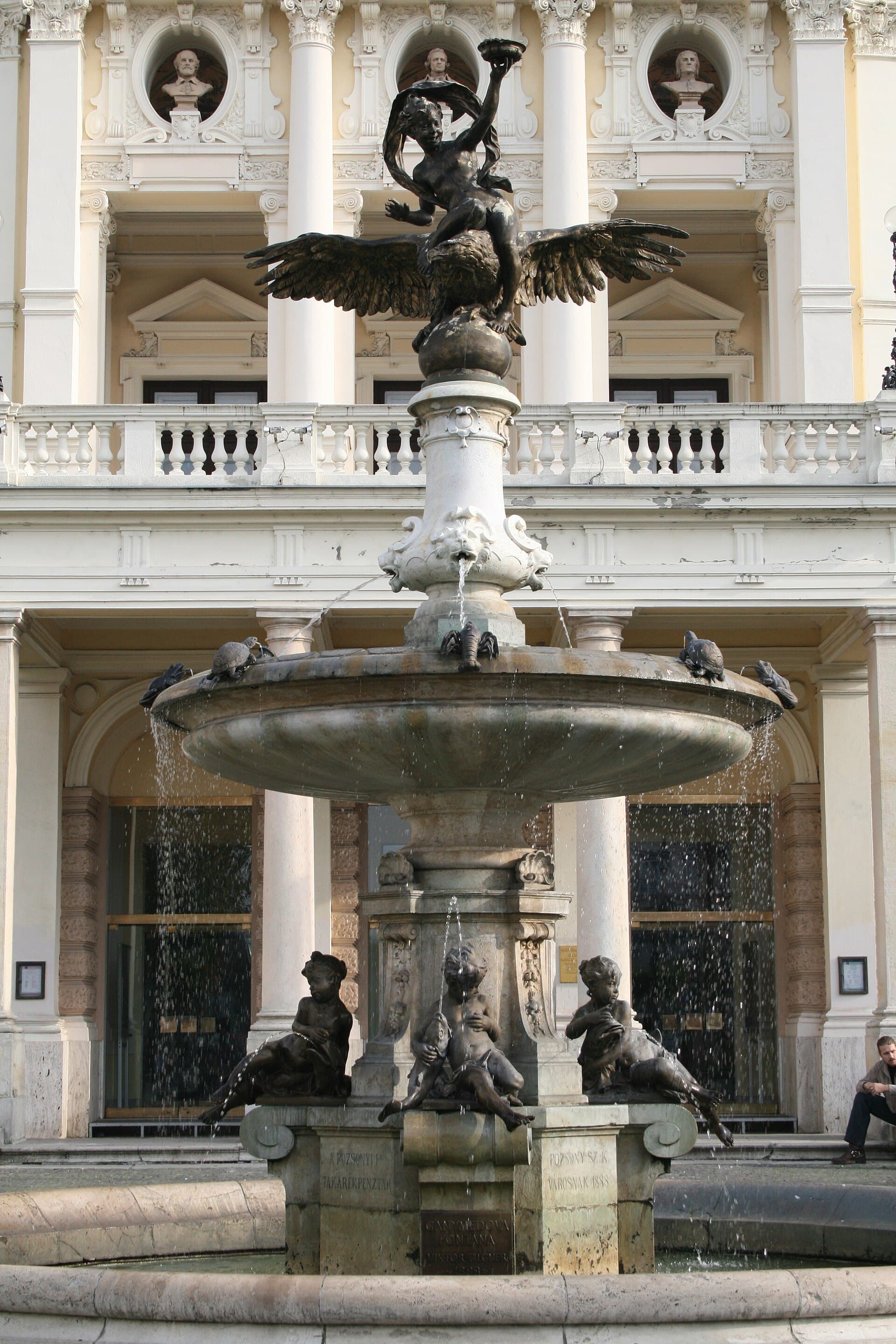 Ganymede's FountainA bronze fountain in front of Bratislava's **historic Opera House**, unveiled in2 minutes walk4.7
Yes, but it is among the least-known wine countries in Europe outside its borders — because its production is small and **almost entirely drunk at home**, so hardly any is exported. The **Little Carpathians** region around Bratislava is the oldest, with cultivation continuous since Roman times. The best-known style is dry white, and the most famous name is **Tokaj** — the same region shared with Hungary, whose Slovak portion is officially recognised. ⚠ Practically: this is a **museum about the history of growing and trading**, not a tasting room — the displays are tools and documents, and drink is not necessarily served.