The gateway
Between two towers.
watchsmart — CC BY 2.0 · Justwiki — CC BY 4.0 · Jean Housen — CC BY-SA 3.0 · Jean Housen — CC BY-SA 3.0 · self — CC BY-SA 3.0 · Justwiki — CC BY 4.0 · Justwiki — CC BY 4.0 · Justwiki — CC BY 4.0
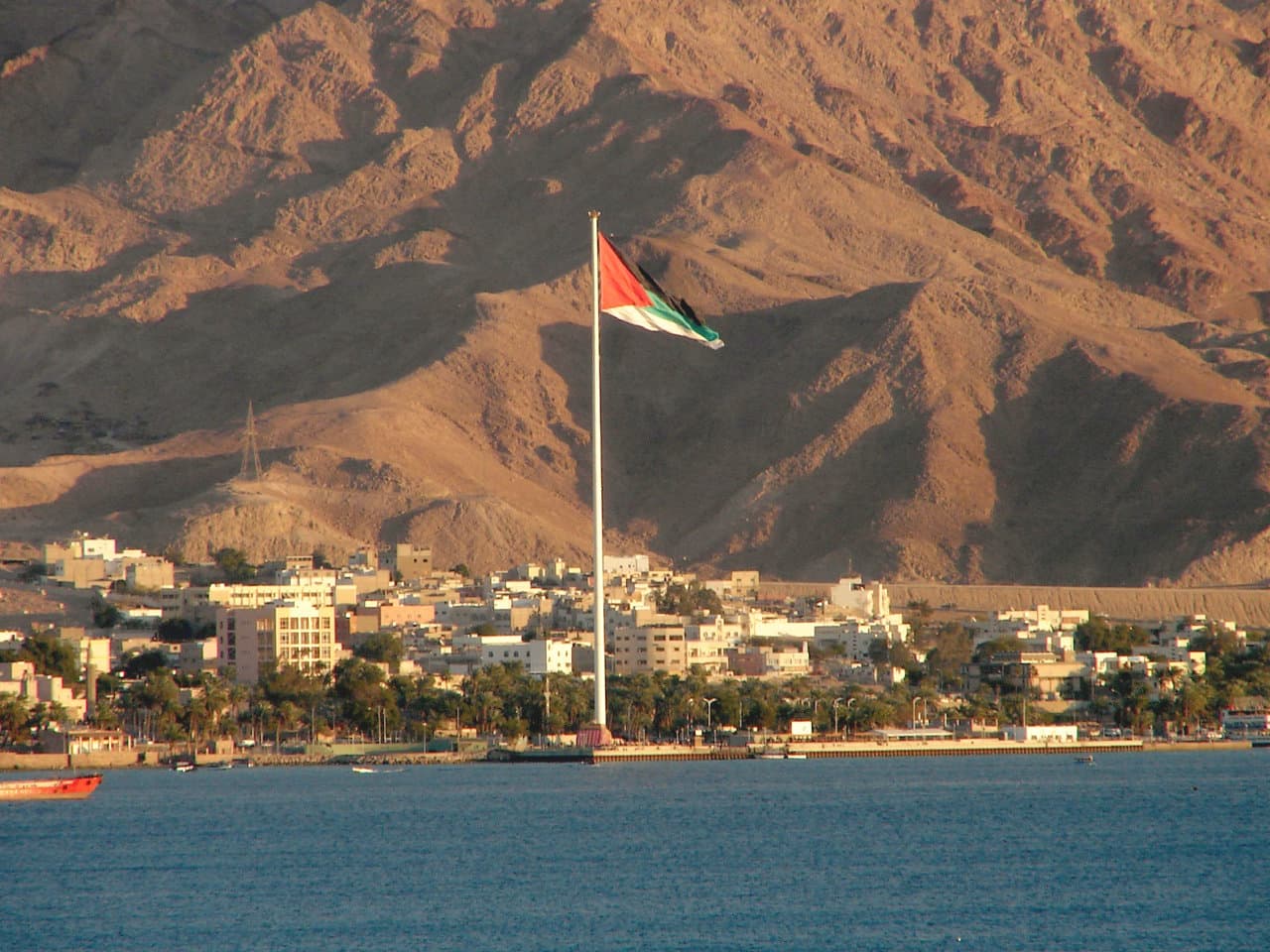
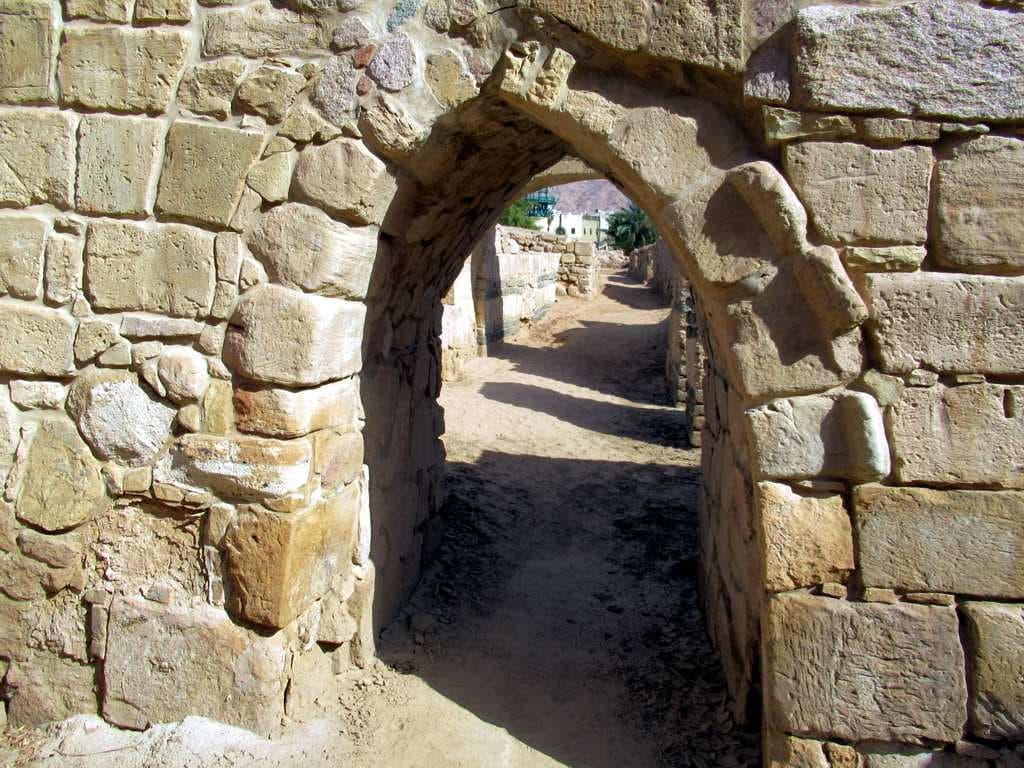
A fortified caravanserai on the pilgrim road to Mecca and Medina, mostly built in its present form in the sixteenth century; an inscription in the gateway praises the Mamluk sultan Qansuh al-Ghuri, and later Ottoman work followed. Pilgrims and caravans rested here, and in the nineteenth century it became a military stronghold. In July 1917 its Ottoman garrison fell to the forces of the Great Arab Revolt after a camel-mounted charge, and Aqaba became a key supply base for the revolt. You enter through a gate between two towers, crowned by the Hashemite coat of arms, into a courtyard lined with vaulted rooms, one of them a prayer room with a mihrab. Next door is the house where Sharif Hussein bin Ali stayed in 1917, now the Aqaba Archaeological Museum. The fort stands on the waterfront beside the famous Aqaba Flagpole, and pairs easily with the ruins of Ayla and the Corniche on one walk.
Between two towers.
Vaulted rooms.
Next door.
Great Arab Revolt Plaza, Aqaba
In July 1917 its Ottoman garrison fell to the revolt's forces after a camel charge, and Aqaba became a main supply base for the revolt.