
The Horse Pithos
The epic in clay, warriors at the windows.
Zde — CC BY-SA 4.0 · Zde — CC BY-SA 4.0 · Zde — CC BY-SA 4.0 · Warren LeMay from Chicago, IL, United States — CC BY-SA 2.0
Mykonos' Archaeological Museum (1902) was built for one treasure: the necropolis of Rheneia — where the Athenians moved all of Delos' graves while purifying the holy island (426 BC), banning birth and death upon it — making the museum, in effect, the dead of Delos with their centuries of pottery and jewellery. Its immortal piece is the Horse Pithos: a great jar (670 BC) bearing the oldest known depiction of the Trojan Horse, warriors peering from its windows, the fall unrolling in relief — an epic in clay before the written Homer circulated. It is the sun island's one cultural hour: at the old port's head, pairing naturally with a Delos boat's wait or return — and its ticket is astonishingly small.
The epic in clay, warriors at the windows.
Rheneia's graves — the Athenian purification's residue.
Agios Stefanos, Chora port, 84600 Mykonos
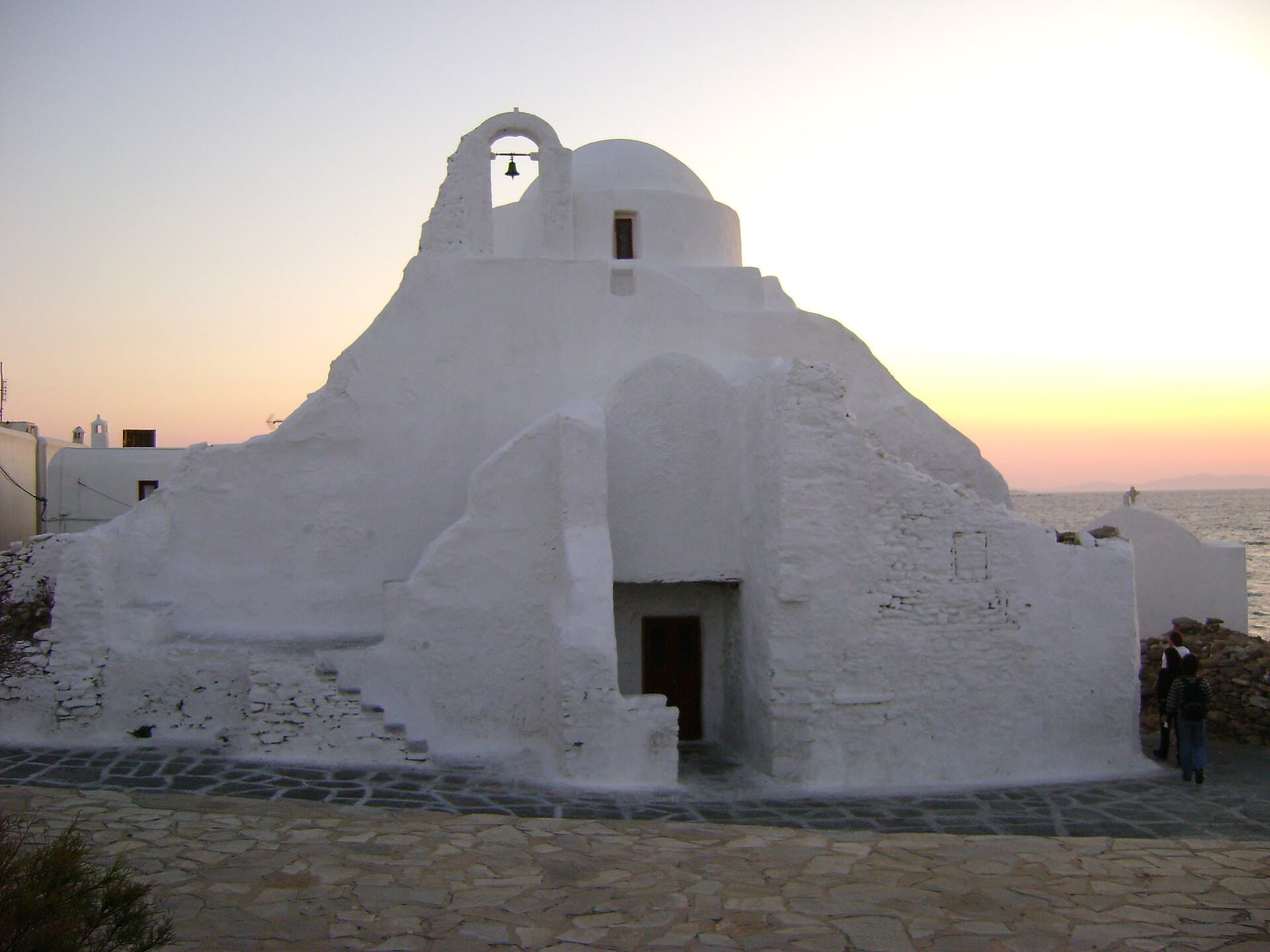 Panagia ParaportianiParaportiani is Greece's most photographed church — and not one church at all: f6 minutes walk4.4
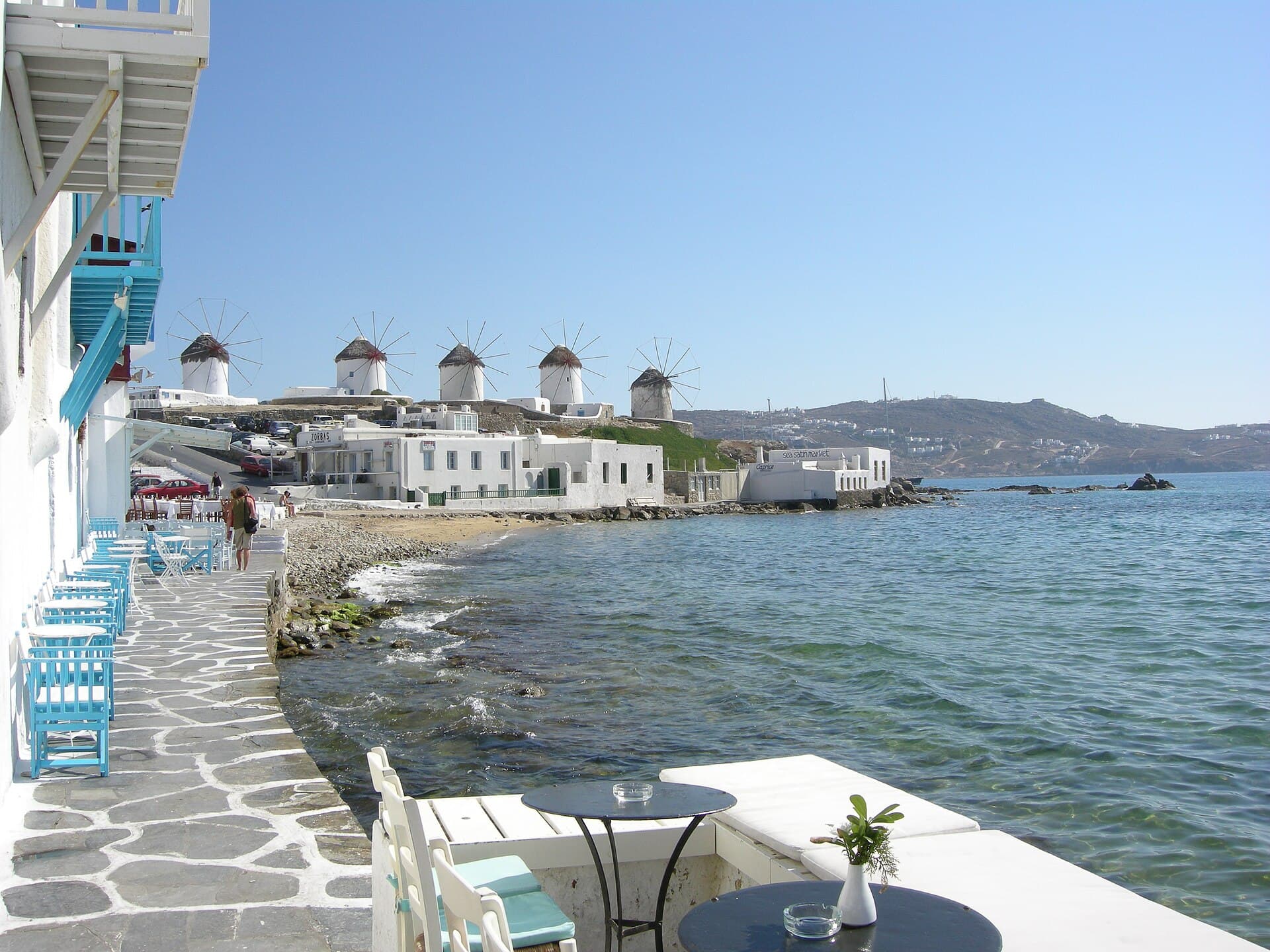 Chora — Mykonos TownChora is the perfect Cycladic maze: whiteness washing every wall each spring, bl7 minutes walk
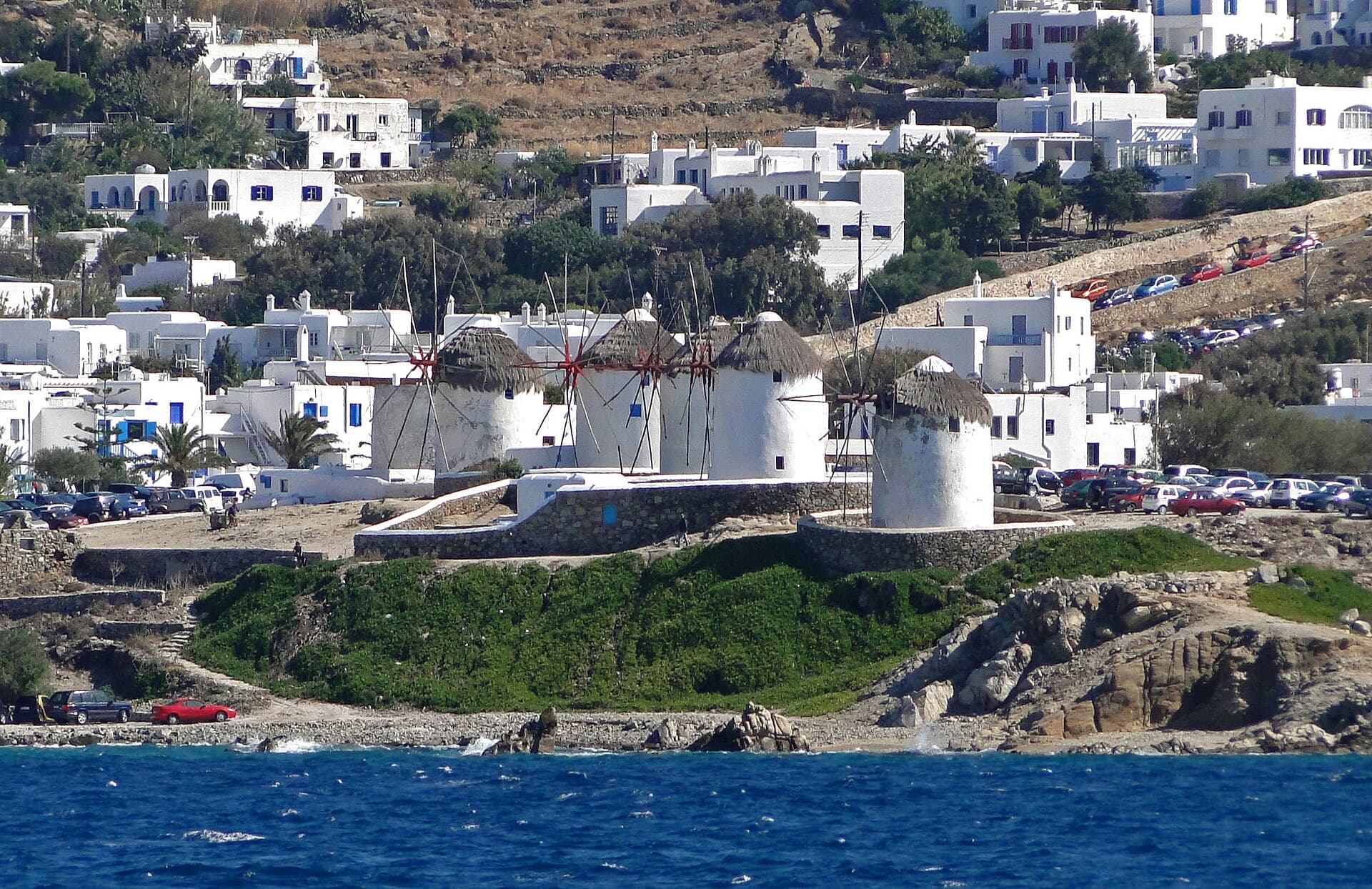 The Mykonos WindmillsThe Kato Mili windmills are Mykonos' signature: five white cylinders in straw ca9 minutes walk4.5
Before, it explains (the moved dead decode the island's gravelessness); after, it concludes — though its short morning hours usually decide: see it waiting for your boat if early, or straight on return if it is still open.