
The prince's and princess's rooms
Gilded ornament and ceiling paintings among the best surviving in France.
Guilhem Vellut from Paris, France — CC BY-SA 4.0 · Poulpy — CC BY-SA 3.0 · Public domain · Chatsam — CC BY-SA 3.0
An eighteenth-century private mansion in the heart of the Marais, today housing the museum of the French National Archives and among the purest examples of Parisian Rococo. The interior apartments are the heart of the visit: the prince's and princess's rooms with their gilded ornament, ceiling paintings and pale colours, among the finest surviving French interior decoration of the period. Many Paris mansions lost their interiors or were converted; this one kept them. The archives themselves show documents from French history: royal decrees, papers of the Revolution, and letters and contracts spanning centuries. The displays rotate for conservation reasons — paper is not left in the light for long. The garden behind the mansion is open to the public and free, one of the few quiet spaces in the Marais. Practical points: a ticket covers the apartments and exhibitions, and the garden is free. It sometimes closes two days a week — check before going.
Gilded ornament and ceiling paintings among the best surviving in France.
Decrees, letters and contracts from centuries of French history, in rotation.
One of the few calm spaces in the crowded Marais.
Marais, 3rd arrondissement, Paris
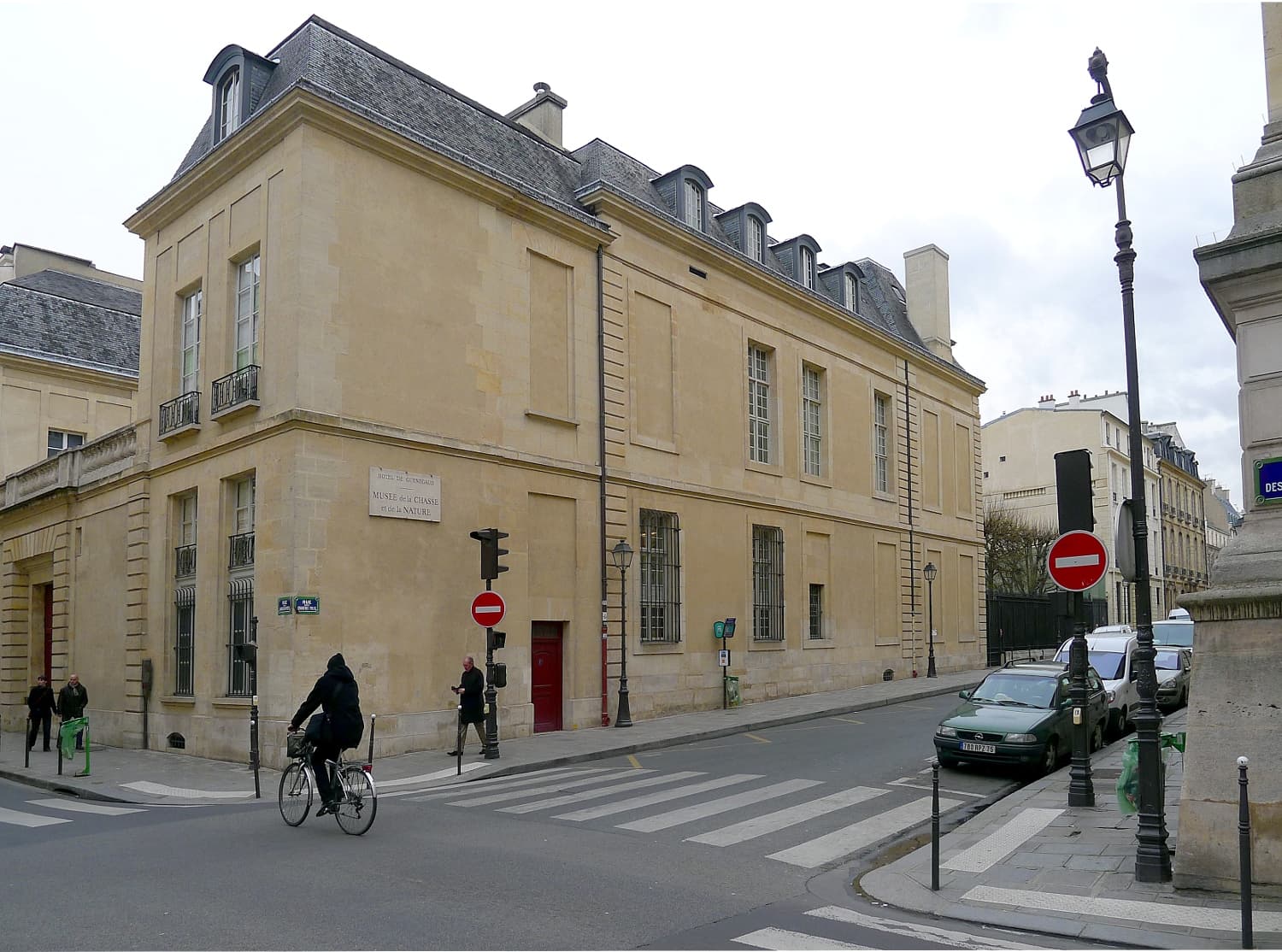 Museum of Hunting and NatureA museum in two adjoining private mansions in the Marais, combining historic hun1 minute walk4.4
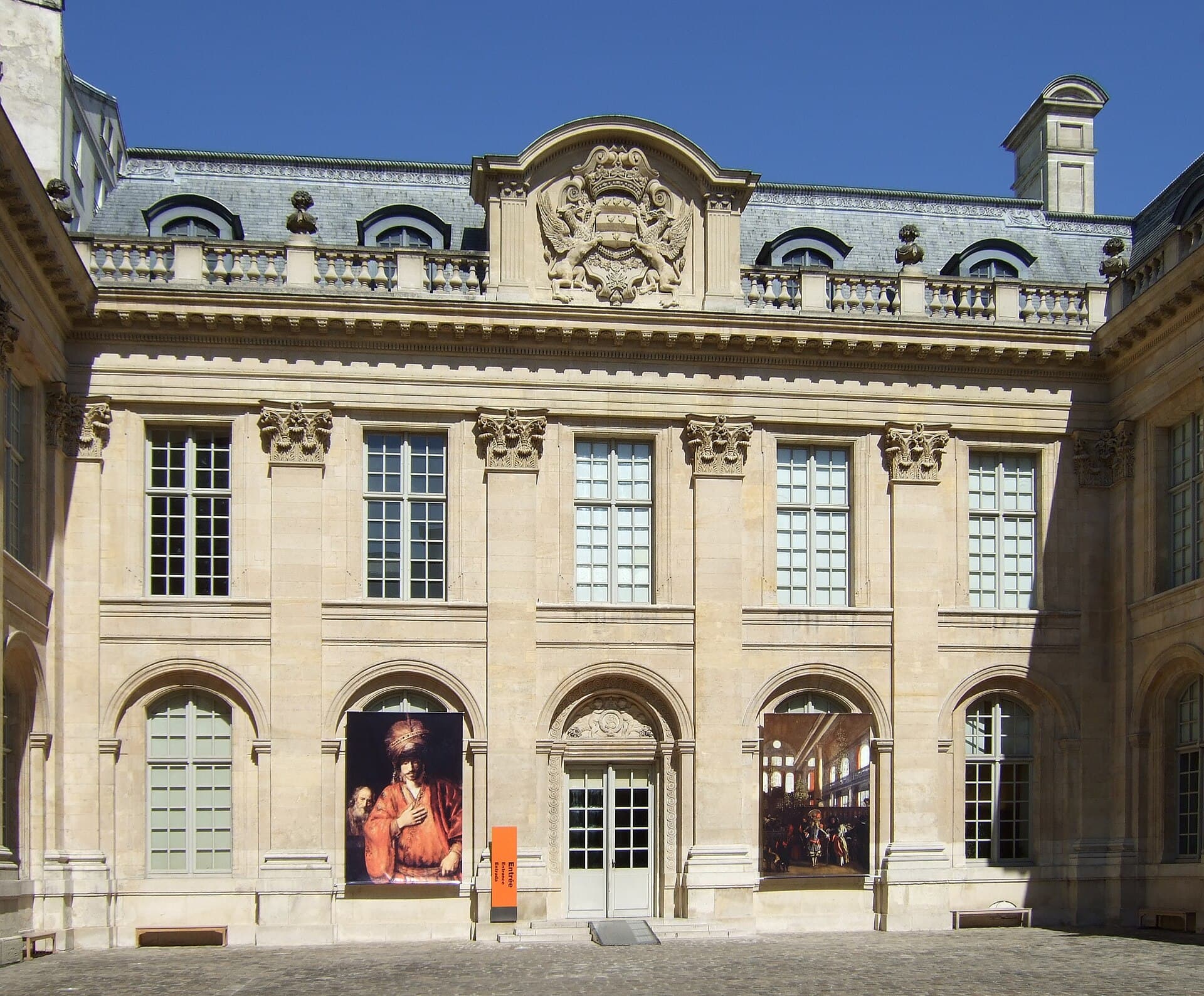 Museum of Jewish Art and History (mahJ)A museum in the grand seventeenth-century **Hôtel de Saint-Aignan** in the heart3 minutes walk4.6
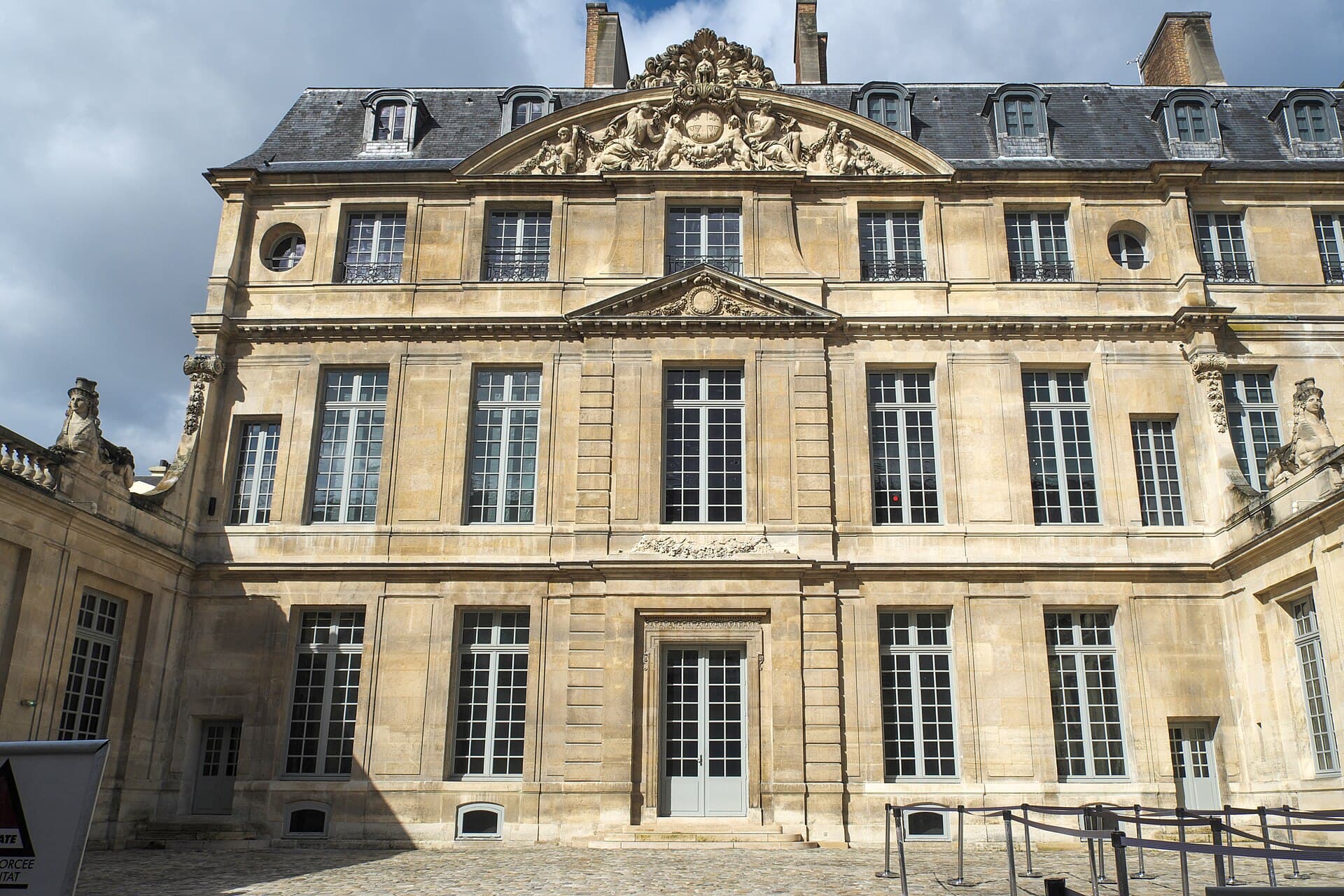 Musée PicassoIn the grandest private mansion of the Marais — the Hôtel Salé with its majestic4 minutes walk4.3
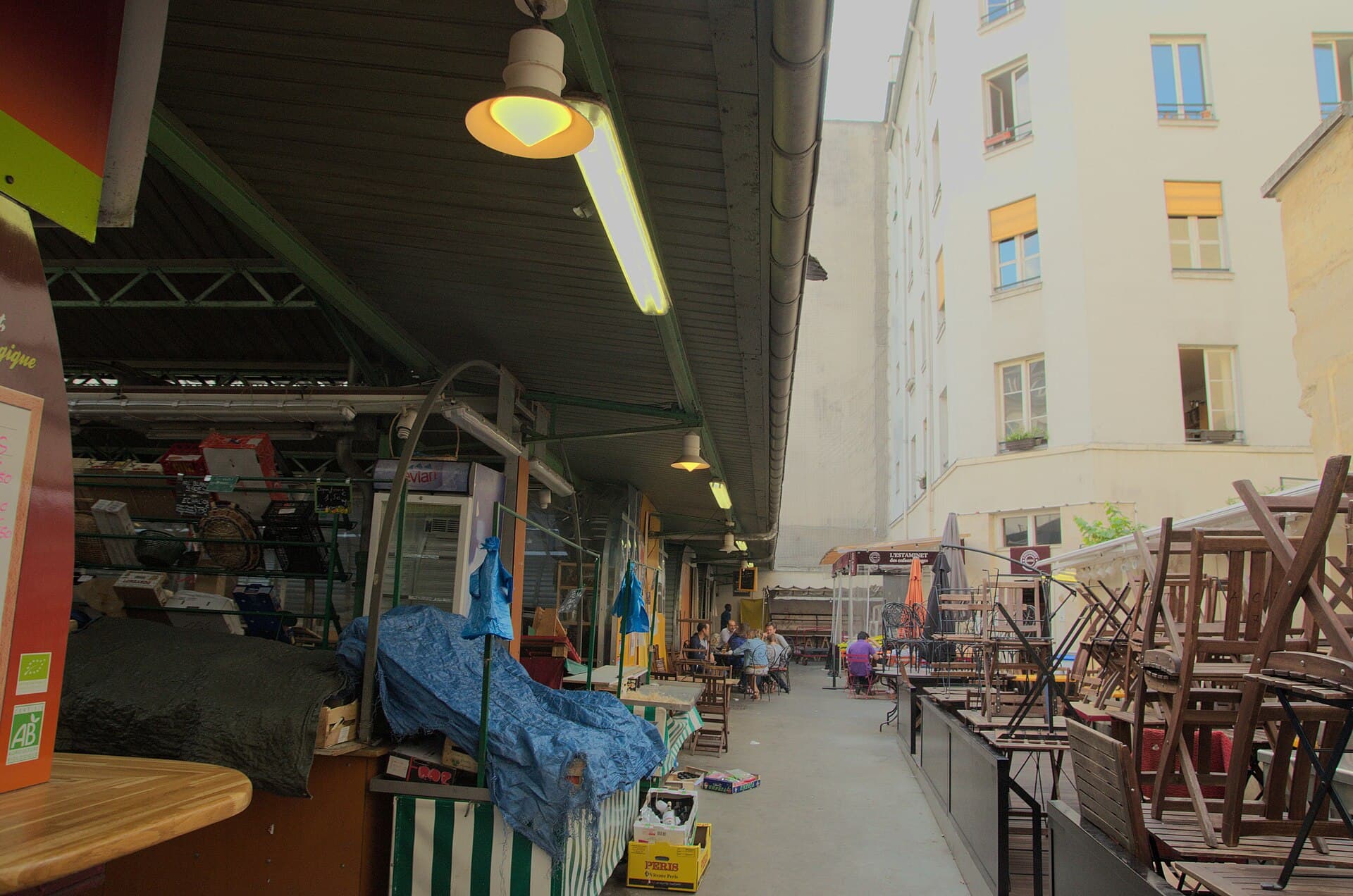 Marché des Enfants RougesThe oldest surviving covered market in Paris, in the Marais, trading since 1615 5 minutes walk4.5
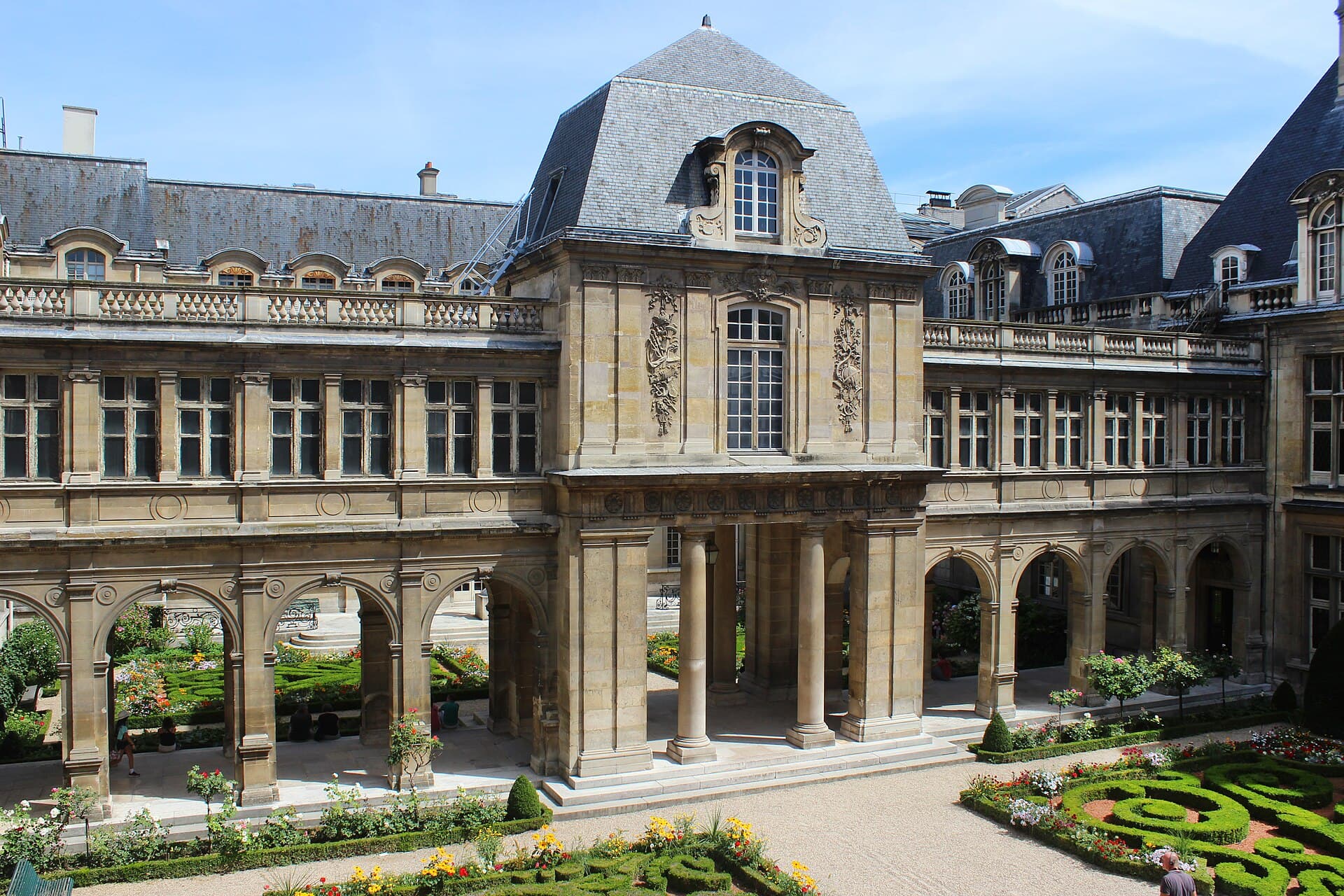 Musée CarnavaletThe oldest museum in Paris and the most Parisian: Carnavalet tells the biography6 minutes walk4.8
Looking for halal food near Hôtel de Soubise — National Archives? There are several options nearby, from Moroccan and Indian kitchens to quick casual spots and places with a view. Confirm the halal status and opening hours before you go — these can change.
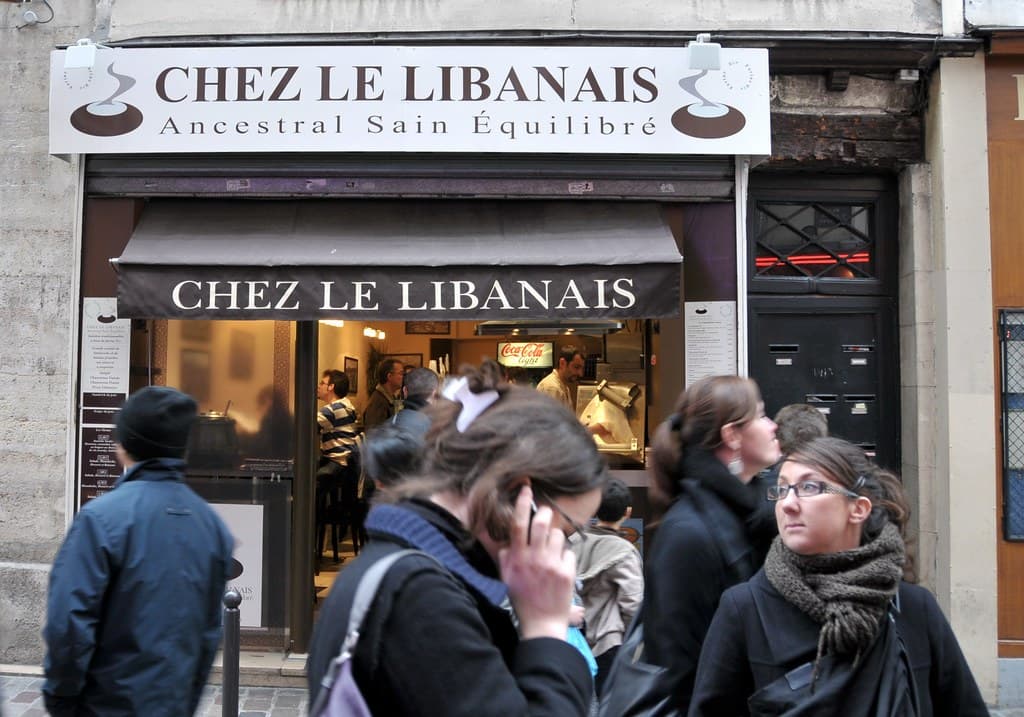 Chez le LibanaisHalalA small counter on Rue Saint-André des Arts, one of the busiest pedestrian stree18 minutes walk · $4.5DeryaHalalDerya is a Turkish grill house on Rue du Faubourg Saint-Denis, the street Parisi18 minutes walk · $4.9Al DarHalalAl Dar is a Lebanese restaurant in the Latin Quarter, a few minutes on foot from16 minutes walk · $$4.1
No. The original documents are light-sensitive and cannot be shown permanently, so the museum rotates them through themed exhibitions. Do not go for a particular document without checking the official site. The decorated apartments are permanent and are the stronger reason to visit.
The Marais itself: the Musée Carnavalet, the Musée Picasso and Place des Vosges are all a short walk away, and all are private mansions of the same period turned into museums. Seeing two or three shows how the Paris elite lived before the Revolution.