
The Dreyfus documents
The case that split France, fully documented.
Ecelan — CC BY-SA 4.0 · Olevy — CC BY-SA 4.0 · Seekdep — CC BY 4.0 · Marie-Pierre Delaporte — CC BY-SA 4.0
A museum in the grand seventeenth-century **Hôtel de Saint-Aignan** in the heart of **Le Marais**, telling the history and culture of Jews in France, Europe and North Africa across the centuries. Its approach matters and should be understood: this is **not a Holocaust museum** — that is the work of the nearby Shoah Memorial. This is a museum about **life**: how Jews lived, prayed, married, traded, wrote, painted and made culture over a thousand years, from medieval manuscripts to the present. It holds rare material: **medieval gravestones** from Paris, synagogue furnishings, textiles and ritual silver, and the complete documentation of the **Dreyfus affair** — the case that split France at the end of the nineteenth century and remains a reference in the history of antisemitism and of justice. There is a strong art section with work by **Chagall**, **Modigliani** and **Soutine** — the Jewish artists of the "School of Paris" who came from Eastern Europe. ⚠ The palace courtyard itself is worth stopping in, and holds a monument to Dreyfus.
The case that split France, fully documented.
The School of Paris artists from Eastern Europe.
Jewish tombstones from medieval Paris.
71 Rue du Temple, 75003 Paris
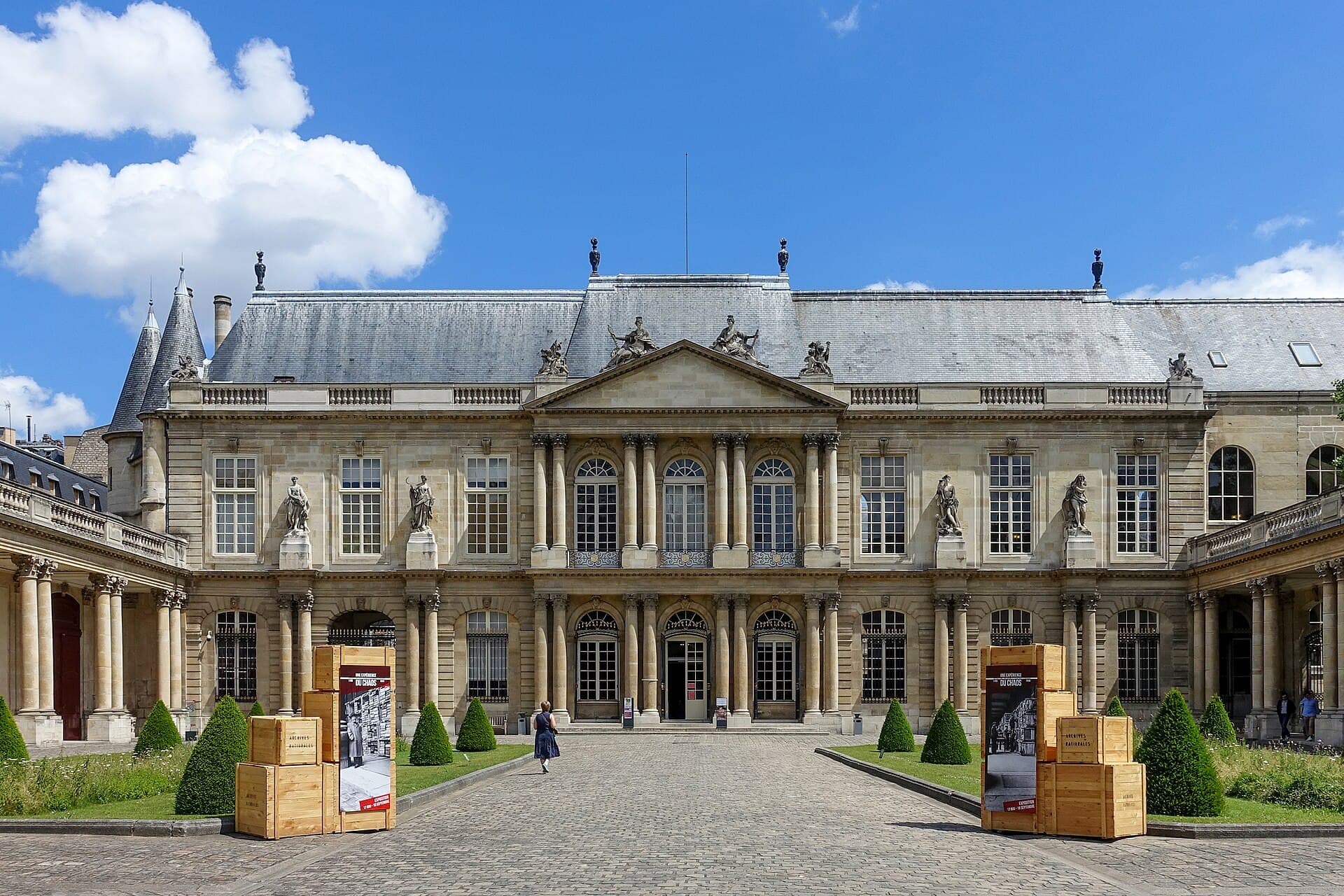 Hôtel de Soubise — National ArchivesAn eighteenth-century private mansion in the heart of the Marais, today housing 3 minutes walk4.6
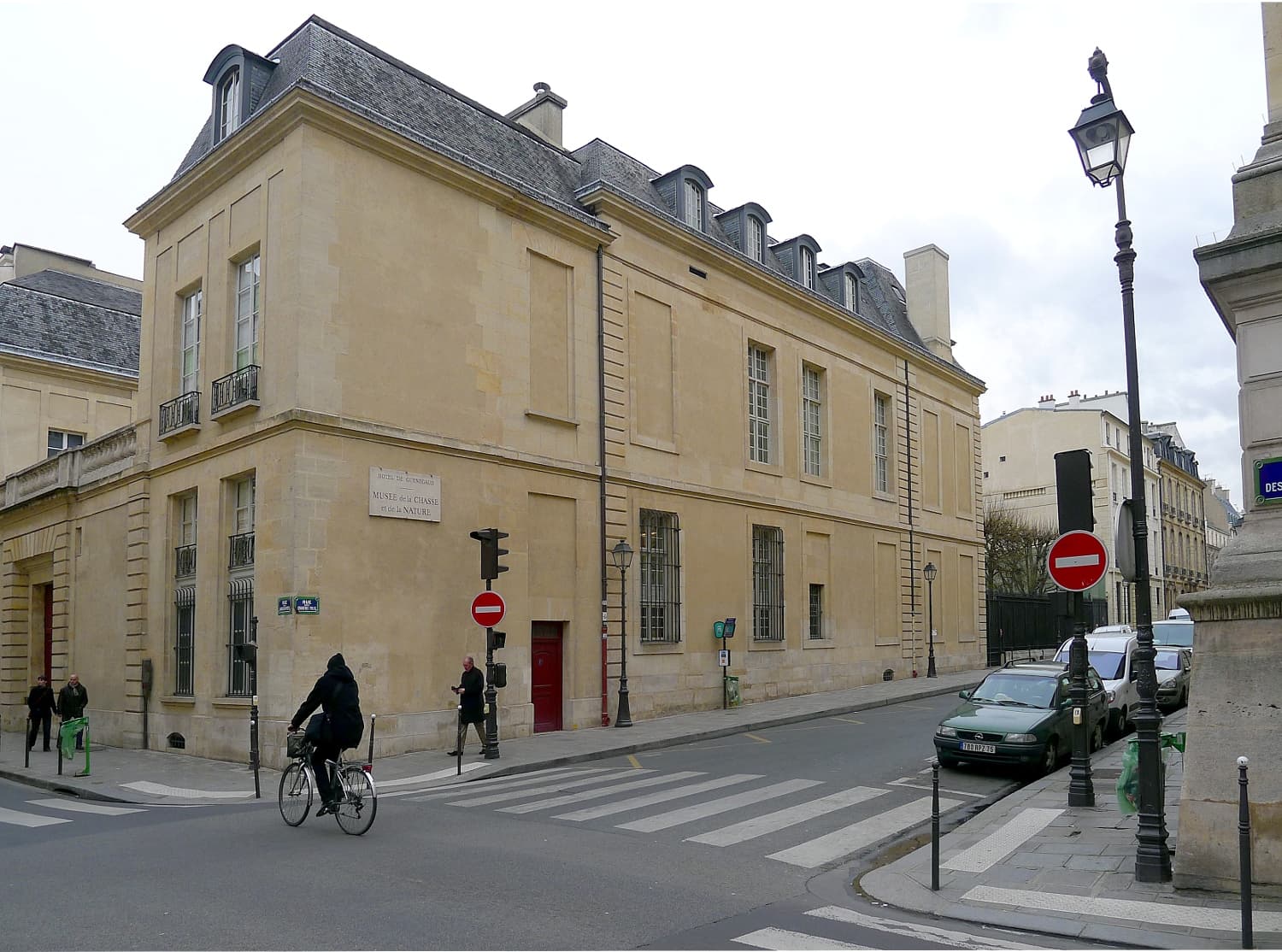 Museum of Hunting and NatureA museum in two adjoining private mansions in the Marais, combining historic hun3 minutes walk4.4
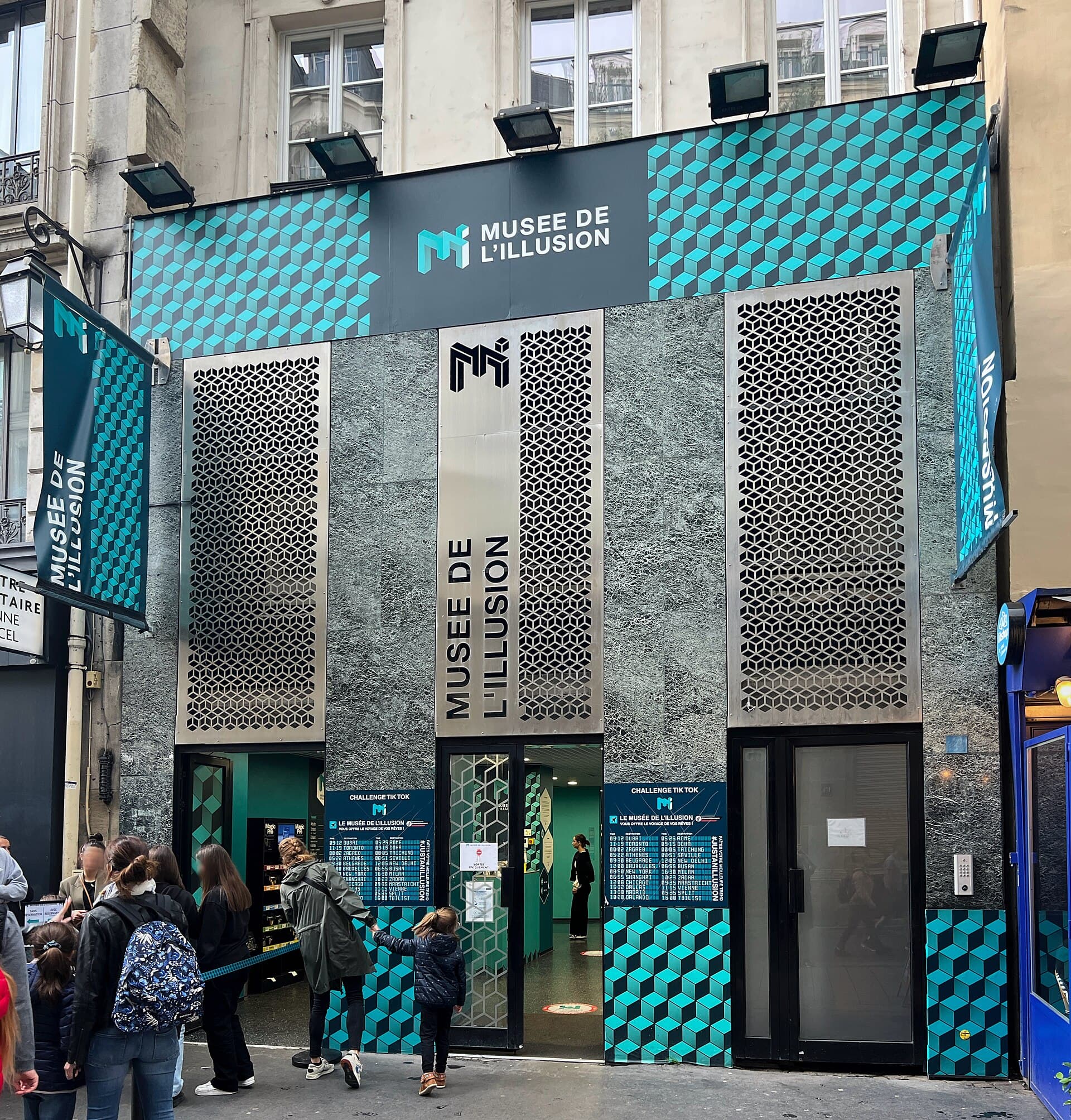 Musée de l'IllusionA museum of optical illusion in central Paris, a branch of an international chai6 minutes walk4.1
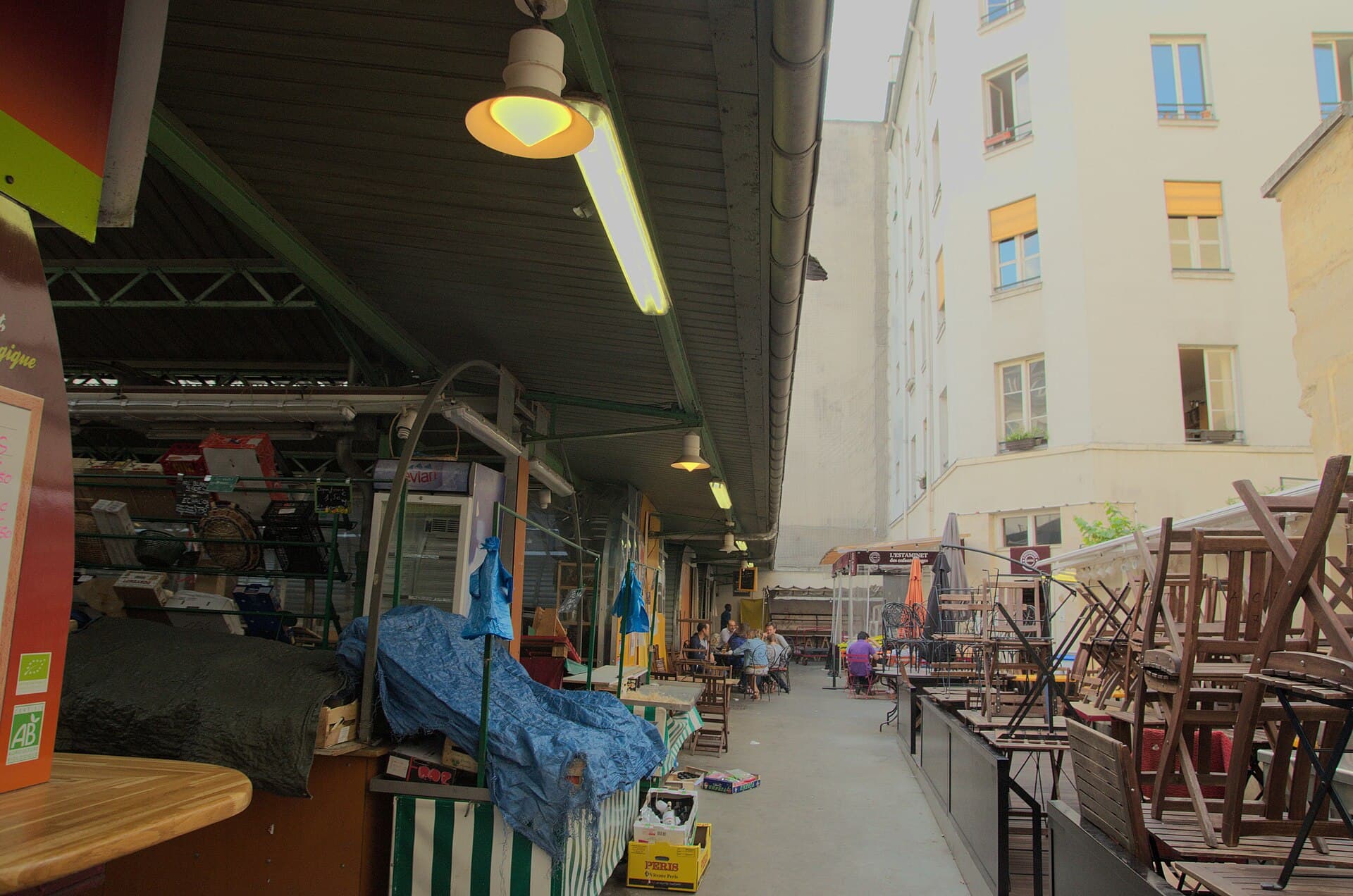 Marché des Enfants RougesThe oldest surviving covered market in Paris, in the Marais, trading since 1615 7 minutes walk4.5
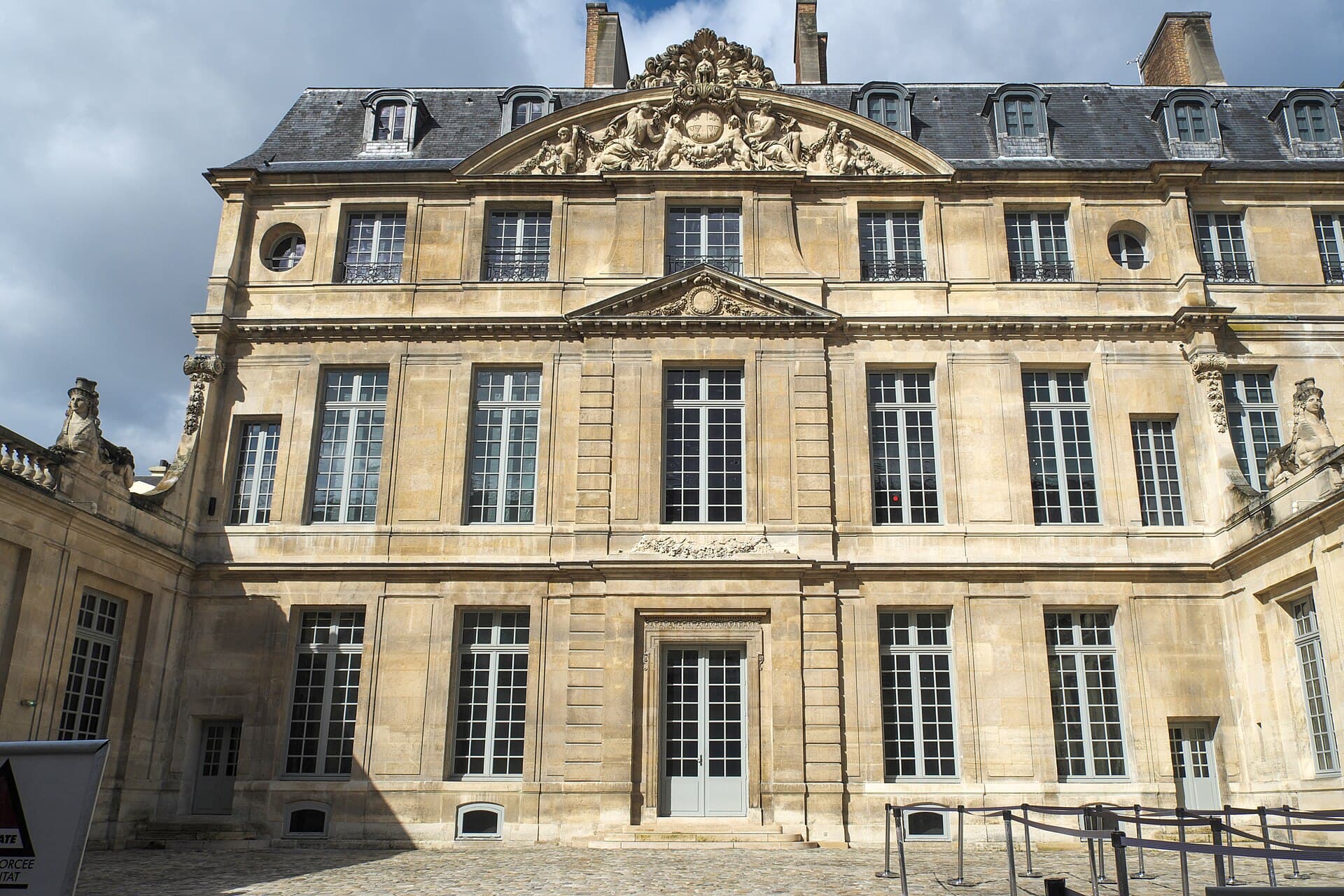 Musée PicassoIn the grandest private mansion of the Marais — the Hôtel Salé with its majestic7 minutes walk4.3
Looking for halal food near Museum of Jewish Art and History (mahJ)? There are several options nearby, from Moroccan and Indian kitchens to quick casual spots and places with a view. Confirm the halal status and opening hours before you go — these can change.
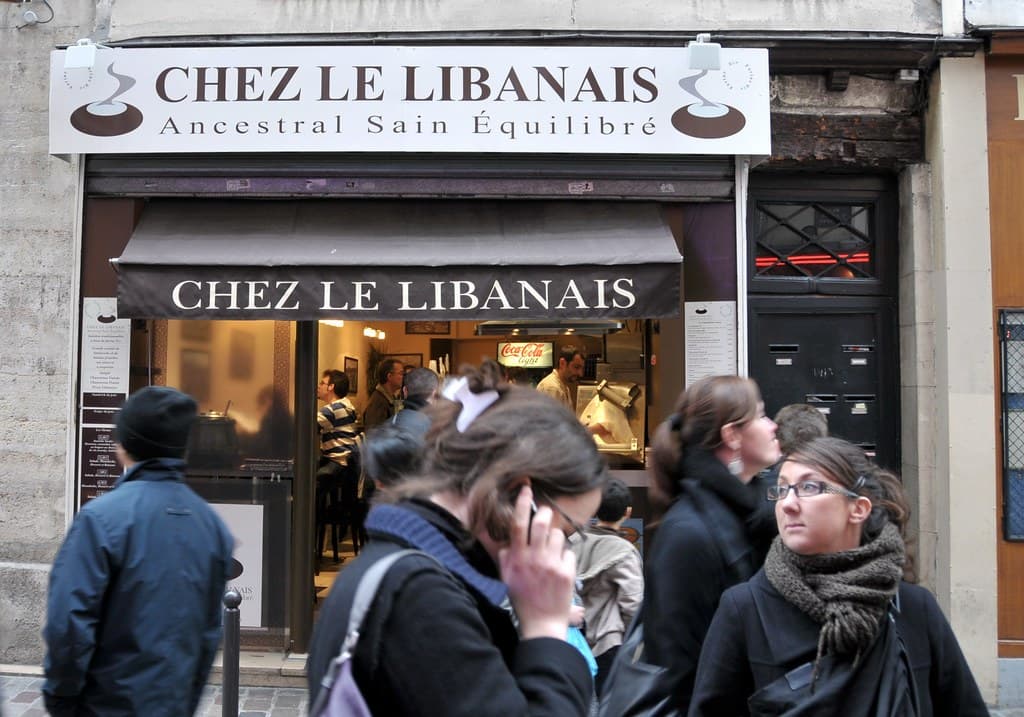 Chez le LibanaisHalalA small counter on Rue Saint-André des Arts, one of the busiest pedestrian stree16 minutes walk · $4.5DeryaHalalDerya is a Turkish grill house on Rue du Faubourg Saint-Denis, the street Parisi17 minutes walk · $4.9Al DarHalalAl Dar is a Lebanese restaurant in the Latin Quarter, a few minutes on foot from15 minutes walk · $$4.1
The difference is **fundamental** and worth knowing before you plan. The **Shoah Memorial** (minutes away) is about the **Holocaust**: deportation and extermination, the Wall of Names, documents and Vichy's role — an emotionally heavy memorial site, free to enter. The **Museum of Jewish Art and History** is about **life** rather than death: a thousand years of culture, religion, art, trade and thought. A visit here is **not emotionally heavy** in the same way. With a day in Le Marais, the logical order is this museum first, to understand the life, then the memorial — not the reverse.
Le Marais is among the best quarters in Paris for walking, and it is the historic Jewish quarter. Around the museum: the **rue des Rosiers** with its bakeries, restaurants and shops, the **Shoah Memorial**, and the **Grand Synagogue** on the rue Pavée with a frontage designed by Hector Guimard. In the same quarter are the **Place des Vosges**, the oldest planned square in Paris, the **Musée Picasso** and the **Musée Carnavalet** (the history of Paris, free to enter). This is a quarter you can walk for a whole day without transport.