
The first-century arena
Gladiators' sand now the quarter's football pitch — two thousand unbroken years.
Rodelar — CC BY-SA 4.0 · Vacquer, Théodore (Paris, 22–04–1824 - Paris, 24–05–1899), dessinateur — CC0 · Agence Rol — Public domain · Agence Rol — Public domain
Behind an ordinary doorway on Rue Monge hides Paris's oldest monument: the first-century Roman arena of Lutetia, where fifteen thousand Gallo-Romans watched gladiators and theatre before Paris bore its present name at all. Found by accident when Rue Monge was cut in 1869, it nearly became a bus depot until Victor Hugo himself led the famous rescue: Paris could not demolish its only Roman witness. Today it is an open neighbourhood garden: the sand arena hosts football and pétanque, the tiers hold readers and sun-sitters. This is secret Paris at its purest — an imperial relic living a modest local life — and a perfect twenty-minute station between the Panthéon, Rue Mouffetard and the botanical garden.
Gladiators' sand now the quarter's football pitch — two thousand unbroken years.
The great old man saved it from a bus depot — among his final battles.
Empire behind a residential door — the city's purest open secret.
49 Rue Monge, 75005 Paris
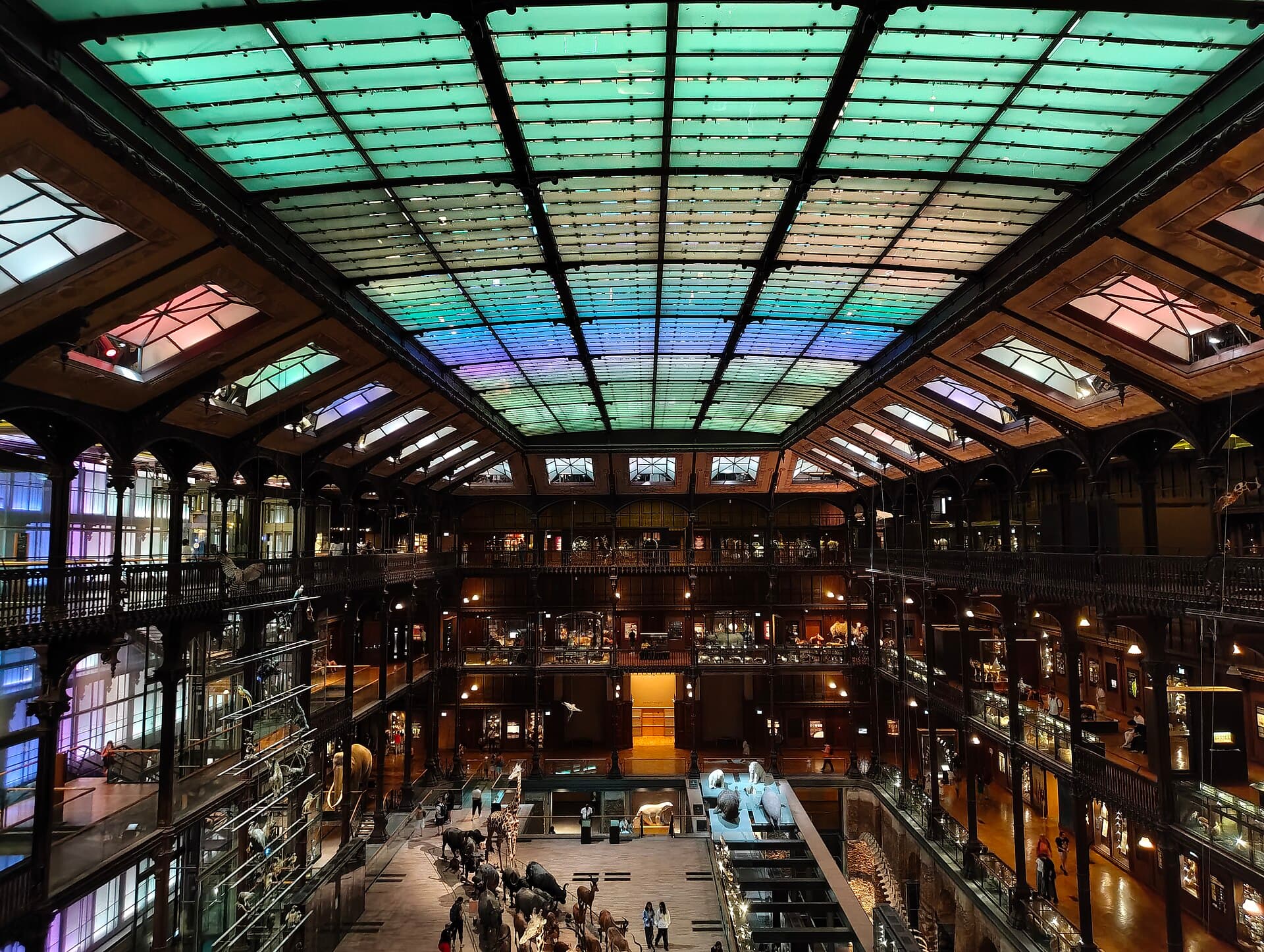 Muséum national d'histoire naturelleThe National Museum of Natural History is not one building but a whole kingdom: 5 minutes walk4.4
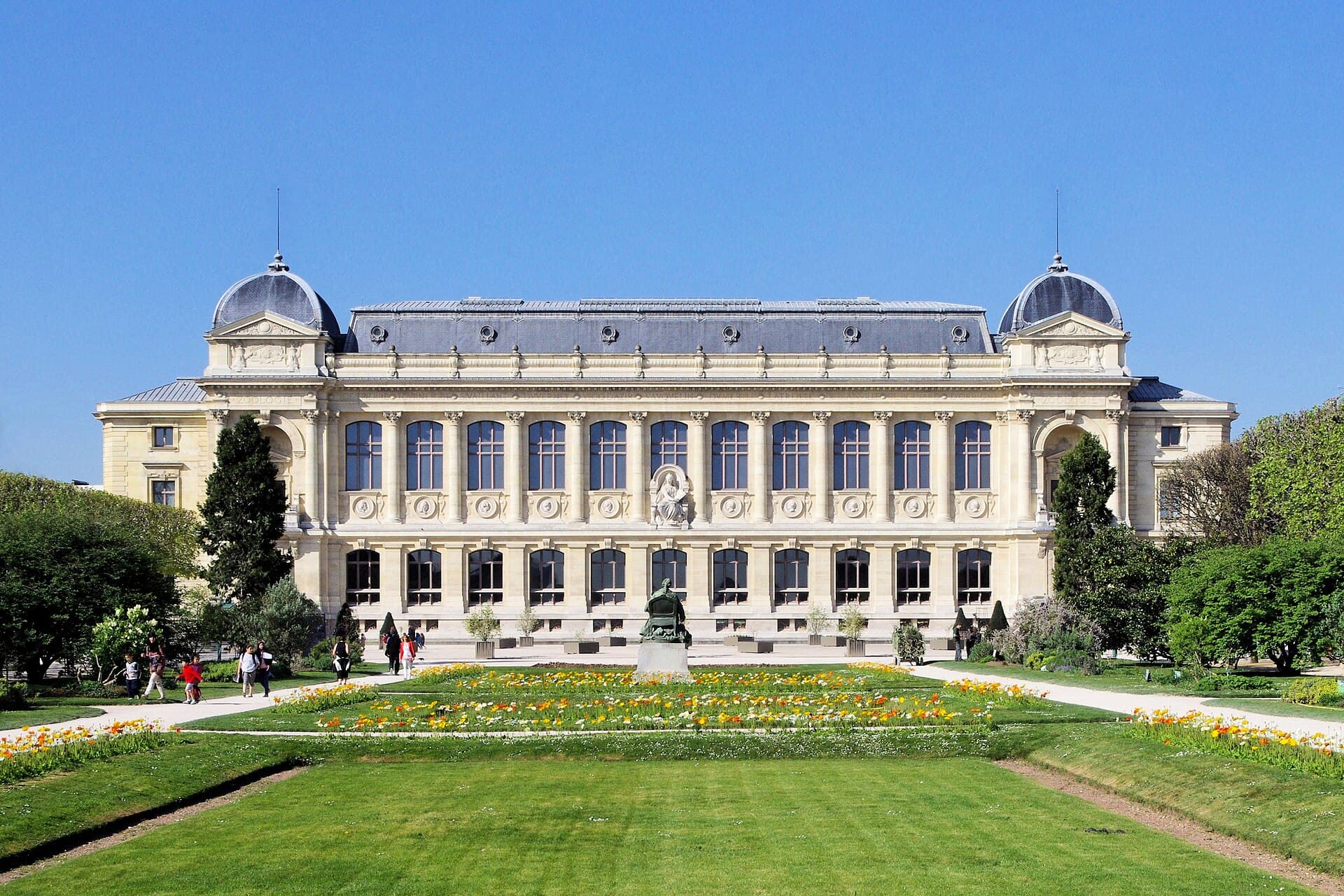 Grand Gallery of EvolutionAt the heart of the Jardin des Plantes stands Europe's most beautiful natural hi5 minutes walk4.5
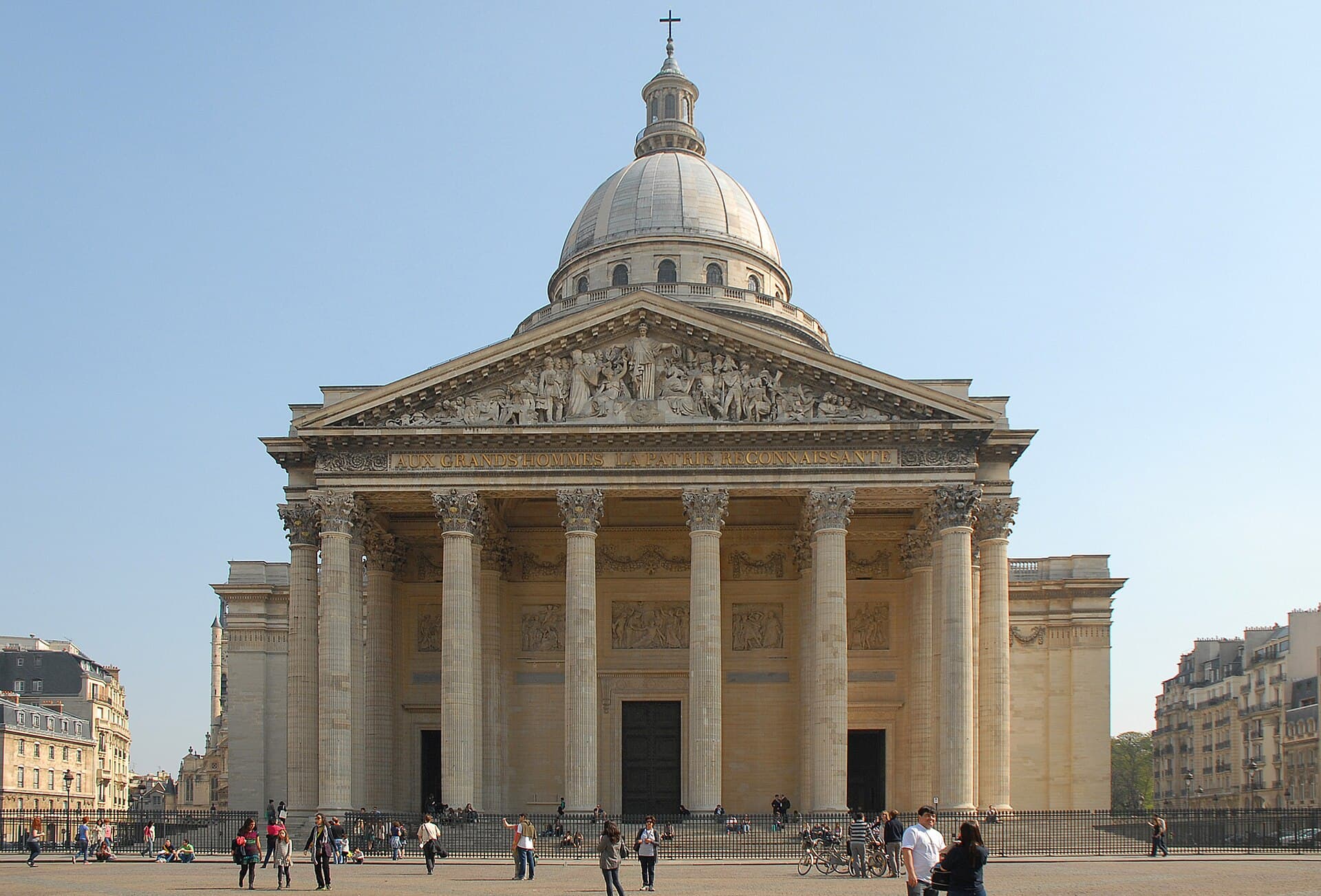 The PanthéonOn the summit of the Latin Quarter's Sainte-Geneviève hill stands the Panthéon's7 minutes walk4.5
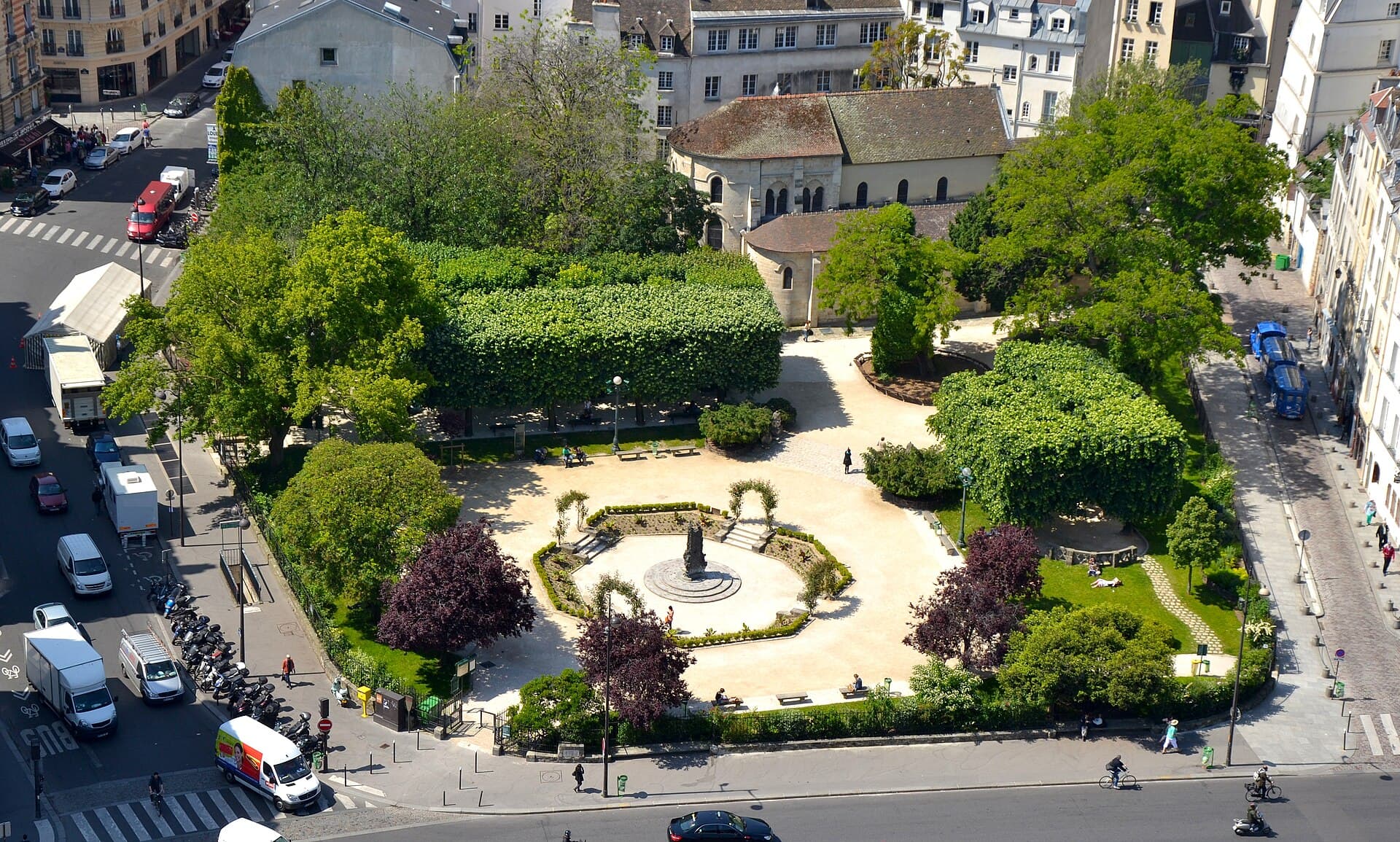 Square René VivianiA small garden on the Left Bank directly opposite Notre-Dame, holding the oldest11 minutes walk4.4
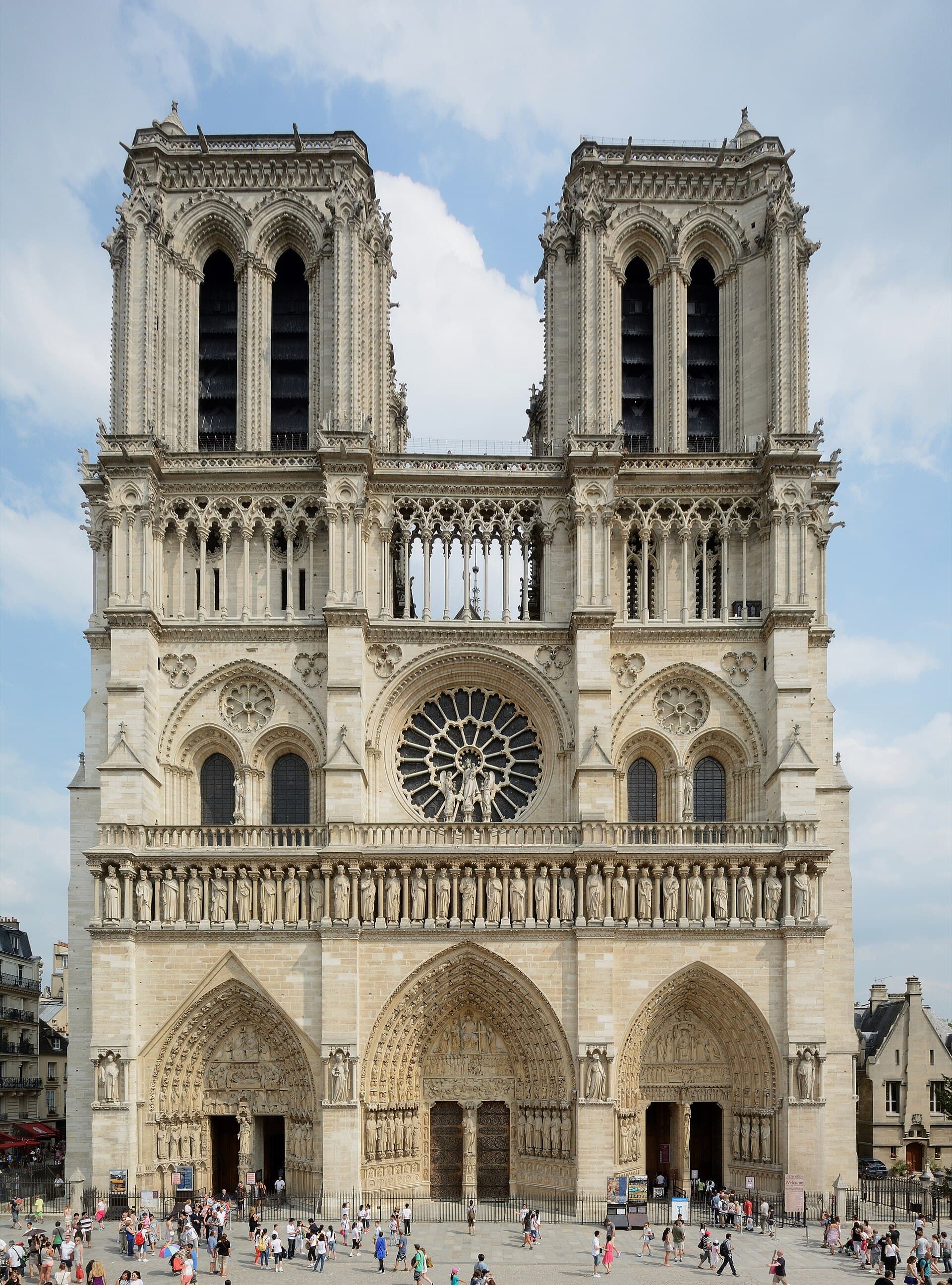 Notre-Dame de ParisWhen Notre-Dame's roof burned before the world's eyes in April 2019, Paris seeme12 minutes walk4.6
Looking for halal food near Arènes de Lutèce? There are several options nearby, from Moroccan and Indian kitchens to quick casual spots and places with a view. Confirm the halal status and opening hours before you go — these can change.
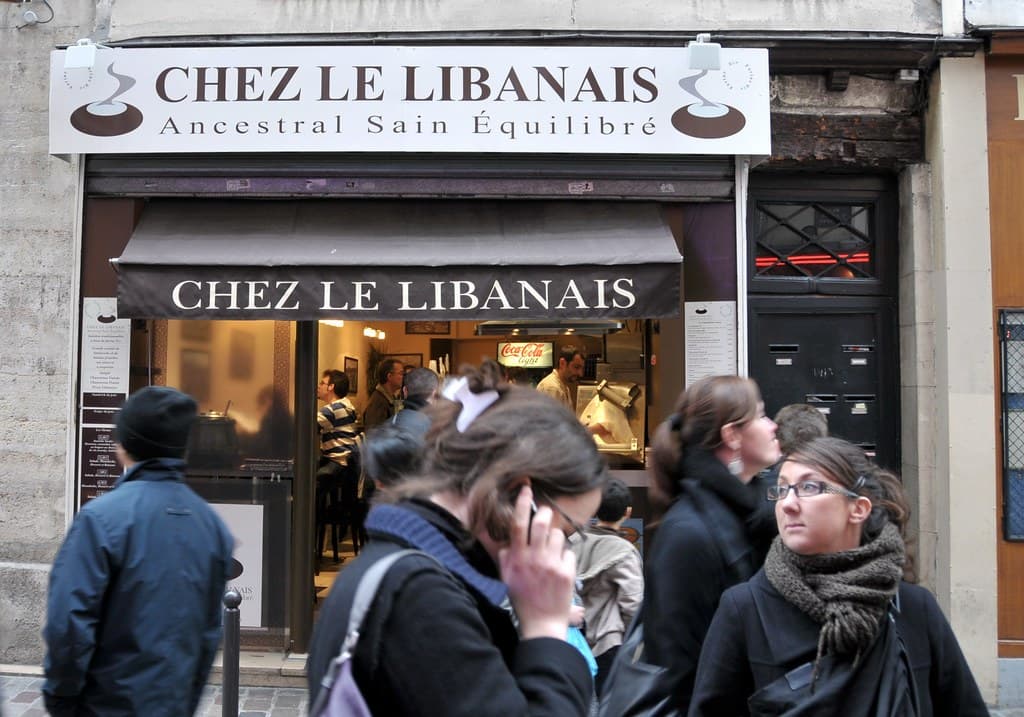 Chez le LibanaisHalalA small counter on Rue Saint-André des Arts, one of the busiest pedestrian stree16 minutes walk · $4.5Al DarHalalAl Dar is a Lebanese restaurant in the Latin Quarter, a few minutes on foot from8 minutes walk · $$4.1AssanabelHalalAssanabel is a small Lebanese restaurant on Rue Jacob, one of the prettiest and 21 minutes walk · $$4.9
Roman Paris's name: a Gallo-Roman town on the Left Bank and the island, flourishing for centuries with its baths (surviving at the Cluny museum) and this arena. 'Paris' came later from the Gallic Parisii tribe — the arena predates the city's very name.
Quarried after Rome fell, then buried centuries under ramparts and orchards, its authentic remains are the lower tiers, beast-cells and stage base — the upper rim is approximate restoration. Its value is Parisian, not architectural: the only one, swallowed and revived by its quarter.
From Rue Monge: gate 49 looks like an apartment doorway — enter the passage and the arena opens. Or the garden gates on Rue de Navarre. Half of passers-by never suspect it — exactly what makes those who enter so pleased.