
A convent turned gallery
Seventeenth-century cloisters converted into modern white spaces.
Kippelboy — CC BY 4.0 · Enric — CC BY-SA 4.0 · Enric — CC BY-SA 4.0 · pere prlpz — CC BY-SA 3.0
A contemporary arts centre at the lower end of La Rambla near the port, in a seventeenth-century convent building wholly converted. The building is worth entering in itself: old cloisters turned into wide white galleries with metal stairs and modern lighting, a good example of how Barcelona treats its old fabric — keeping the structure and changing the function entirely. The programme is temporary exhibitions throughout: contemporary art, photography, architecture and sometimes shows joining art to science. There is no permanent collection, so the value follows exactly what is on. What makes it worth stopping for is its position and its price: you are on La Rambla amid unending crowds, entry is free, and inside is quiet and air-conditioned. That combination is rare in this part of Barcelona. Check the current exhibition before going in if contemporary art interests you; if you only want a break from the crowds, the building alone is enough.
Seventeenth-century cloisters converted into modern white spaces.
One thing that costs nothing on Barcelona's most draining street.
The difference between inside and outside is half the value here.
The lower end of La Rambla
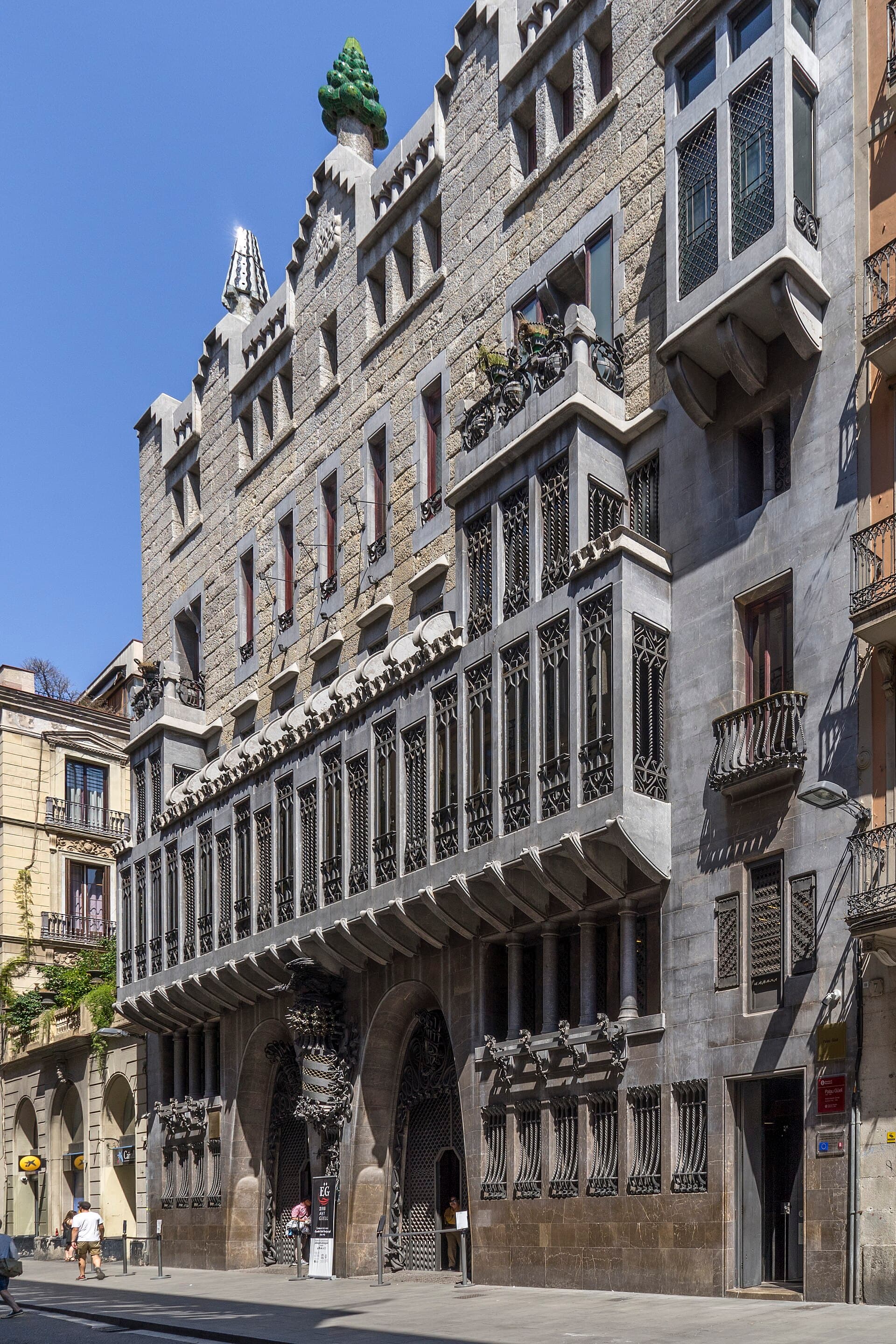 Palau GüellPalau Güell is young Gaudí in his first great work: a palace built in the 1880s 3 minutes walk4.7
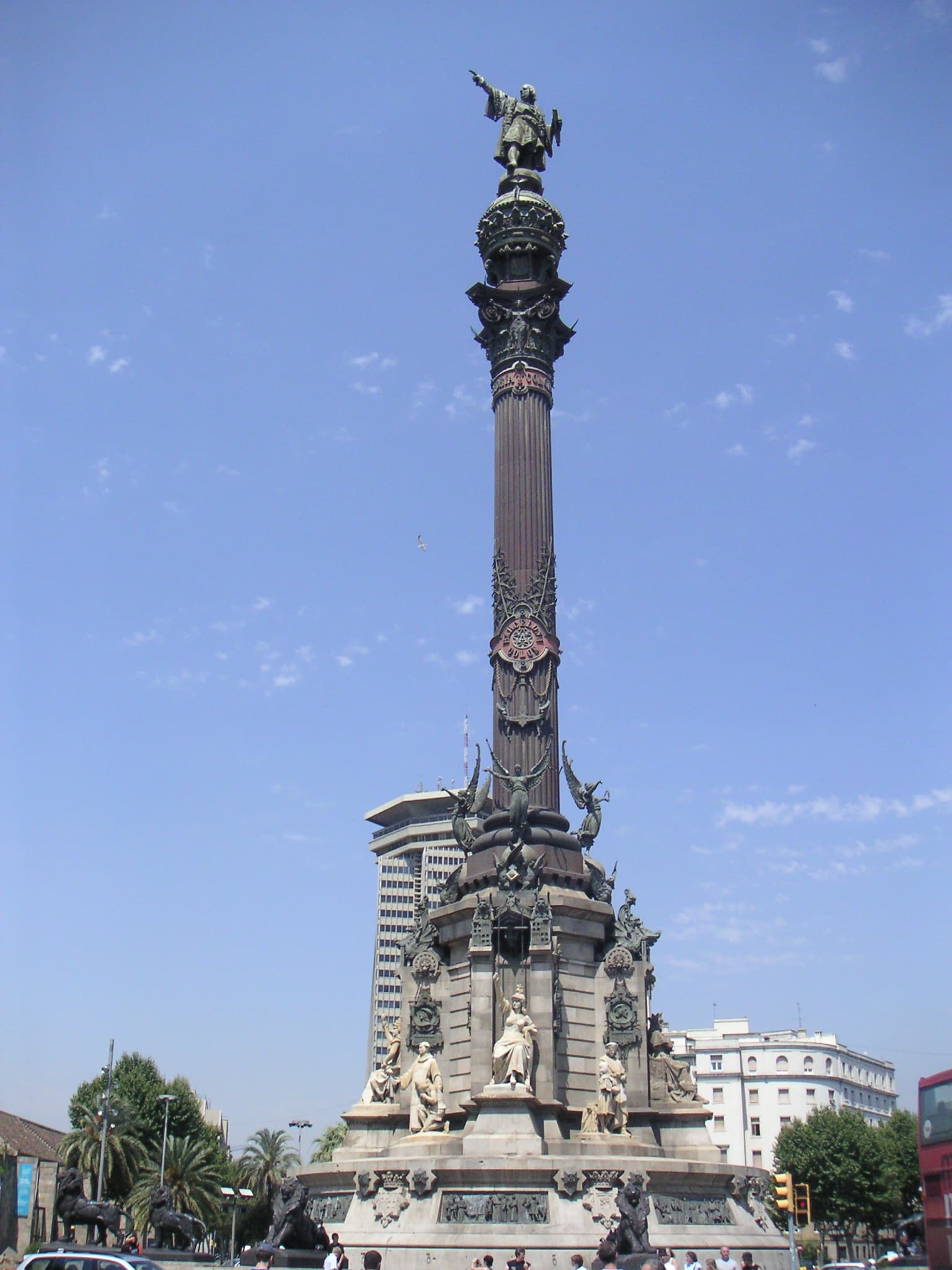 Columbus MonumentThe Columbus Monument stands at the sea end of La Rambla, where the old city mee3 minutes walk4.4
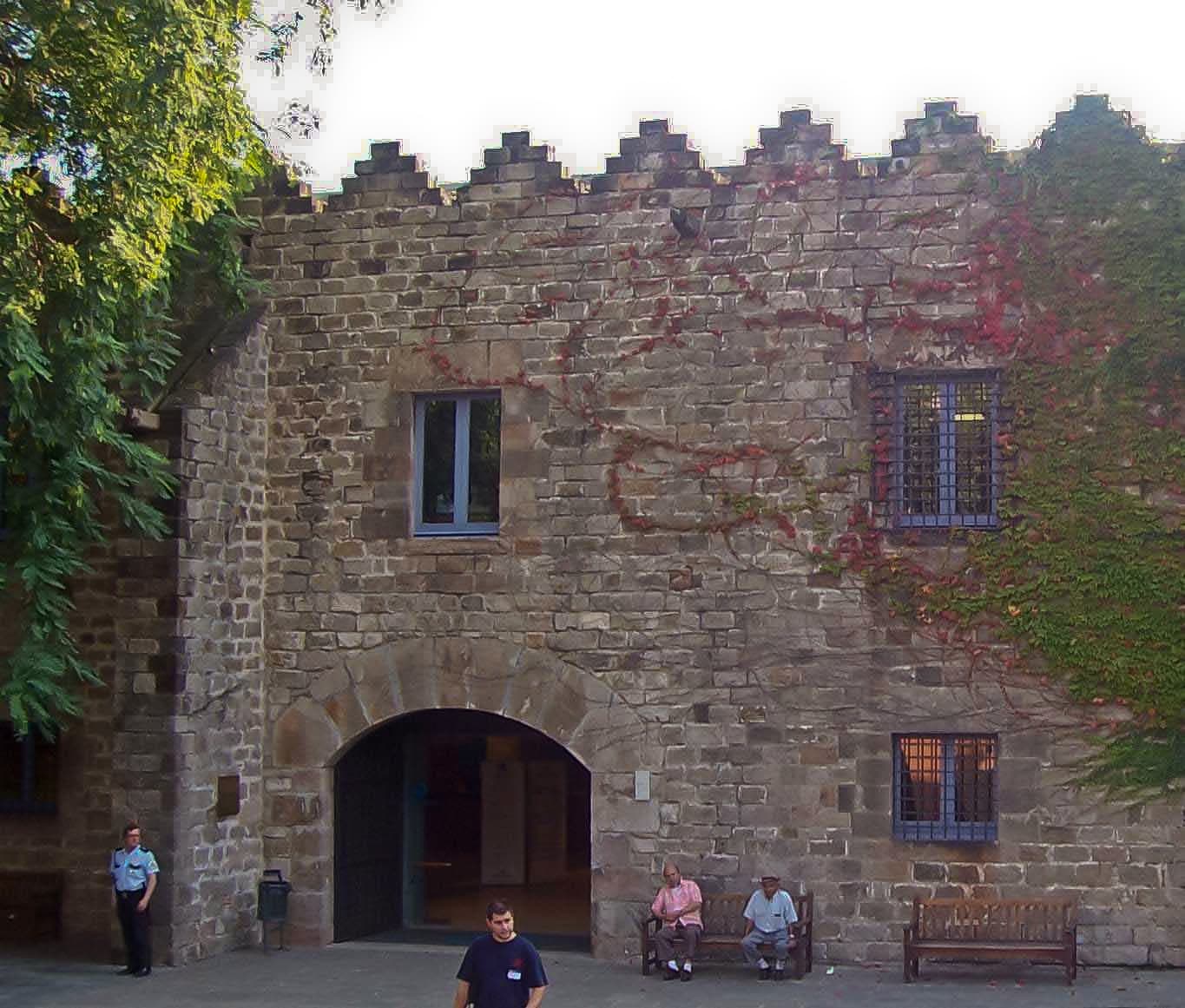 Maritime Museum of BarcelonaThe Maritime Museum occupies the Drassanes Reials, the royal shipyards the Crown3 minutes walk4.5
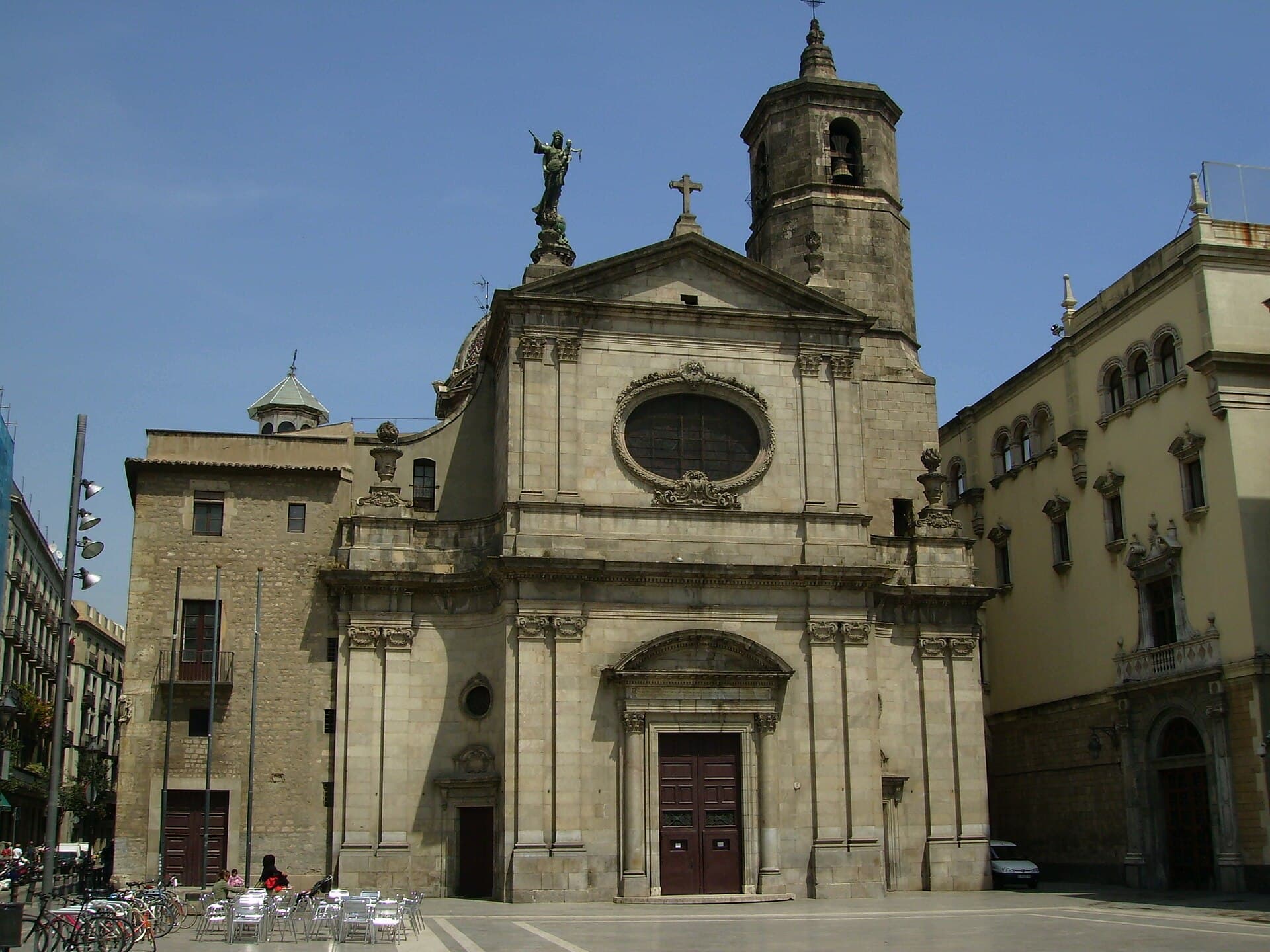 Basílica de la MercèA Baroque church on a small square near the harbour, dedicated to the Virgin und5 minutes walk4.7
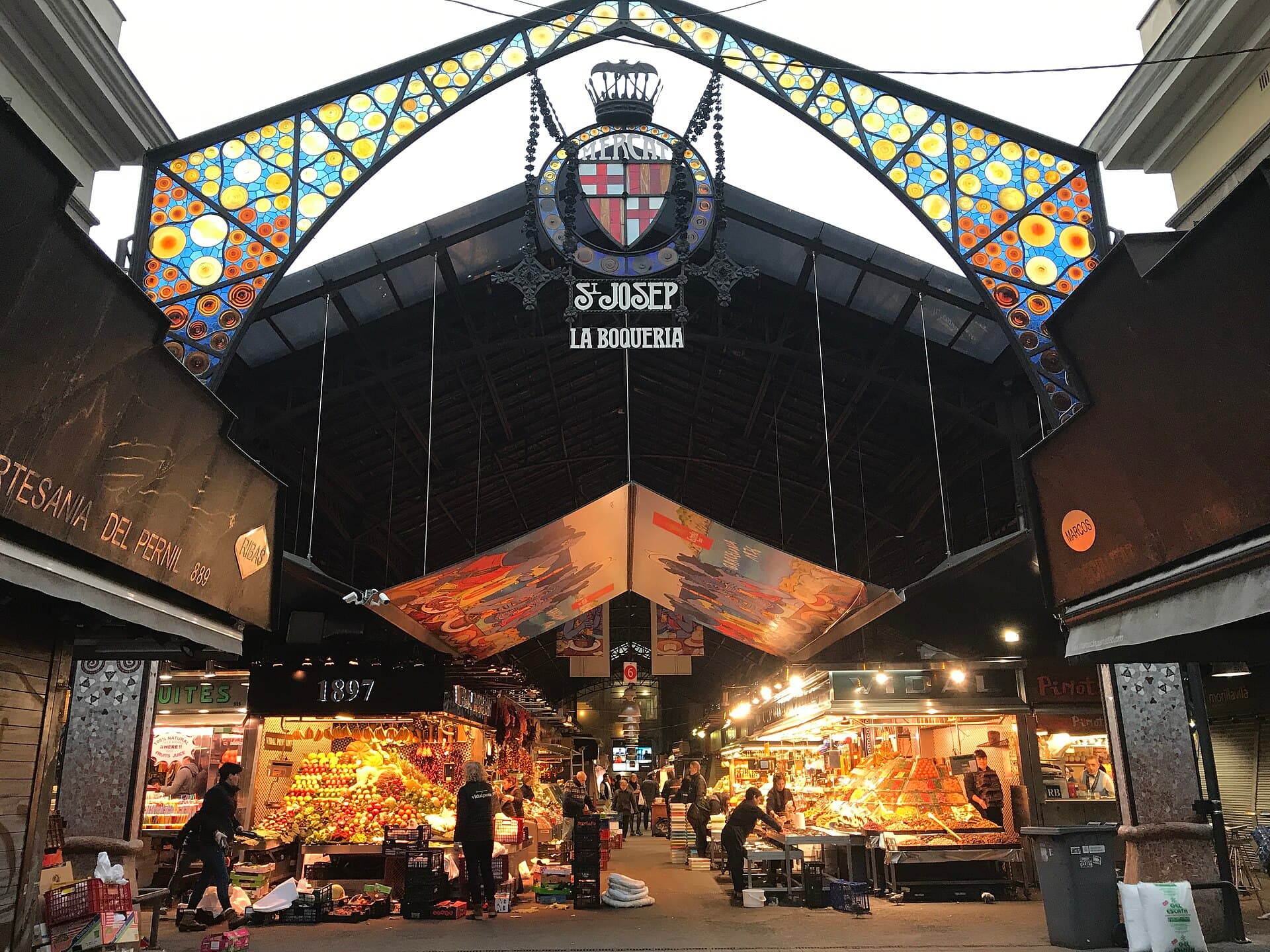 La Boqueria MarketThe Boqueria is Europe's most famous food market: an iron-and-stained-glass gate8 minutes walk4.6
Yes, as a break. La Rambla is exhausting — crowds, hawkers and heat — and here entry is free and the interior wide and quiet. Twenty minutes resets your day. And if the exhibition appeals, you may stay longer.
The Columbus monument at the street's end, the old port and its wooden walkway over the water, the wax museum, and the Gothic Quarter to the east with its narrow lanes. The lower Rambla is closer to the sea and slightly less crowded than its middle.