
The sky dome
A three-storey salon under a star-pierced dome — the family's music theatre.
Thomas Ledl — CC BY-SA 4.0 · FrDr — CC BY-SA 4.0 · FrDr — CC BY-SA 4.0 · FrDr — CC BY-SA 4.0
Palau Güell is young Gaudí in his first great work: a palace built in the 1880s for his devoted patron, the industrialist Eusebi Güell, in a side lane off La Rambla — and in it you watch the birth of the language that would become Batlló, Milà and the Sagrada. The heart is a central salon three storeys high under a dome pierced with points of light like a night sky, ringed by family galleries and a great organ still played. The manner here is darker and more oriental than his later houses: deep woods, ironwork of astonishing craft, screened arches echoing the East — a taste an Arab visitor reads with particular familiarity. The roof is a coloured finale: the first mosaic chimneys of what became his signature. Less famous and less crowded than the Passeig de Gràcia houses — UNESCO's quiet jewel for those who know.
A three-storey salon under a star-pierced dome — the family's music theatre.
Screens, arches and dark wood — young Gaudí conversing with the East.
Trencadís mosaic's debut on the roof — a signature being born.
Carrer Nou de la Rambla 3-5, 08001 Barcelona
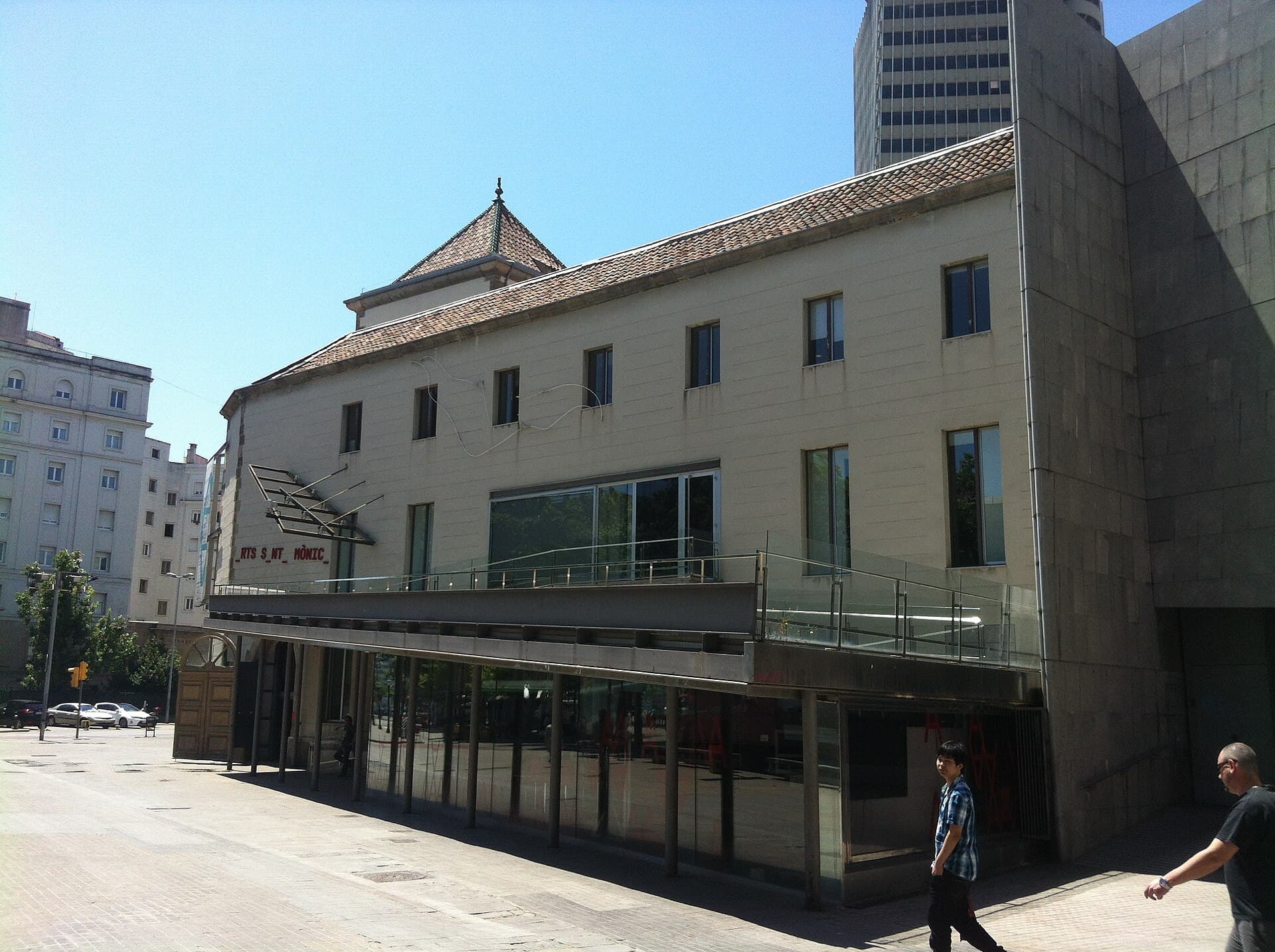 Arts Santa MònicaA contemporary arts centre at the lower end of La Rambla near the port, in a sev3 minutes walk4.4
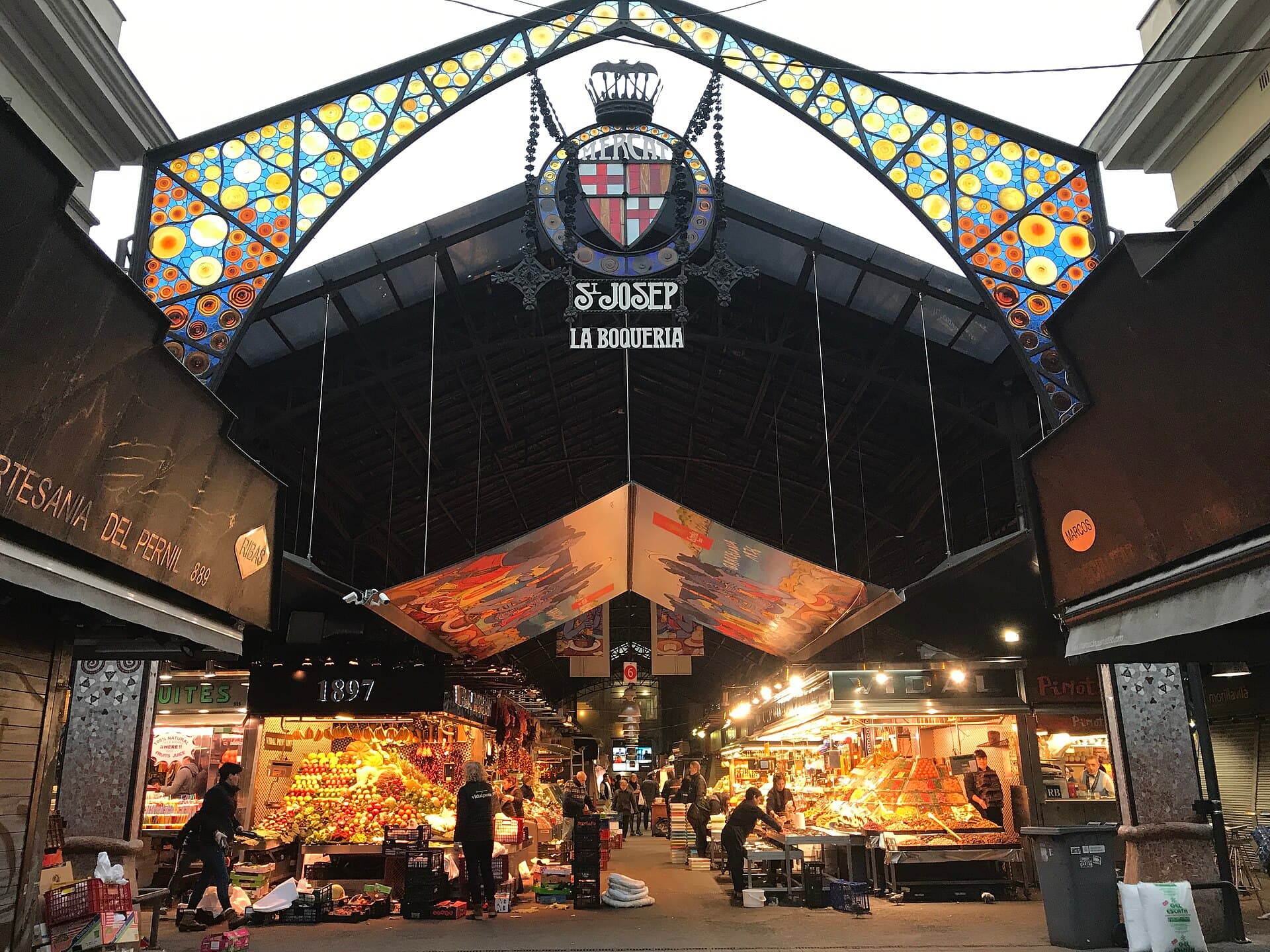 La Boqueria MarketThe Boqueria is Europe's most famous food market: an iron-and-stained-glass gate5 minutes walk4.6
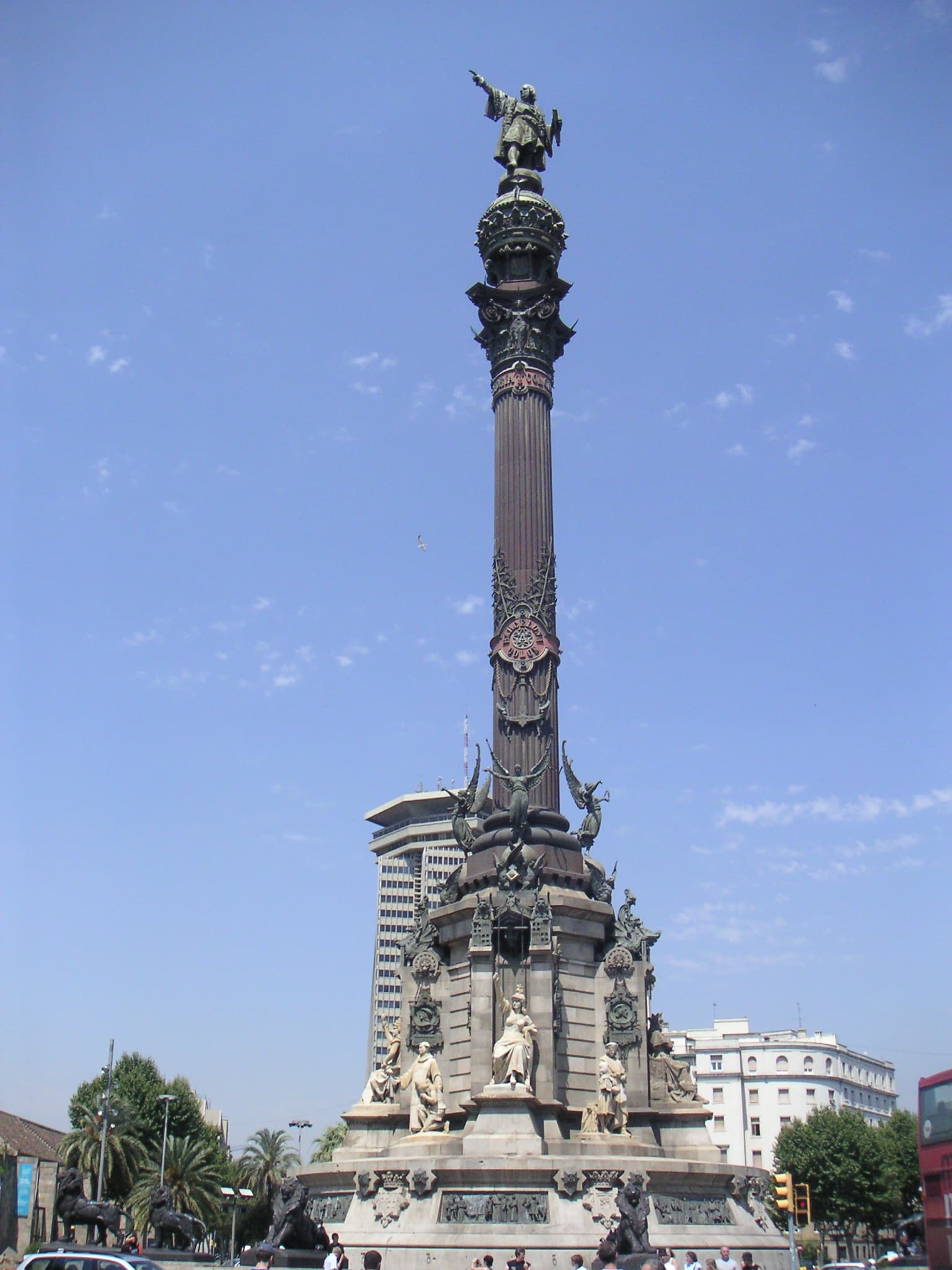 Columbus MonumentThe Columbus Monument stands at the sea end of La Rambla, where the old city mee5 minutes walk4.4
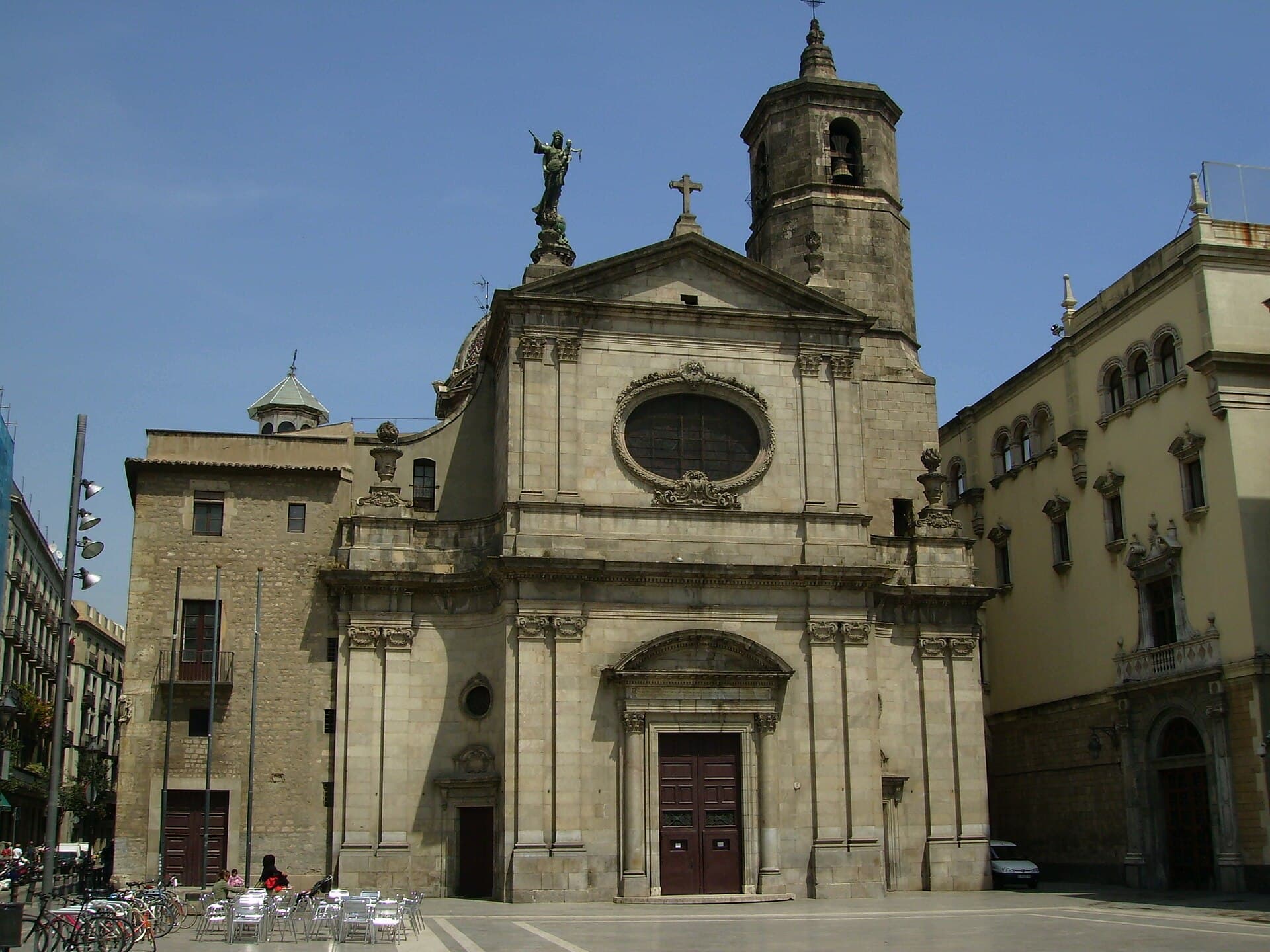 Basílica de la MercèA Baroque church on a small square near the harbour, dedicated to the Virgin und6 minutes walk4.7
 Maritime Museum of BarcelonaThe Maritime Museum occupies the Drassanes Reials, the royal shipyards the Crown6 minutes walk4.5
For the Gaudí devotee, clearly yes — here are the seed and the context, and the dome is a moment the other houses lack. For a one-day, one-house visitor: Batlló or Milà first. And for tight budgets: this is half their price with Gaudí's essence entire.
The lane sits right off La Rambla and the daytime approach is purely touristic. Deeper Raval is a working multicultural quarter with charm and eateries — and the usual big-city night caveats. A daytime visit carries no worry at all.
An hour with the audio guide, from the vaulted stables below to the roof chimneys — taken upward in that order, the building tells its own story.