
The Obelisco
At its midpoint.
leonardo samrani from rosario, argentina — CC BY 2.0 · Horacio Cambeiro — CC BY-SA 4.0 · Roberto Fiadone — CC BY 4.0 · Roberto Fiadone — CC BY-SA 4.0 · Unknown authorUnknown author — Public domain · Banfield — Public domain
Avenida 9 de Julio is Buenos Aires's broadest avenue and is often called one of the widest in the world, at about 140 metres across, cutting some three kilometres through the city centre between the great railway terminals of Retiro and Plaza Constitución. It is named after the day Argentina declared its independence, 9 July 1816. Its first stretch, just five hundred metres long, opened on 12 October 1937, and it grew in stages after that. At its midpoint stands the Obelisco, the city's symbol, where it crosses Avenida Corrientes; along one side rises the back of the Teatro Colón, and historic buildings, hotels and green strips line its length. It carries some twenty lanes of traffic, including dedicated bus lanes, and it often hosts celebrations and big events. Walking its pavements and crossing its squares is free, and looking along it from the Obelisco or the central islands gives a sense of its scale.
At its midpoint.
Along one side.
About twenty lanes.
Central Buenos Aires, between Retiro and Plaza Constitución
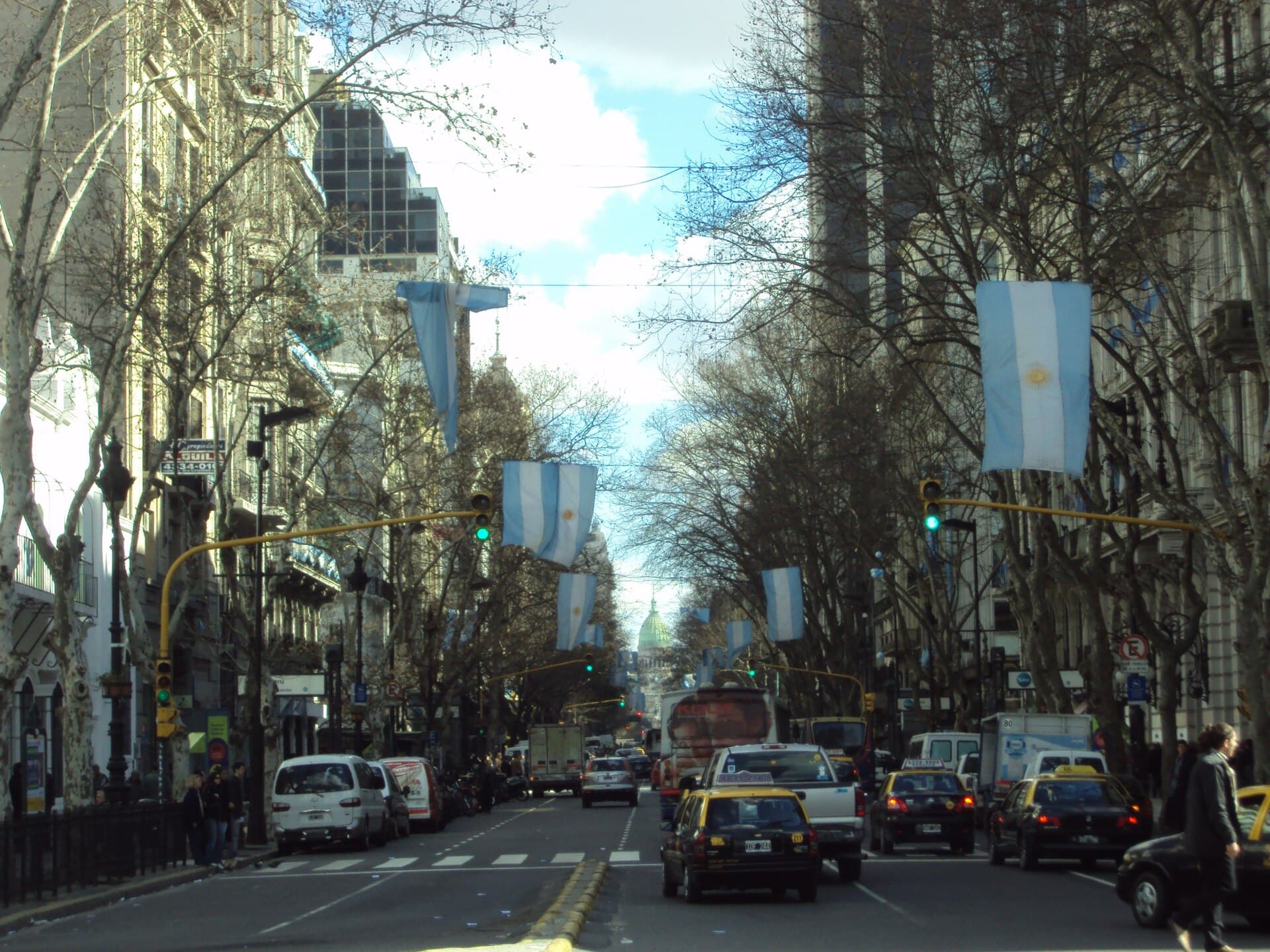 Avenida de MayoAvenida de Mayo was Buenos Aires's first grand boulevard, opened on 9 July 1894,4 minutes walk
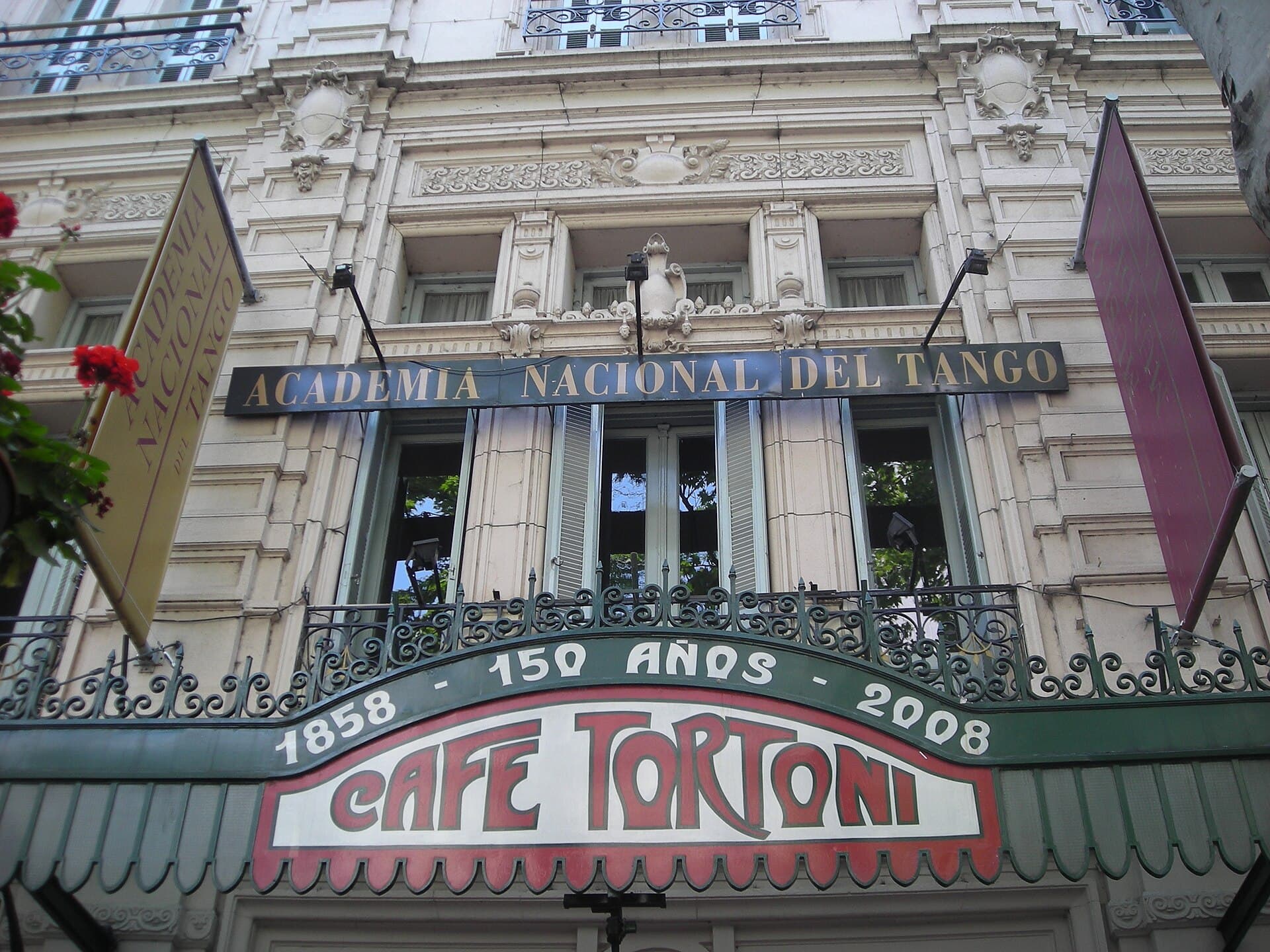 Café TortoniCafé Tortoni is Buenos Aires' oldest and best-known café, opened in 1858 by a Fr4 minutes walk4.6
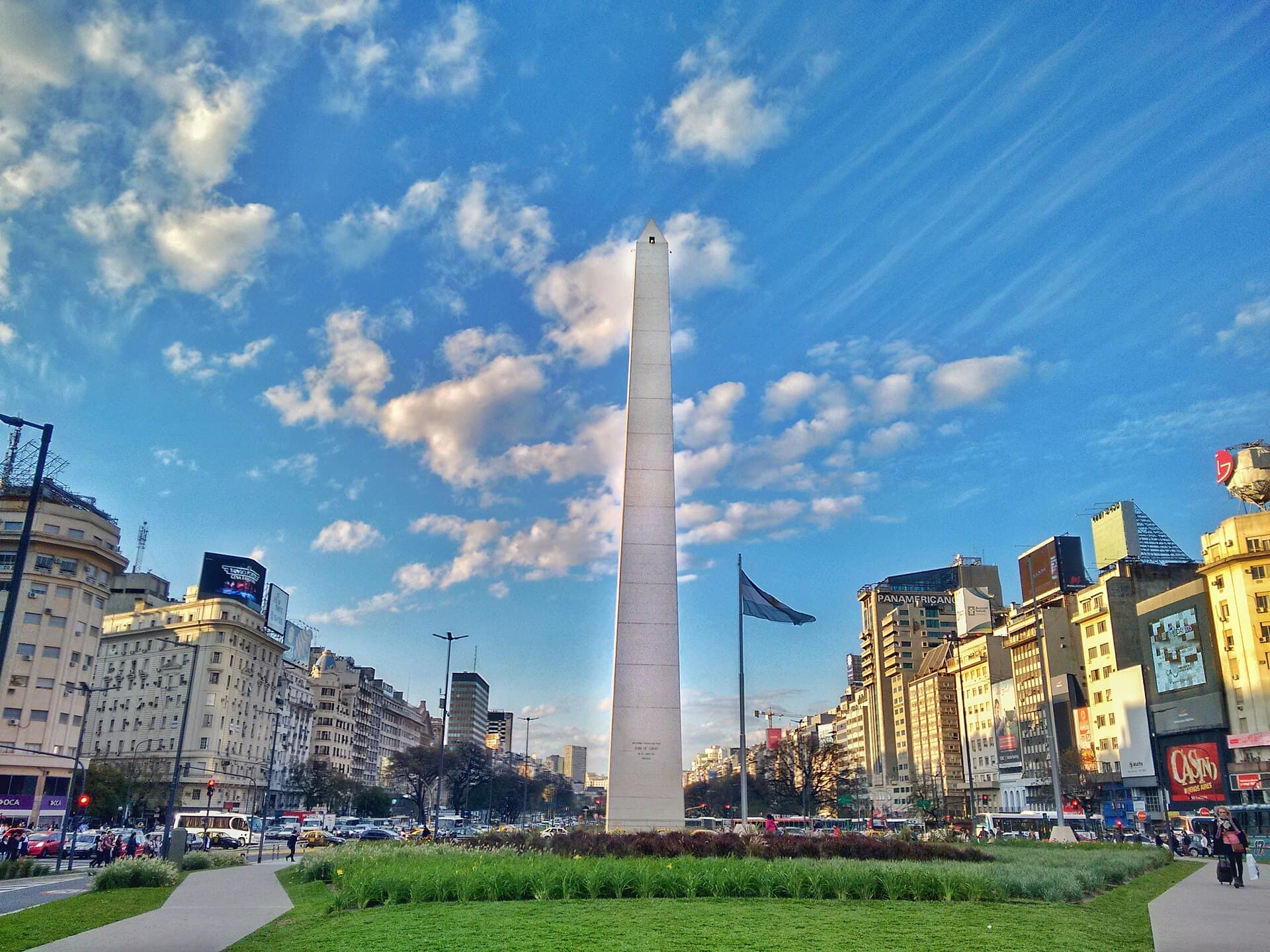 Obelisco de Buenos AiresThe Obelisco is the symbol of Buenos Aires, a white obelisk 67.5 metres high whe6 minutes walk4.5
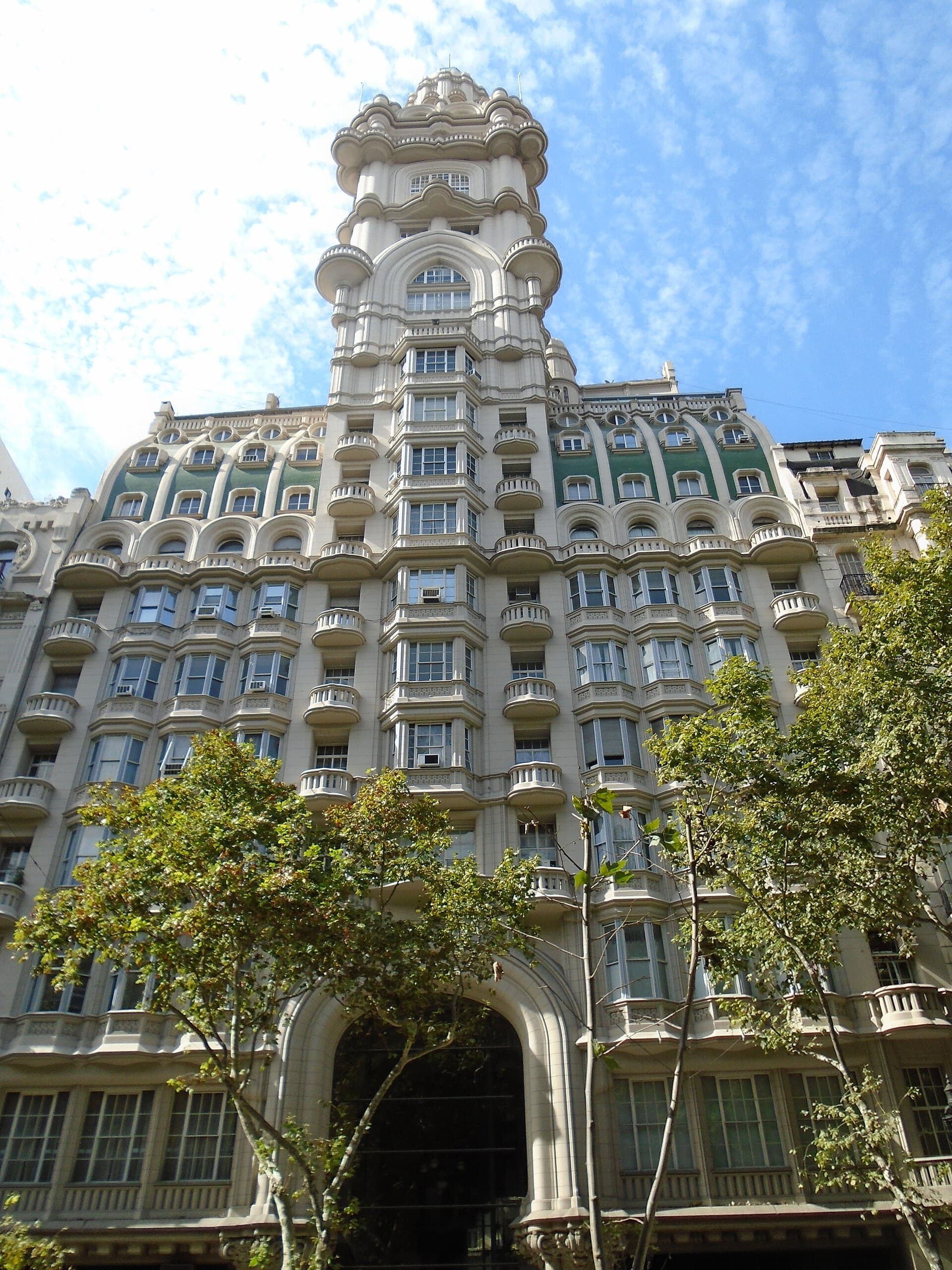 Palacio BaroloPalacio Barolo is an office building on Avenida de Mayo that was, on completion 6 minutes walk4.7
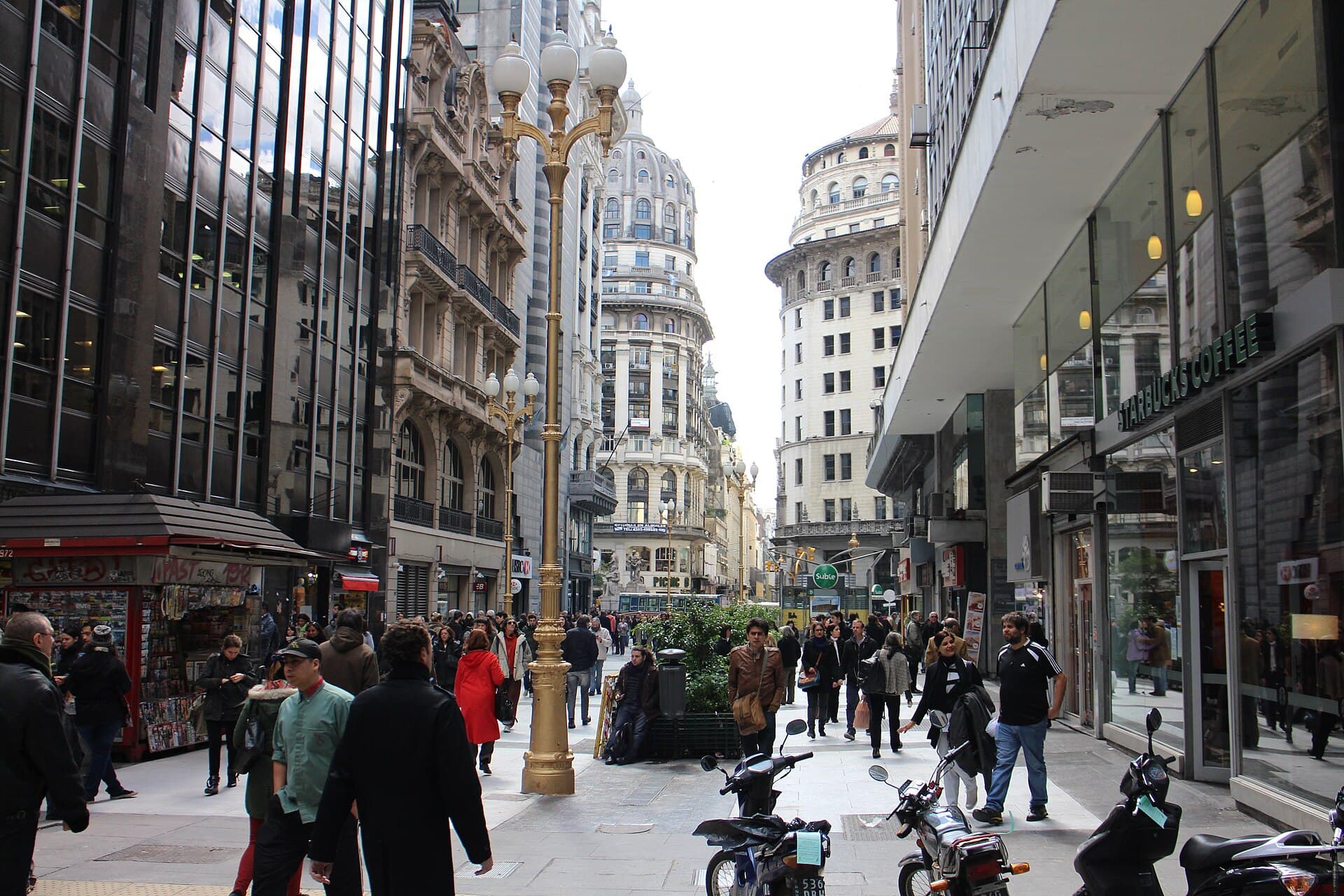 Calle FloridaCalle Florida is Argentina's best-known shopping street, a pedestrian way runnin7 minutes walk
About 140 metres, often called one of the widest avenues in the world.