
The facades
Domes and balconies.
Paulo JC Nogueira — CC BY-SA 3.0 · Roberto Fiadone — CC BY 4.0 · Alexis González Molina — CC BY-SA 3.0 · Aleksandrs Timofejev… — CC BY 3.0 · Unknown authorUnknown author — Public domain
Avenida de Mayo was Buenos Aires's first grand boulevard, opened on 9 July 1894, running about ten blocks between two famous squares: historic Plaza de Mayo to the east and Plaza del Congreso to the west. Modelled on the Paris boulevards, thirty metres wide with broad pavements, it became the backbone of the historic centre. It is lined with grand buildings from the late nineteenth and early twentieth centuries, with domes, balconies and ornate facades, old hotels and cafés, among them the famous Café Tortoni and the Palacio Barolo with its tall dome. So many Spanish immigrants lived and opened cafés and restaurants here that it became a symbol of the ties between Argentina and Spain. Beneath it ran the first underground line in the Southern Hemisphere, Line A. Walking it is free; the best way to discover it is to stroll from Plaza de Mayo to the Congress, looking up at the facades, with a stop in one of its old cafés.
Domes and balconies.
Tortoni and more.
Mayo to Congress.
From Plaza de Mayo to Plaza del Congreso, Monserrat
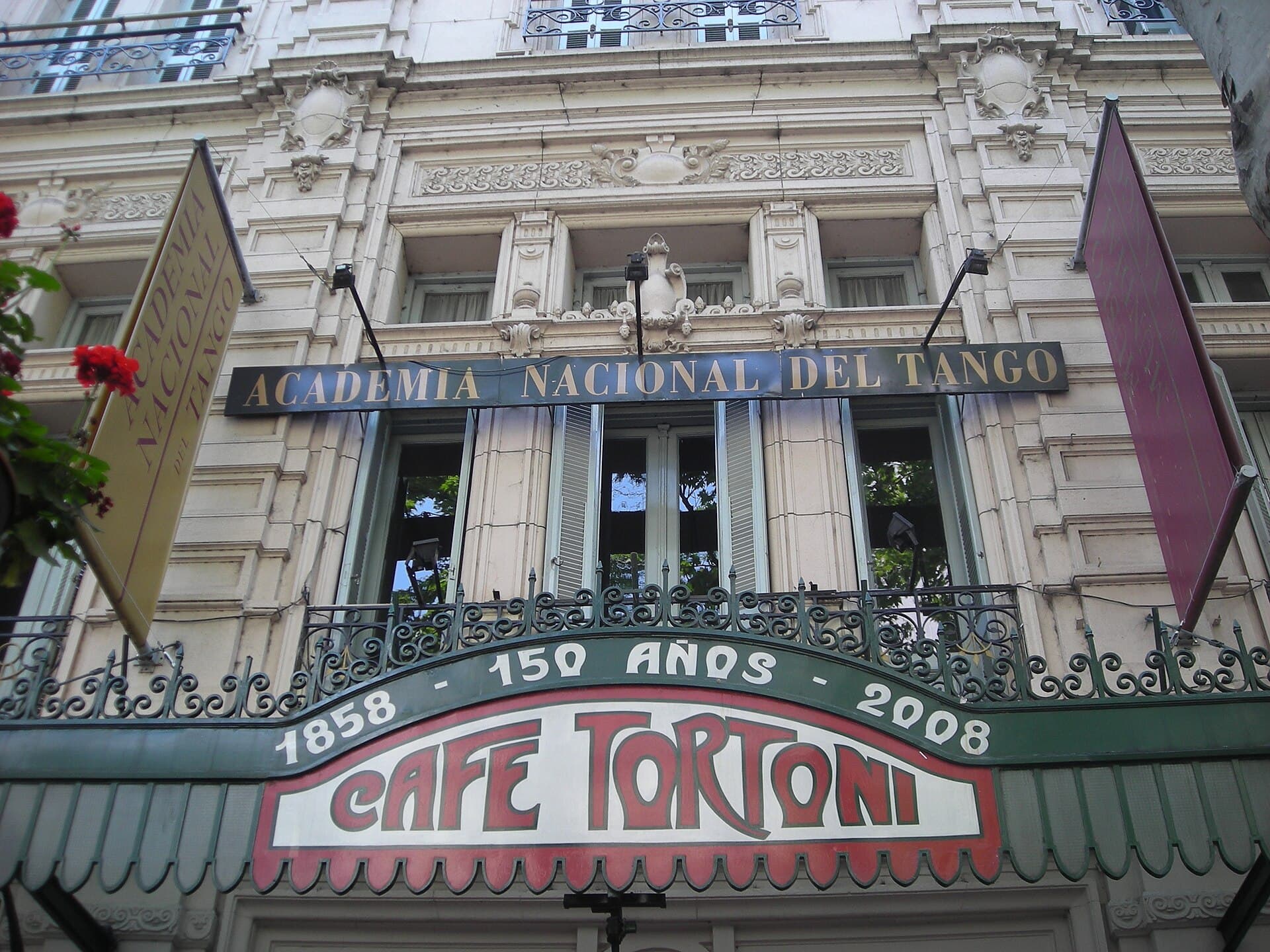 Café TortoniCafé Tortoni is Buenos Aires' oldest and best-known café, opened in 1858 by a Fr1 minute walk4.6
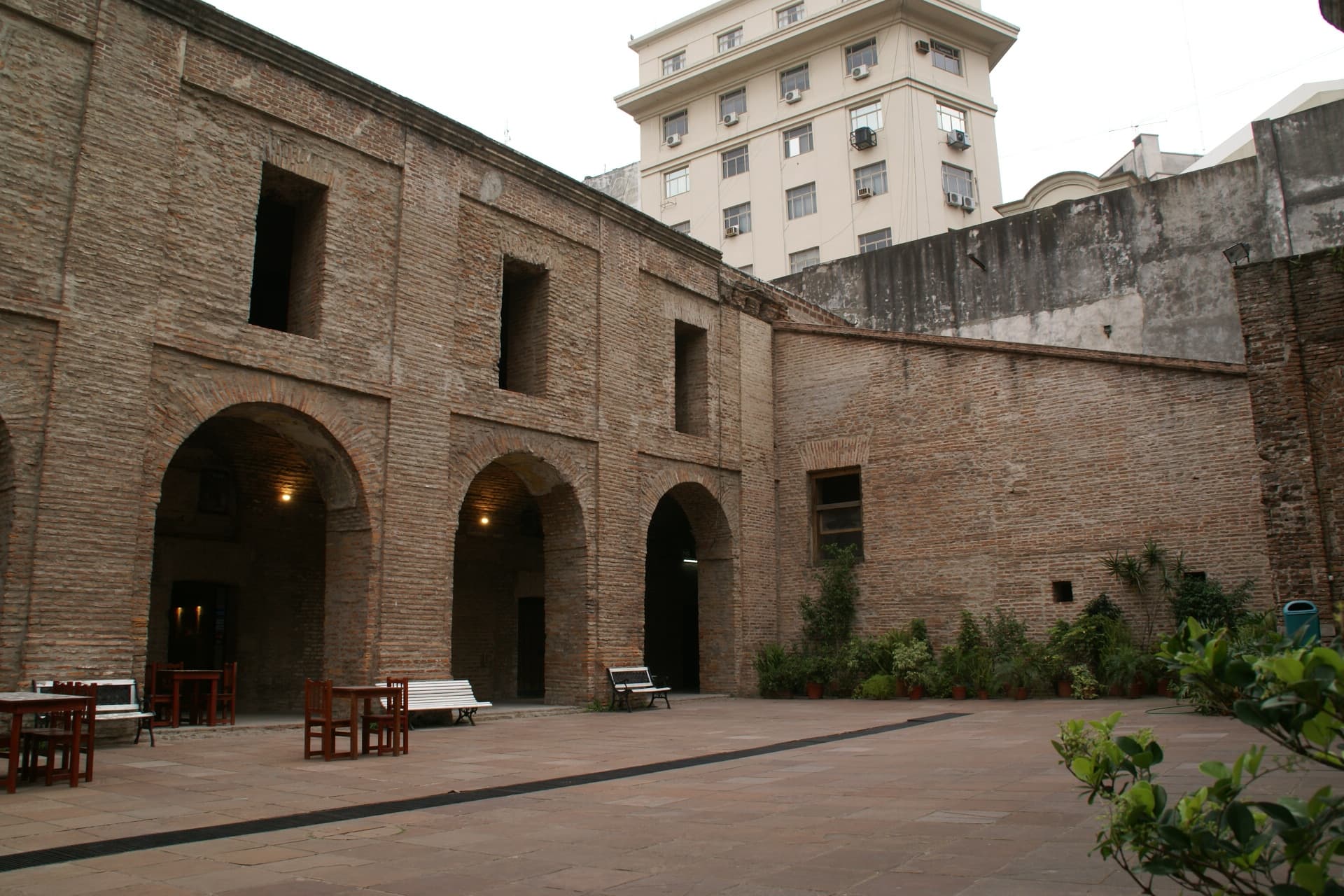 Manzana de las Luces (Block of Enlightenment)The Manzana de las Luces, the «Block of Enlightenment», is a historic complex fi5 minutes walk
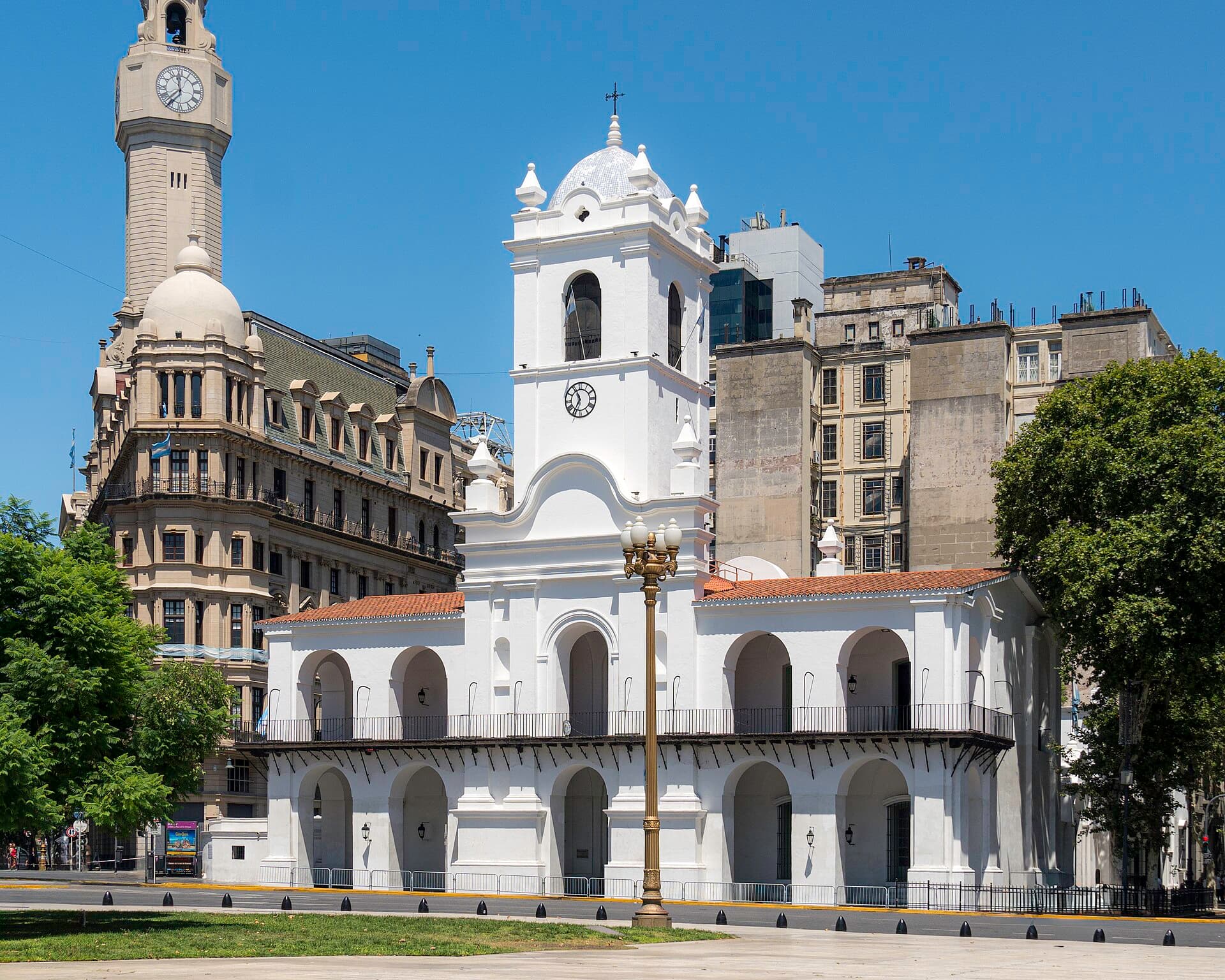 Cabildo of Buenos AiresThe Cabildo is a white arcaded building with a small tower facing Plaza de Mayo.6 minutes walk4.7
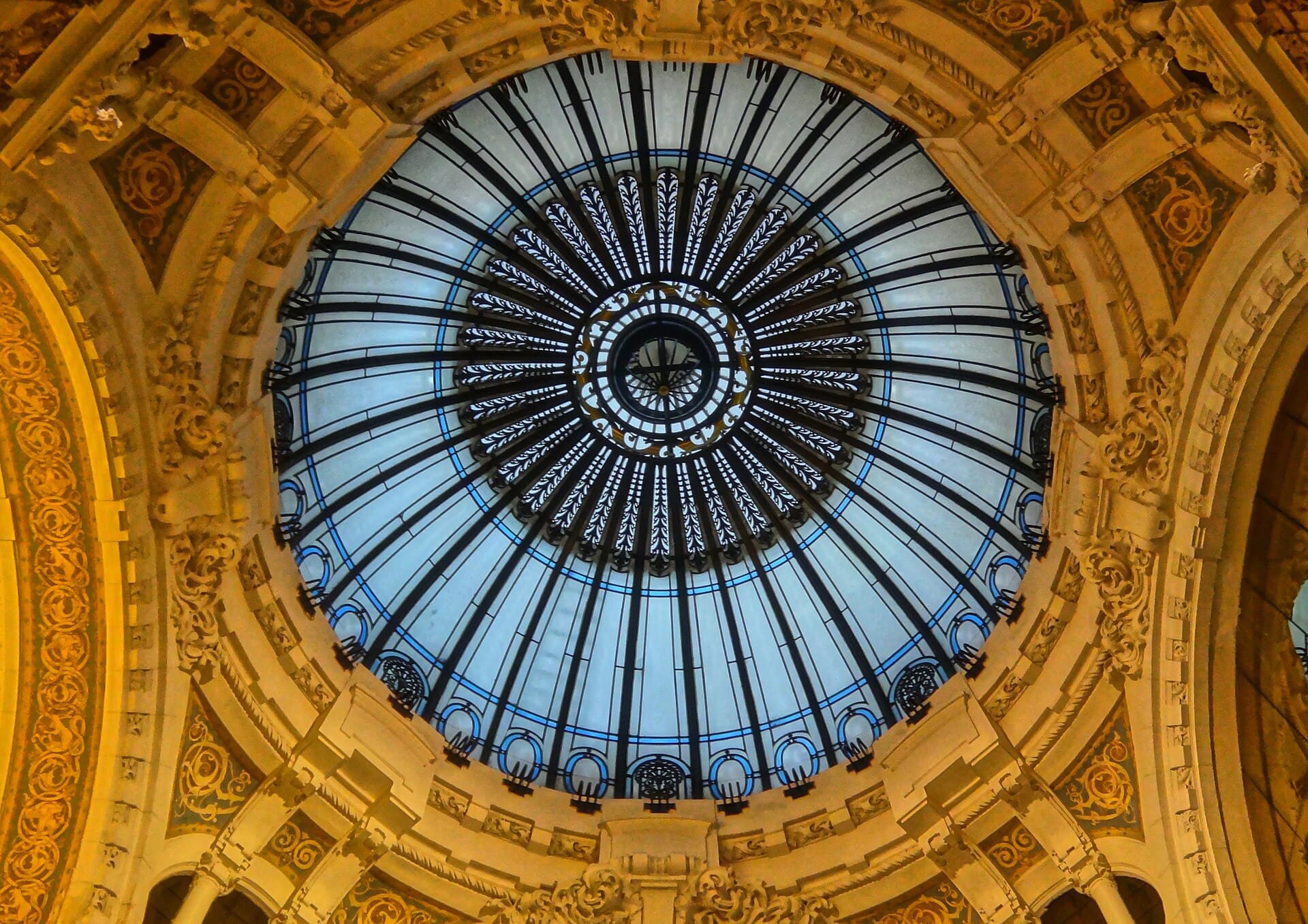 Galería Güemes and its ViewpointThe Galería Güemes is an Art Nouveau building in the heart of Buenos Aires, open6 minutes walk
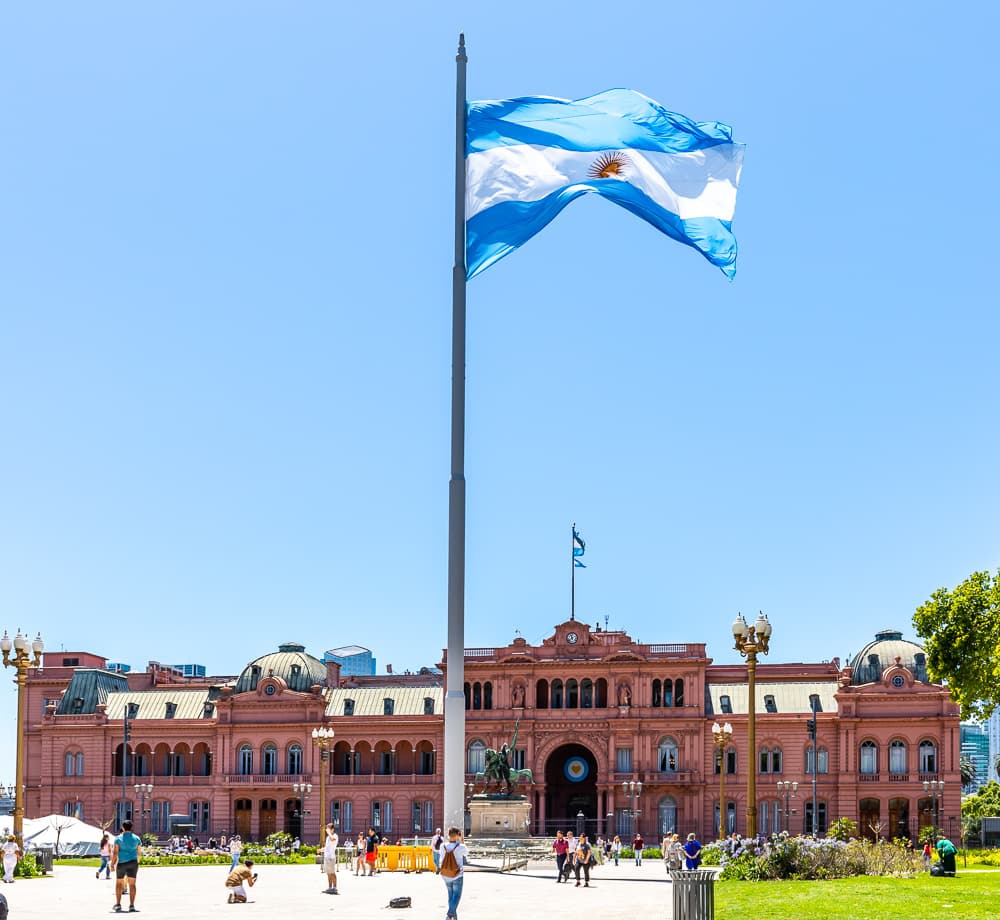 Plaza de Mayo and the Casa RosadaPlaza de Mayo is the main square of Buenos Aires and its historic heart since th7 minutes walk4.5
Walk the ten or so blocks from Plaza de Mayo to Plaza del Congreso, stopping at its old cafés.