
The top deck
Open since October 2025.
Sebastianalmaraz — CC BY-SA 4.0 · Juanedc from Zaragoza, España — CC BY 2.0 · Avimalya Ganguly — CC BY-SA 3.0
The Obelisco is the symbol of Buenos Aires, a white obelisk 67.5 metres high where Avenida 9 de Julio, one of the widest avenues in the world, meets Avenida Corrientes. It was put up in 1936 for the 400th anniversary of the city's first founding, designed by the architect Alberto Prebisch and built of reinforced concrete faced with white stone in just 31 days, and it is a national historic monument. For the first time in its history, the viewing deck at the top opened to the public on a regular basis in October 2025: a lift takes visitors up to the four windows near the tip, looking down 9 de Julio in both directions, along Corrientes with its theatres and over the rooftops of the centre. The square around it is where the city celebrates, from football victories to marches. Going up needs an online booking for a set time and places are limited, so book early, especially for sunset.
Open since October 2025.
Among the world's widest.
The theatre street.
Plaza de la República, Avenida 9 de Julio at Corrientes
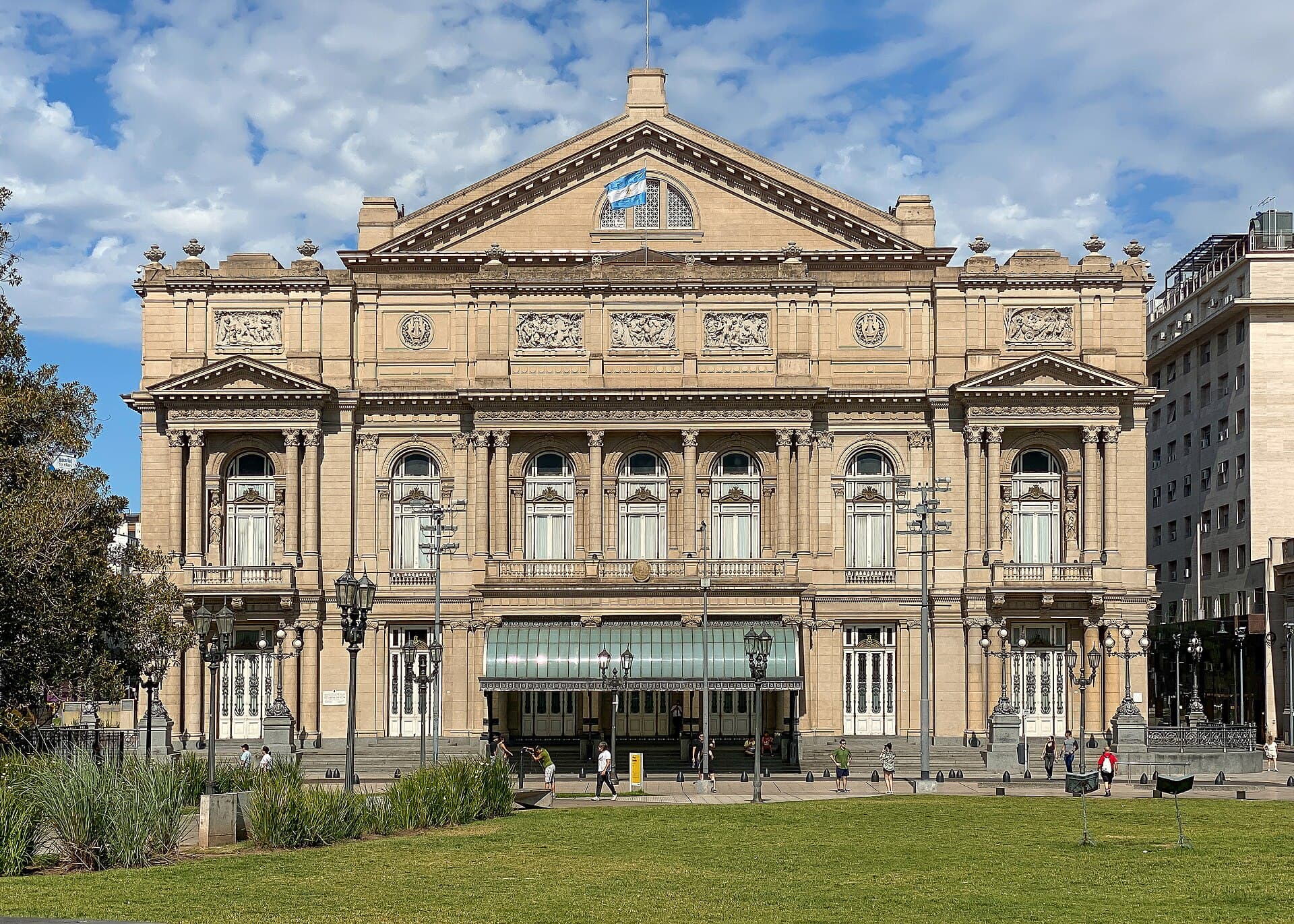 Teatro ColónThe Teatro Colón is Buenos Aires's great opera house and one of the finest-sound4 minutes walk4.7
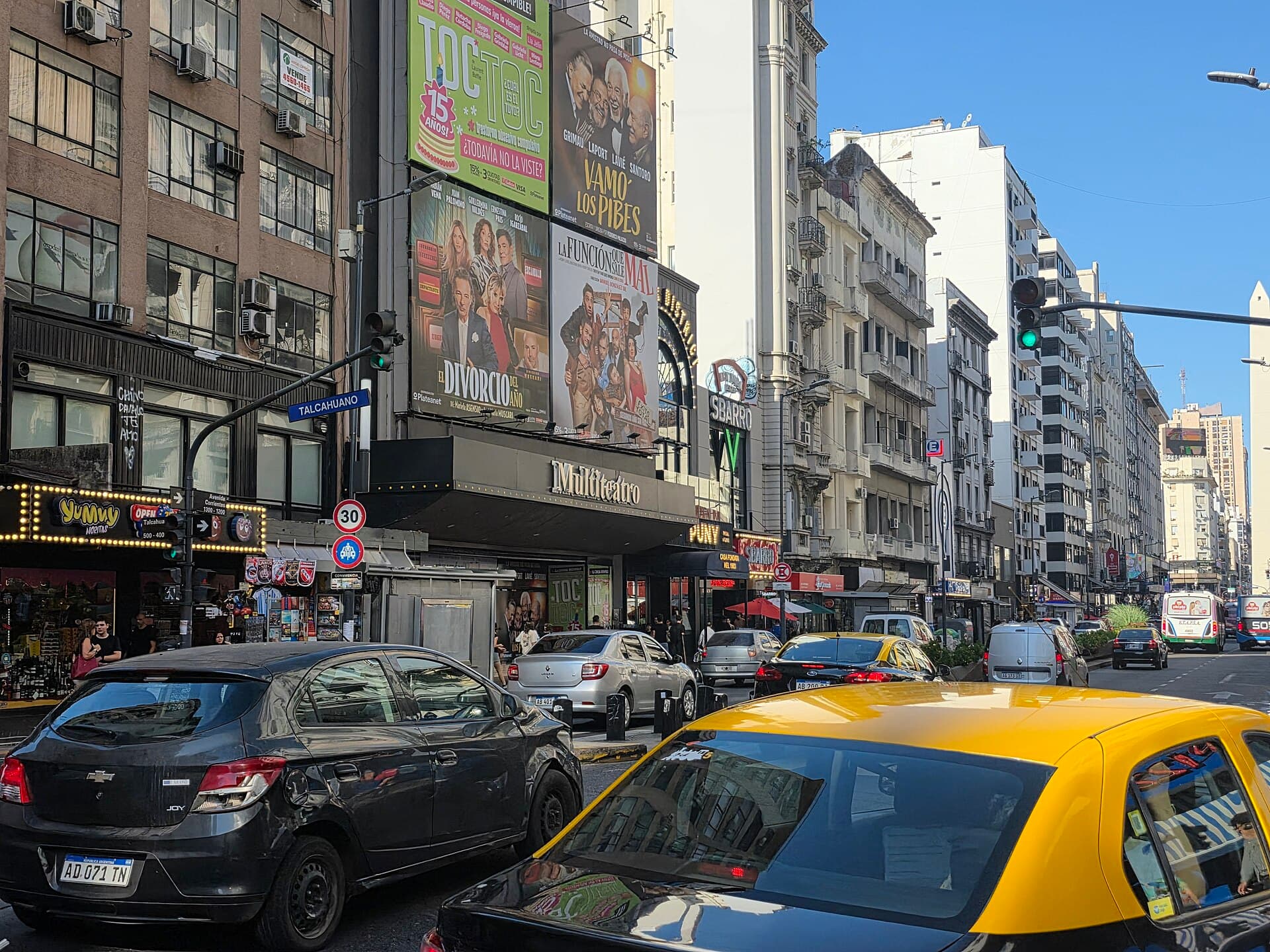 Avenida CorrientesAvenida Corrientes is Buenos Aires's great avenue of theatres and the heart of i5 minutes walk
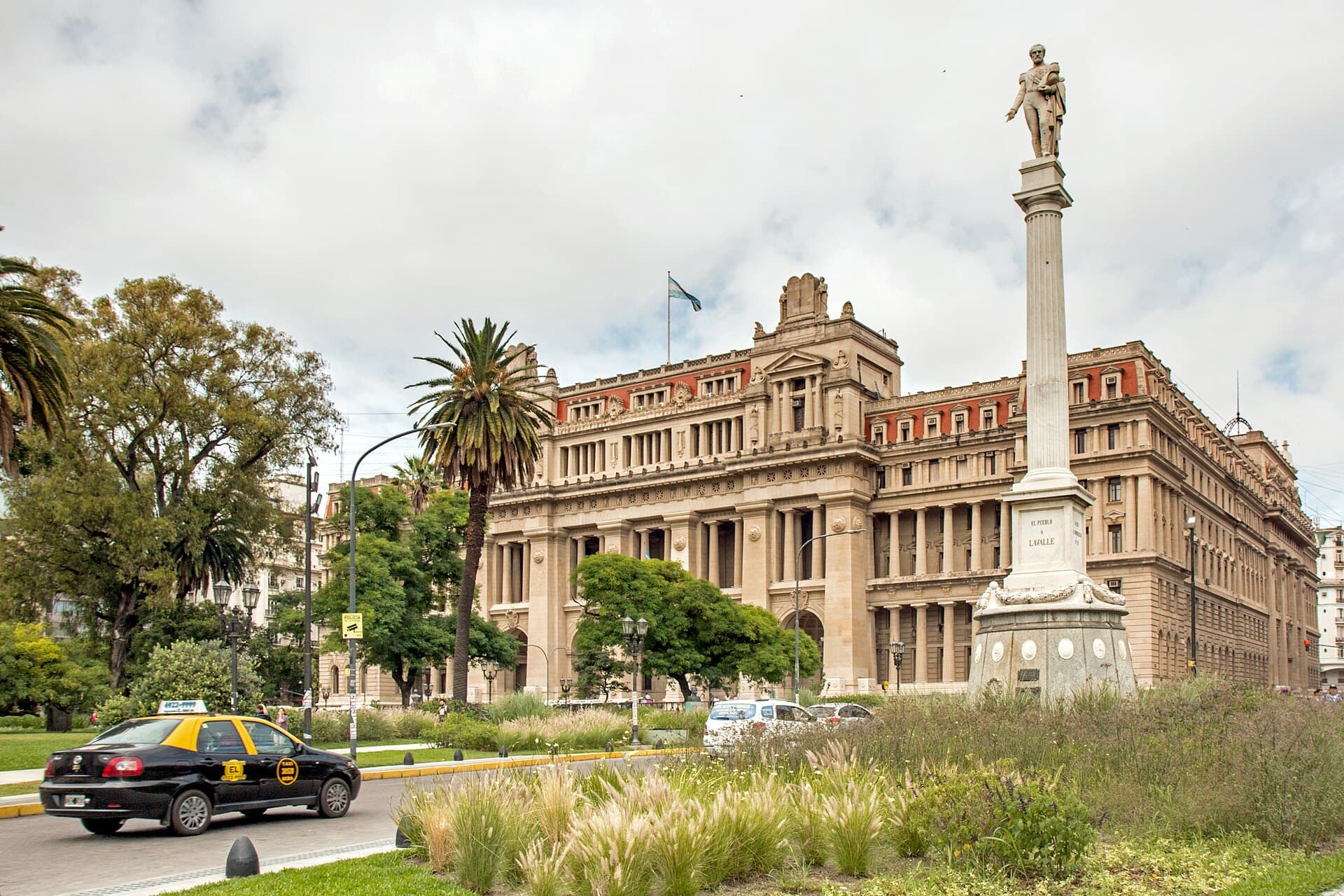 Palacio de Justicia (Tribunales)The Palace of Justice, popularly known as Tribunales, is the seat of Argentina's5 minutes walk
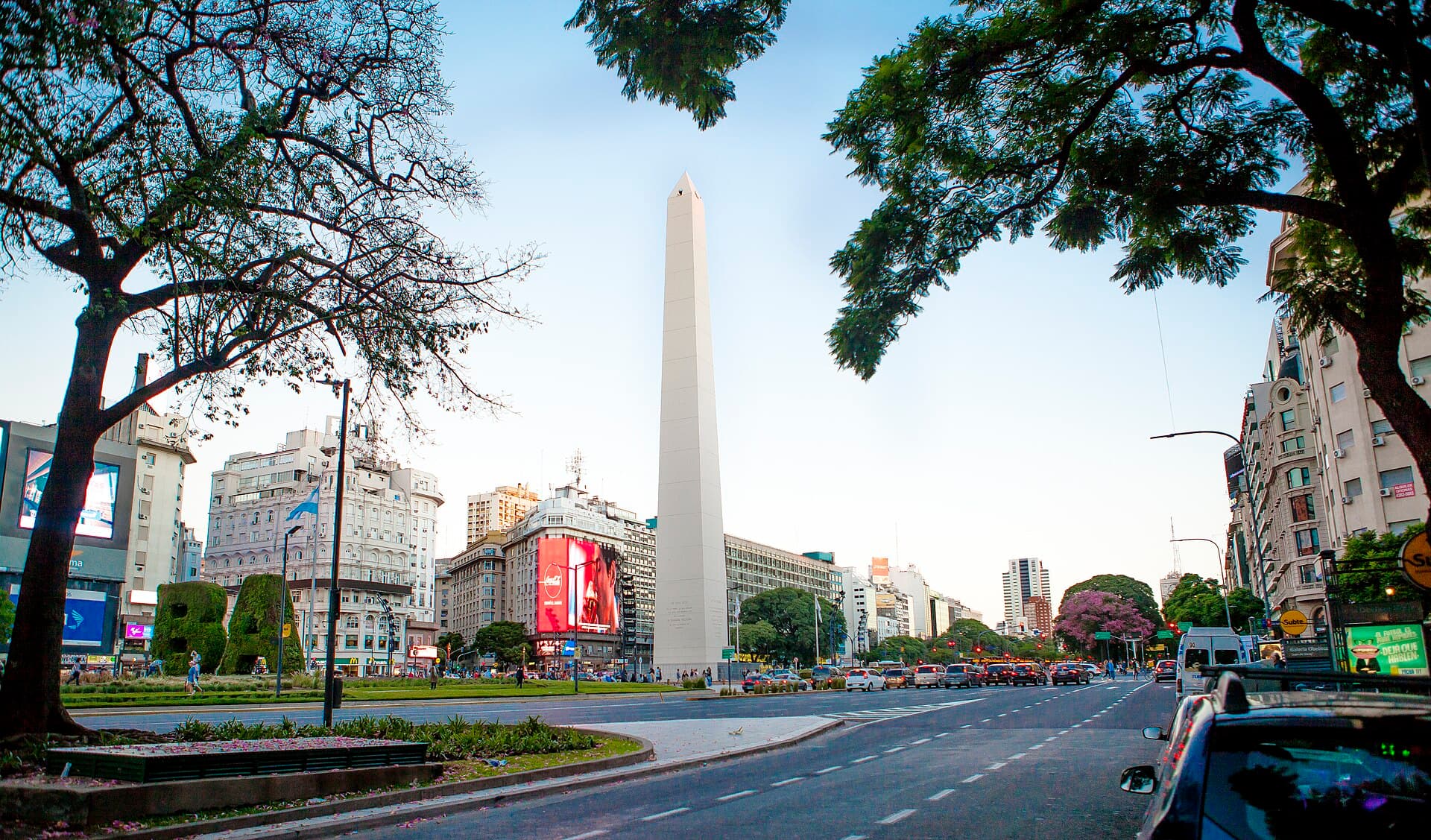 Avenida 9 de JulioAvenida 9 de Julio is Buenos Aires's broadest avenue and is often called one of 6 minutes walk
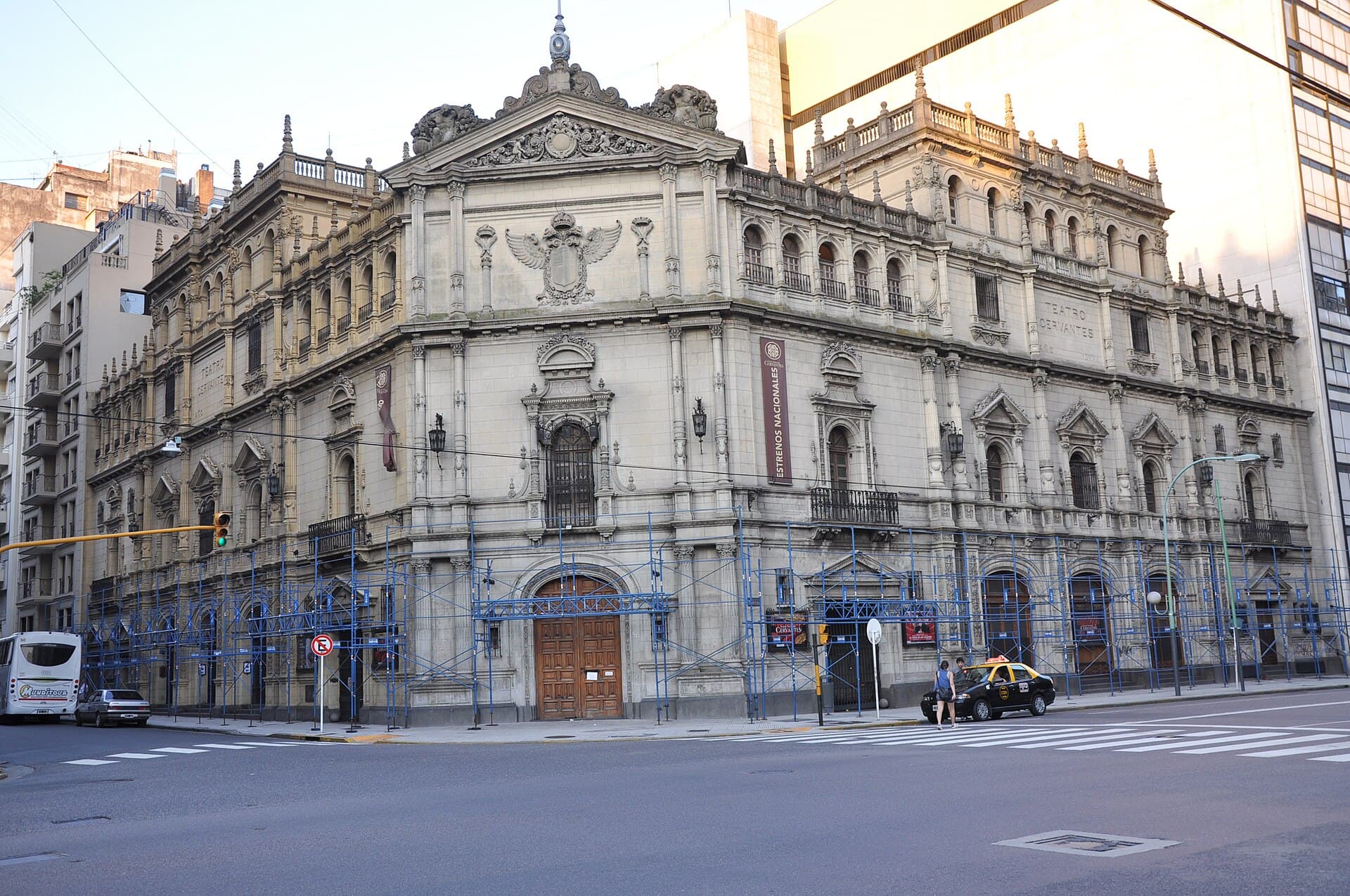 Teatro Nacional Cervantes (Cervantes Theatre)The Cervantes is Argentina's only national theatre, founded by the celebrated Sp7 minutes walk
Yes. Since October 2025 a lift takes visitors to the viewing deck, booked online for a set time, at ARS 36,000 for non-residents in 2026.