
Caftan and chedda
Tetouani costume.
The moorish men — CC BY-SA 4.0 · The moorish men — CC BY-SA 4.0 · Jaro Varga — CC BY-SA 3.0 · Jaro Varga — CC BY-SA 3.0 · Oumaima Achoua — CC BY-SA 4.0 · Abu Shar Namureh — CC BY-SA 4.0 · Lee Kyung-joon — CC BY-SA 2.0 · Jaro Varga — CC BY-SA 3.0
An ethnographic museum in an old defensive bastion at Bab El Okla, one of the historic gates of Tetouan's medina, built around 1830 and 1831, and one of the finest museums in northern Morocco, gathering Tetouan's heritage, crafts and Andalusian traditions. Its galleries show traditional Tetouani dress, among them gold-embroidered caftans and the chedda, the Tetouani bride's costume with its jewellery and crown, along with fine Tetouani embroidery, ceramics, brass, traditional weapons and the instruments of the Andalusian music for which the city is known. Some rooms are arranged as a traditional Tetouani home, with seating, furnishings and tableware, carved wooden ceilings, arches and zellij. The bastion looks over the medina and its walls, and the gate with its stone stairway is one of the loveliest entrances to the old town. An adult ticket costs twenty dirhams according to the National Museums Foundation, half for ages twelve to eighteen; it opens from ten to six and closes on Tuesdays. It stands on the eastern edge of the medina, a fitting end to a walk through it.
Tetouani costume.
Traditional rooms.
Traditional instruments.
Bab El Okla gate, eastern edge of the medina, Tetouan
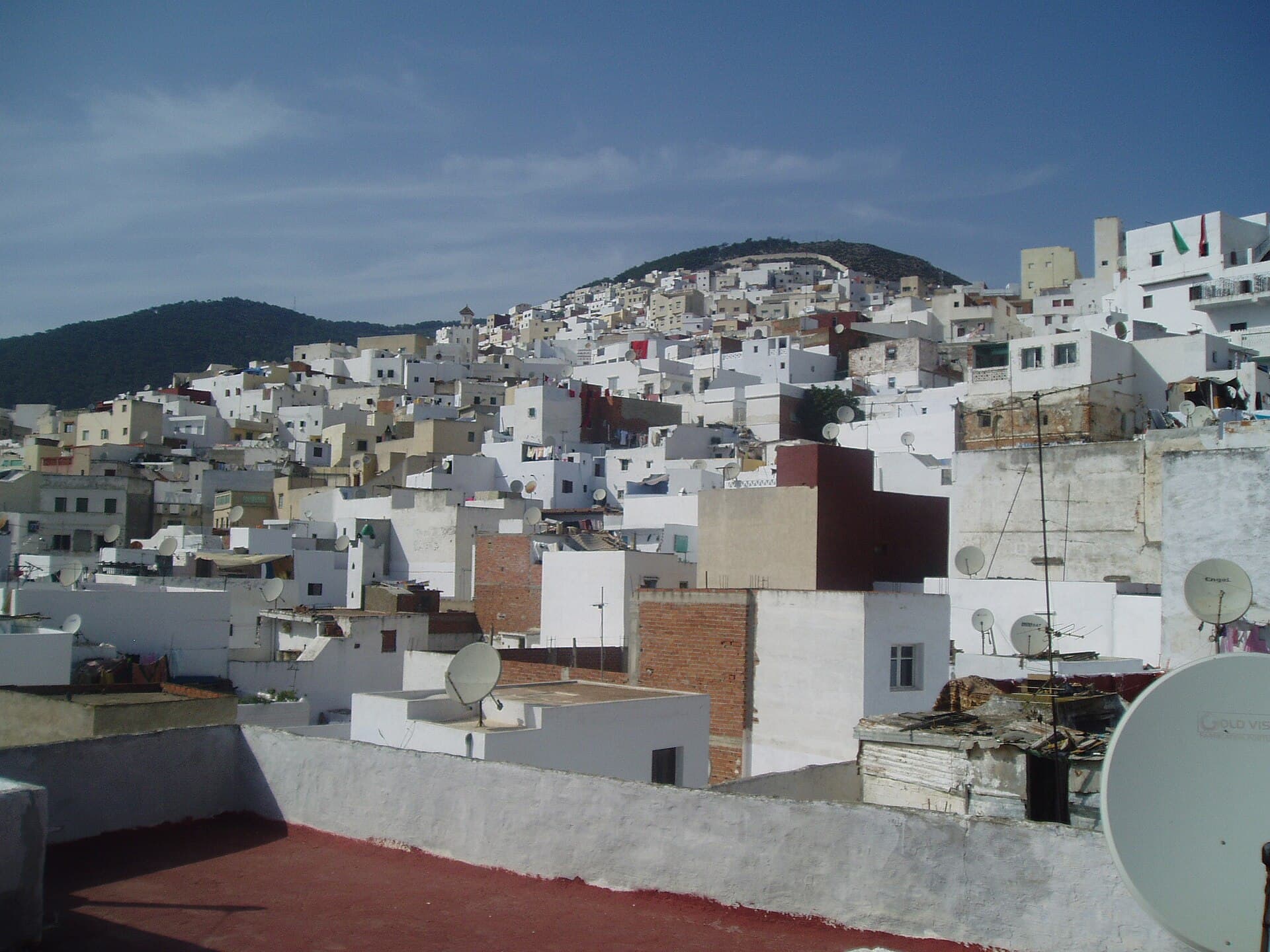 Medina of TetouanThe old walled town of Tetouan, nicknamed the White Dove, on the slope of Jbel D1 minute walk
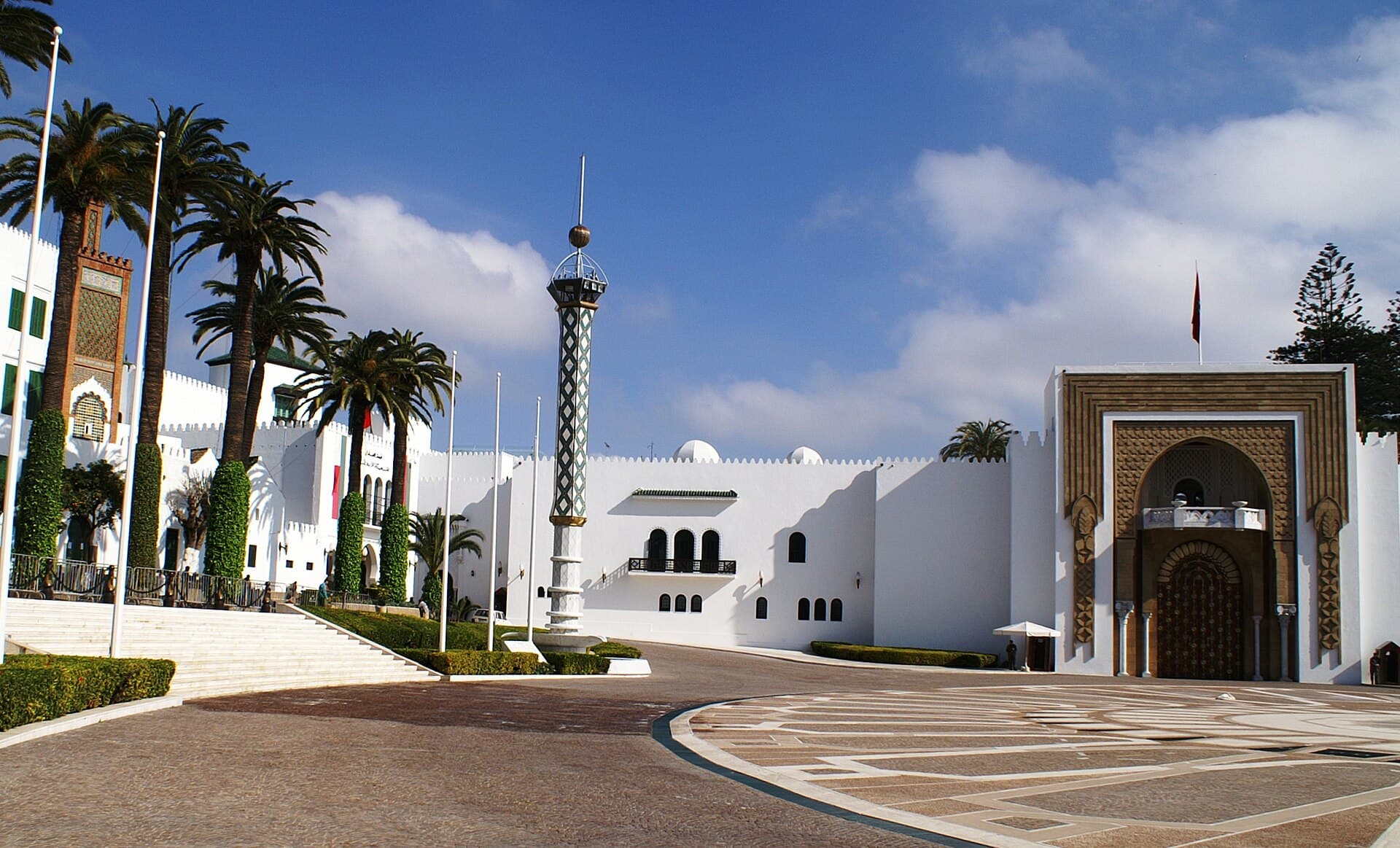 Place Hassan II and the Royal PalaceTetouan's main square, linking the medina with the modern town built during the 5 minutes walk
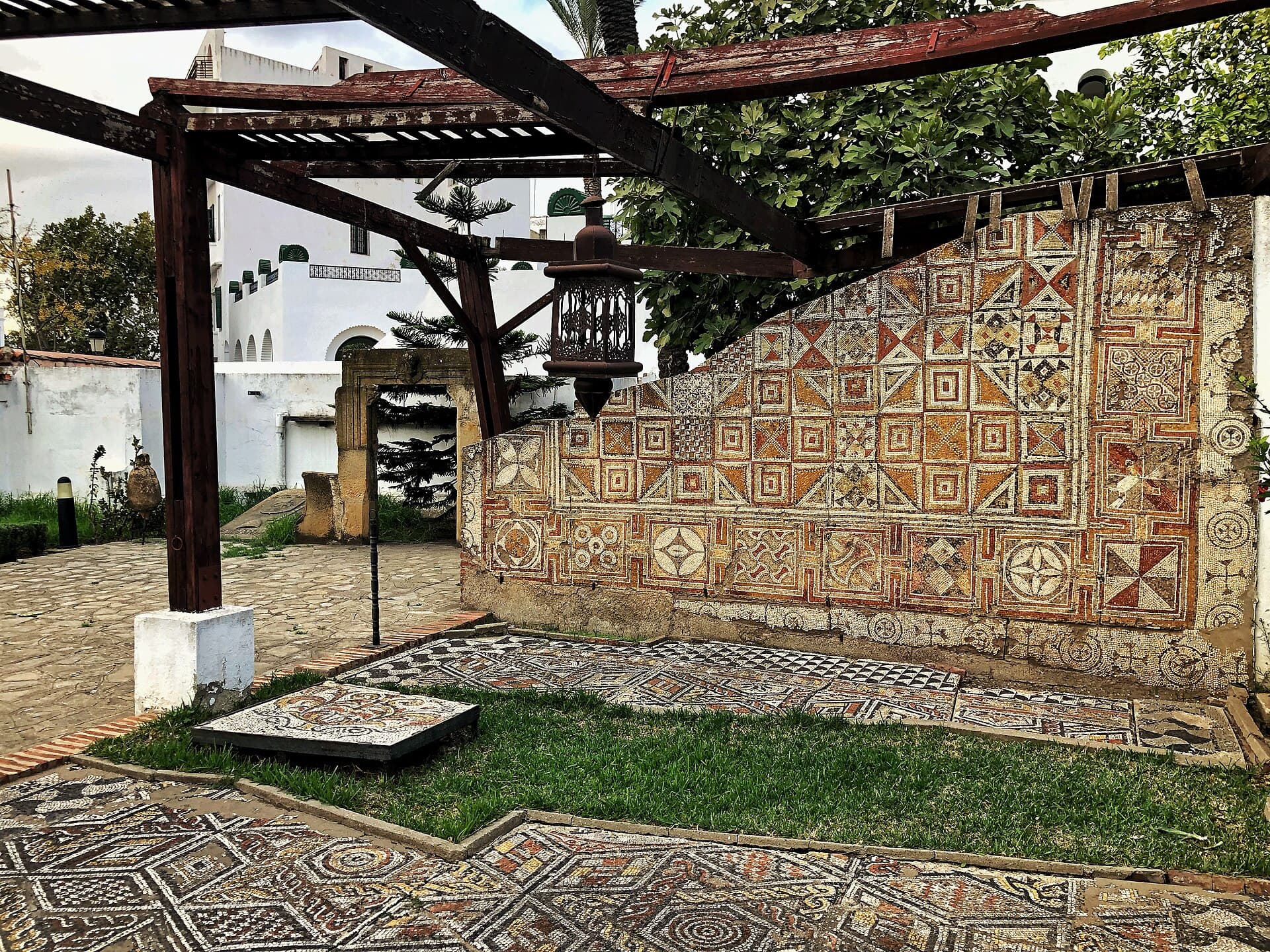 Archaeological Museum of TetouanAn archaeological museum in a building completed in 1939 near Place Hassan II, o8 minutes walk
The traditional bridal costume of Tetouan, with its crown, jewellery and embroidered layers; the museum shows examples as part of the city's Andalusian heritage.