The central hall
50 m with no beams.
Rohan Surana — CC BY-SA 3.0 · Sudhir Herle — CC BY-SA 4.0 · Sudhir Herle — CC BY-SA 4.0 · Sudhir Herle — CC BY-SA 4.0 · shravan kumar yadav — CC BY-SA 4.0
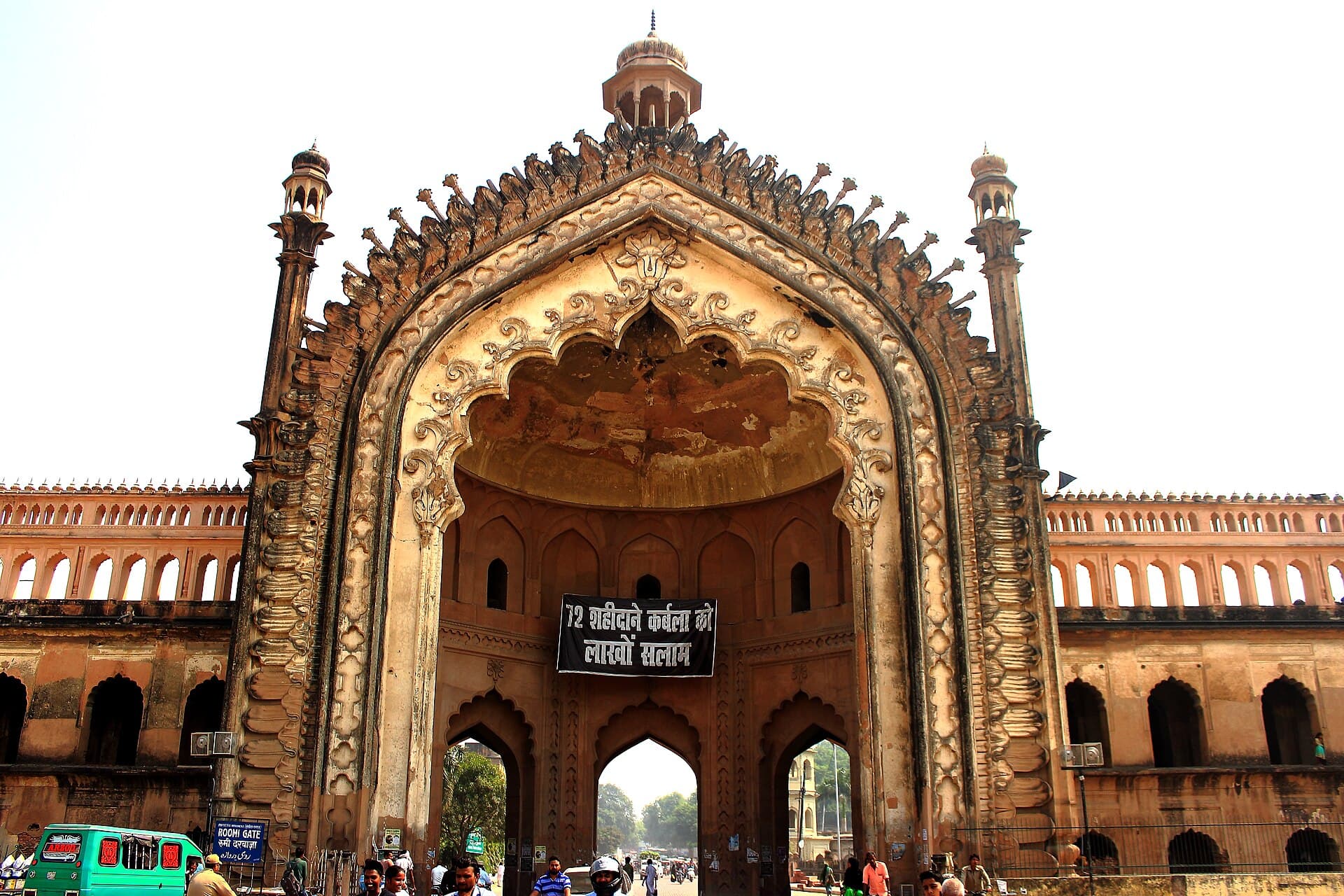
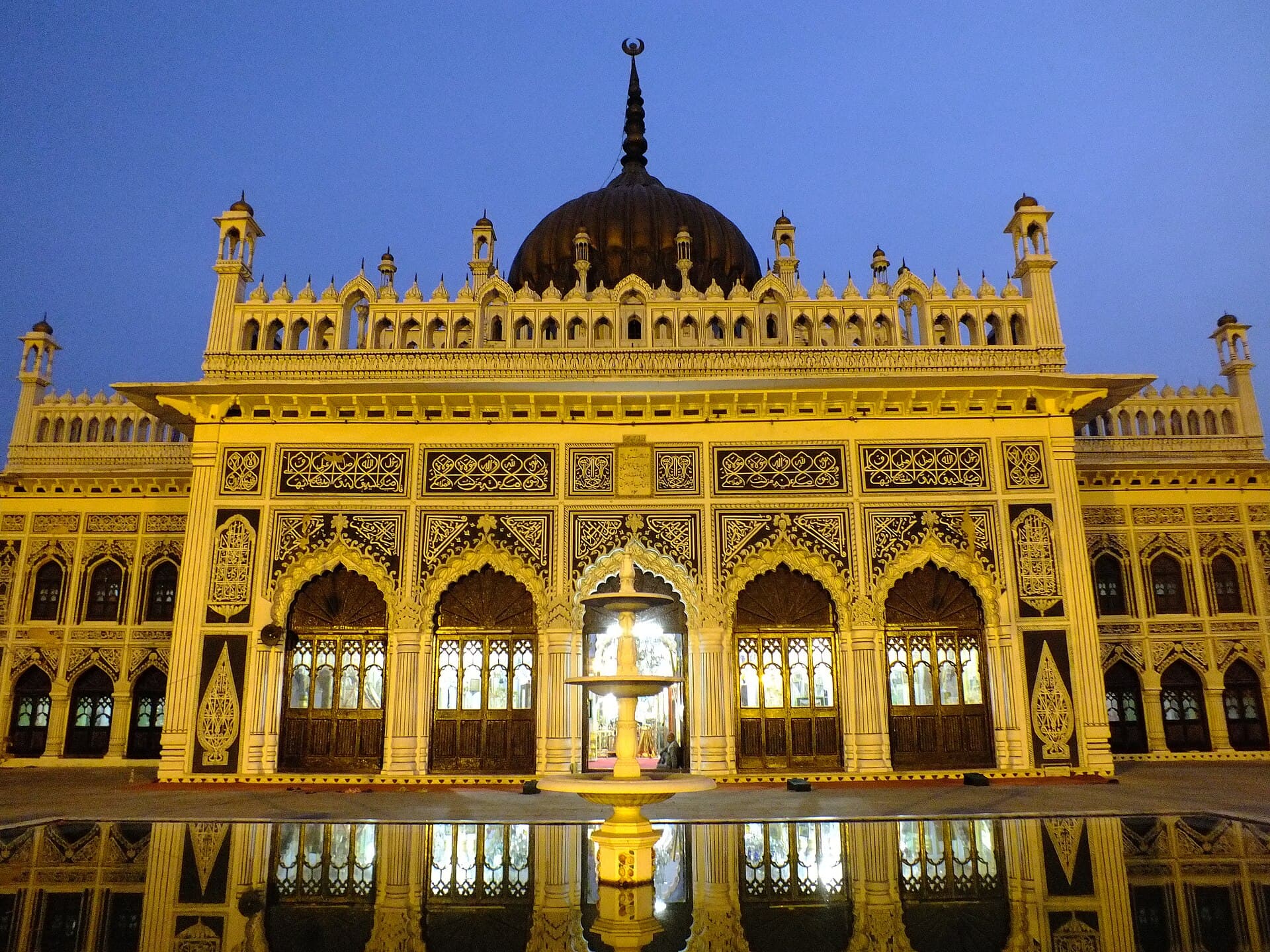
The Bara Imambara, or Asafi Imambara, is a large complex with a Shia congregation hall and mosque in Lucknow, capital of Uttar Pradesh. Built by Asaf-ud-Daula, the Nawab of Awadh, it is among the city's grandest buildings and a national monument run by the Archaeological Survey of India. Its best known feature is the Bhul-bhulaiya labyrinth. Work began in 1780, a year of severe famine, partly to give people employment for about a decade, and it was finished in 1784. Tradition says ordinary people built by day while noblemen pulled down the same work by night to keep the project going. The design came from a competition won by the Delhi architect Kifayatullah, who is buried in the main hall beside the Nawab. The vaulted central hall is 50 m long, 16 m wide and over 15 m tall, with no beams holding up the ceiling, one of the largest arched halls in the world. Above the eight surrounding chambers runs the labyrinth, with passages linked by 489 identical doorways, created to ease the building's weight on marshy land. The complex also has the large Asafi Mosque and a stepped well, the Bowli. It stands right by the Rumi Darwaza and 1 km in a straight line from the Chota Imambara, so one round covers them all. A guide helps in the labyrinth, where it is easy to get lost, and shoes come off in the hall. Dress modestly, and note that parts may close for Muharram gatherings, so check before visiting then.
50 m with no beams.
Passages above the chambers.
The Bowli with running water.
Husainabad, Old Lucknow, Uttar Pradesh
It is wise, as the passages and doors look alike and it is easy to get lost.
One of the Nawab's aims was to give people work during the famine.