
The goose cloister
A palm court kept by 13 white geese for centuries — one per year of the martyr's life.
Fernando — CC BY-SA 4.0 · Nan Palmero from San Antonio, TX, USA — CC BY 2.0 · Max A. Khlopov — CC BY-SA 4.0 · User:Alvesgaspar — CC BY-SA 4.0
Barcelona Cathedral has been the Gothic Quarter's spiritual heart for six centuries — and many visitors confuse it with the Sagrada Família, though they are two worlds: this is authentic fourteenth-century Gothic, solemnly dark under pinnacled towers; that is Gaudí's modern dream. Inside, a Gothic forest of columns surrounds a sumptuously carved choir, and the crypt holds the tomb of Eulàlia, the city's patroness. The beloved surprise is the cloister: a palm court and fountain inhabited for centuries by thirteen white geese — one for each year of the martyr's life — whose calls belong to the quarter's memory. The roof lift gives a close-up view over the Gothic Quarter's towers. The square out front becomes an open stage for the Catalan sardana dance on Sunday mornings.
A palm court kept by 13 white geese for centuries — one per year of the martyr's life.
A lift to a close-up over the Gothic Quarter's spires.
The city patroness's tomb beneath the high altar.
Pla de la Seu, 08002 Barcelona
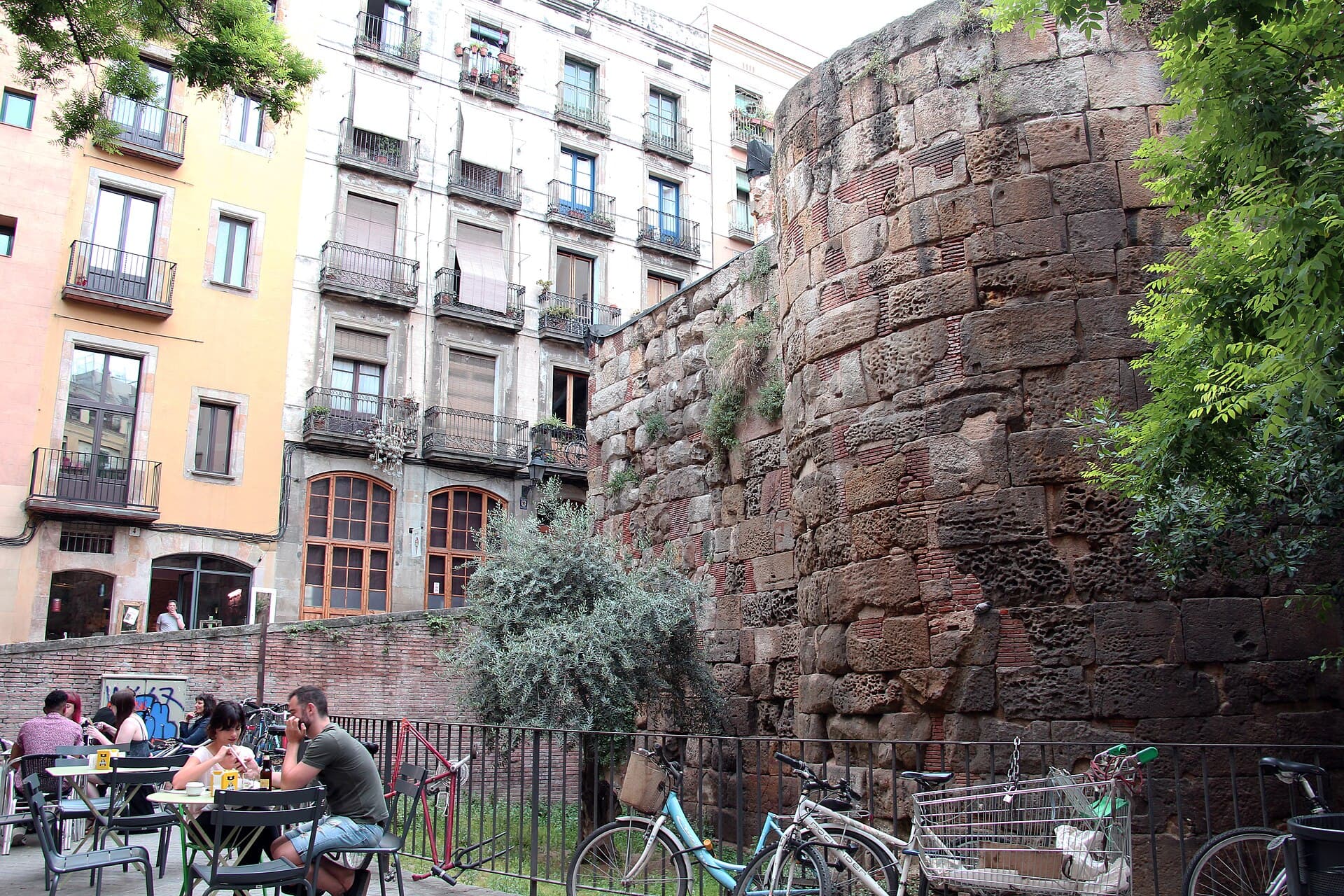 Roman Walls of BarcelonaWhat survives of the wall that once ringed Roman Barcino, and the oldest visible1 minute walk4.4
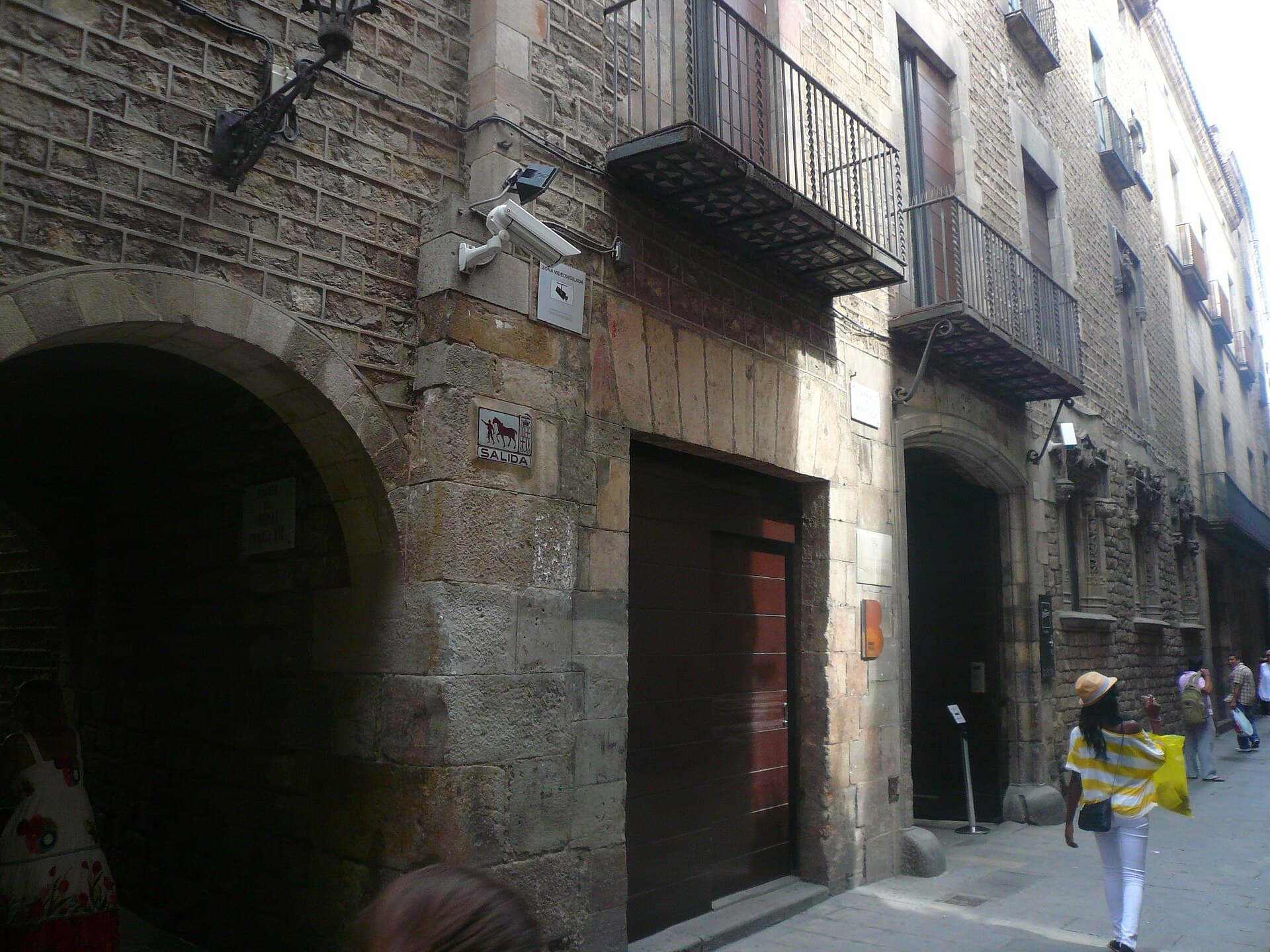 Picasso MuseumBarcelona's Picasso Museum tells what no other can: how Picasso became Picasso. 5 minutes walk4.3
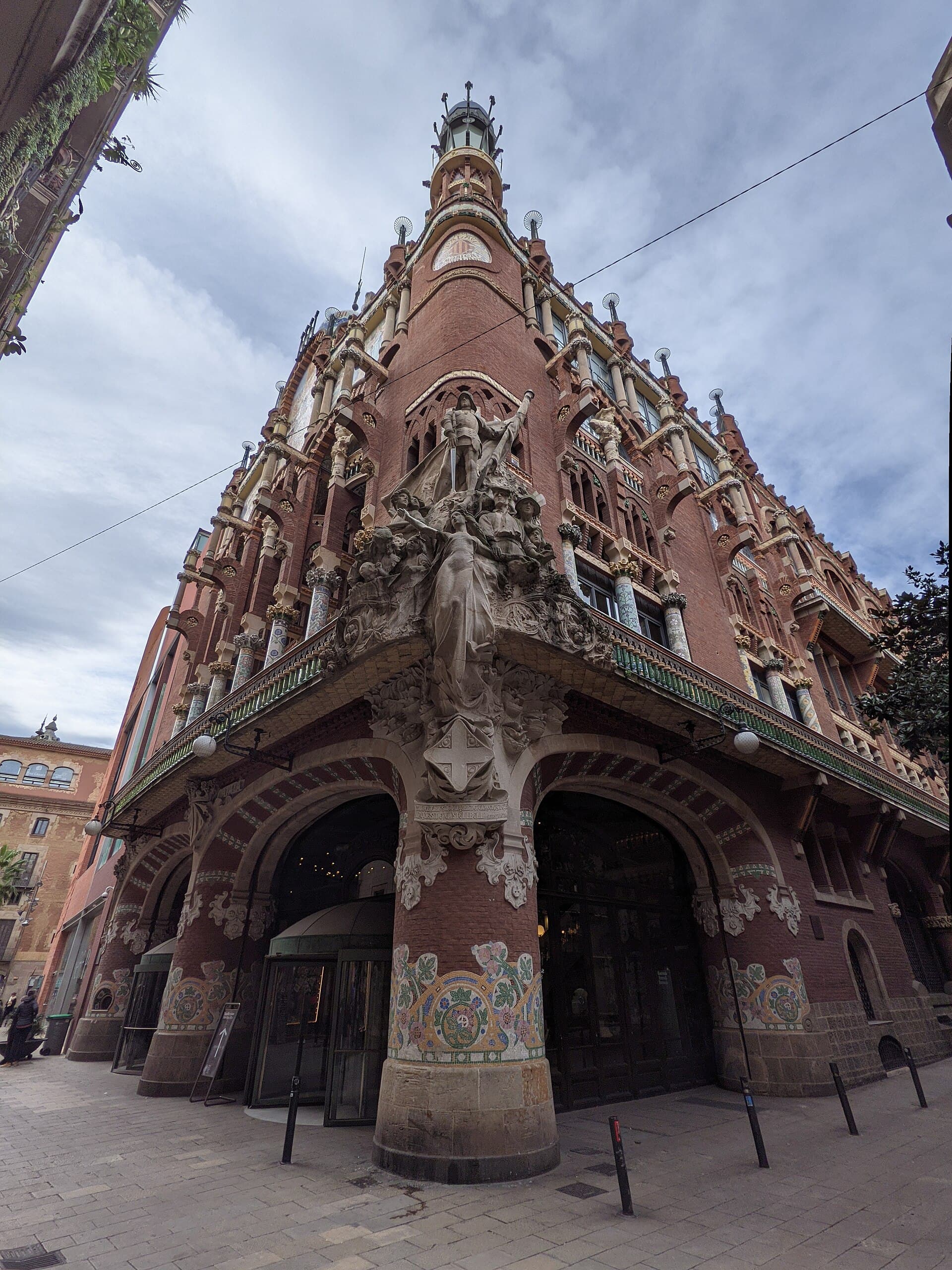 Palau de la Música CatalanaA concert hall built between 1905 and 1908 by Lluís Domènech i Montaner for the 5 minutes walk4.6
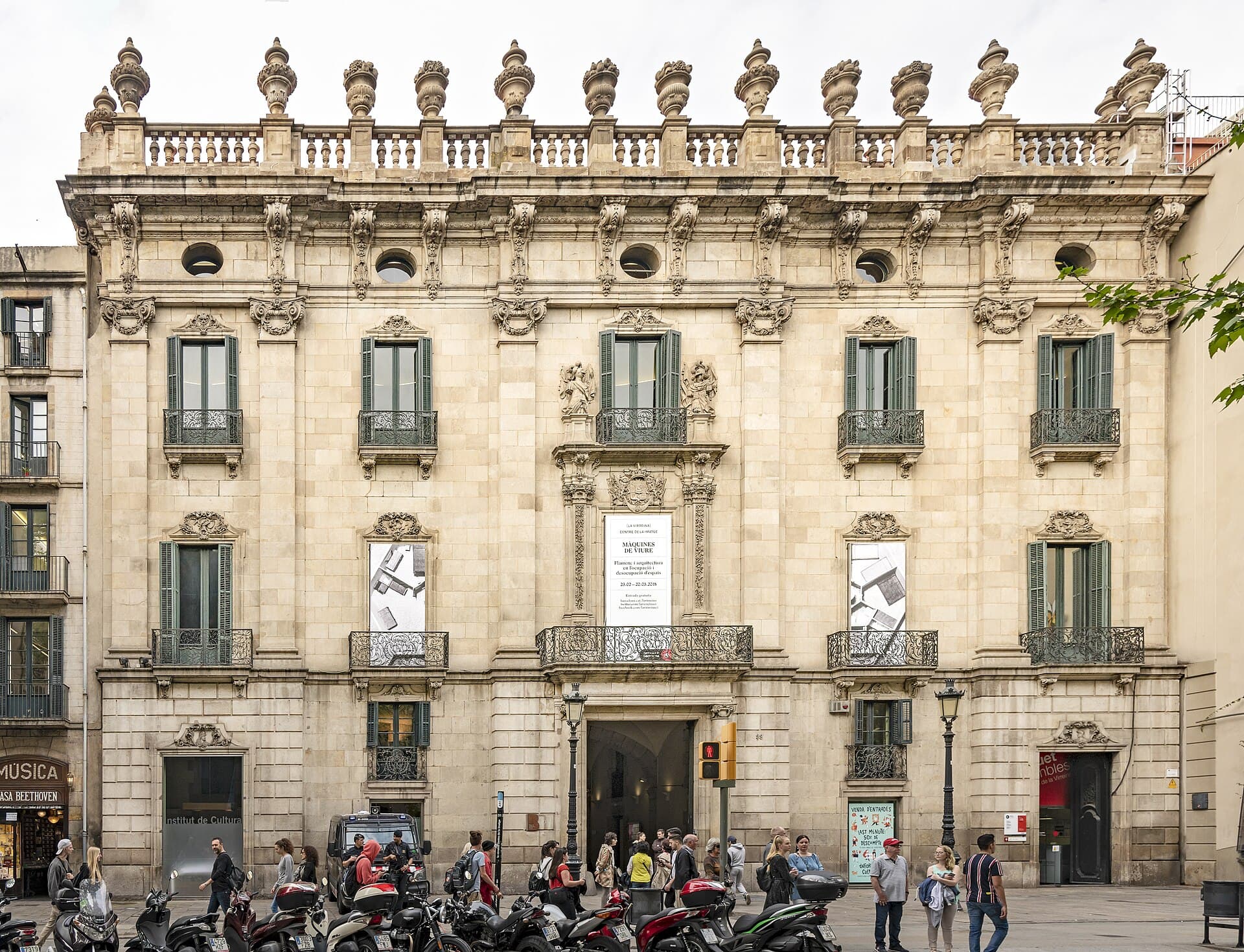 Palau de la VirreinaAn eighteenth-century palace directly on La Rambla, today a city-run image centr5 minutes walk4.3
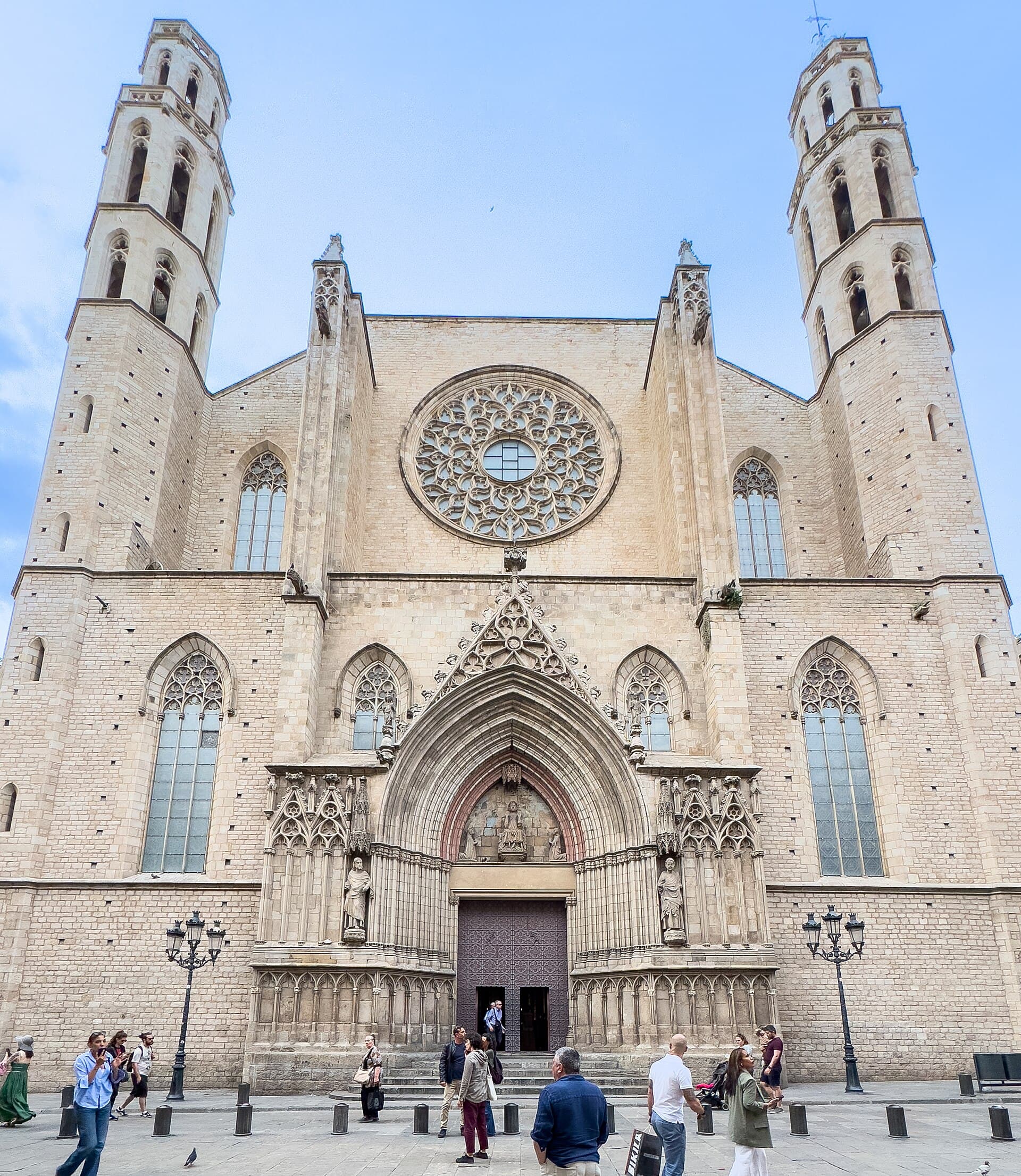 Basílica de Santa Maria del MarIn the middle of El Born, this Catalan Gothic church went up in the 14th century6 minutes walk4.8
No — the mix-up is tourism's classic: this is the city's original fourteenth-century Gothic cathedral in the old quarter; that is Gaudí's modern basilica to the north. The two complete each other as opposites: Gothic darkness, then Gaudí's explosion of light.
Thirteen white geese keep the cloister, one for each year of Saint Eulàlia, martyred as a girl by tradition — and the custom itself is centuries old: the flock has been the cloister's guard, voice and clock before clocks.
The cultural ticket opens everything outside service times — late morning is ideal. Fold it into one unhurried walk with the Gothic lanes, Plaça del Rei and the ornate bridge of Carrer del Bisbe.