
The hanging skylight
Stained glass drops from the middle of the ceiling and pours daylight into the hall — the first reason to come.
Doomuu — CC BY-SA 4.0 · Canaan — CC BY-SA 4.0 · Canaan — CC BY-SA 4.0 · Pere prlpz — CC BY-SA 3.0
A concert hall built between 1905 and 1908 by Lluís Domènech i Montaner for the Orfeó Català choral society, UNESCO-listed with the architect's Hospital de Sant Pau. The original façade faces a tight street, though the 2004 extension opened a small square beside it with a clearer view. The auditorium sits under a stained-glass skylight hanging from the centre of the ceiling in gold and blue; the side walls are glass, so daylight reaches the seats — rare in an enclosed hall. Muses run behind the stage, half mosaic, half relief, the organ above. Access is ticketed, in three forms: a guided tour of about fifty minutes, a self-guided visit with an audio-guide, or a concert. Visits run to a timetable and book out in season. Concert prices vary widely by programme and usually sit well above the tour; some short guitar and flamenco programmes are staged in the modern Petit Palau, not the decorated hall, so check the room first. If Gaudí is all you have seen, this is the other pole of Catalan modernisme. If interiors leave you cold, the façade on the way to the Picasso Museum is enough.
Stained glass drops from the middle of the ceiling and pours daylight into the hall — the first reason to come.
Domènech i Montaner was Gaudí's contemporary and his opposite in taste: richer ornament, less twisting line.
An evening ticket seats you inside the building, but check the concert is in the Sala de Concerts and not the modern Petit Palau.
Carrer Palau de la Música 4-6, 08003 Barcelona
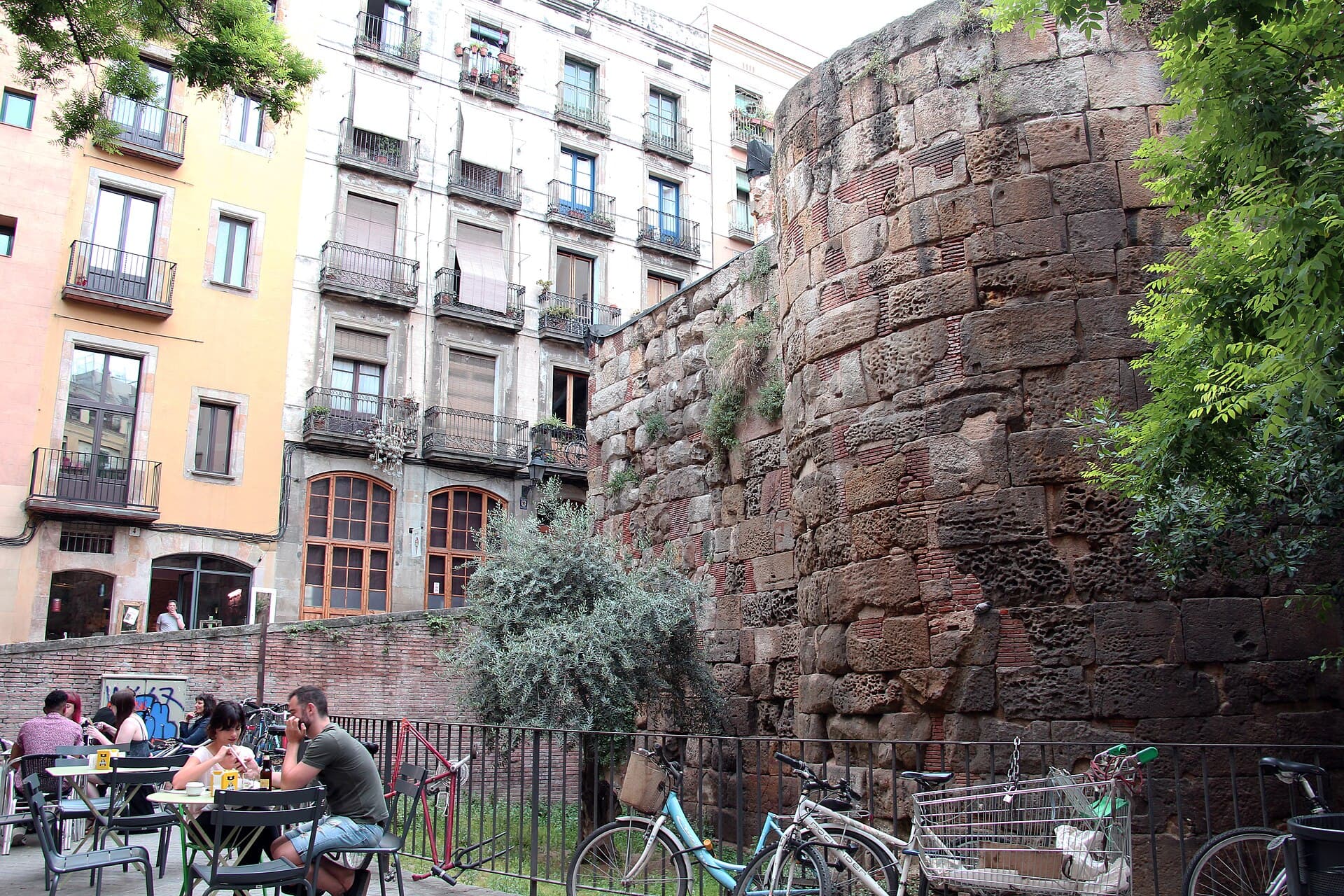 Roman Walls of BarcelonaWhat survives of the wall that once ringed Roman Barcino, and the oldest visible5 minutes walk4.4
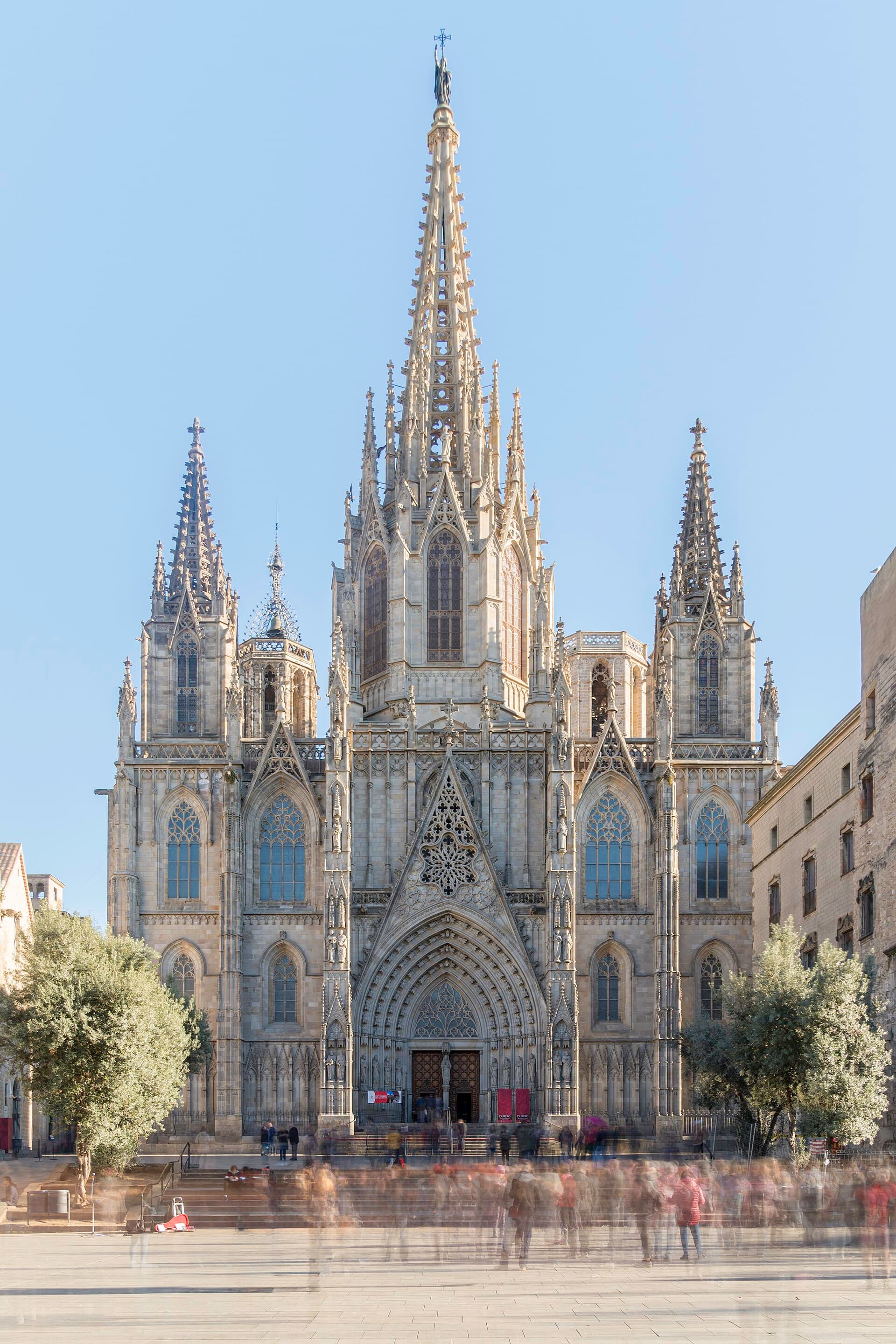 Barcelona CathedralBarcelona Cathedral has been the Gothic Quarter's spiritual heart for six centur5 minutes walk4.5
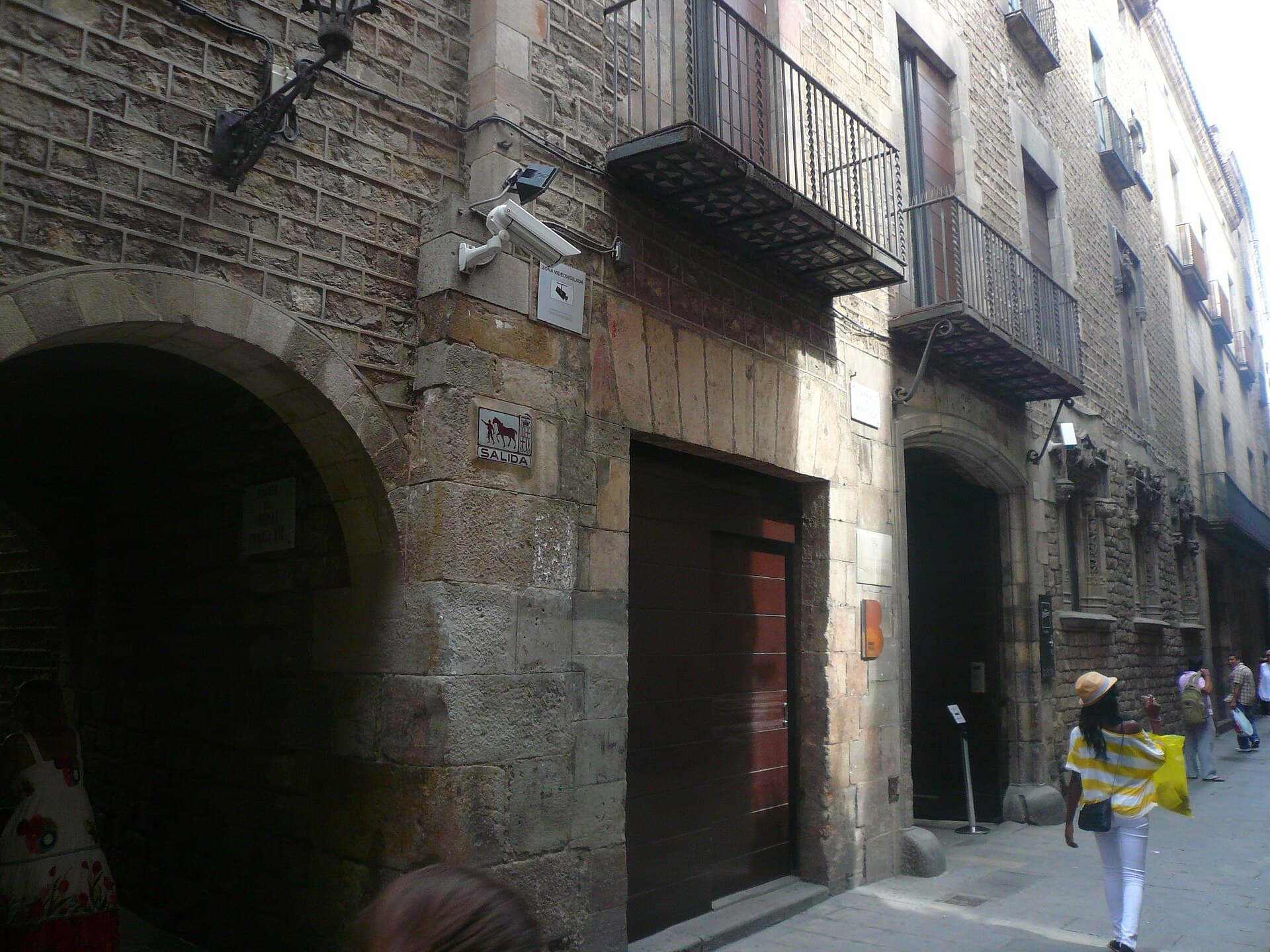 Picasso MuseumBarcelona's Picasso Museum tells what no other can: how Picasso became Picasso. 7 minutes walk4.3
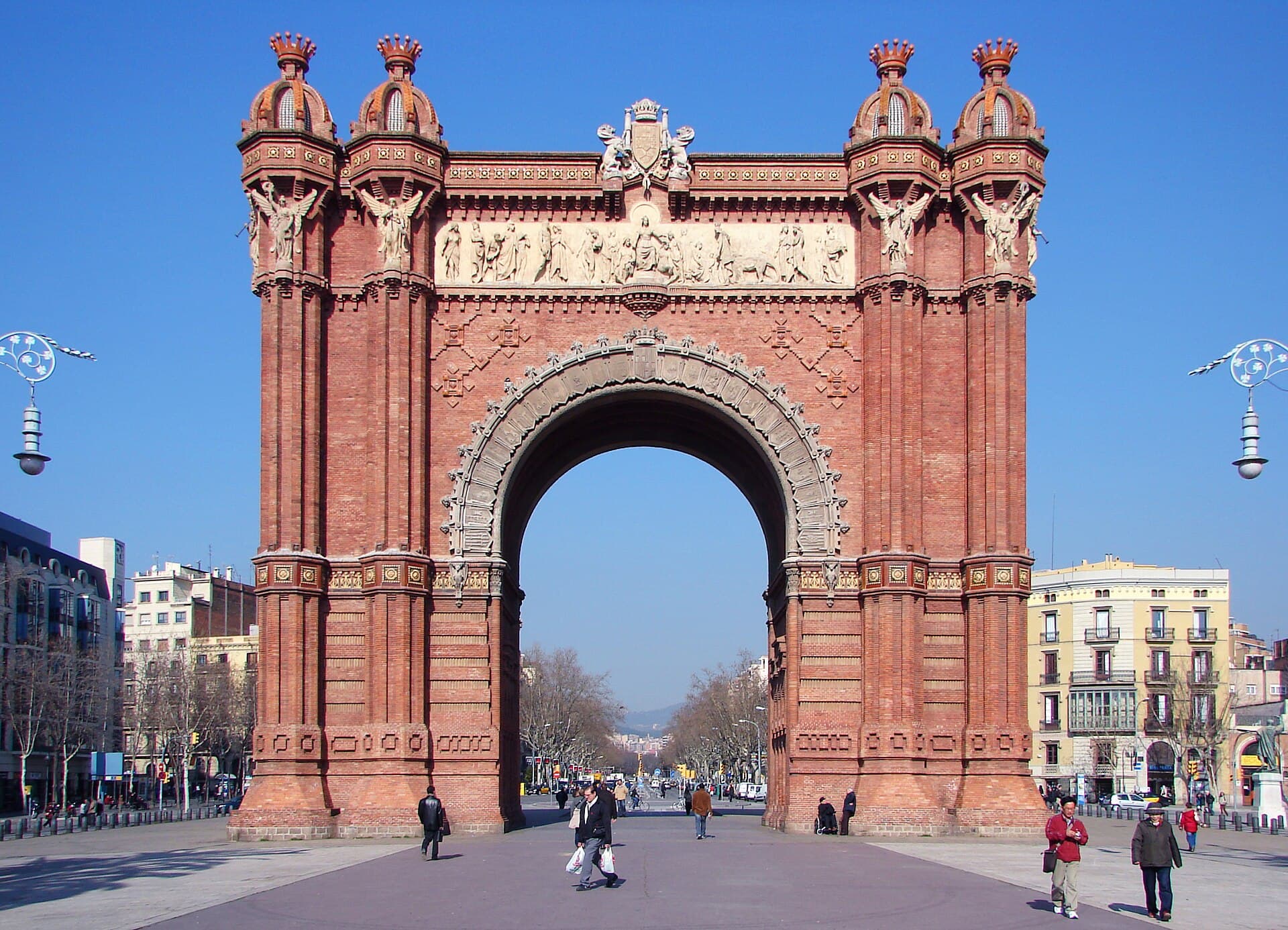 Arc de TriomfBarcelona's triumphal arch never celebrated a war — built as the honorary gatewa7 minutes walk4.7
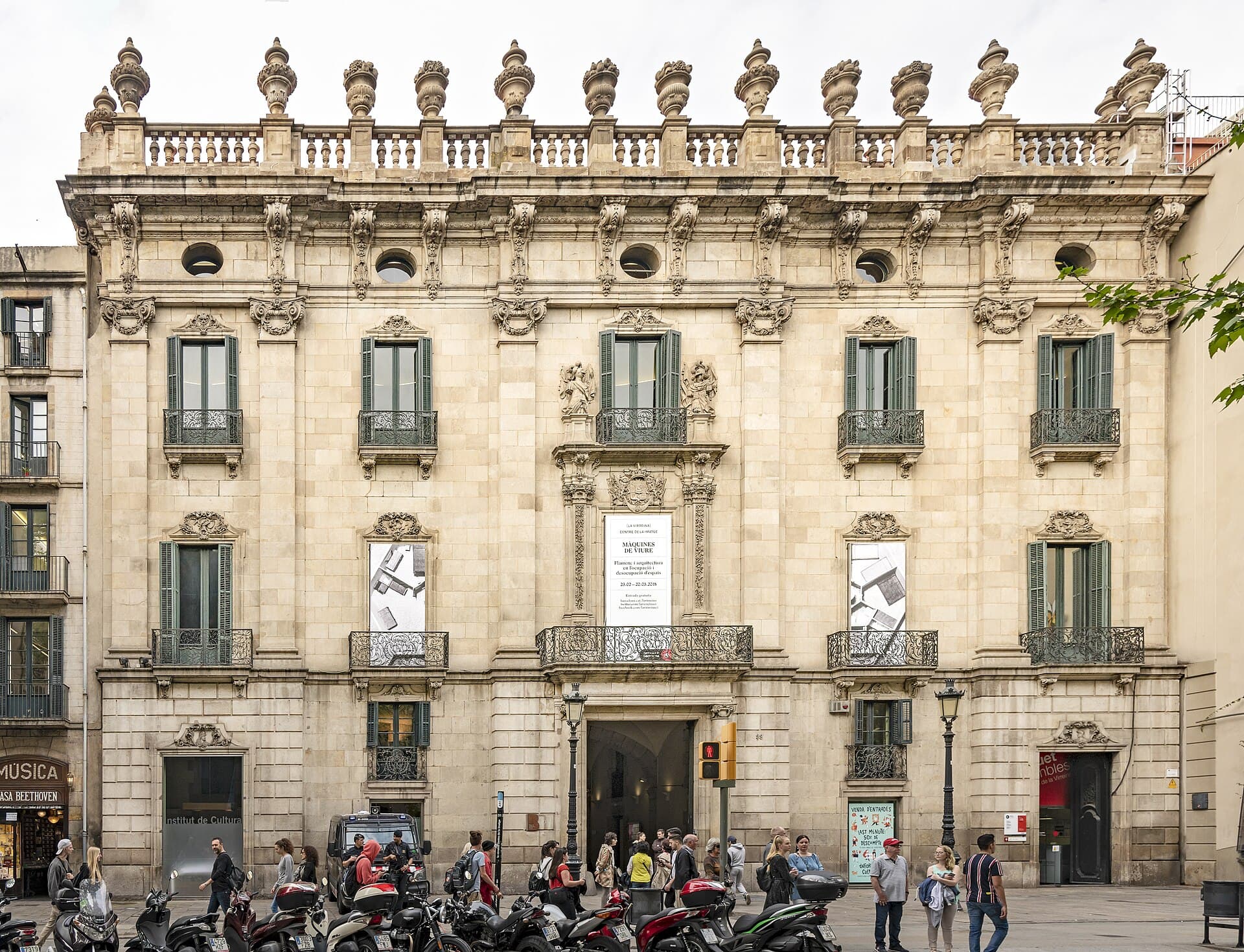 Palau de la VirreinaAn eighteenth-century palace directly on La Rambla, today a city-run image centr8 minutes walk4.3
No. The foyer, café and shop are open to passers-by, but the domed auditorium needs a ticket: a guided tour, a self-guided visit with an audio-guide that gets you into the hall at your own pace, or a concert.
Urquinaona on lines L1 and L4, about five minutes' walk across Via Laietana. It sits on the edge of El Born, so it pairs naturally with the Picasso Museum and the Cathedral in one half day.
The tour explains the building and reaches spaces a concert ticket does not, though it is quick and crowded; the self-guided visit is quieter and goes at your pace. A concert shows you the hall working, sound and light together, but prices vary widely by programme and usually sit well above the tour, and some of the short guitar and flamenco programmes aimed at visitors are staged in the modern Petit Palau rather than the decorated hall — confirm the room before booking. If architecture is the point, take a tour or the self-guided visit.