
Towers beneath a palace
The medieval royal palace wall sits directly on the Roman towers in one continuous elevation.
Fred Romero — CC BY 2.0 · Enric — CC BY-SA 4.0 · Enric — CC BY-SA 4.0 · Enric — CC BY-SA 4.0
What survives of the wall that once ringed Roman Barcino, and the oldest visible thing in Barcelona. There is no entrance and no ticket: the preserved stretches are built into the fabric of the Gothic Quarter and you walk past them in the street. The clearest section is at Plaça de Ramon Berenguer el Gran, where Roman towers rise and the wall of the medieval royal palace sits directly on top of them. That stacking is the whole point: two thousand years of building on itself in a single elevation. Other fragments turn up in corners around the quarter, some inside private buildings, some in museum basements. Anyone wanting the full sequence will find it at the city history museum, where you can descend to the Roman streets underground. This is not a visit in the sense of a ticket and a route. It is a layer you notice while walking. Give it half an hour inside a Gothic Quarter wander rather than treating it as a separate sight.
The medieval royal palace wall sits directly on the Roman towers in one continuous elevation.
No entrance, no route: the remains are embedded in the streets and you notice them in passing.
The city history museum takes you down to the Roman streets of Barcino for the full picture.
Around Plaça de Ramon Berenguer el Gran, Gothic Quarter, Barcelona
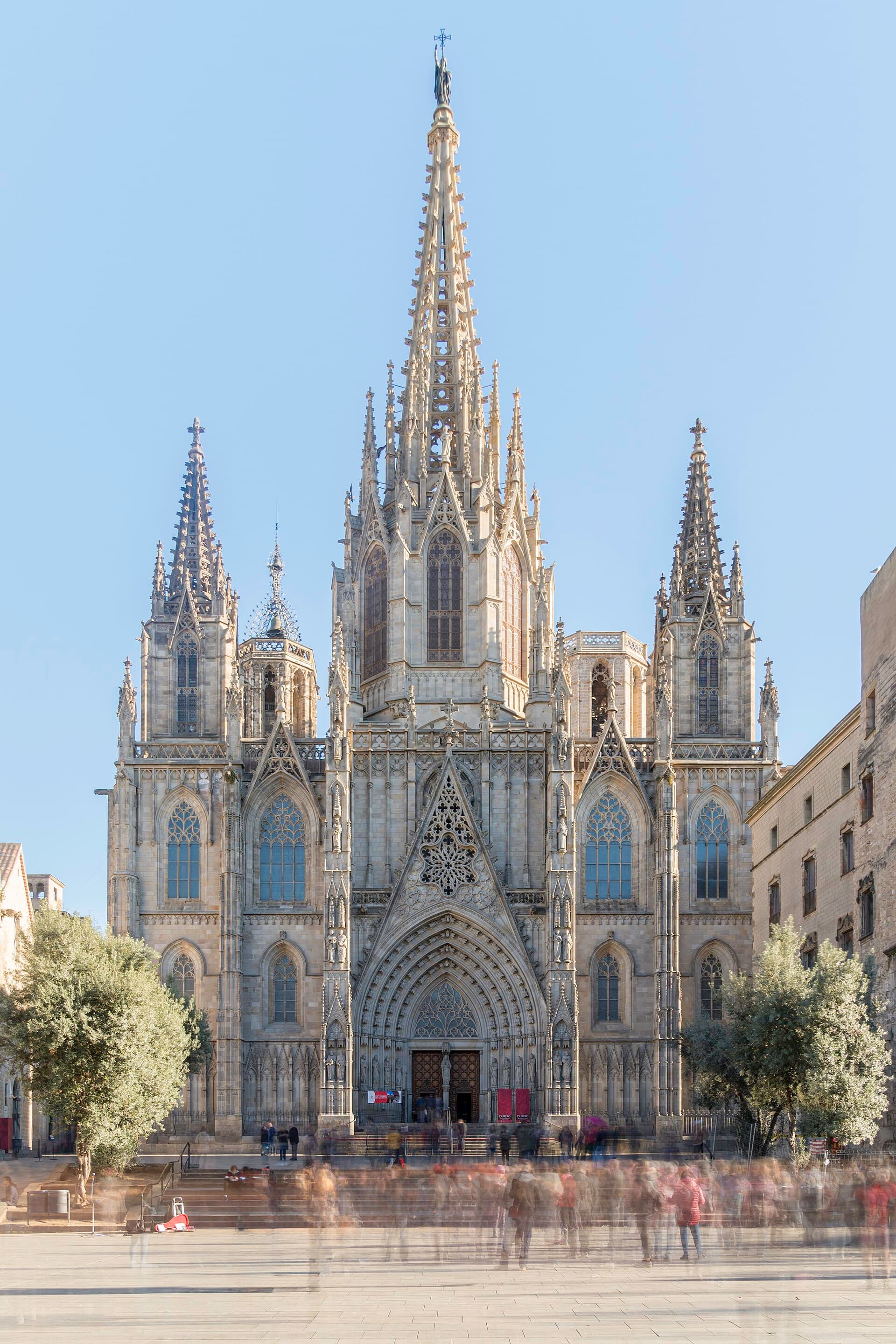 Barcelona CathedralBarcelona Cathedral has been the Gothic Quarter's spiritual heart for six centur1 minute walk4.5
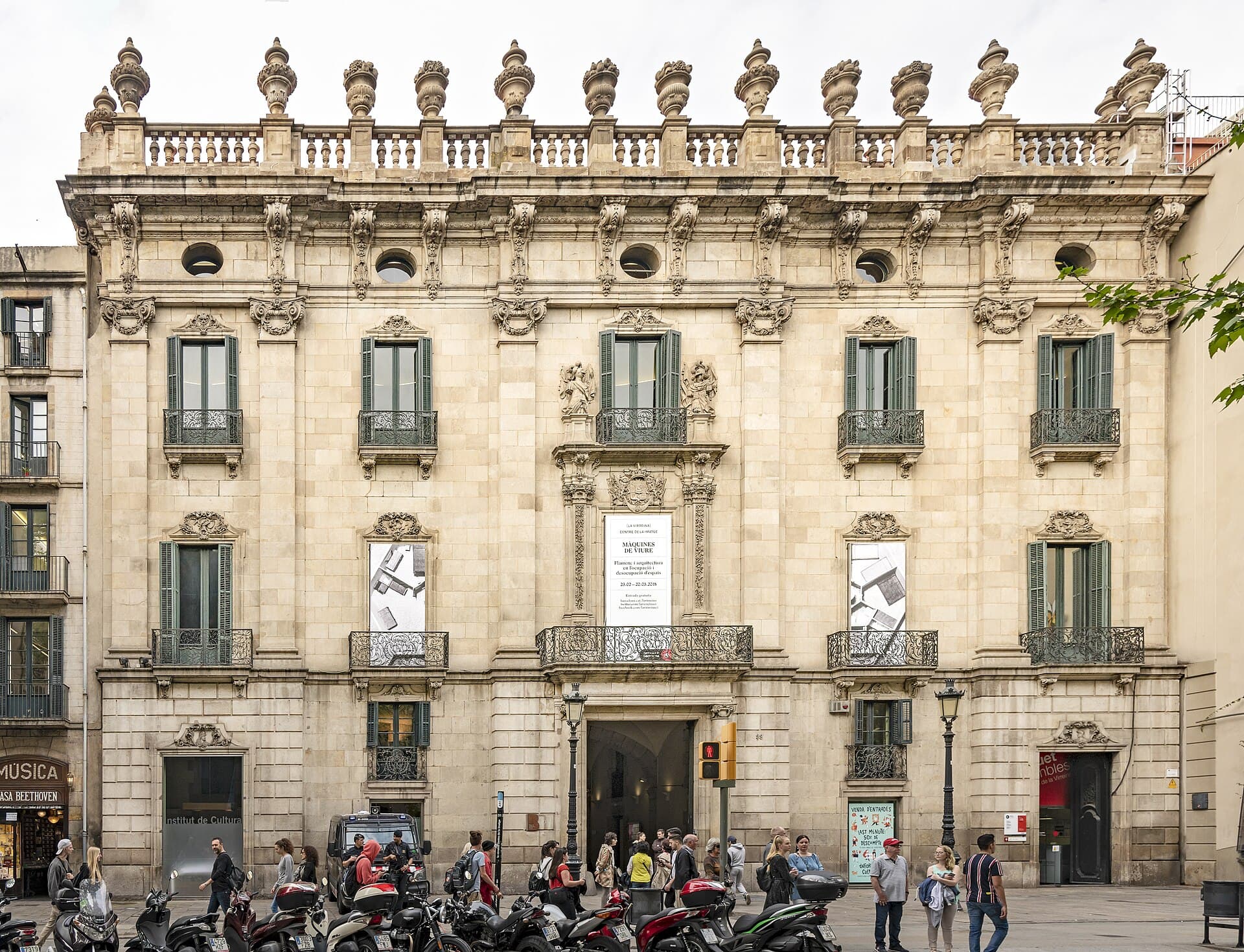 Palau de la VirreinaAn eighteenth-century palace directly on La Rambla, today a city-run image centr5 minutes walk4.3
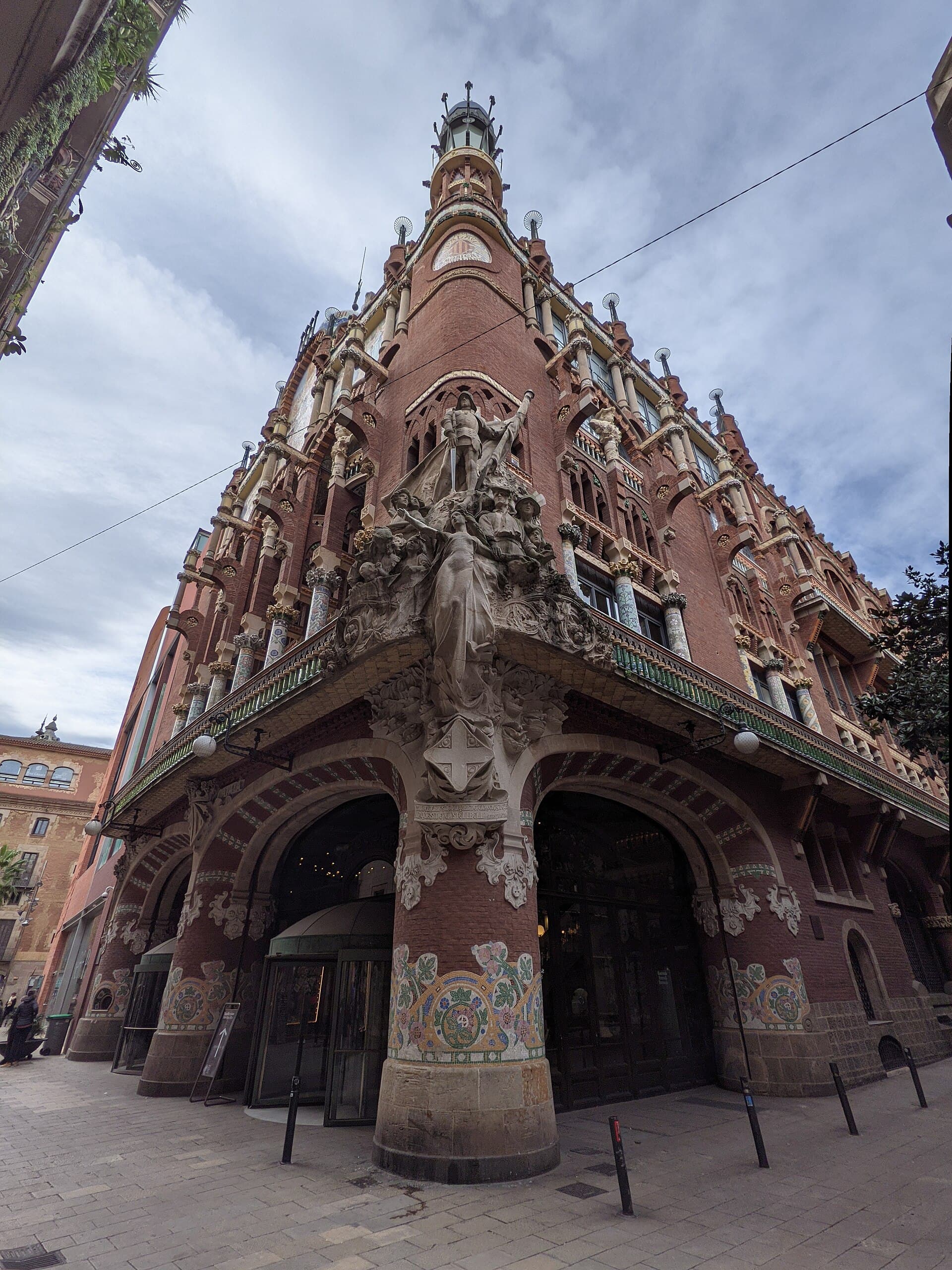 Palau de la Música CatalanaA concert hall built between 1905 and 1908 by Lluís Domènech i Montaner for the 5 minutes walk4.6
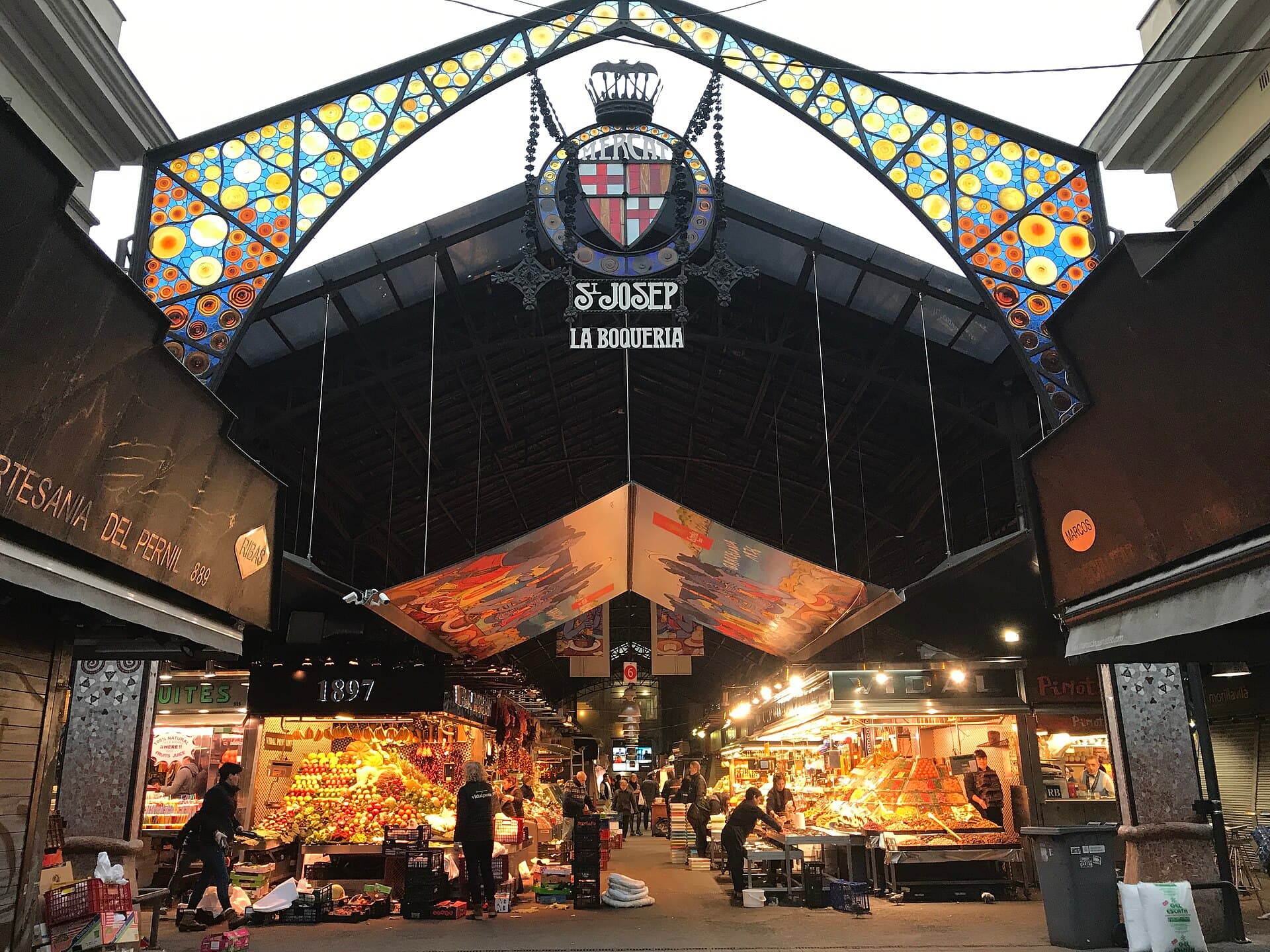 La Boqueria MarketThe Boqueria is Europe's most famous food market: an iron-and-stained-glass gate5 minutes walk4.6
 Picasso MuseumBarcelona's Picasso Museum tells what no other can: how Picasso became Picasso. 6 minutes walk4.3
Plaça de Ramon Berenguer el Gran is the obvious place, with the towers standing at full height and the palace above. Smaller pieces appear near Plaça Nova and in side streets of the Gothic Quarter.
Not to see the stones, but context makes the difference here, because without explanation it reads as an old wall. Information panels exist, and the city history museum lays out the sequence far more clearly.