
The bronze David
The first full bronze nude since antiquity — Donatello's quiet revolution.
Sailko — CC BY 3.0 · MenkinAlRire — CC BY-SA 4.0 · Materni — CC BY-SA 4.0 · Materni — CC BY-SA 4.0
The Bargello is to Renaissance sculpture what the Uffizi is to its painting — minus the queues: a thirteenth-century fortress, once Florence's police seat and prison, now Italy's greatest sculpture museum, with Donatello, Michelangelo, Verrocchio and Cellini around its solemn stone courtyard. The pivotal piece is Donatello's bronze David — the first full nude cast since antiquity, a revolution seventy years before Michelangelo's David; he shares one hall with Donatello's marble David and the famous St George. Michelangelo's room holds his tipsy young Bacchus among his rivals' works. Among its treasures hang the two bronze panels with which Brunelleschi and Ghiberti competed in 1401 for the baptistery doors — the contest by which the Renaissance's birth is dated, and here you judge between them yourself.
The first full bronze nude since antiquity — Donatello's quiet revolution.
Brunelleschi and Ghiberti side by side — the Renaissance's founding moment, yours to judge.
A wine god genuinely swaying — his first major work and strangest in mood.
The old police seat and prison — the building alone earns entry.
Via del Proconsolo 4, 50122 Florence
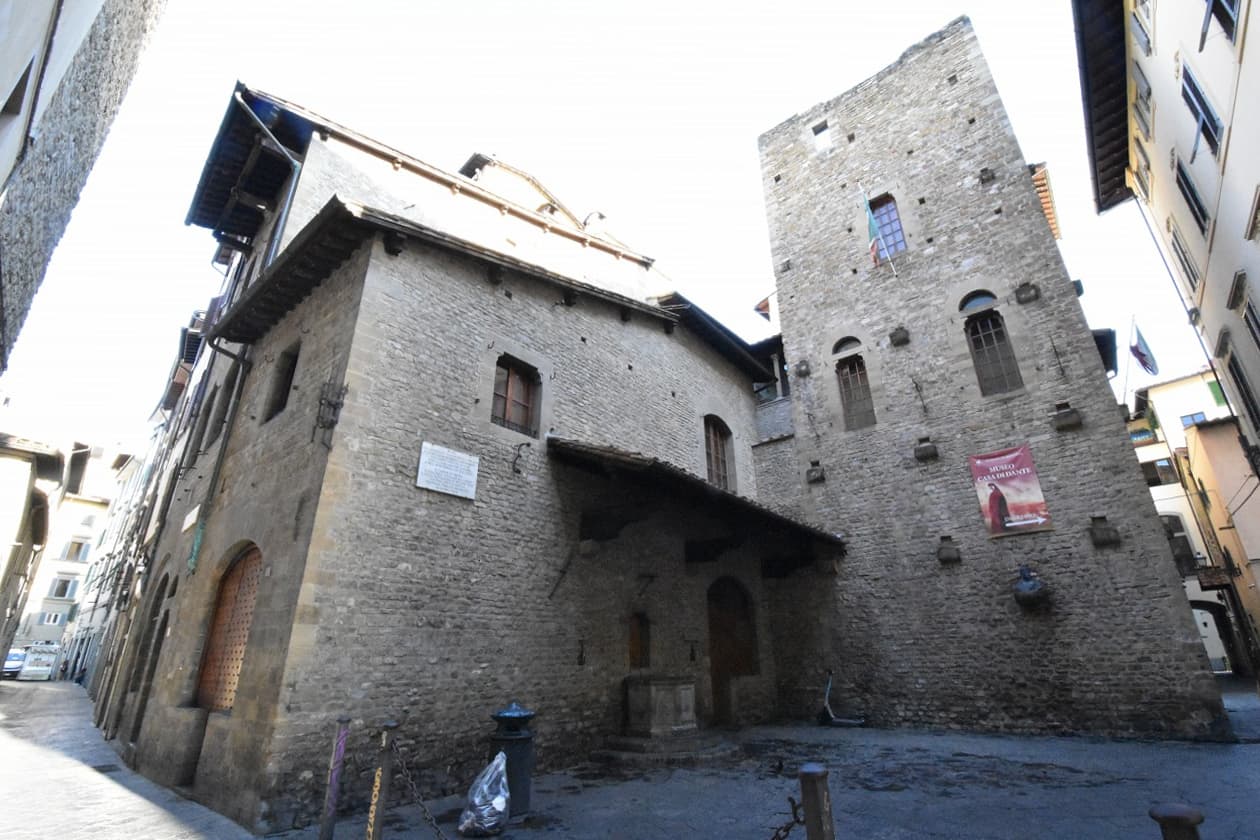 Dante's House MuseumDante Alighieri never spent a single night in this house. The stone building you1 minute walk3.7
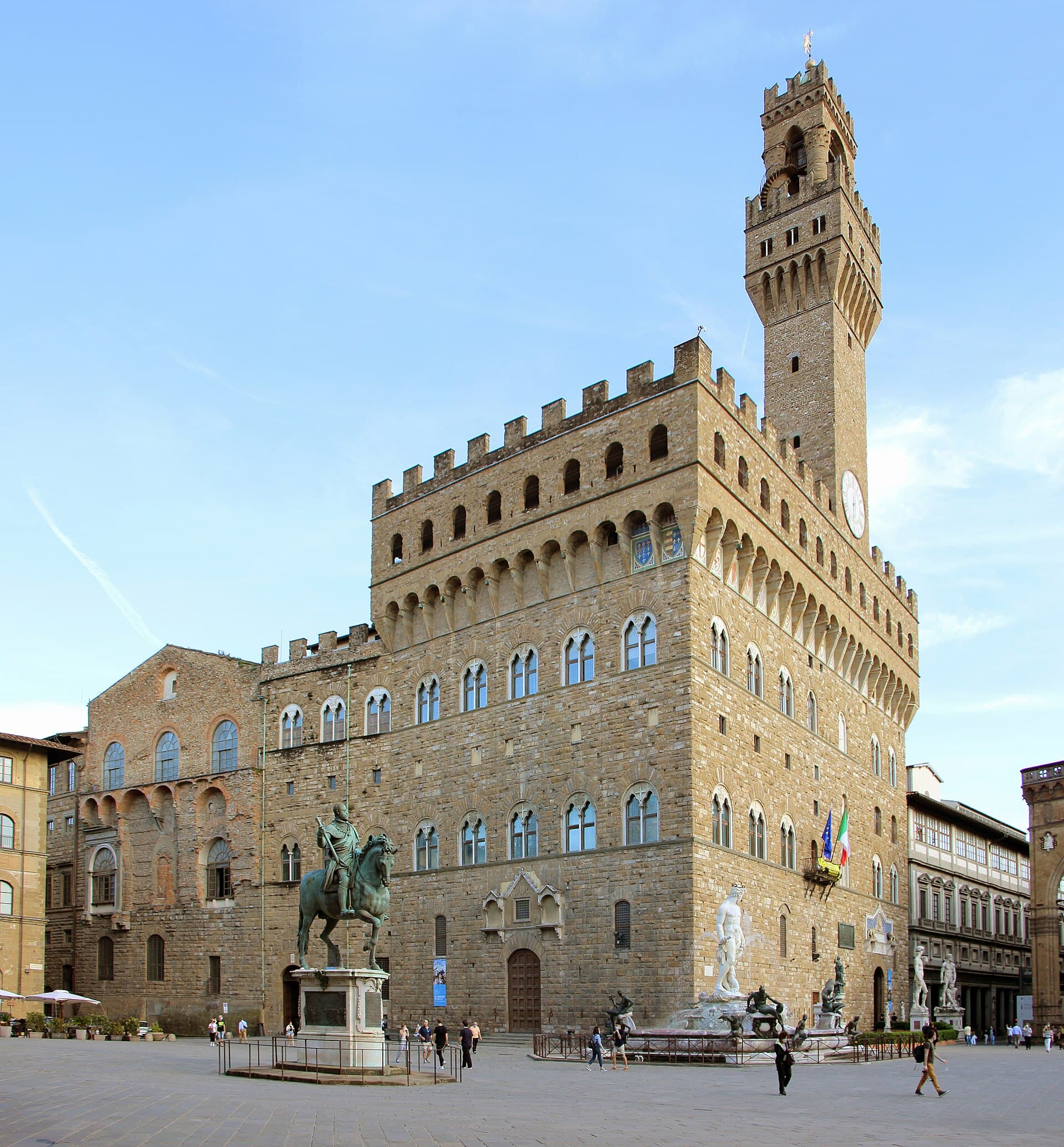 Palazzo VecchioThe Palazzo Vecchio is Florentine power in stone: a crenellated square fortress 2 minutes walk4.8
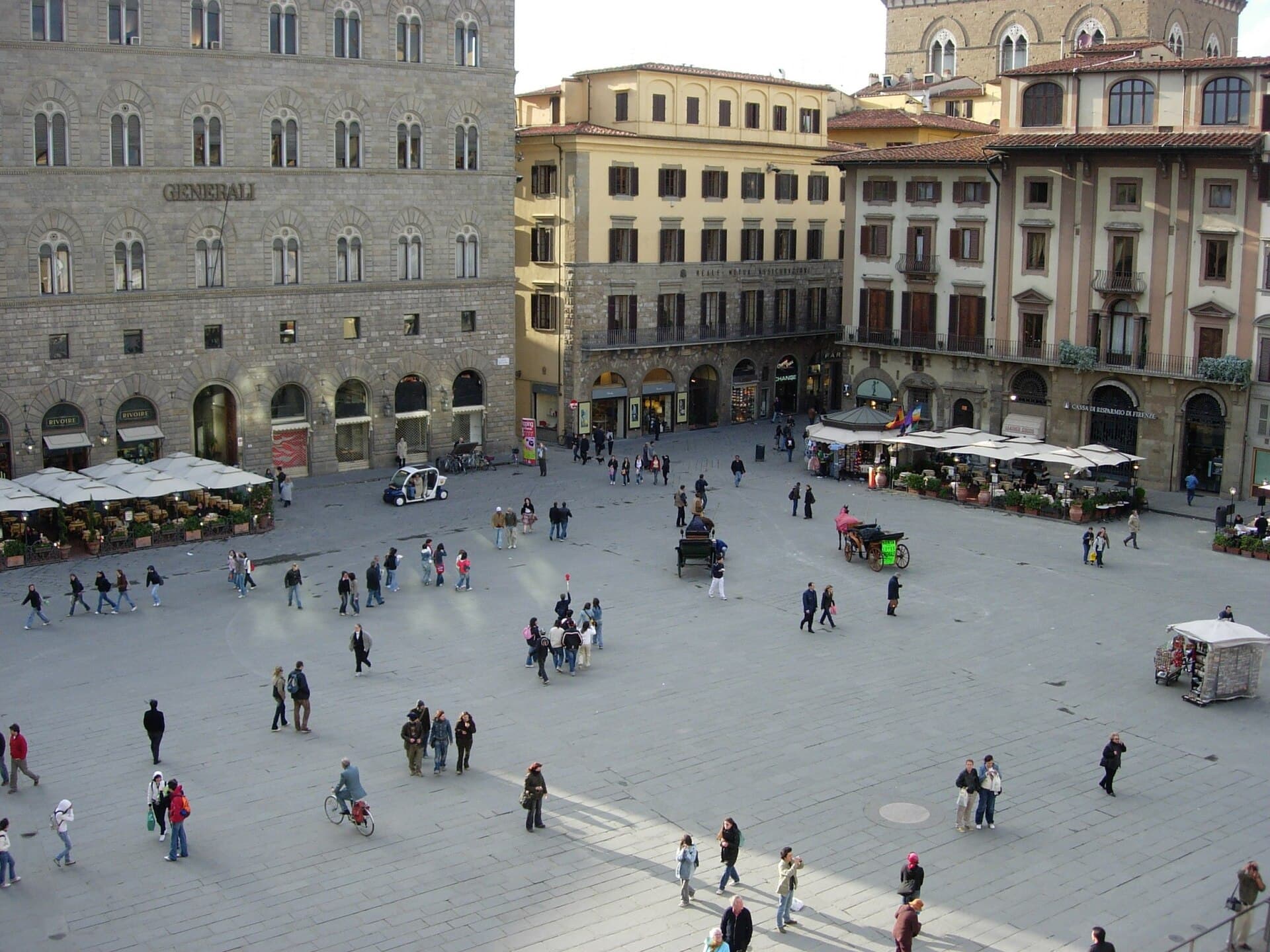 Piazza della SignoriaThe Signoria has been Florence's square of power for seven centuries — decrees p3 minutes walk4.9
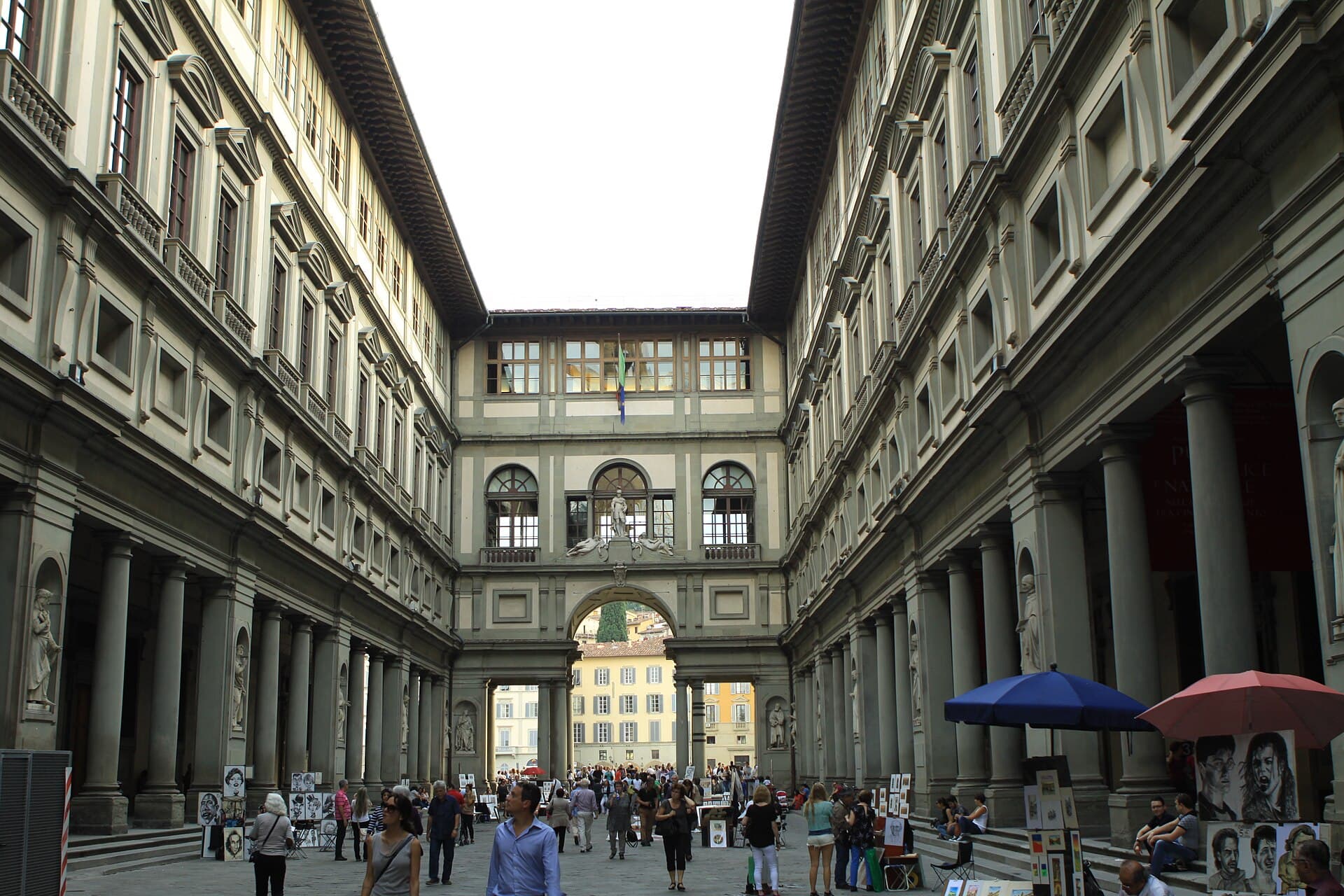 The Uffizi GalleryThe Uffizi is the first museum of Italian painting, absolutely: in the Offices V4 minutes walk4.6
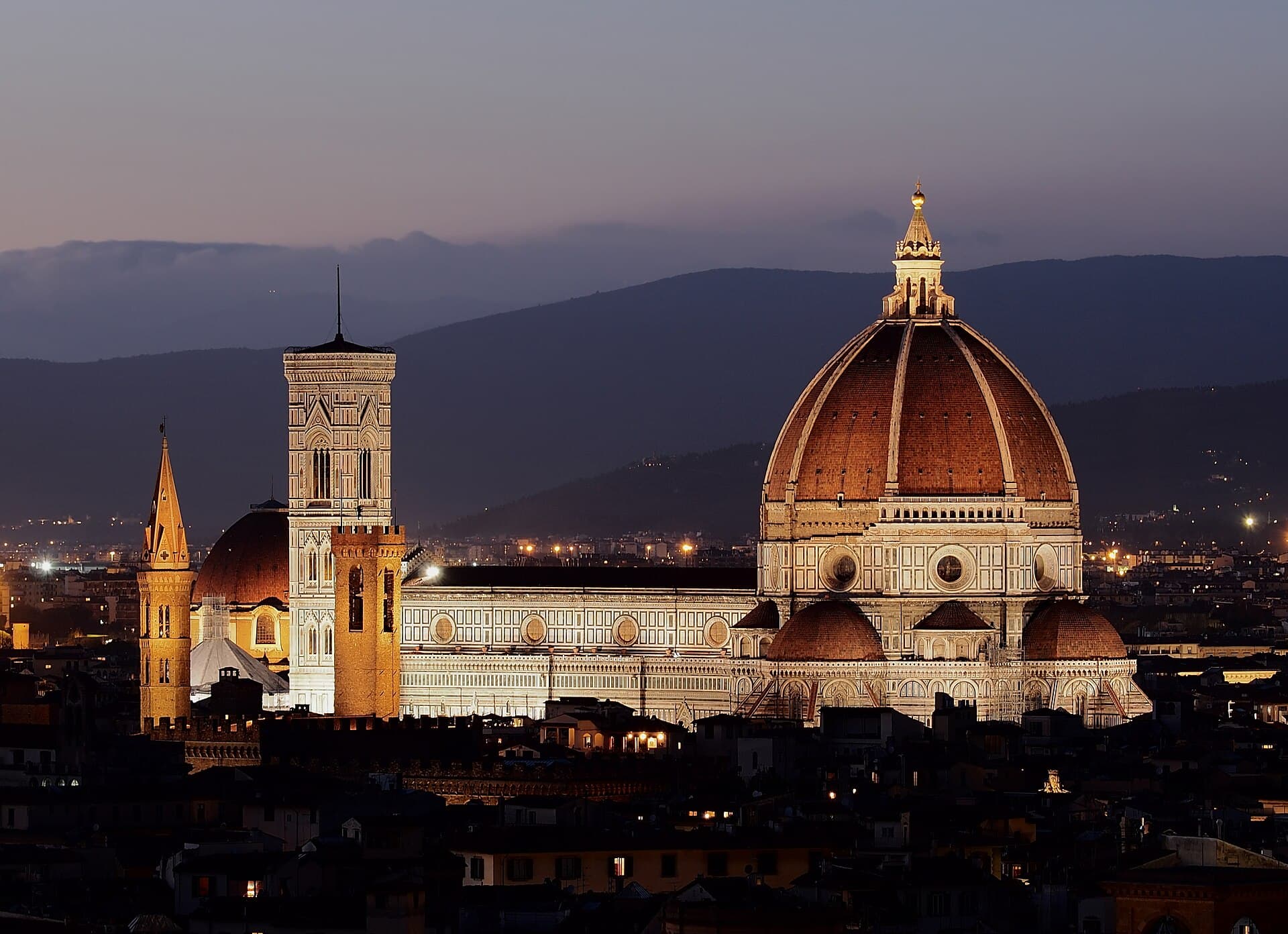 Florence Cathedral (Duomo)Santa Maria del Fiore — the Duomo — is Florence itself: a mountain of white, gre4 minutes walk4.9
Seventy years and two spirits: Donatello's bronze is a dreamy, almost teasing boy on Goliath's head, life-size and sensual enough to shock his era; Michelangelo's marble a tense giant before the battle, not after. Seeing both in one city is a complete course in the Renaissance's arc.
Because day-trippers spend their hours at the Uffizi and Accademia — your gain: Donatello rooms deserving world queues, wandered nearly alone. Art people call it Florence's best bargain.
An hour for the two great halls and courtyard; ninety minutes adding the upper floors' ivories and maiolica. Schedule it in the morning, before its early closings.