
The Loggia dei Lanzi
Perseus and the Sabines under an open arcade — great sculpture unbarred.
Samuli Lintula — CC BY 2.5 · Giuseppe Zocchi — Public domain · FOTO:Fortepan — ID 74985: Adományozó/Donor: Romák Éva. archive copy at the Wayback Machine — CC BY-SA 3.0 · Rodrigo Pereira da S… — CC BY-SA 3.0
The Signoria has been Florence's square of power for seven centuries — decrees proclaimed, festivals held and revolts lit before the Palazzo Vecchio, the Bonfire of the Vanities burned here and Savonarola after it, on the spot a floor plaque still marks. It is also a free open-air sculpture museum: David's copy on his historic spot at the palace door, Neptune's fountain, Cosimo on horseback, and the Loggia dei Lanzi — the open arcade sheltering original masterpieces with no ticket and no glass: Cellini's bronze Perseus raising Medusa's head, among the Renaissance's supreme casts, and Giambologna's Rape of the Sabines, the famous spiral you circle entire. Sit on the Loggia steps as everyone has for centuries — the cheapest seat before Europe's most expensive stage.
Perseus and the Sabines under an open arcade — great sculpture unbarred.
The copy where the original guarded the republic four centuries.
From the Bonfire to the revolts — the pavement is Florence's ledger.
Piazza della Signoria, 50122 Florence
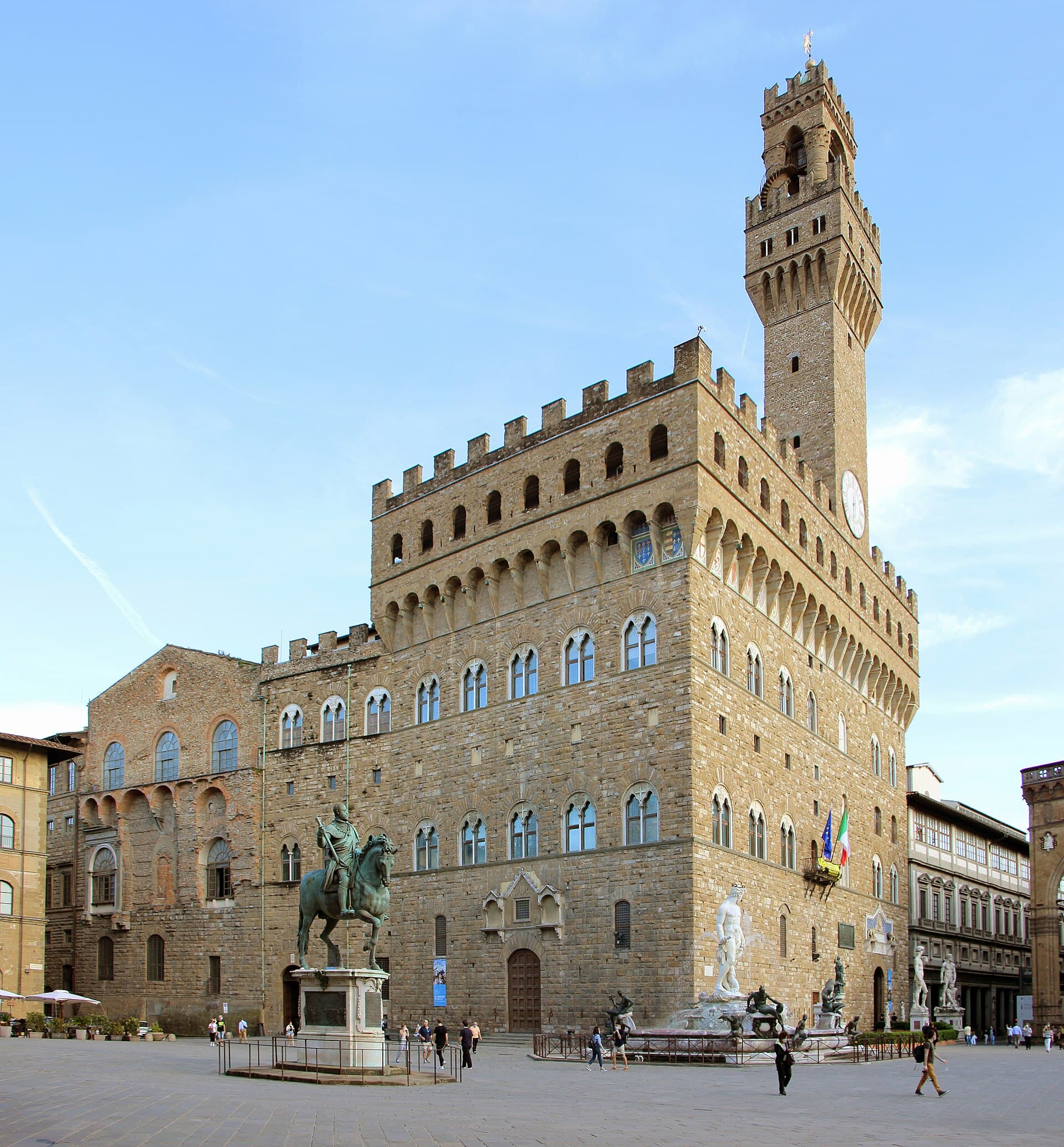 Palazzo VecchioThe Palazzo Vecchio is Florentine power in stone: a crenellated square fortress 1 minute walk4.8
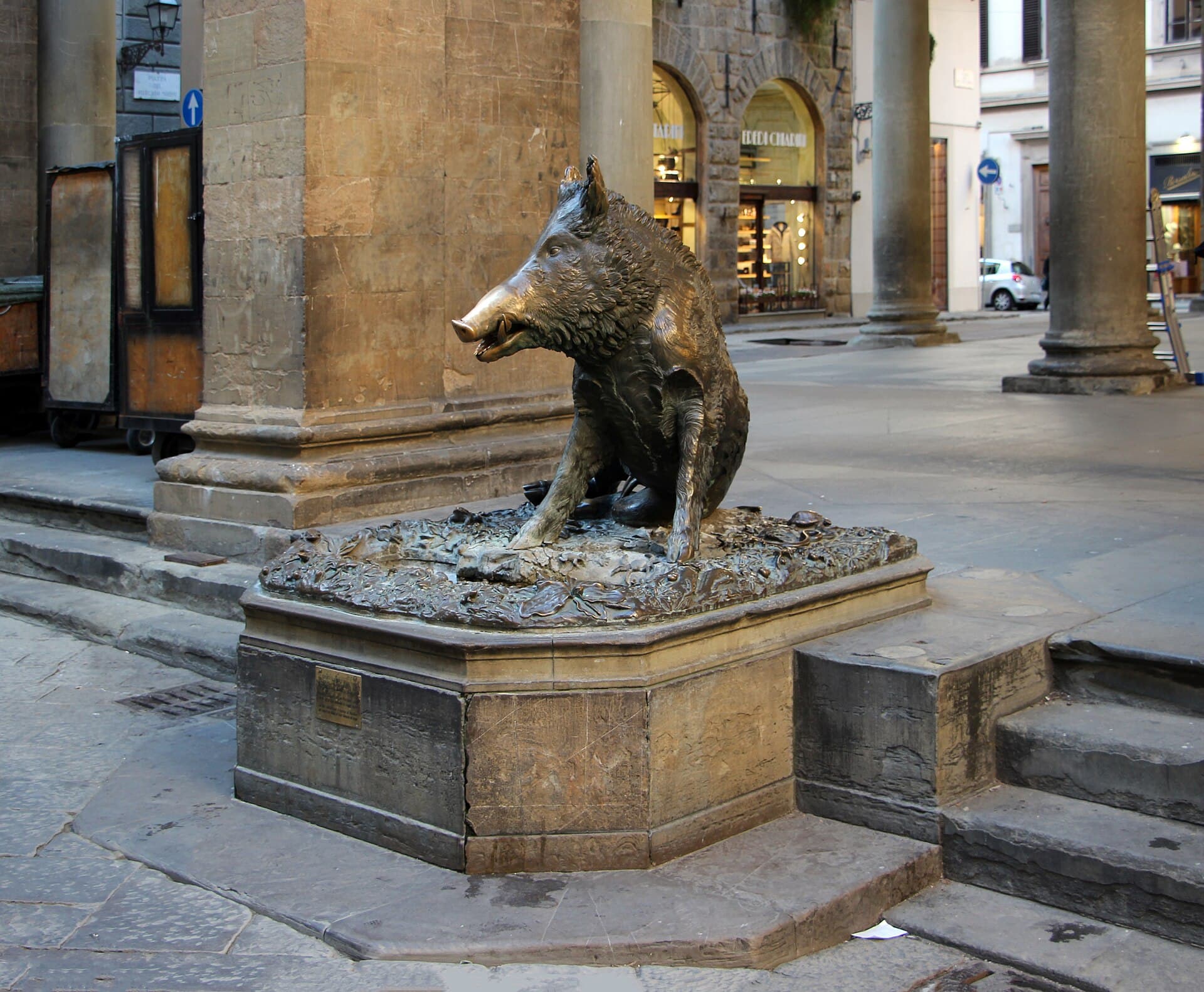 The Fountain of the Little PigA bronze fountain in the form of a wild boar in the Loggia del Mercato Nuovo in 1 minute walk4.6
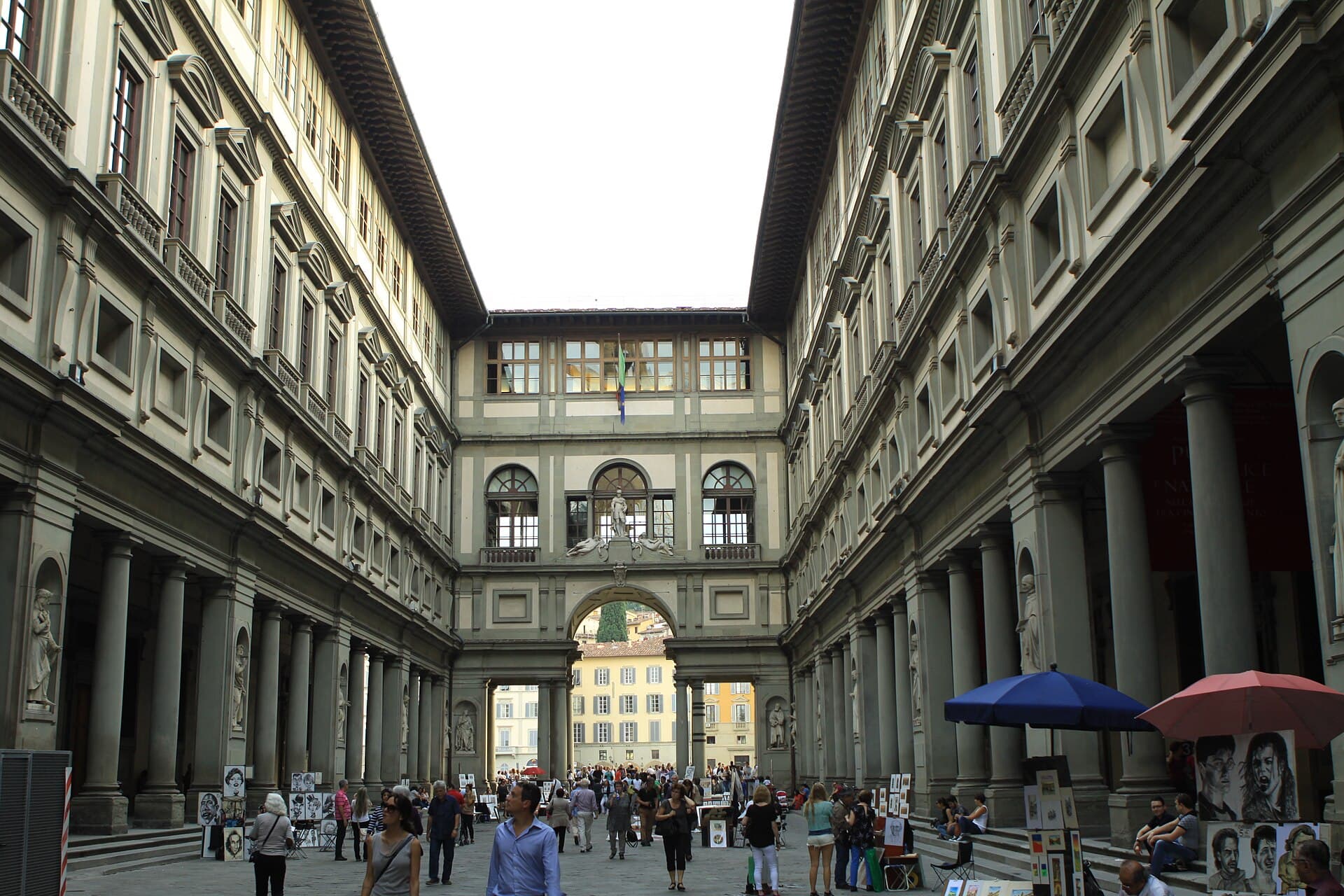 The Uffizi GalleryThe Uffizi is the first museum of Italian painting, absolutely: in the Offices V2 minutes walk4.6
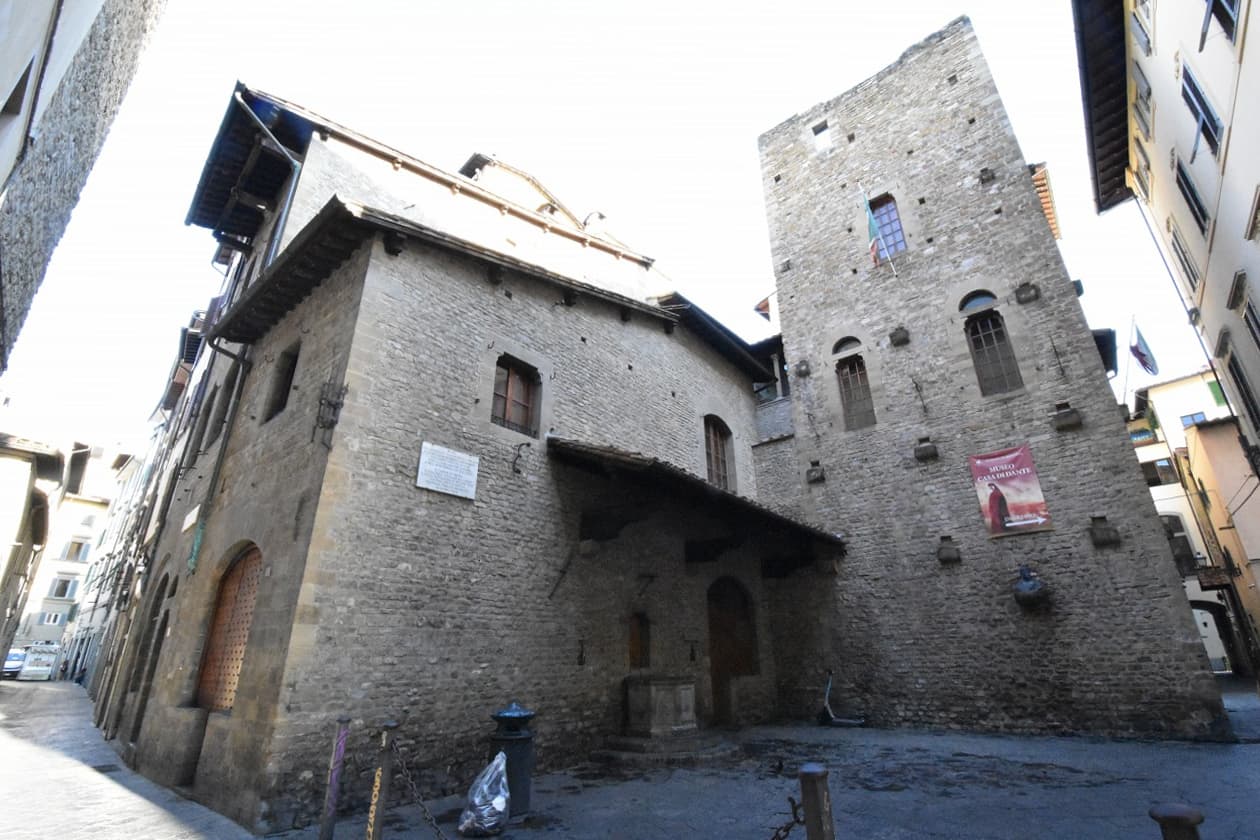 Dante's House MuseumDante Alighieri never spent a single night in this house. The stone building you2 minutes walk3.7
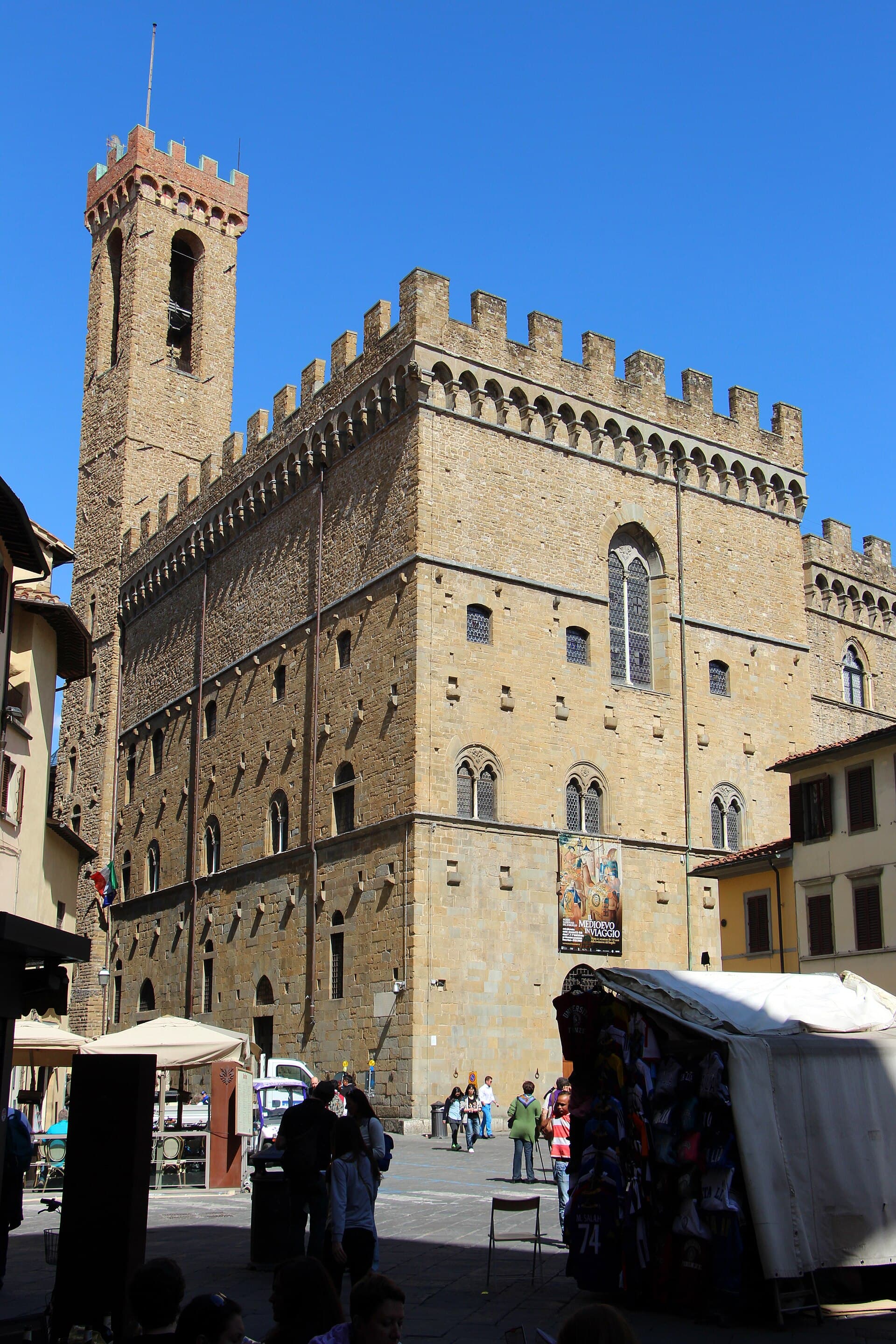 Bargello MuseumThe Bargello is to Renaissance sculpture what the Uffizi is to its painting — mi3 minutes walk4.6
Because the square was born a gallery of political messages: each ruler raised what glorified him — the republic's David, the Duke's Perseus as warning. The originals stood centuries in place; some later moved for safety, while the Loggia keeps its originals — an ongoing miracle.
David and Neptune are copies (originals in the Accademia and museum) — but the Loggia is all original: Cellini's Perseus, Giambologna's Sabines and more. Rule of thumb: roofed means original, open-sky mostly copy.
In passes, not one visit: an empty morning crossing, an afternoon Loggia-step sit with gelato, a night stop for the lit statues — it is Florence's crossroads and your routes will thread it anyway.