
The augmented reality
Headsets showing the seventeenth-century city and the siege.
Lady Ivy — CC BY-SA 4.0 · JiriMatejicek — CC BY-SA 4.0 · Luboš Holič — CC BY-SA 3.0 · Tromber — CC BY-SA 4.0
A fortress on the hill east of the city, built in its entirety in **two months** in 1646 — and that figure is its story. That year an Ottoman army was advancing on Šibenik, and the defenders realised that if the eastern hill fell, the city fell with it. So **the townspeople themselves** — not a regular army — built a triangular stronghold on its summit in sixty days. The siege held. It is named after Baron **Christoph Martin von Degenfeld**, the German officer who led the defence. Since restoration it has become a modern interpretive site: **augmented-reality headsets** show the city as it was in the seventeenth century and scenes from the siege itself, among the most successful uses of the technology at a Croatian historic site. Its view differs from St Michael''s: that one looks over the sea and archipelago, this one **inland to the mountains** and down over the city. There is a café serving local produce, and it is one of the quietest places to sit at sunset.
Headsets showing the seventeenth-century city and the siege.
Over the mountains and down on the city, rather than the sea.
Local produce, and the quietest place to sit at sunset.
Bršanj, Šibenik
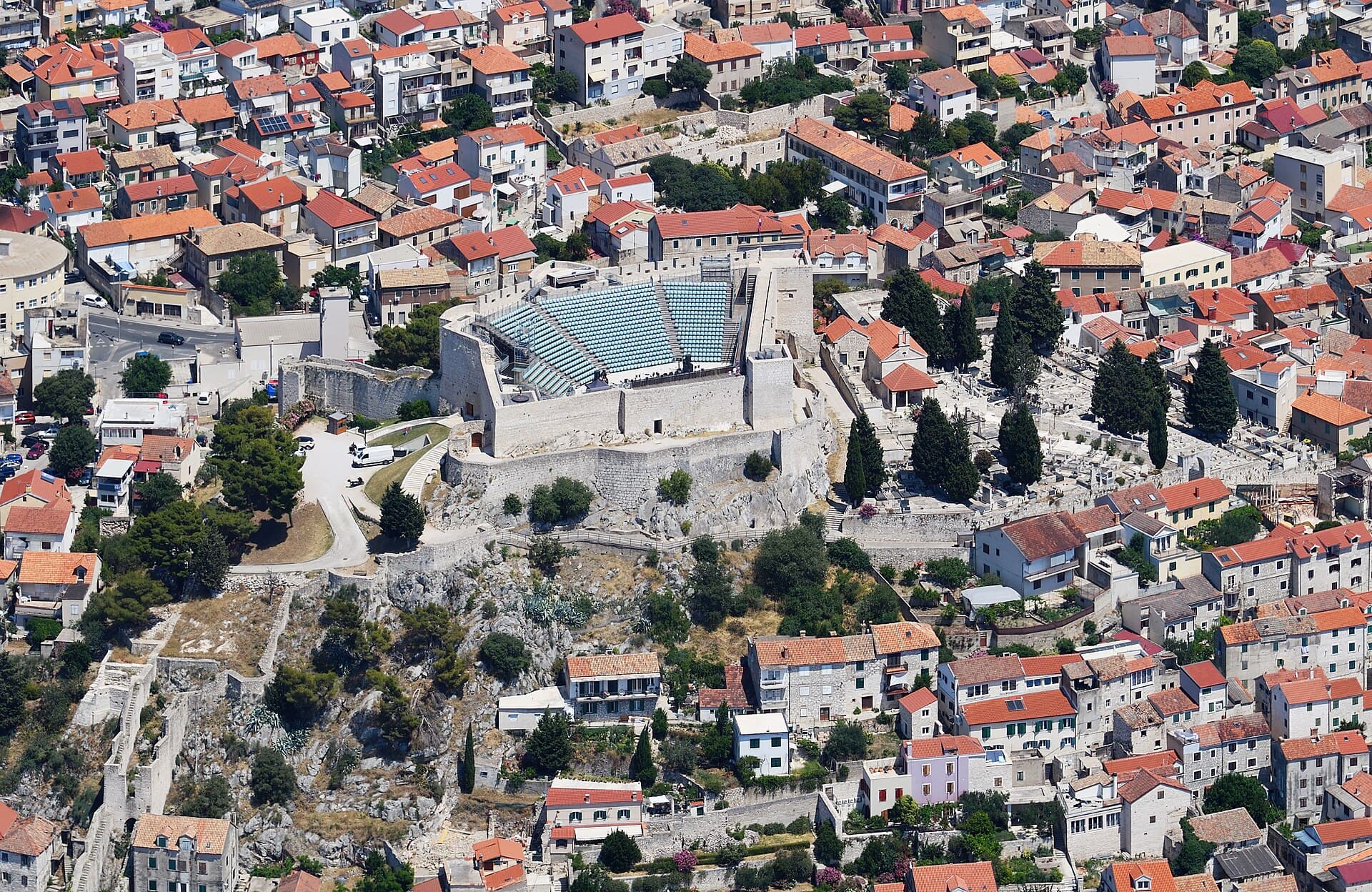 St Michael''s FortressThe oldest and highest of Šibenik''s four fortresses, standing on a rock directl7 minutes walk4.5
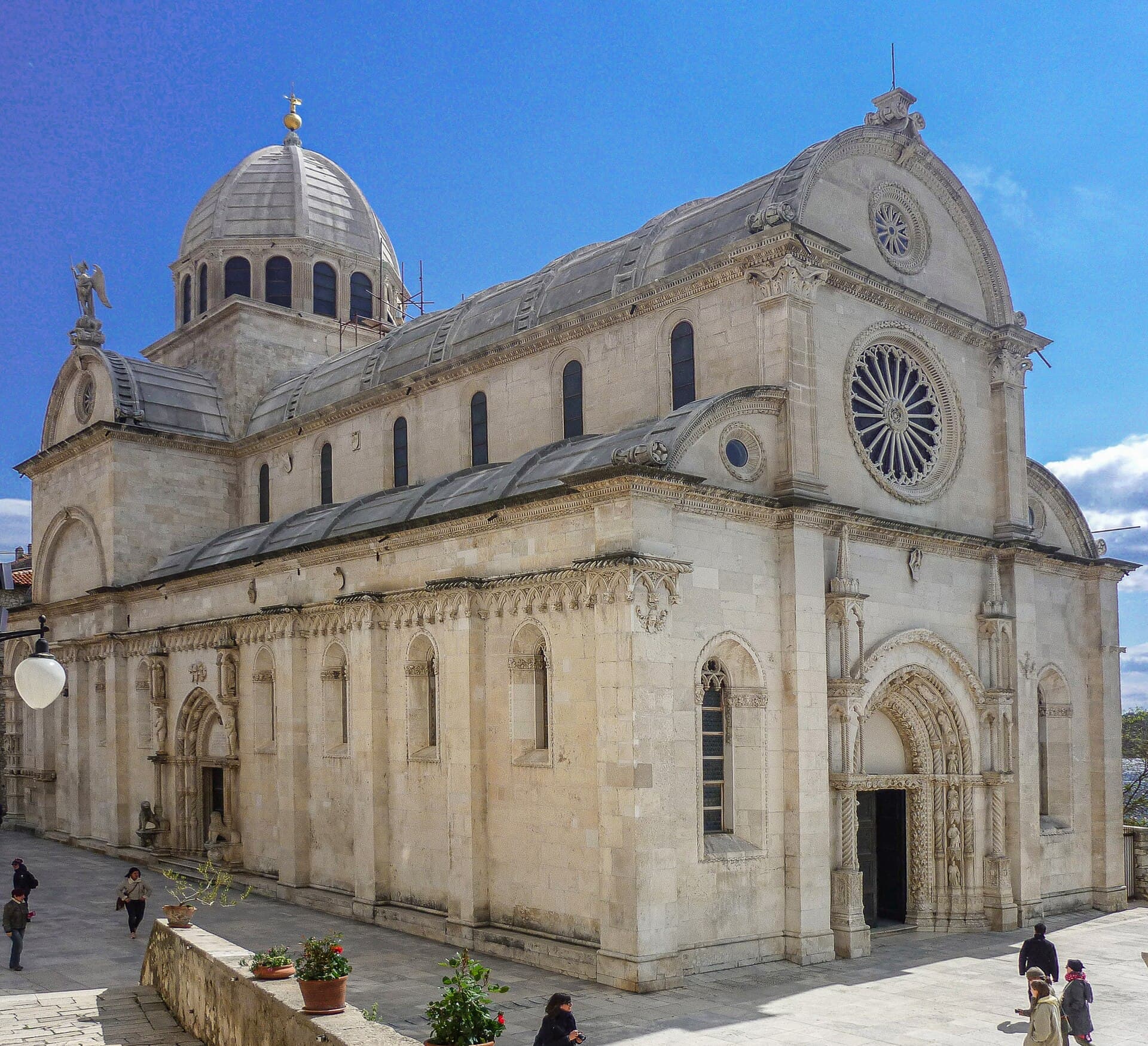 Cathedral of St JamesUNESCO-listed, and not for beauty alone but for **how it was built**: this cathe8 minutes walk4.7
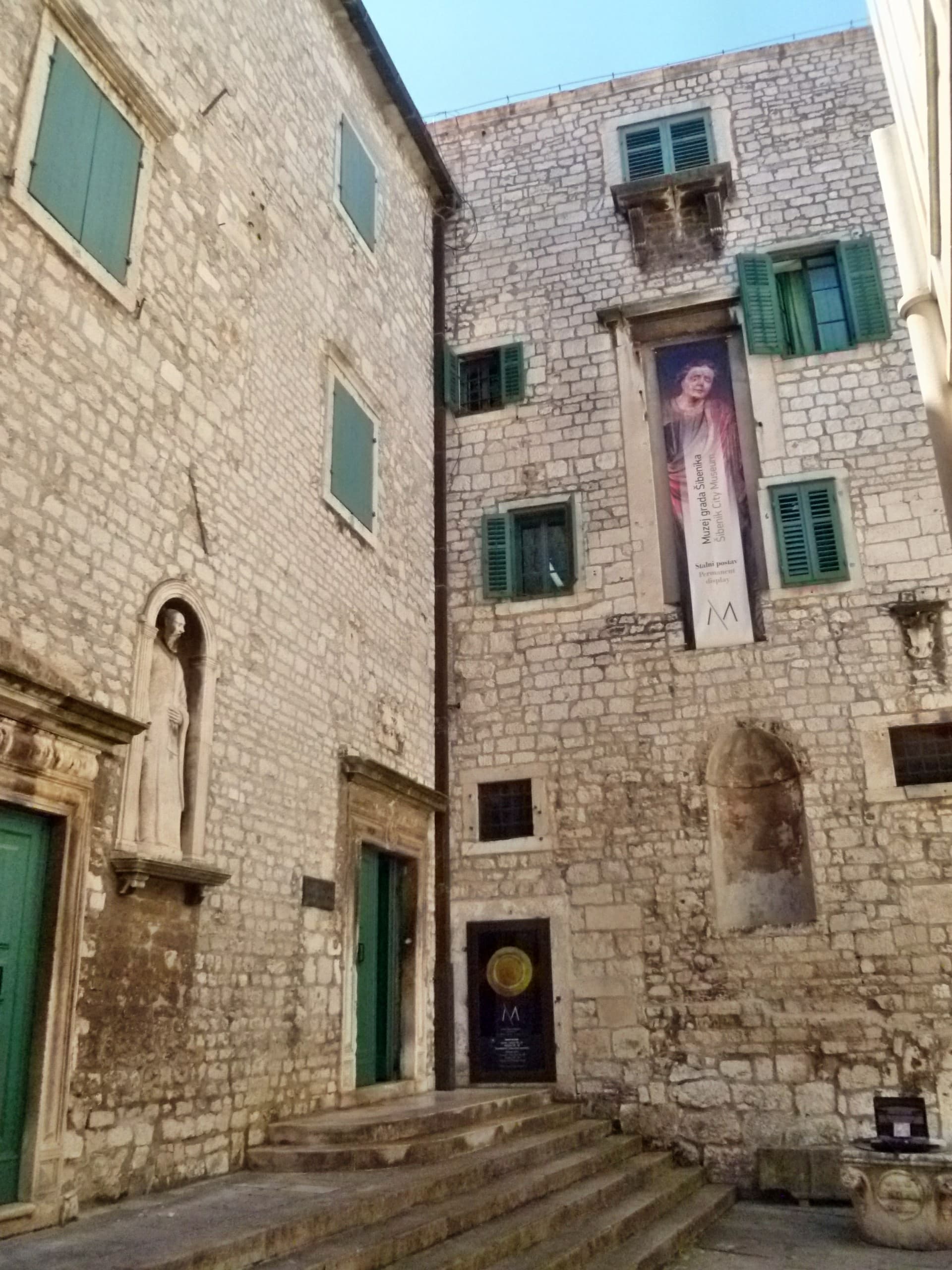 Šibenik City MuseumThe regional museum for Šibenik and its surroundings, occupying the **Venetian g8 minutes walk4.7
The city is small and the whole centre is walkable. Start early at the **Cathedral of St James** before the crowds, and walk round its outer apse for the frieze of heads. Then climb to **St Michael''s Fortress** through the stepped lanes — the climb is part of the visit and passes the best of the old town. Lunch on the waterfront, then **Barone Fortress** in the afternoon on the combined ticket. With time left: the **city museum** in the Venetian palace, or a boat out to **St Nicholas'' Fortress** in the sea. ⚠ Most visitors spend their second day at **Krka National Park** rather than in the city — it is half an hour away.