
The nativity scene
Several hundred eighteenth-century terracotta figures, among Portugal's most famous.
SchiDD — CC BY 3.0 · Alvesgaspar — CC BY-SA 3.0 · Alvesgaspar — CC BY-SA 3.0 · Alvesgaspar — CC BY-SA 3.0
A late eighteenth-century church with a prominent white dome west of central Lisbon, built on the orders of Queen Maria I in fulfilment of a vow she made if she were granted an heir. The building is white and grey marble in a late Baroque and neoclassical manner, and its dome is visible from a distance and counts among Lisbon's skyline markers. The interior is wide, cool and quiet, and the coloured marble on the floors and walls is its clearest feature. It holds a vast eighteenth-century nativity scene of several hundred terracotta figures, among the most famous works of its kind in Portugal, shown at set times. Opposite the church lies the Estrela Garden, one of Lisbon's prettiest and most used by residents: a small lake, large trees and a café. Together they make a quiet stop away from the crush of the centre, and tram 28 passes here.
Several hundred eighteenth-century terracotta figures, among Portugal's most famous.
White and prominent, visible from a distance across the city.
One of Lisbon's prettiest and most locally used gardens — a lake, trees and a café.
Praça da Estrela, west of central Lisbon
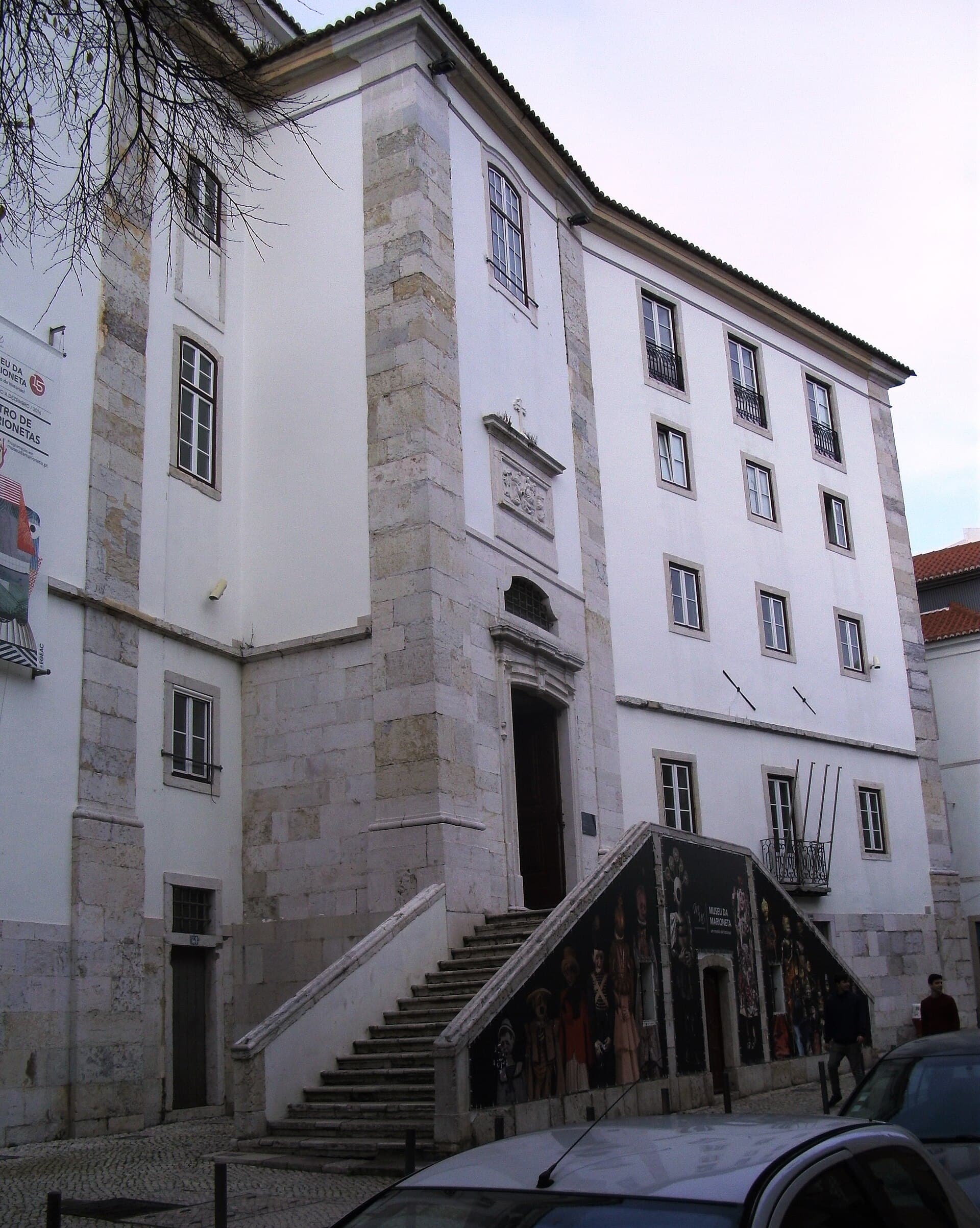 Puppet MuseumA museum devoted to puppetry, in a seventeenth-century convent in the quiet Madr9 minutes walk4.7
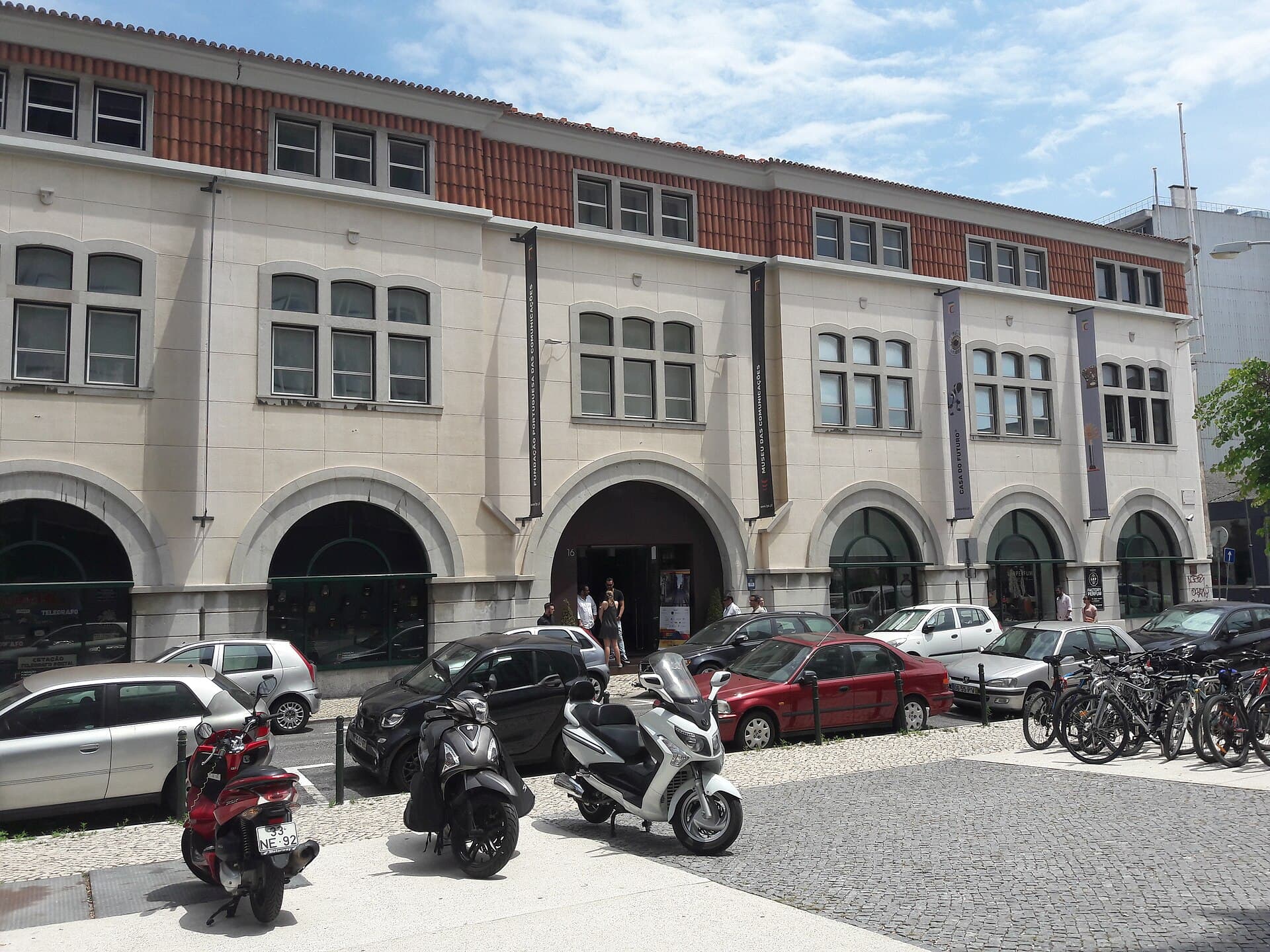 Communications MuseumA museum about the history of post and telecommunications in Portugal, in a buil13 minutes walk4.6
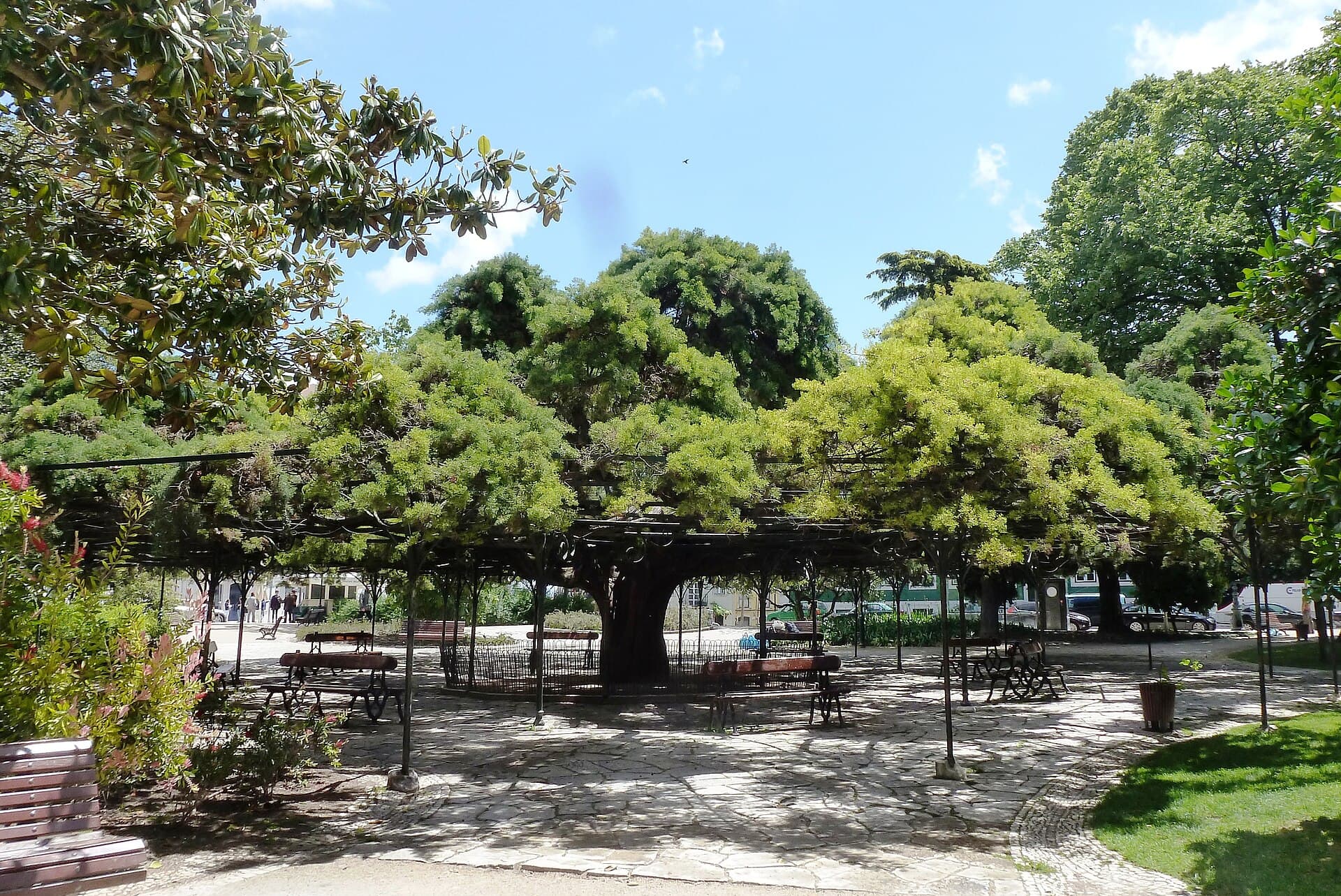 Príncipe Real GardenA square and garden in Príncipe Real, among the quietest and smartest of Lisbon'13 minutes walk4.6
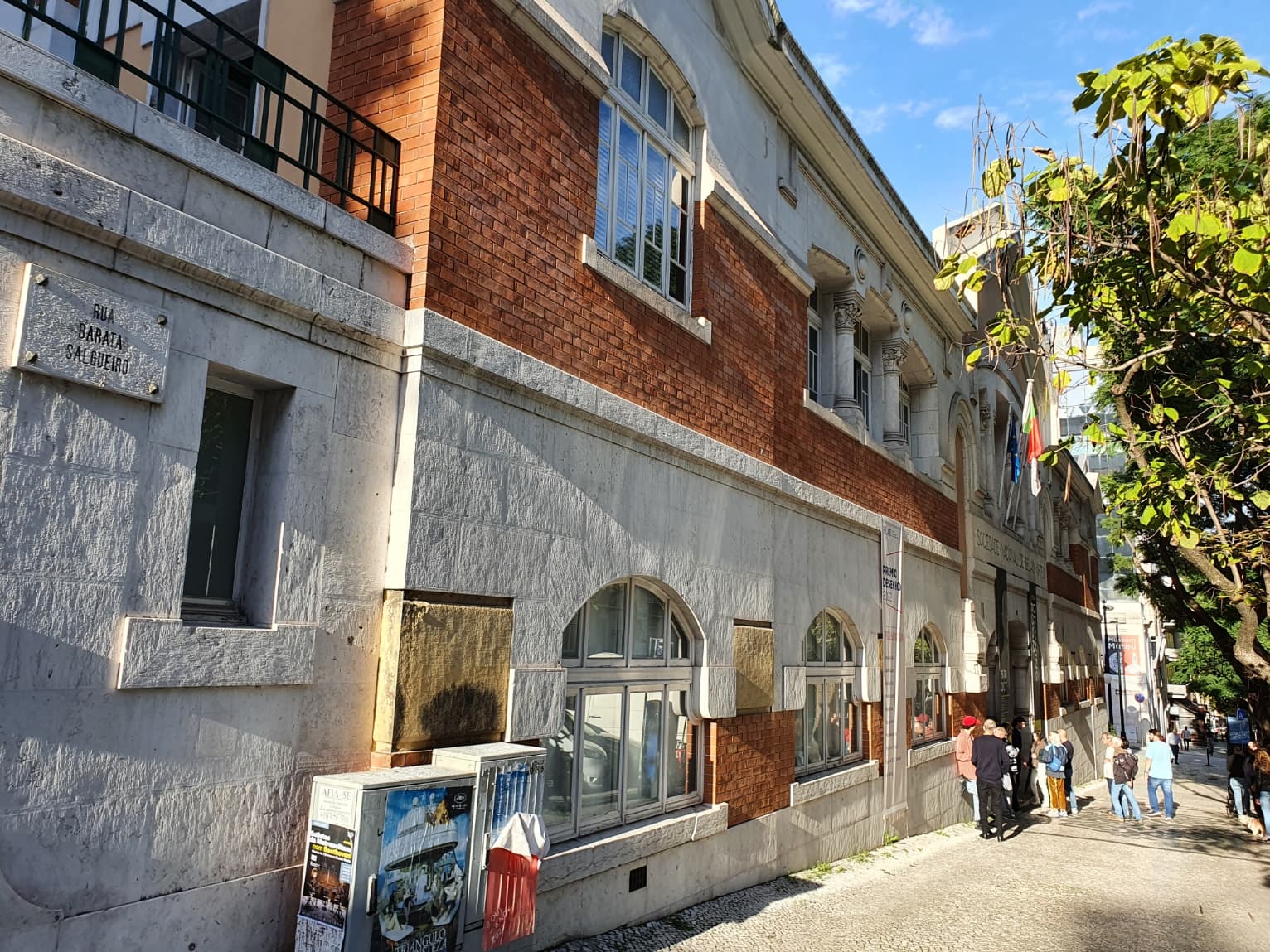 National Society of Fine ArtsAn arts institution founded in the nineteenth century and still operating, in a 16 minutes walk4.5
 Bairro Alto & ChiadoThe twins Bairro Alto and Chiado are western Lisbon's two faces: Chiado the eleg17 minutes walk4.5
Usually yes at set times and for a small ticket, and the view takes in western Lisbon and the Tagus. The climb is by stairs and the hours are limited, so ask on the way in rather than assuming it is available.
Tram 28 passes right beside it, the best-known way though it is crowded. There are also buses and a metro station within walking distance. Combine it with the Estrela Garden opposite and the quiet Lapa district around it.