
The submarine cables
They connected Lisbon to Brazil and Africa — strategic infrastructure for a maritime empire.
Hipersyl — CC BY-SA 4.0 · Magdalena Starowieyska, Dariusz Golik — CC BY-SA 3.0 pl · Pudelek — CC BY-SA 4.0 · Asturio Cantabrio — CC BY-SA 4.0
A museum about the history of post and telecommunications in Portugal, in a building near the Tagus waterfront, run by a foundation belonging to the Portuguese postal company. The collection covers a long arc: from the royal mail and horse couriers to the telegraph, the telephone, radio and then digital communications. It includes stamps, post boxes, telephone exchange boards and transmitting equipment, some of it interactive. The strongest section for a non-Portuguese visitor is the one linking communications to maritime expansion: an empire spread across four continents needed messages carried over oceans, and the submarine telegraph cables that connected Lisbon to Brazil and Africa were strategic infrastructure rather than merely technical. The museum is mid-sized, quiet and rarely crowded, and runs temporary exhibitions alongside the permanent display. It suits anyone interested in technical history or looking for something other than churches and palaces, and families with older children.
They connected Lisbon to Brazil and Africa — strategic infrastructure for a maritime empire.
Some displays can be operated and tried, which suits older children.
A good option for a day when you want something other than palaces and monasteries.
Rua do Instituto Industrial, near the Tagus waterfront, Lisbon
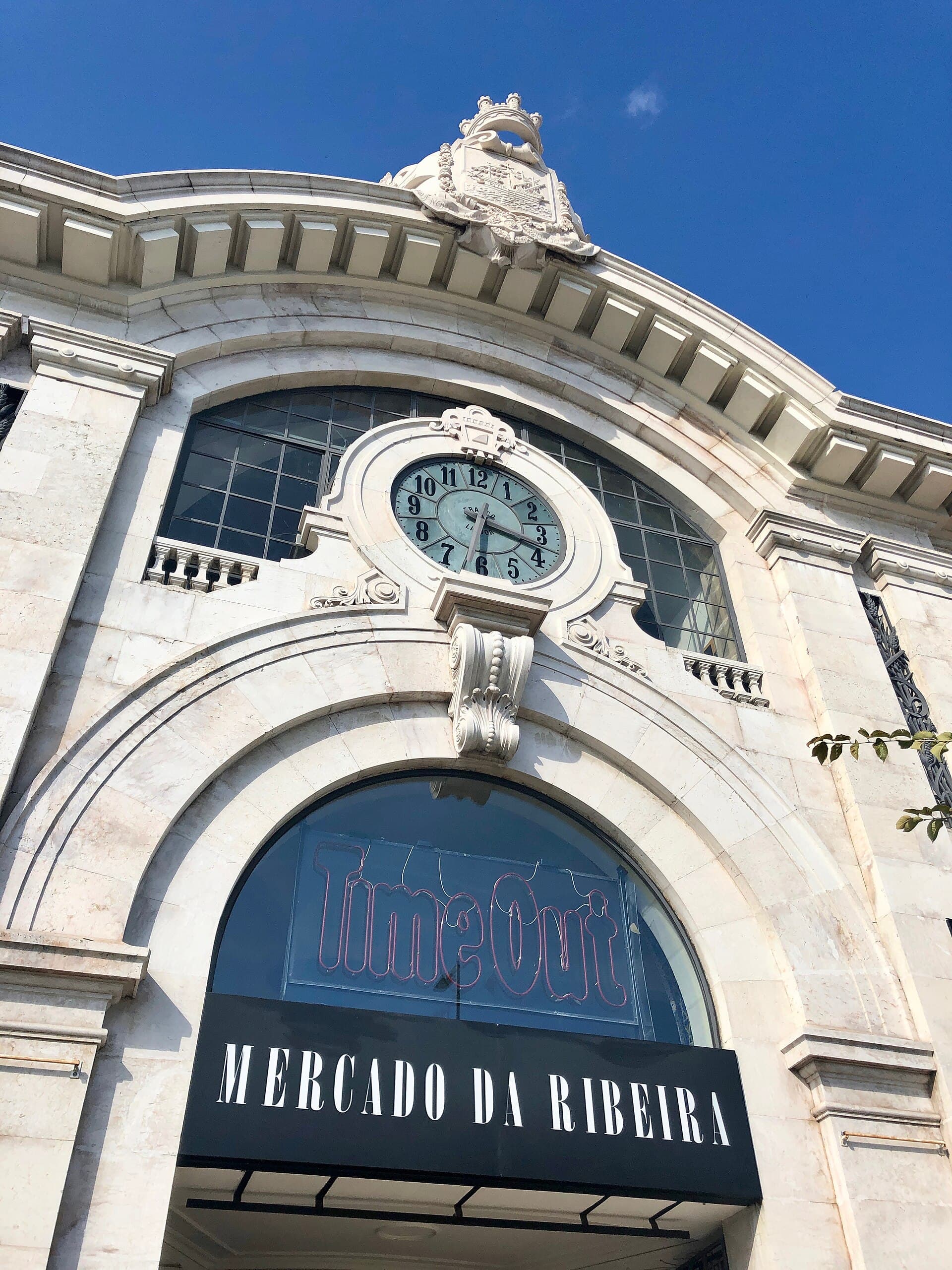 Time Out Market (Mercado da Ribeira)Time Out Market is Lisbon's kitchen under one roof: half the historic Ribeira ma5 minutes walk4.3
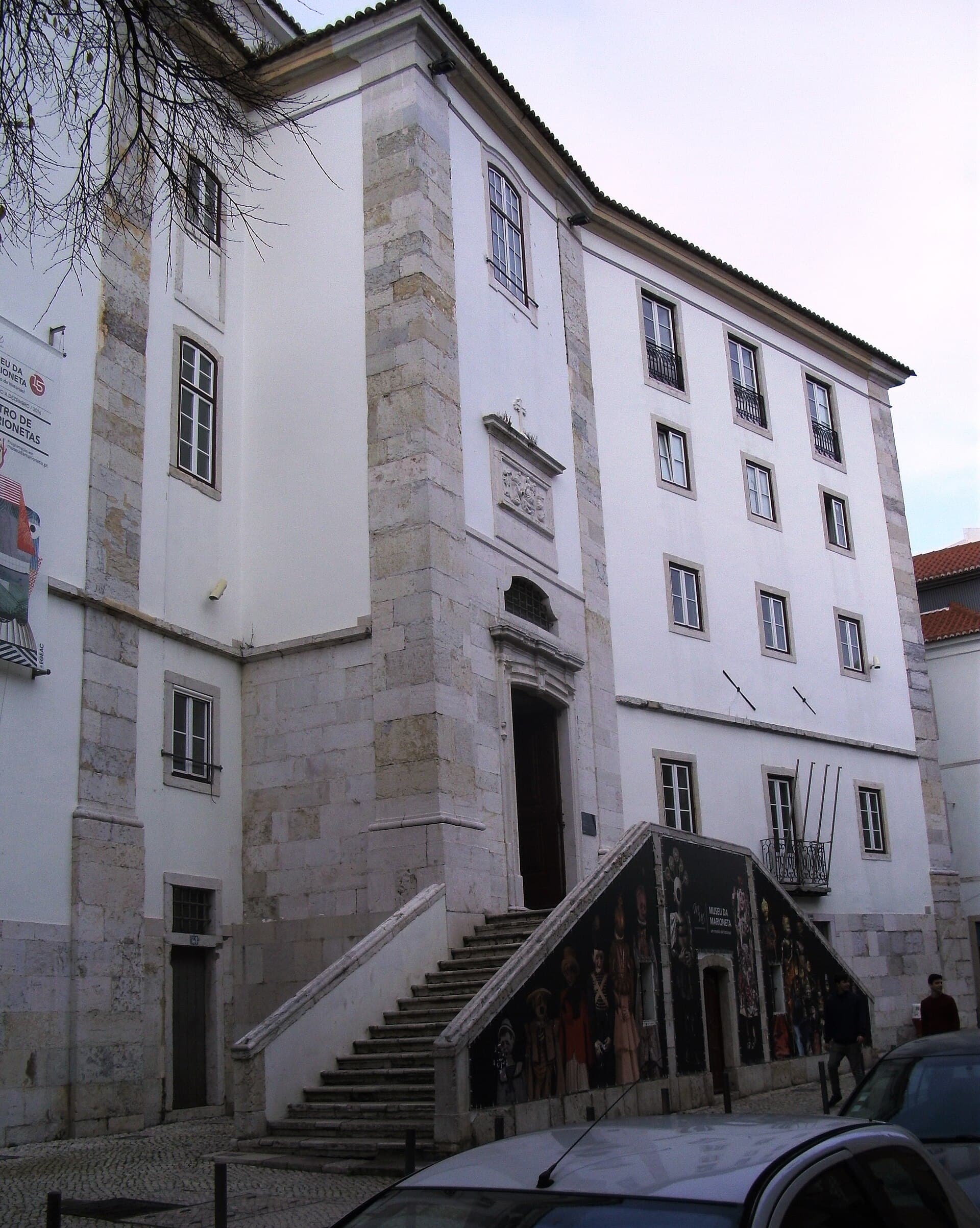 Puppet MuseumA museum devoted to puppetry, in a seventeenth-century convent in the quiet Madr6 minutes walk4.7
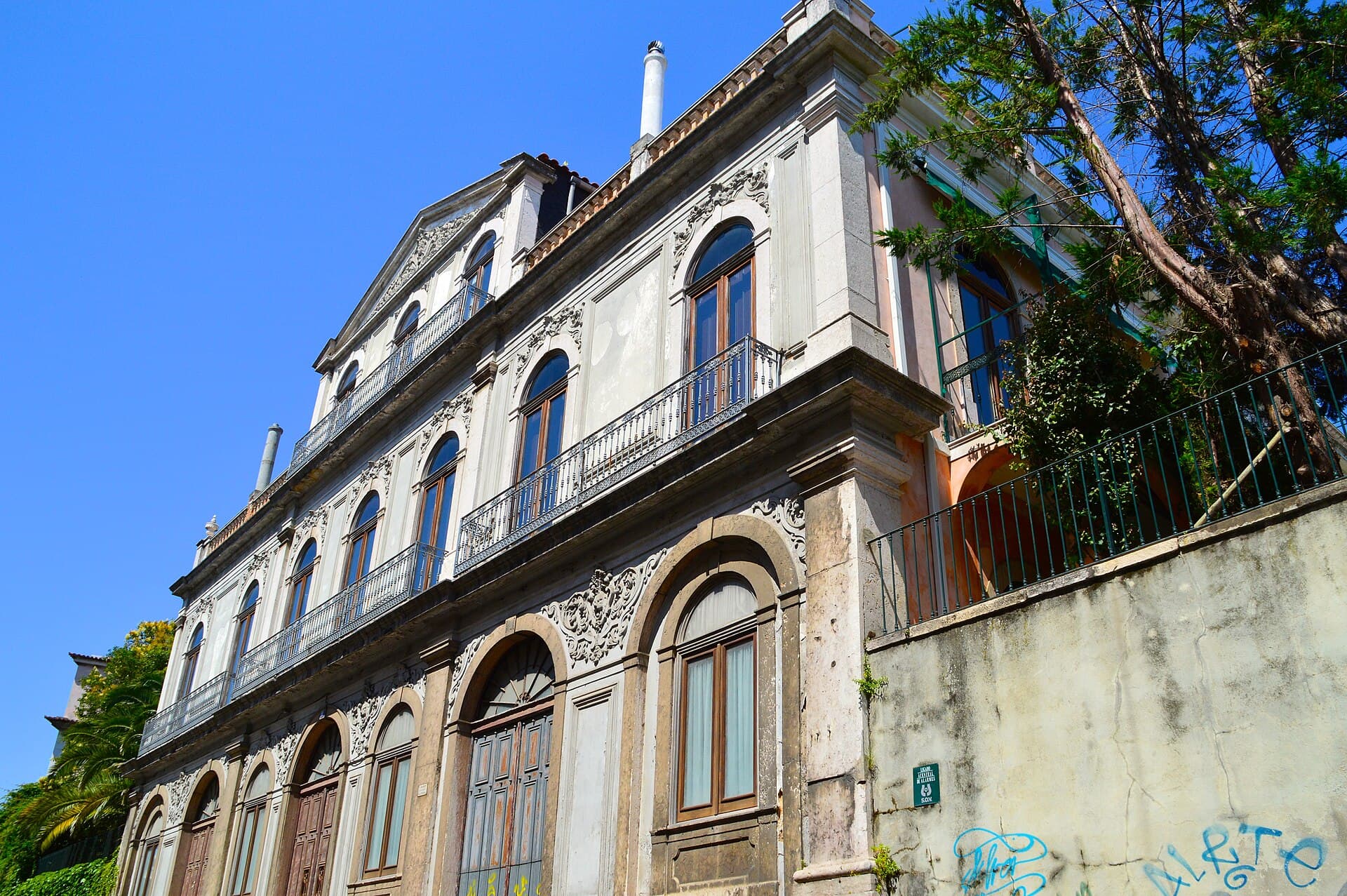 Bairro Alto & ChiadoThe twins Bairro Alto and Chiado are western Lisbon's two faces: Chiado the eleg10 minutes walk4.5
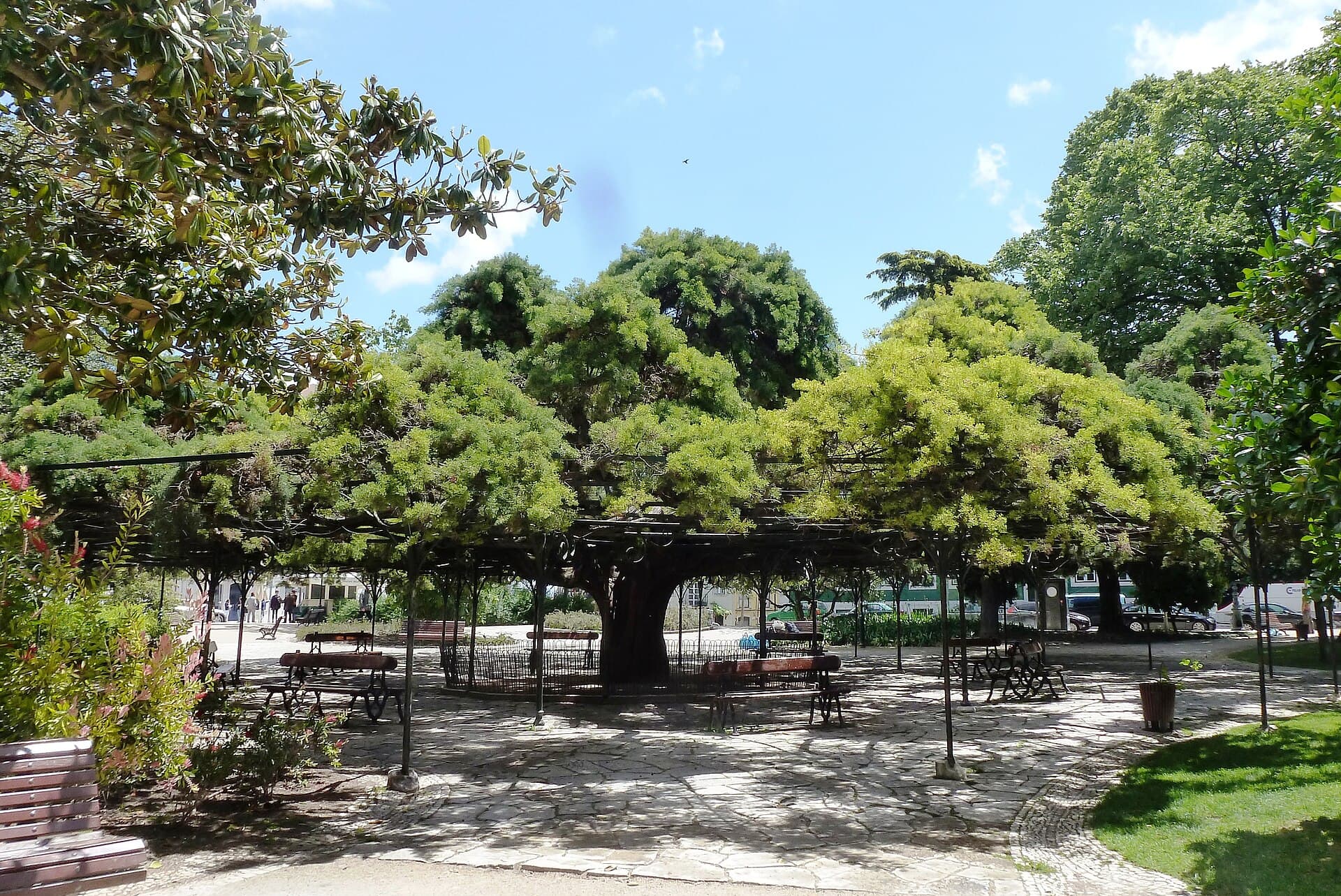 Príncipe Real GardenA square and garden in Príncipe Real, among the quietest and smartest of Lisbon'12 minutes walk4.6
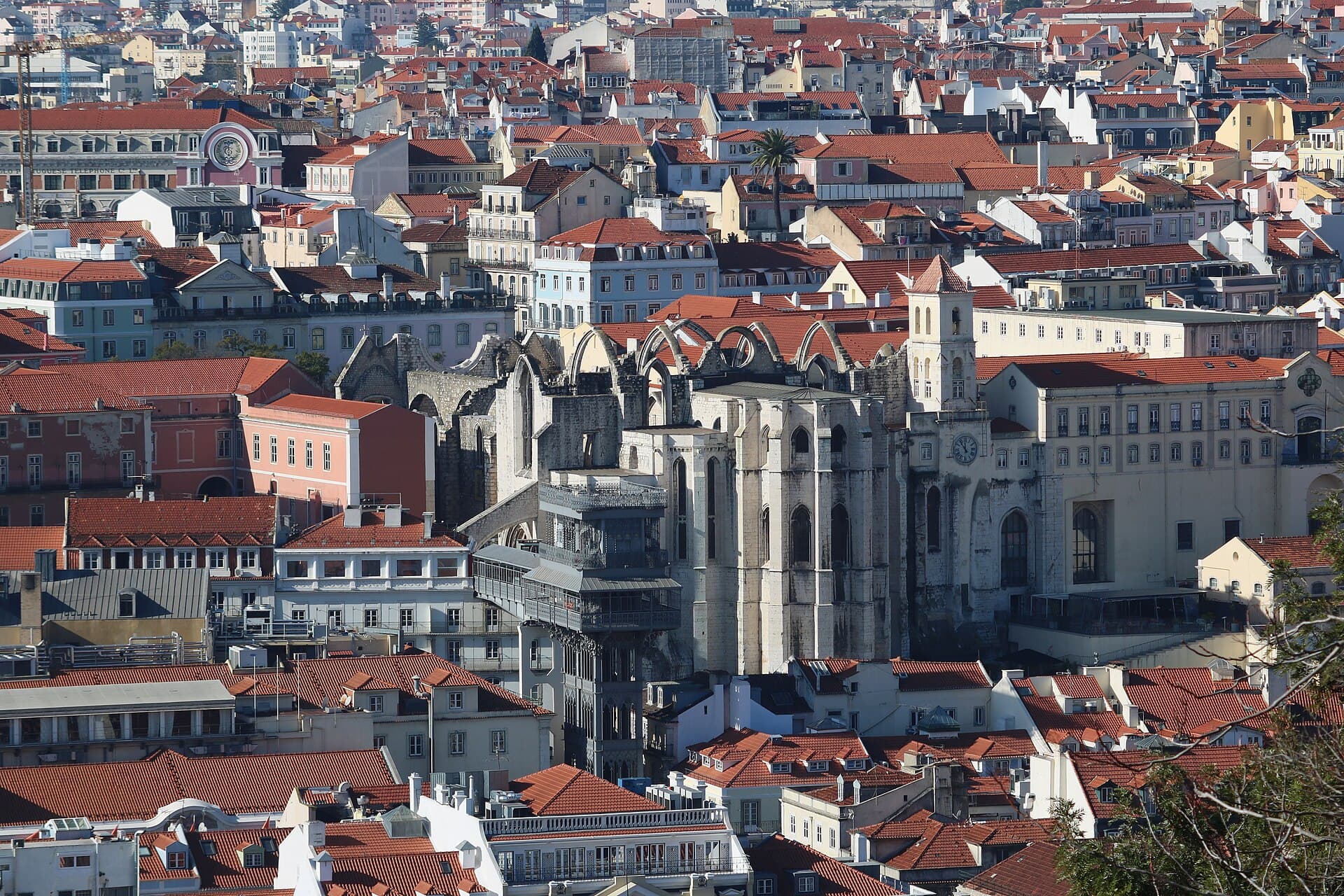 The Carmo Convent, Open to the SkyCarmo is 1755's deliberately kept wound: Lisbon's greatest Gothic church (1389) 13 minutes walk4.6
The main sections carry English alongside Portuguese, though some detailed text and the temporary exhibitions may be Portuguese only. Ask at the entrance if the text matters to you.
Not as a priority. On three days in Lisbon, Belém, the Alfama, the castle and the Gulbenkian clearly come first. This suits a fourth day or a specific interest in technical history.