
Bronze Pessoa
Sit at his A Brasileira table.
Manuel Menal — CC BY-SA 2.0 · Manuel Menal — CC BY-SA 2.0 · Misa.stefanovic.07 — CC BY-SA 4.0 · Misa.stefanovic.07 — CC BY-SA 4.0
The twins Bairro Alto and Chiado are western Lisbon's two faces: Chiado the elegance — the writers' cafés (A Brasileira with Pessoa seated in bronze at its table), the world's oldest working bookshop (Bertrand, 1732), theatres and opera — and Bairro Alto above it, a 16th-century chessboard of lanes waking at dusk into taverns, restaurants and fado until dawn. Their upper gate is the Miradouro de São Pedro de Alcântara: a two-level garden terrace facing the castle — the whole eastern city as a picture, with an azulejo panel naming the landmarks — reached by the venerable yellow Glória funicular from Restauradores or the Chiado climb. Between them stands plain-faced São Roque: its interior among Europe's richest in gold — and the St. John chapel was built in Rome of precious stones then shipped whole (Europe's costliest chapel of its day). Live both quarters on foot: this is Lisbon's social square, morning to night.
Sit at his A Brasileira table.
Castle and eastern city on two garden levels.
The venerable yellow climbing since 1885.
Europe's richest interior behind its poorest face.
Miradouro de São Pedro de Alcântara, 1250-237 Lisbon
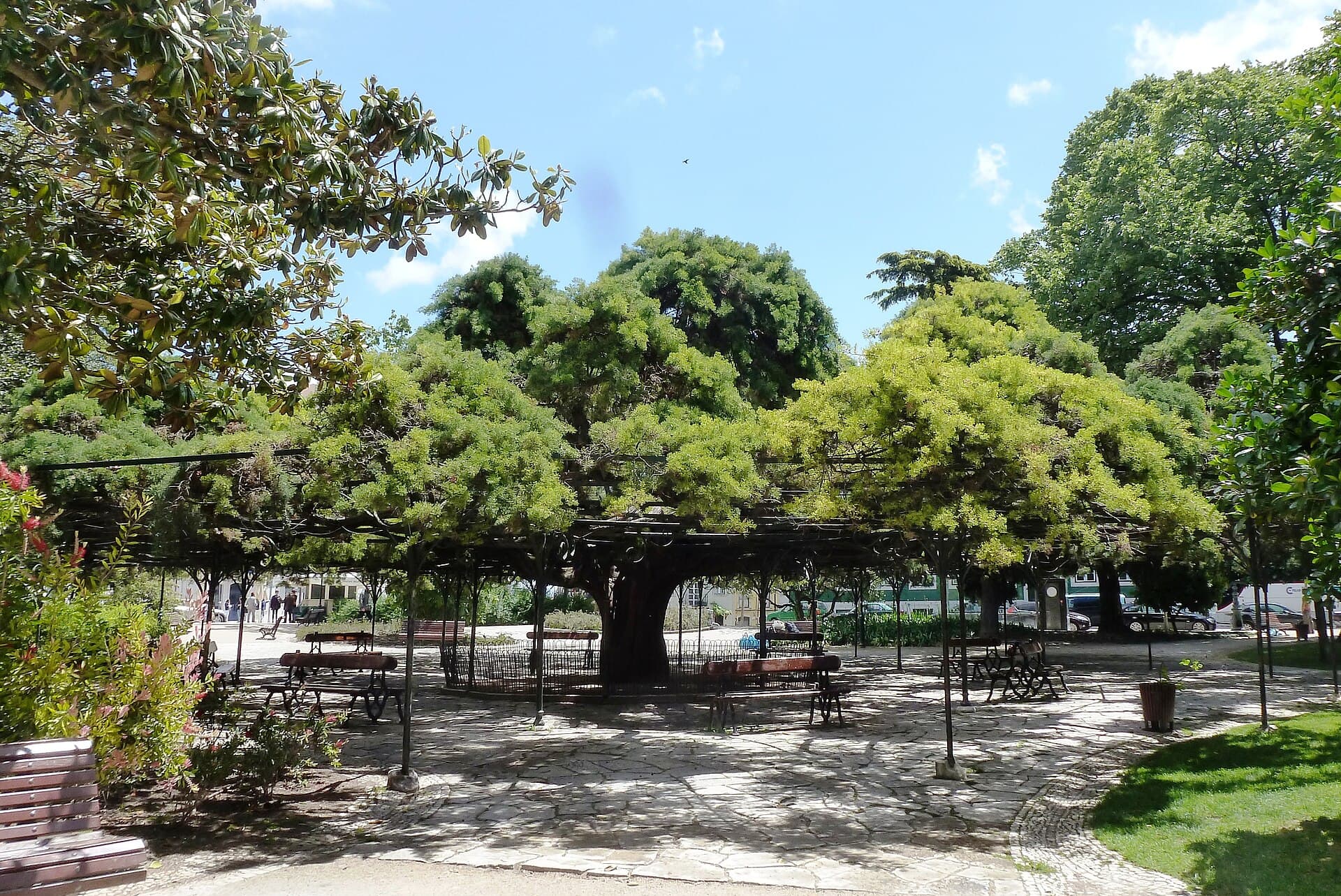 Príncipe Real GardenA square and garden in Príncipe Real, among the quietest and smartest of Lisbon'5 minutes walk4.6
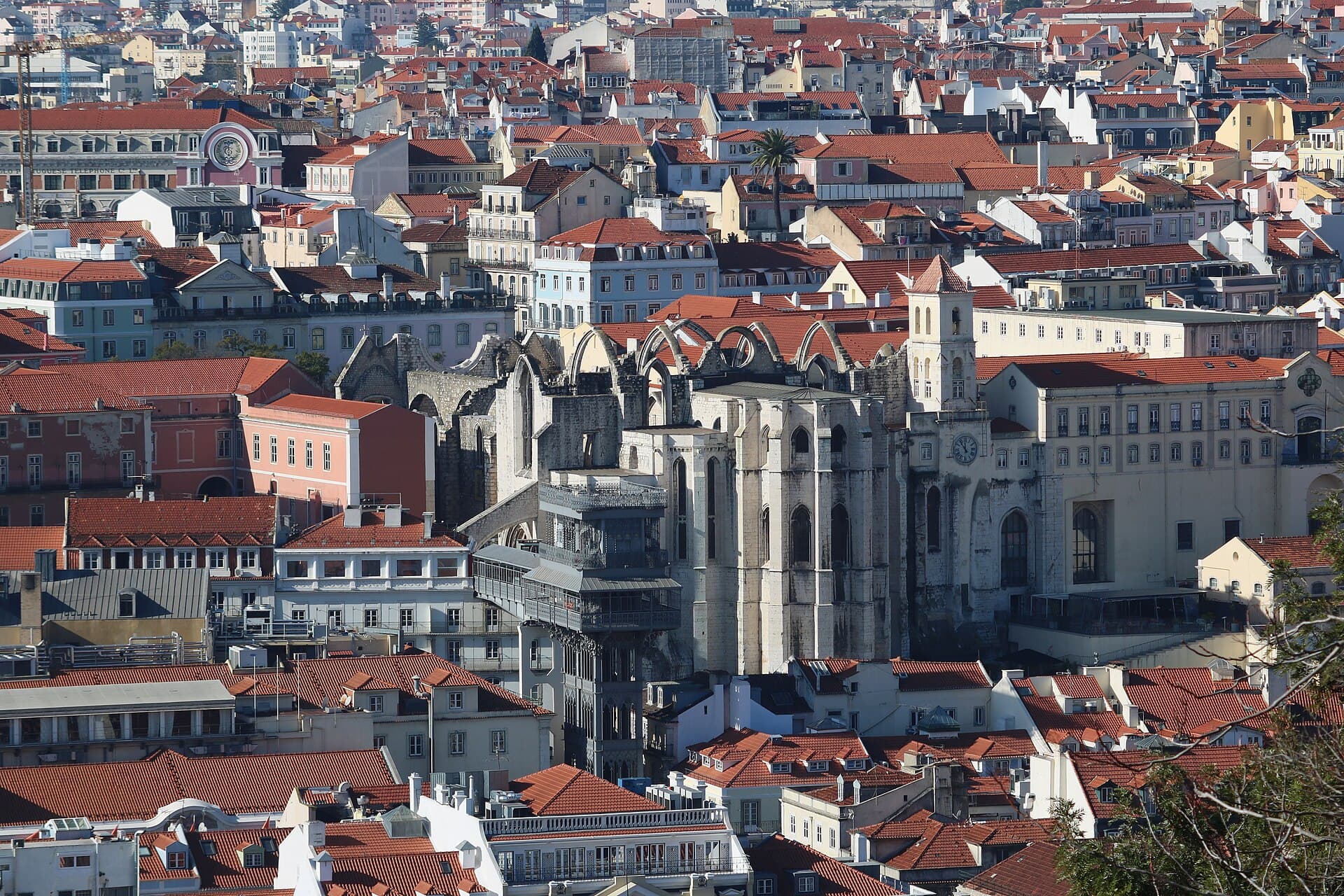 The Carmo Convent, Open to the SkyCarmo is 1755's deliberately kept wound: Lisbon's greatest Gothic church (1389) 6 minutes walk4.6
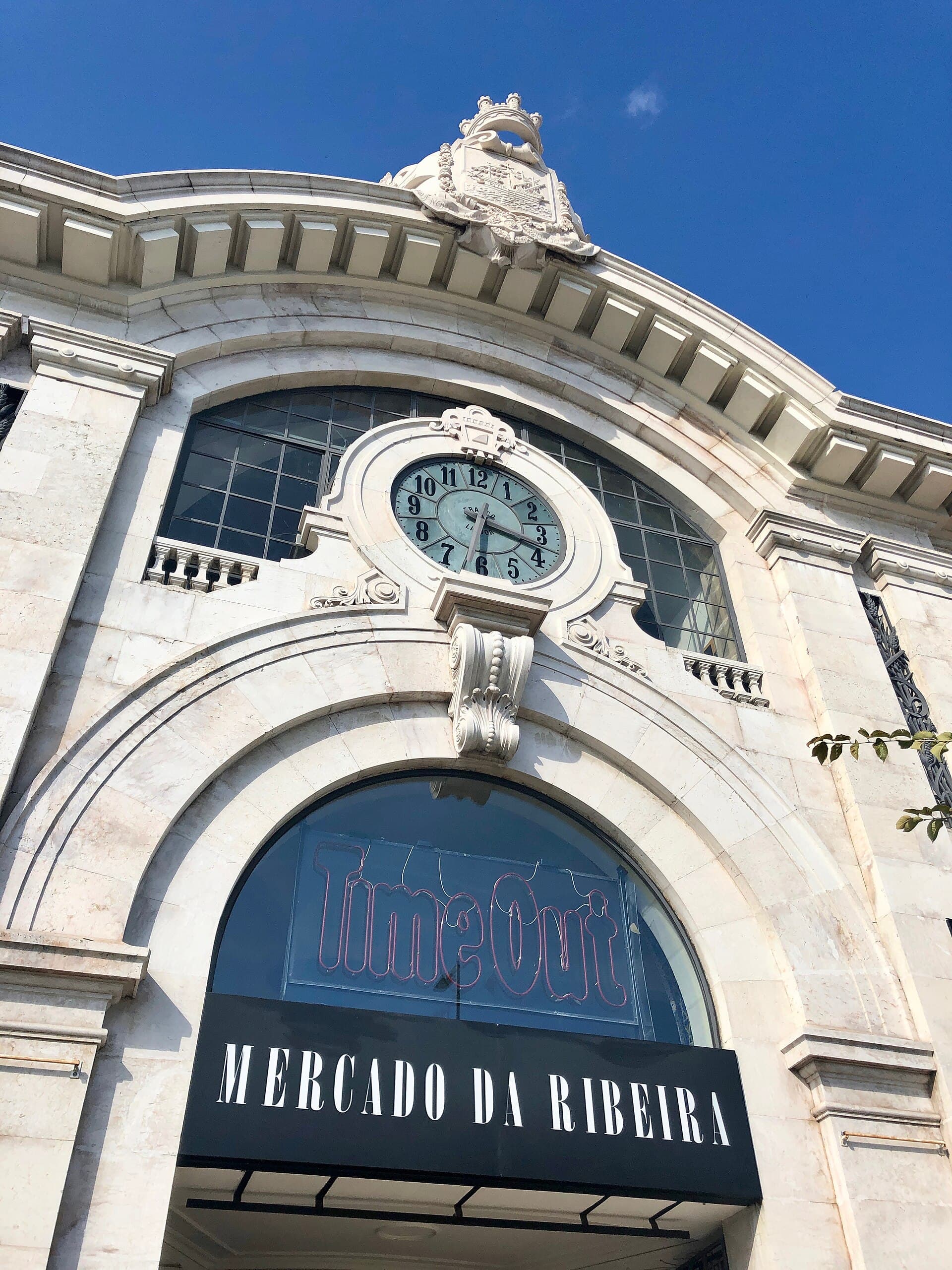 Time Out Market (Mercado da Ribeira)Time Out Market is Lisbon's kitchen under one roof: half the historic Ribeira ma9 minutes walk4.3
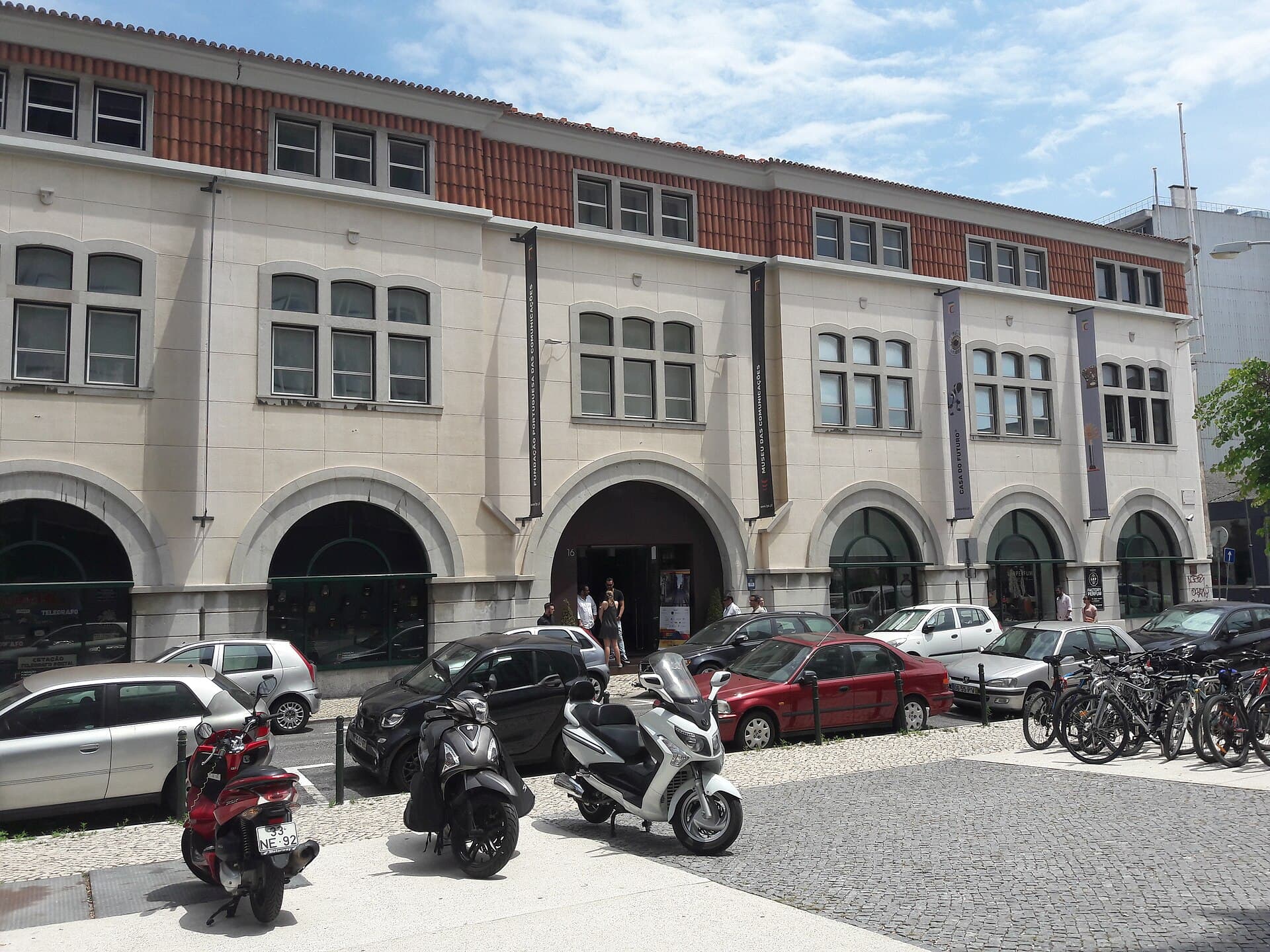 Communications MuseumA museum about the history of post and telecommunications in Portugal, in a buil10 minutes walk4.6
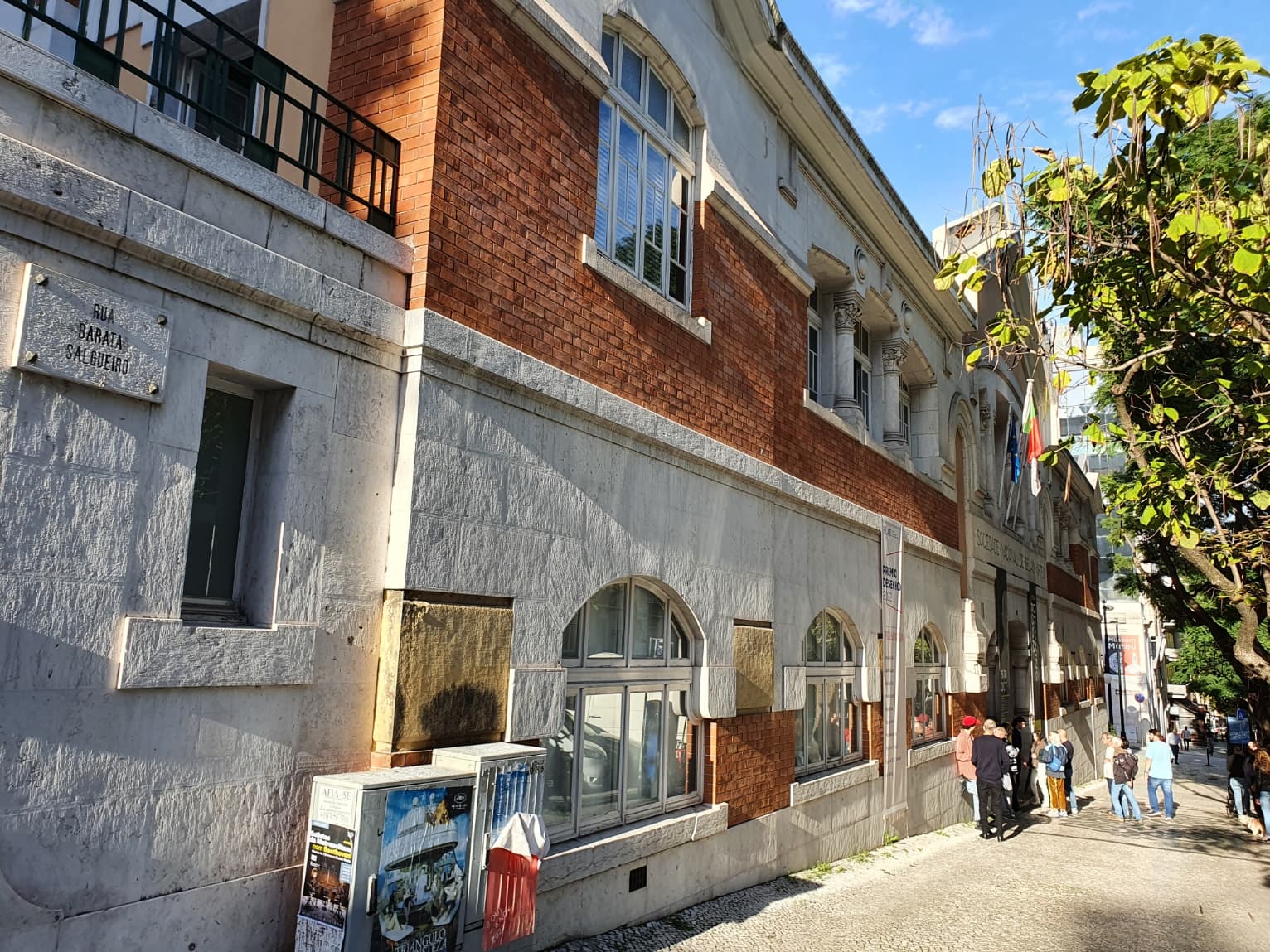 National Society of Fine ArtsAn arts institution founded in the nineteenth century and still operating, in a 11 minutes walk4.5
Bairro Alto at night is taverns by nature — but its alternatives adjoin: Chiado's restaurants and rooftops, the Cais do Sodré bank and Time Out's tables to midnight, and fado evenings as full dinners without a drinking mood. The lanes themselves before nine make a lovely family walk, unrowdy.