
The Romanesque porch
Twelfth-century carving — Bordeaux's oldest standing art.
=Ludovic Courtès — CC BY-SA 3.0 · FrDr — CC BY-SA 4.0 · FrDr — CC BY-SA 4.0 · FrDr — CC BY-SA 4.0
Saint-Seurin is Bordeaux's oldest, deepest-rooted church: risen over a fourth-century Christian burial ground — its stone sarcophagi shown in an adjoining archaeological crypt — with a twelfth-century Romanesque south porch whose carvings are the city's oldest treasure. Its legend is grand: here, by the Song of Roland, Charlemagne laid the split horn Olifant in grief for his knight — making the basilica a medieval launching point towards Santiago, UNESCO-listed with its two sisters on the pilgrim roads. The interior layers centuries quietly: Gothic choir, a fourteenth-century stone bishop's throne, a crypt of early marble tombs. A clean thirty-minute visit far from any crowd — spiritual Bordeaux before the glory of wine and trade.
Twelfth-century carving — Bordeaux's oldest standing art.
Charlemagne's split horn laid here by the Song's own text.
Marble tombs from Aquitanian Christianity's dawn.
Place des Martyrs-de-la-Résistance, 33000 Bordeaux
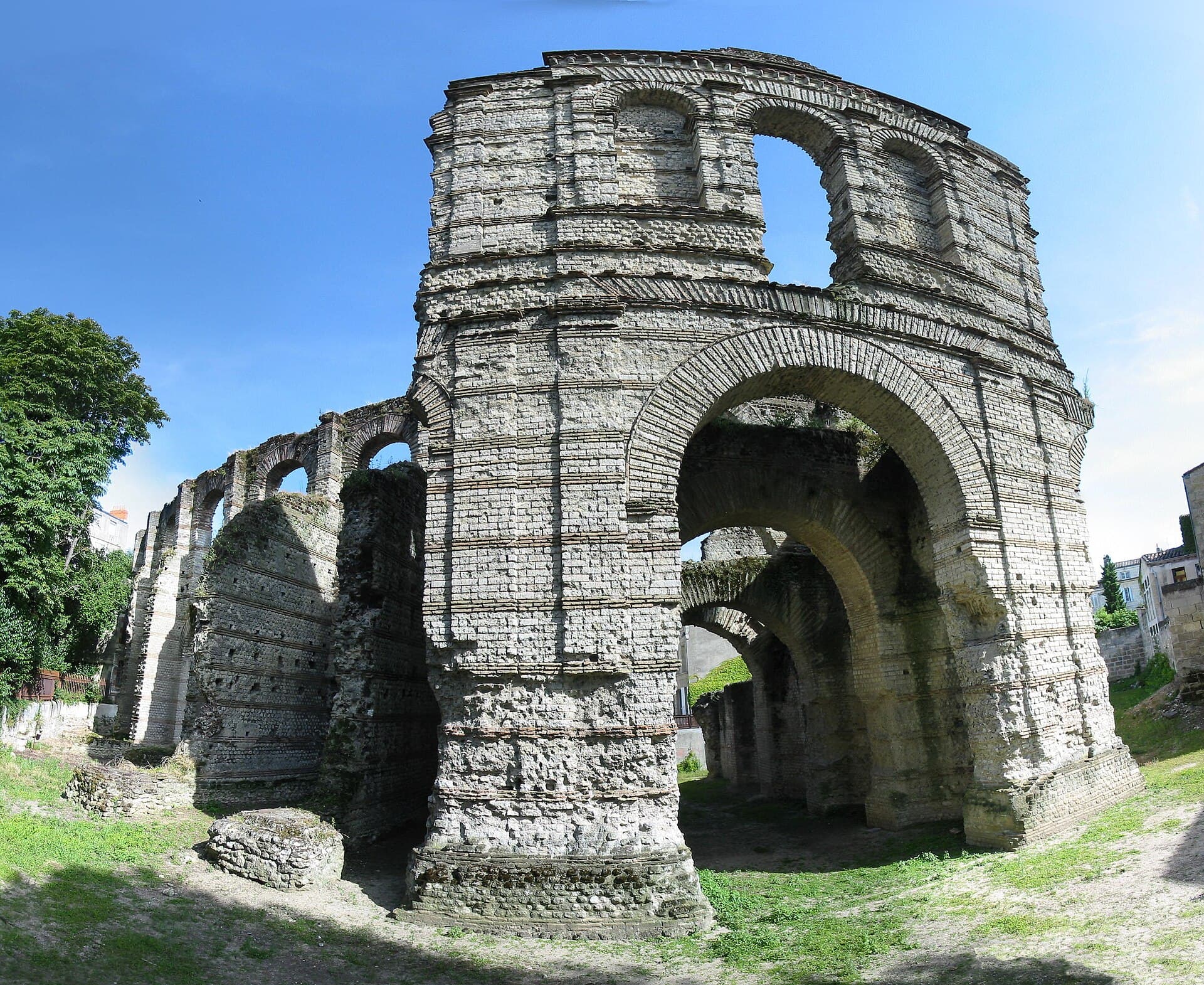 Palais GallienThe Palais Gallien is no palace but a Roman amphitheatre of the second century, 7 minutes walk4.2
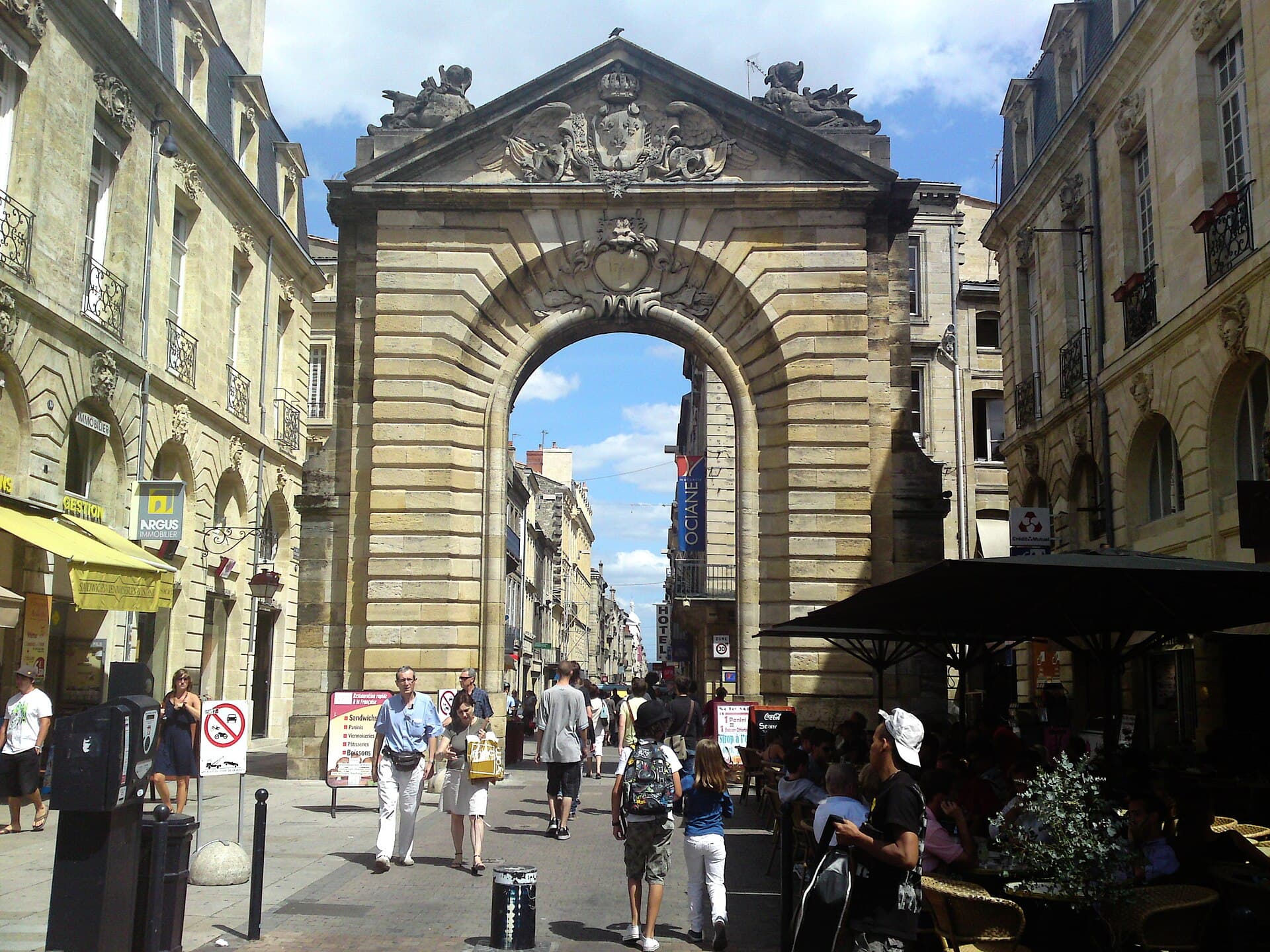 Porte DijeauxAn elegant stone arch standing at the edge of **Place Gambetta** in central Bord7 minutes walk4.3
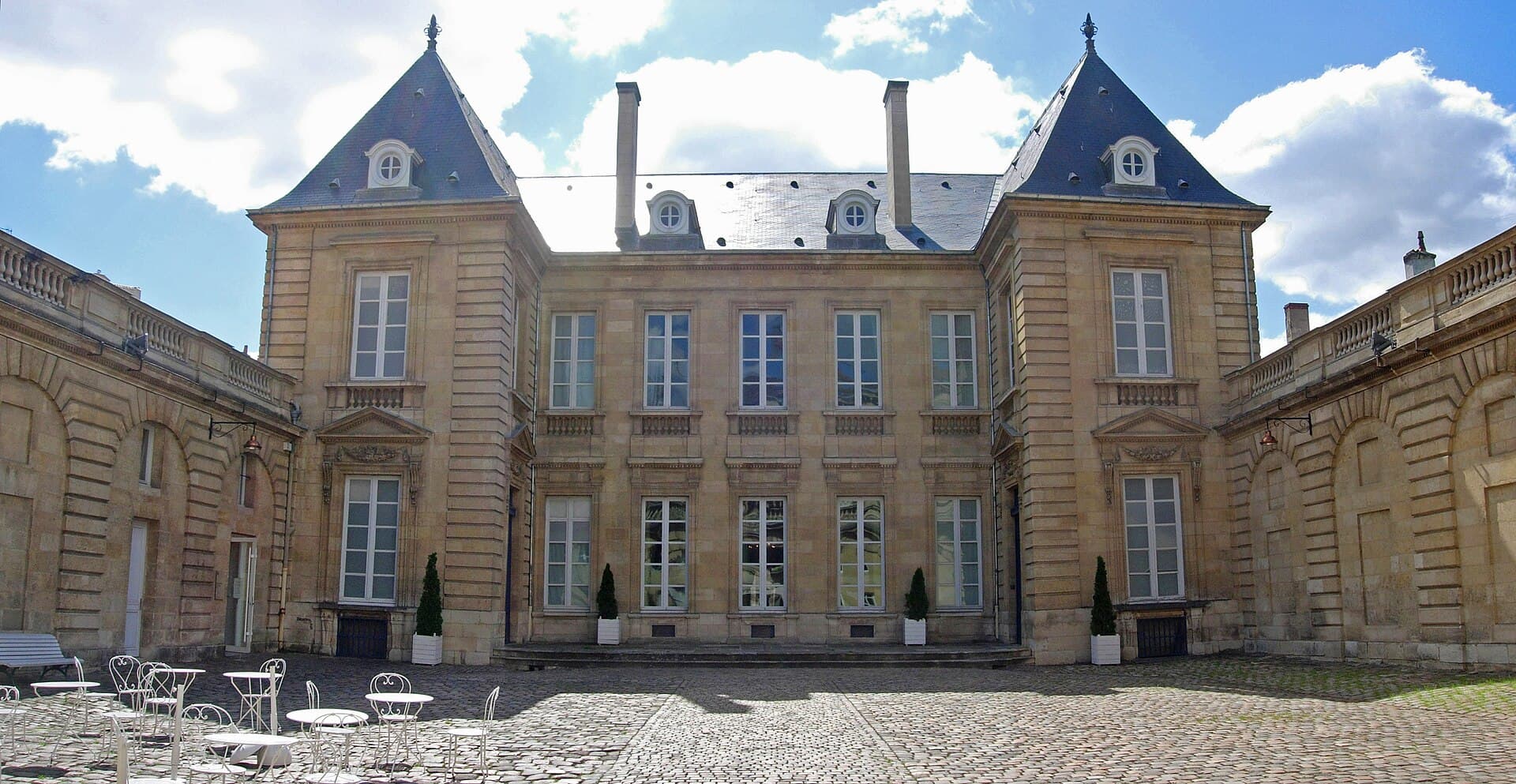 Museum of Decorative Arts and DesignBordeaux's Decorative Arts Museum (known as the madd) occupies a noble eighteent8 minutes walk4.3
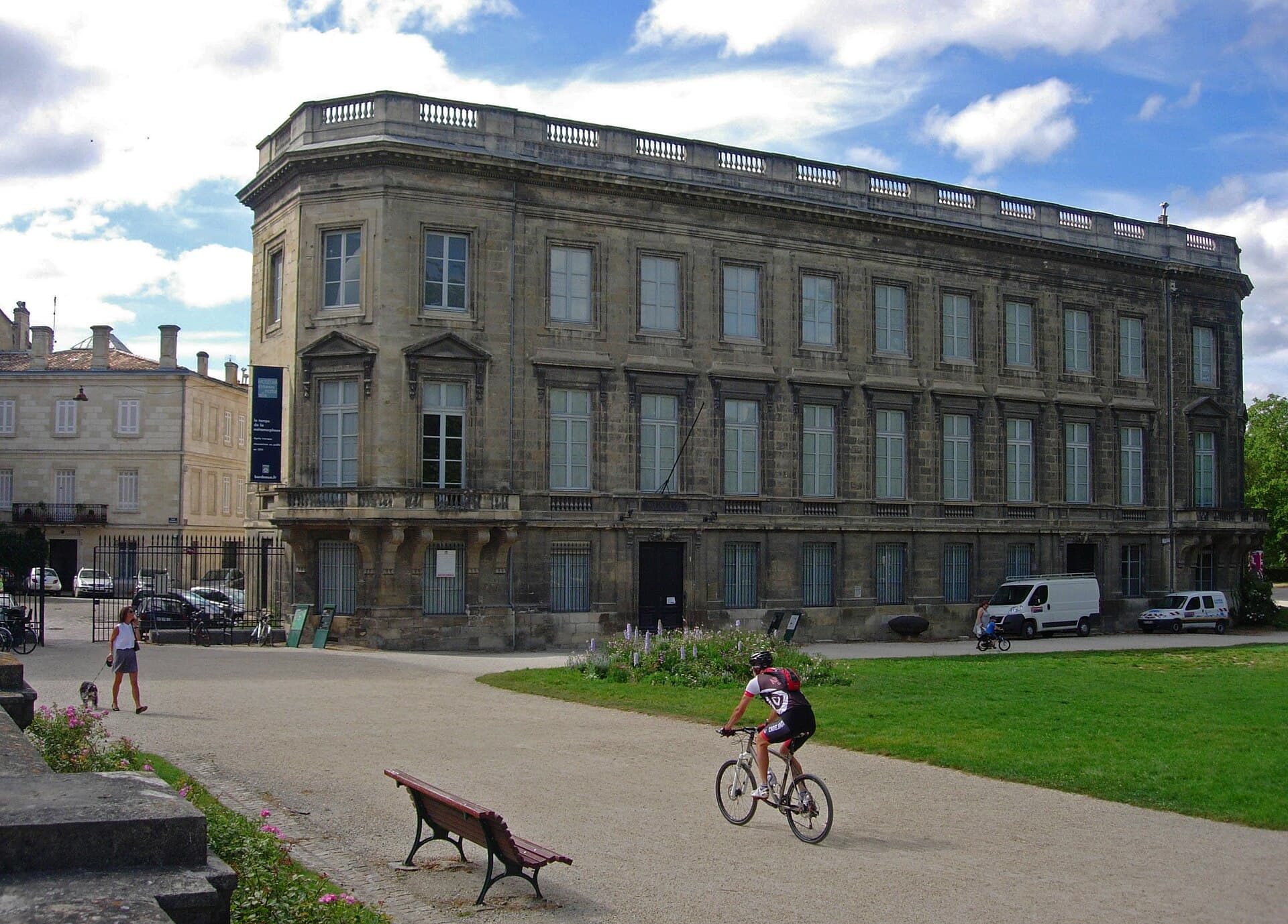 Muséum de Bordeaux — Science and NatureIt stands inside the **Jardin Public** in a small eighteenth-century mansion, an9 minutes walk4.7
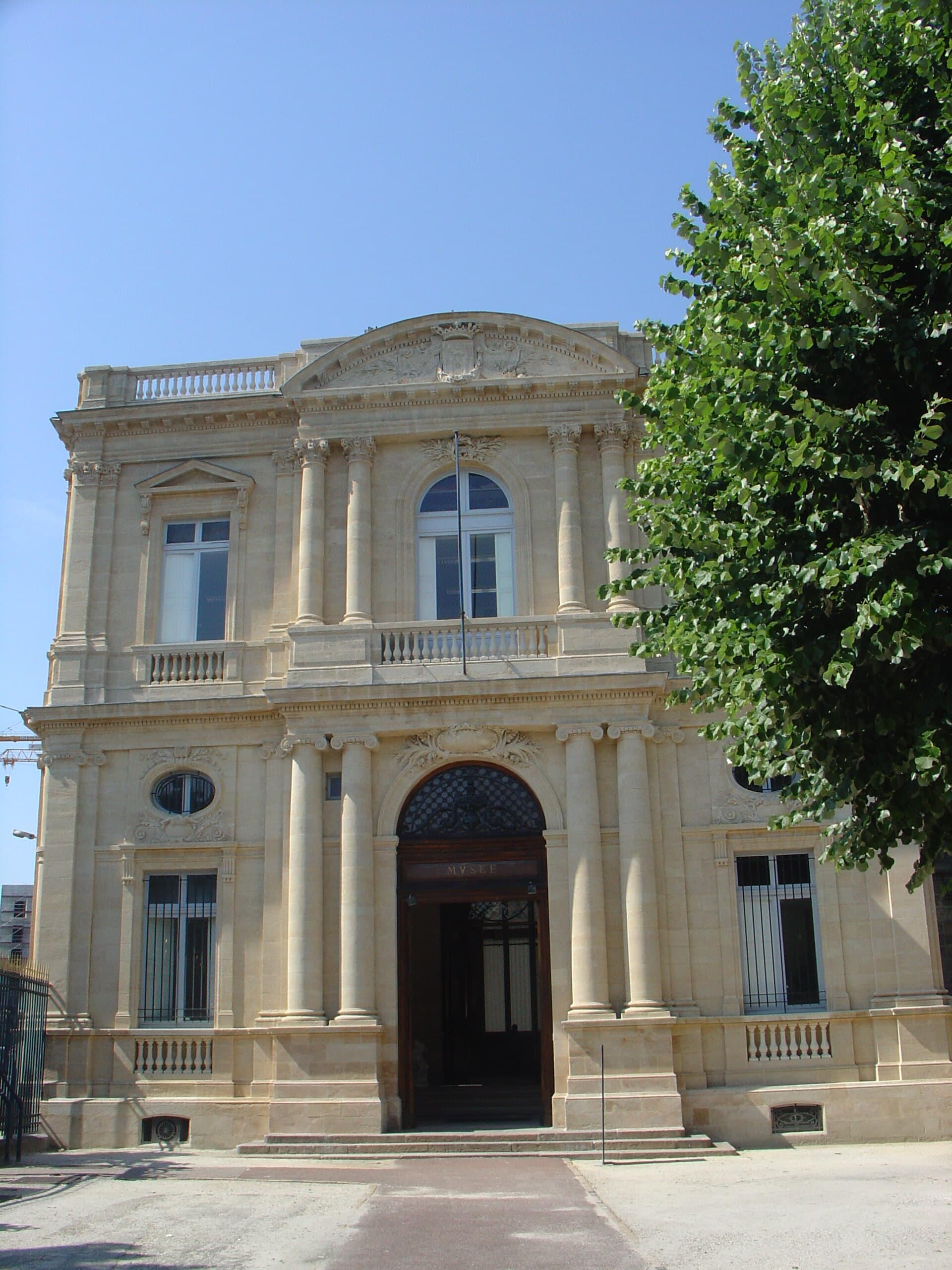 Museum of Fine ArtsBordeaux's Fine Arts museum is among France's oldest provincial museums — founde9 minutes walk4.2
By your time: the cathedral compulsory for site and royal history; Saint-Michel for the tallest spire and pulsing quarter; Saint-Seurin for age, quiet and legend. The three nearly share one north-south walking line — a full day threads them easily.
French's oldest epic (c.1100): Charlemagne's knight Roland falls ambushed in the Pyrenees blowing his horn until his temple bursts — and the text places the Olifant's deposit 'in Saint-Seurin's basilica'. Poetic, not archaeological, sourcing — but it fixed the church's rank on pilgrim roads for centuries.
Saint-Seurin is Bordeaux's graceful residential side: stone houses, small markets, locals' cafés — a sample of Bordeaux living after Bordeaux on display. The Roman Palais Gallien minutes away completes the antiquity triangle.