
Burdigala's arch
The twenty-thousand-seat arena's entrance, standing since the second century.
Frédéric Rodrigo — CC BY-SA 3.0 · Marc Ryckaert (MJJR) — CC BY-SA 3.0 · A1AA1A — CC BY-SA 4.0 · A1AA1A — CC BY-SA 4.0
The Palais Gallien is no palace but a Roman amphitheatre of the second century, when Bordeaux was Burdigala, Roman Aquitaine's capital, its arena seating twenty thousand. It is the oldest standing structure in all Bordeaux — nothing else comes within a thousand years. What remains is the great entrance arch and stretches of wall, ringed by a quiet elegant quarter — an endearing incongruity: Rome's ruins among nineteenth-century balconies. The popular name later pinned it on Emperor Gallienus; local legend made it Charlemagne's palace for his beloved. It can be seen from the street free at any hour, entered only on limited summer openings. Not a destination in itself, but an astonishing ten-minute detour between the Jardin Public and the wine quarters.
The twenty-thousand-seat arena's entrance, standing since the second century.
Imperial ruins hemmed by an elegant nineteenth-century quarter.
No building in the city comes within a thousand years of it.
Rue du Docteur Albert Barraud, 33000 Bordeaux
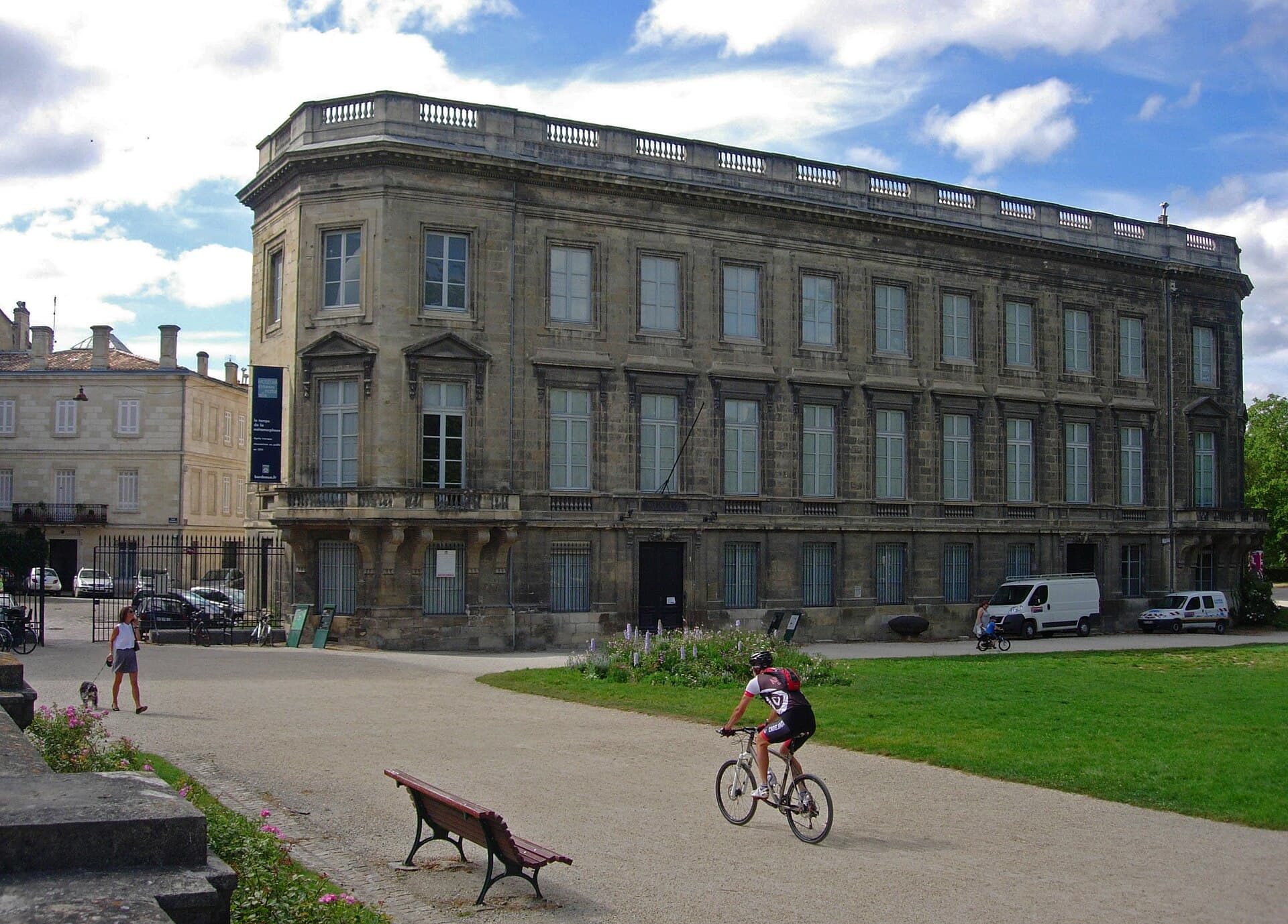 Muséum de Bordeaux — Science and NatureIt stands inside the **Jardin Public** in a small eighteenth-century mansion, an3 minutes walk4.7
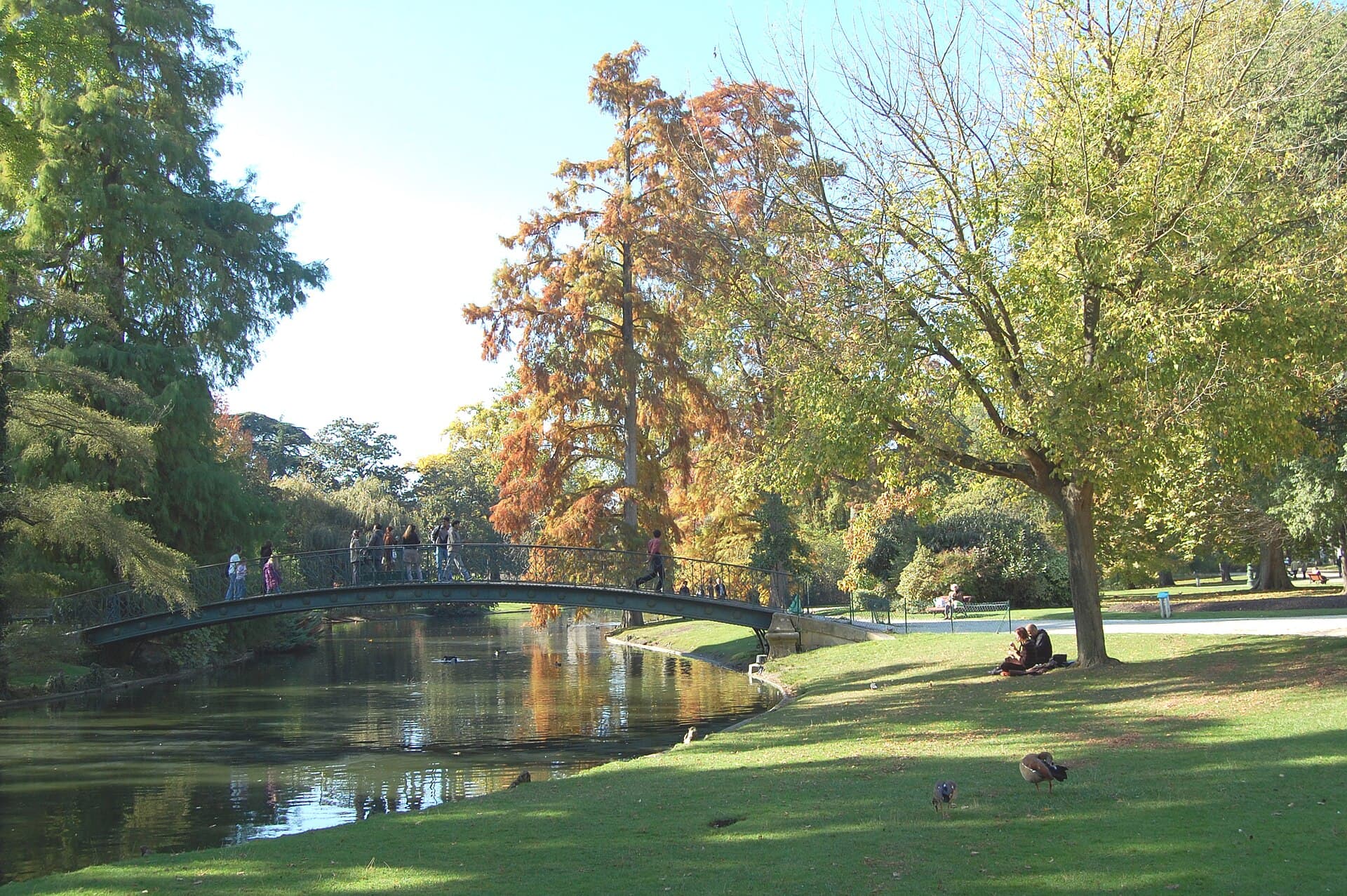 Jardin PublicThe Jardin Public has been Bordeaux's lung since 1746: laid as a royal French-st5 minutes walk4.5
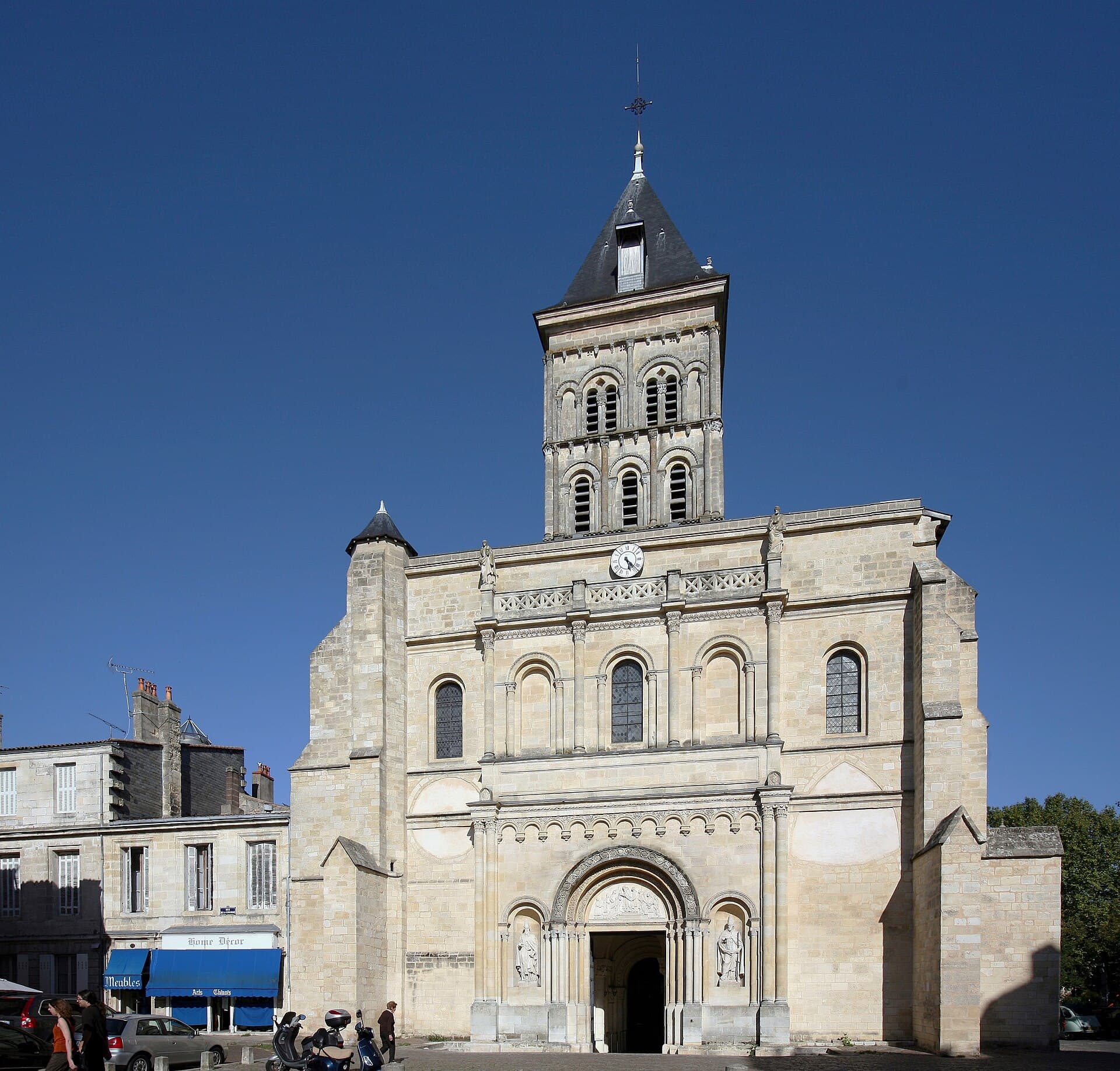 Basilica of Saint-SeurinSaint-Seurin is Bordeaux's oldest, deepest-rooted church: risen over a fourth-ce7 minutes walk4.4
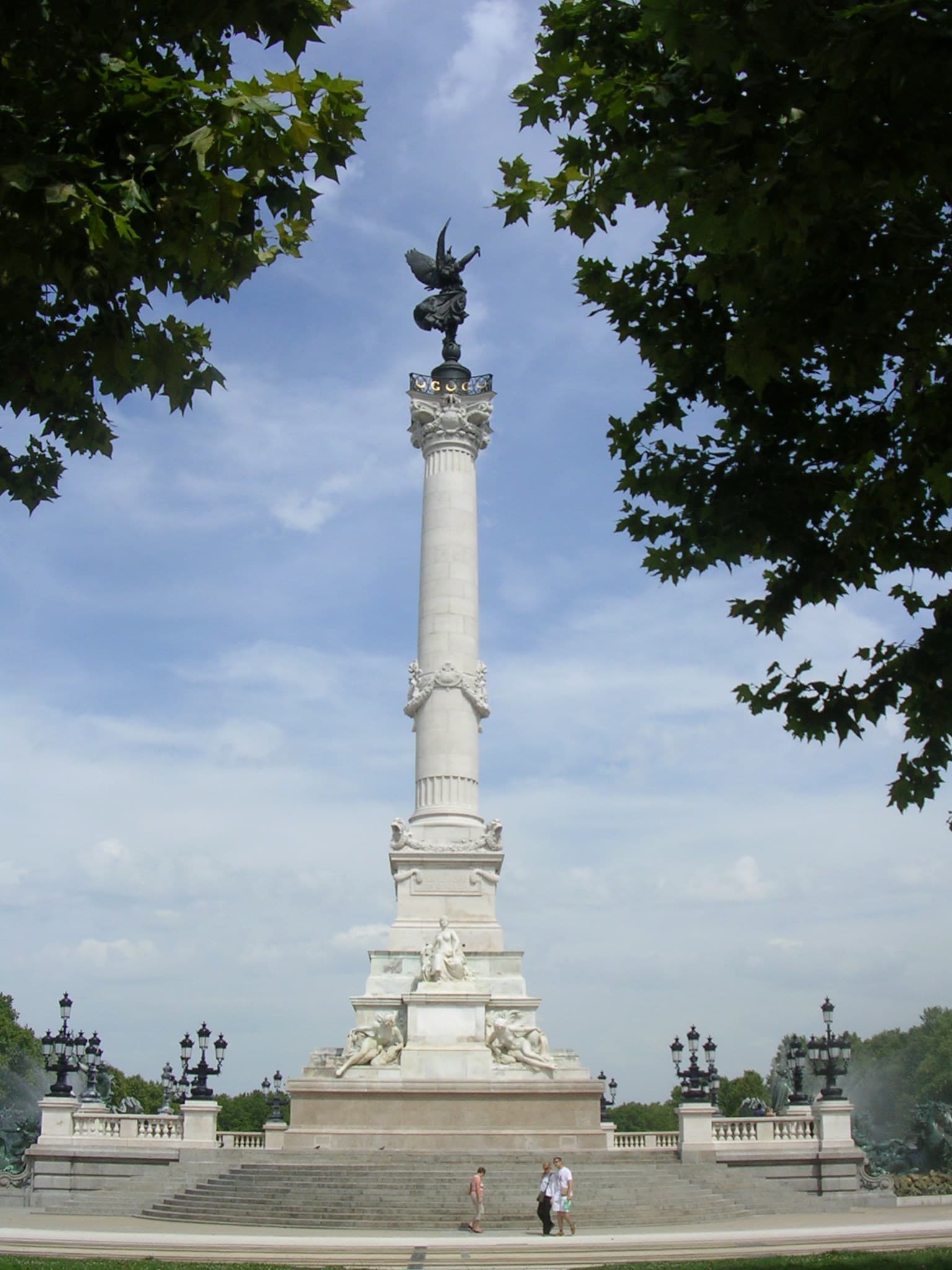 Monument aux GirondinsAt the edge of the Place des Quinconces — among Europe's largest squares — rises9 minutes walk4.5
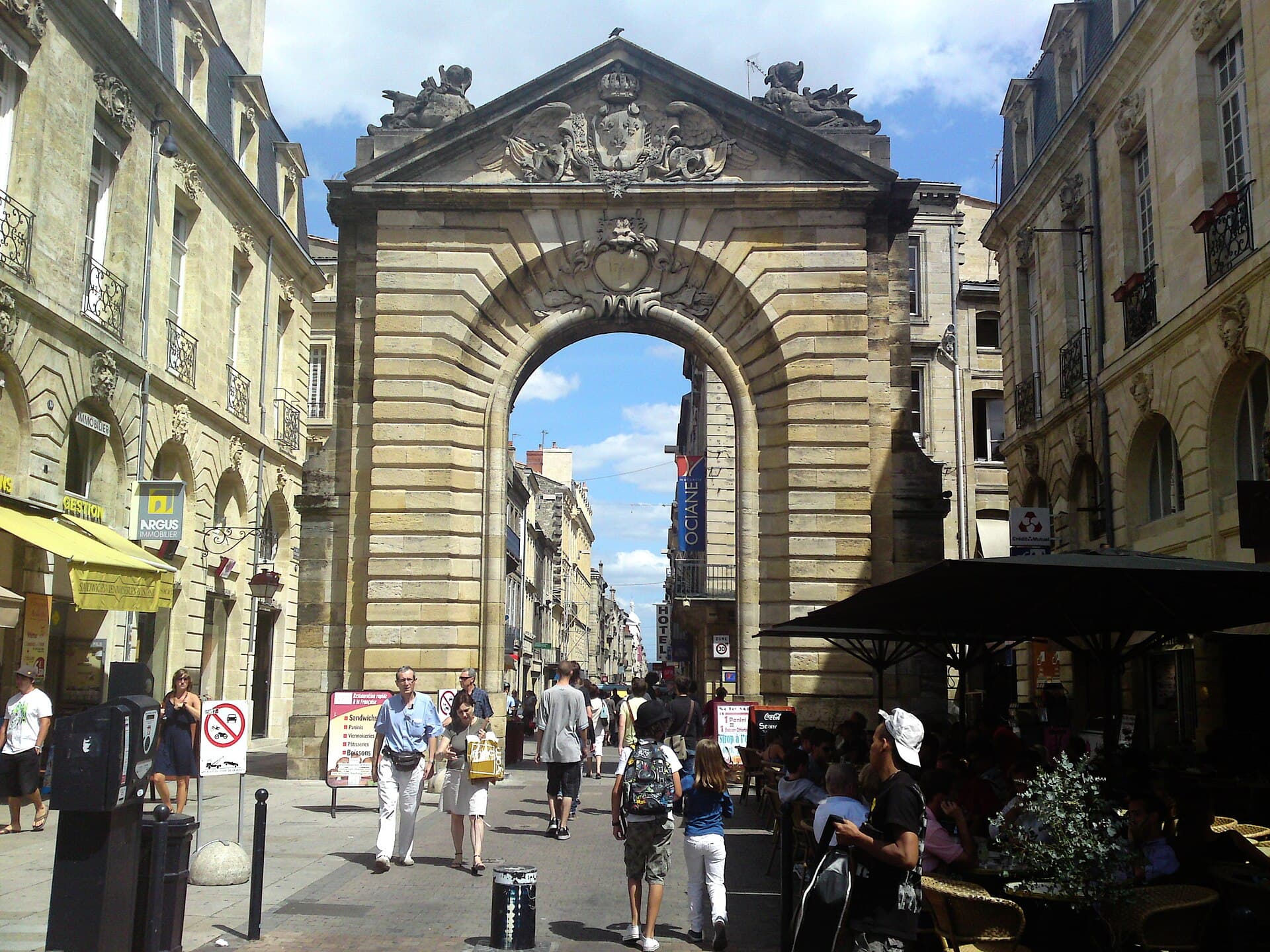 Porte DijeauxAn elegant stone arch standing at the edge of **Place Gambetta** in central Bord10 minutes walk4.3
It became a quarry like most of Europe's arenas: its stones went into Bordeaux's houses and churches over centuries, then the Revolution parcelled its ground into housing lots and the quarter swallowed it. What stands survived by being too solid to dismantle.
It cannot compete stone for stone — an arch and walls, not a whole arena. Its value is context: Rome inside a residential quarter, and being all that remains of an entire Roman capital. Ten minutes and a photograph — enough, and earned.
Between the Jardin Public and the Quinconces it is five minutes off the line — its natural moment. Or fold it into a visit to the relatively near Fine Arts museum.