
The historic collections
Mounts a century and a half old, some of extinct species.
Dark Attsios — CC BY-SA 3.0 · Chabe01 — CC BY-SA 4.0 · Jefunky — CC BY-SA 4.0 · Jefunky — CC BY-SA 4.0
It stands inside the **Jardin Public** in a small eighteenth-century mansion, and has been Bordeaux's natural history museum since the nineteenth century. It closed for years for a full restoration and reopened in 2019 with an entirely new display. What distinguishes it is that it **did not choose between old and new**: it kept the original historic collections — mounted animals a century and a half old, some of species since extinct, skeletons, wooden cases — but re-presented them within a modern account of evolution, biodiversity and the relationship between people and their environment. The sequence works inward from the wide world to the **local environment**: the rivers of the Gironde, its forests and marshes and the Atlantic coast — the part that gives meaning to the region you are visiting. It has a dedicated children's floor with a separate discovery space, and with its setting inside the Jardin Public it is one of the most reliable plans in Bordeaux with a family.
Mounts a century and a half old, some of extinct species.
The Gironde, its forests, marshes and Atlantic coast.
A dedicated discovery space inside the museum.
5 Place Bardineau, 33000 Bordeaux
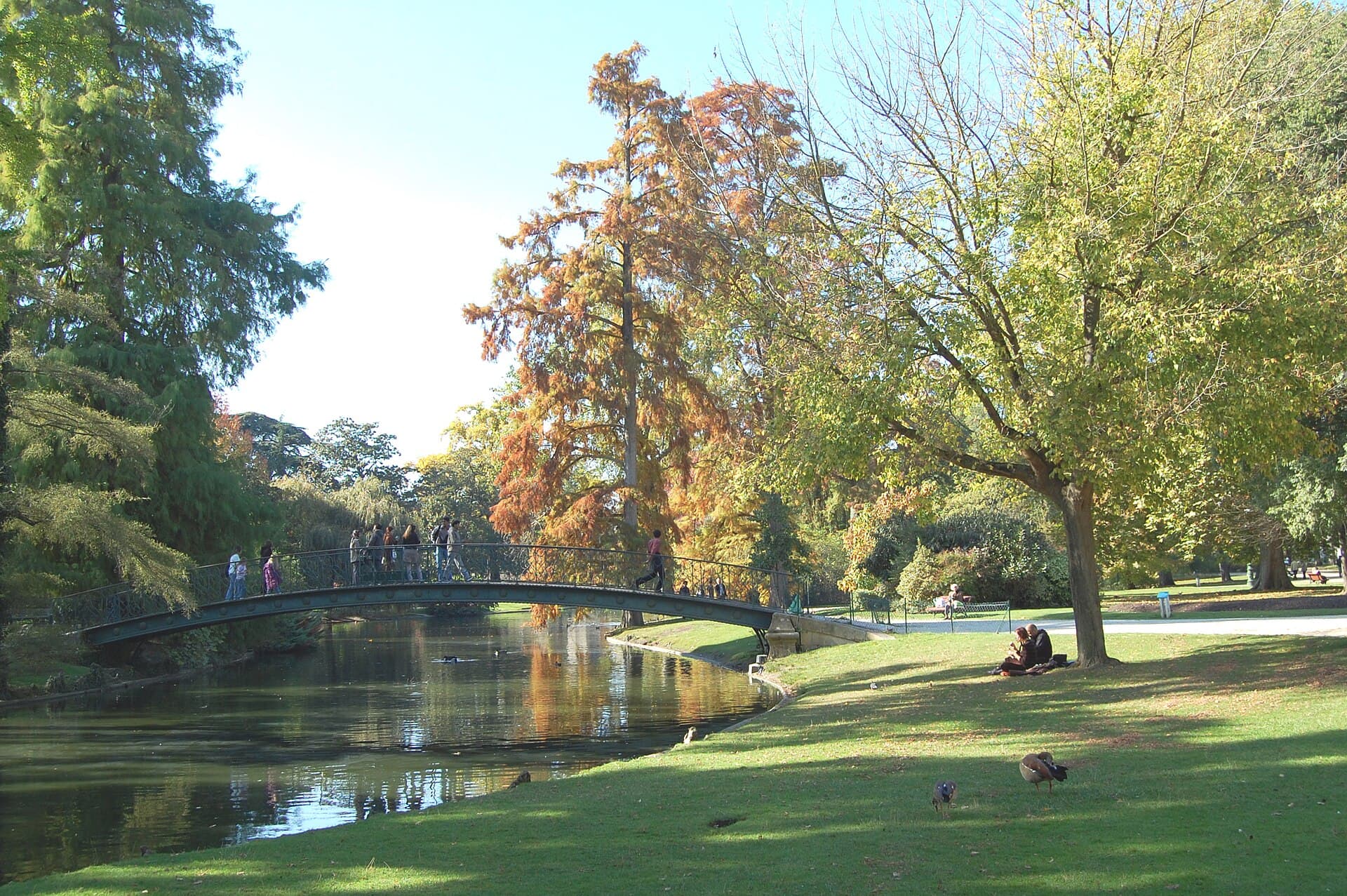 Jardin PublicThe Jardin Public has been Bordeaux's lung since 1746: laid as a royal French-st2 minutes walk4.5
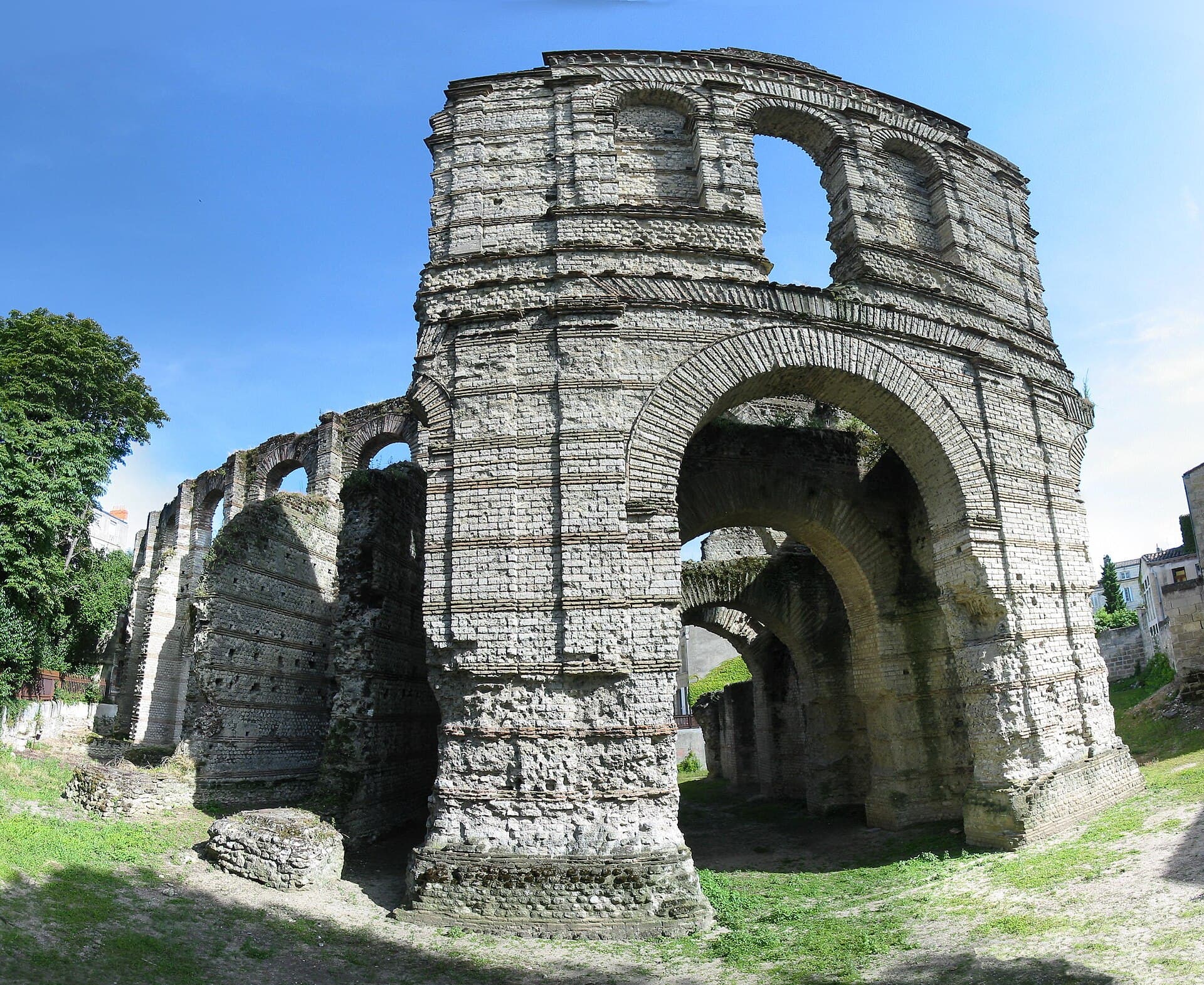 Palais GallienThe Palais Gallien is no palace but a Roman amphitheatre of the second century, 3 minutes walk4.2
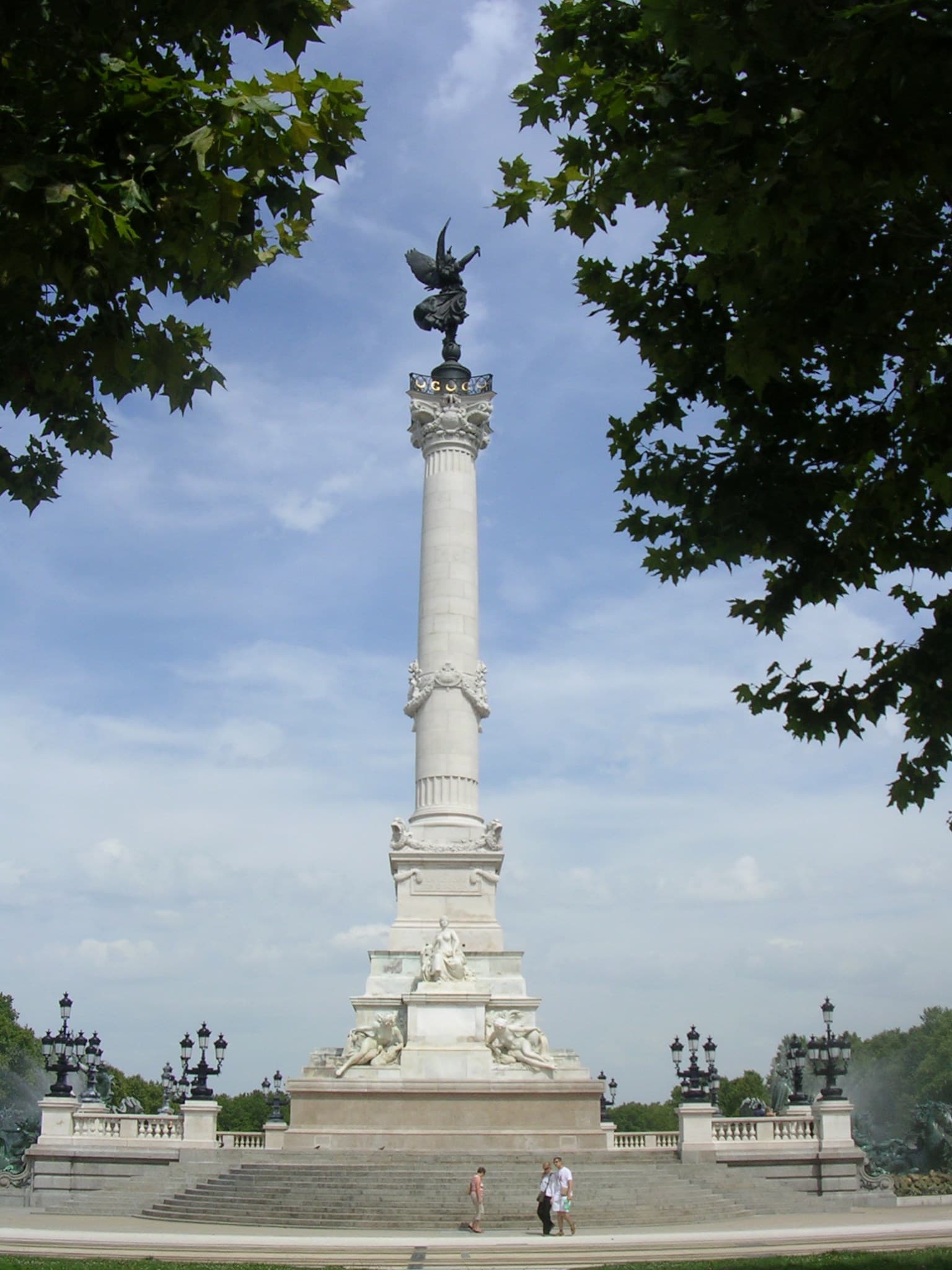 Monument aux GirondinsAt the edge of the Place des Quinconces — among Europe's largest squares — rises7 minutes walk4.5
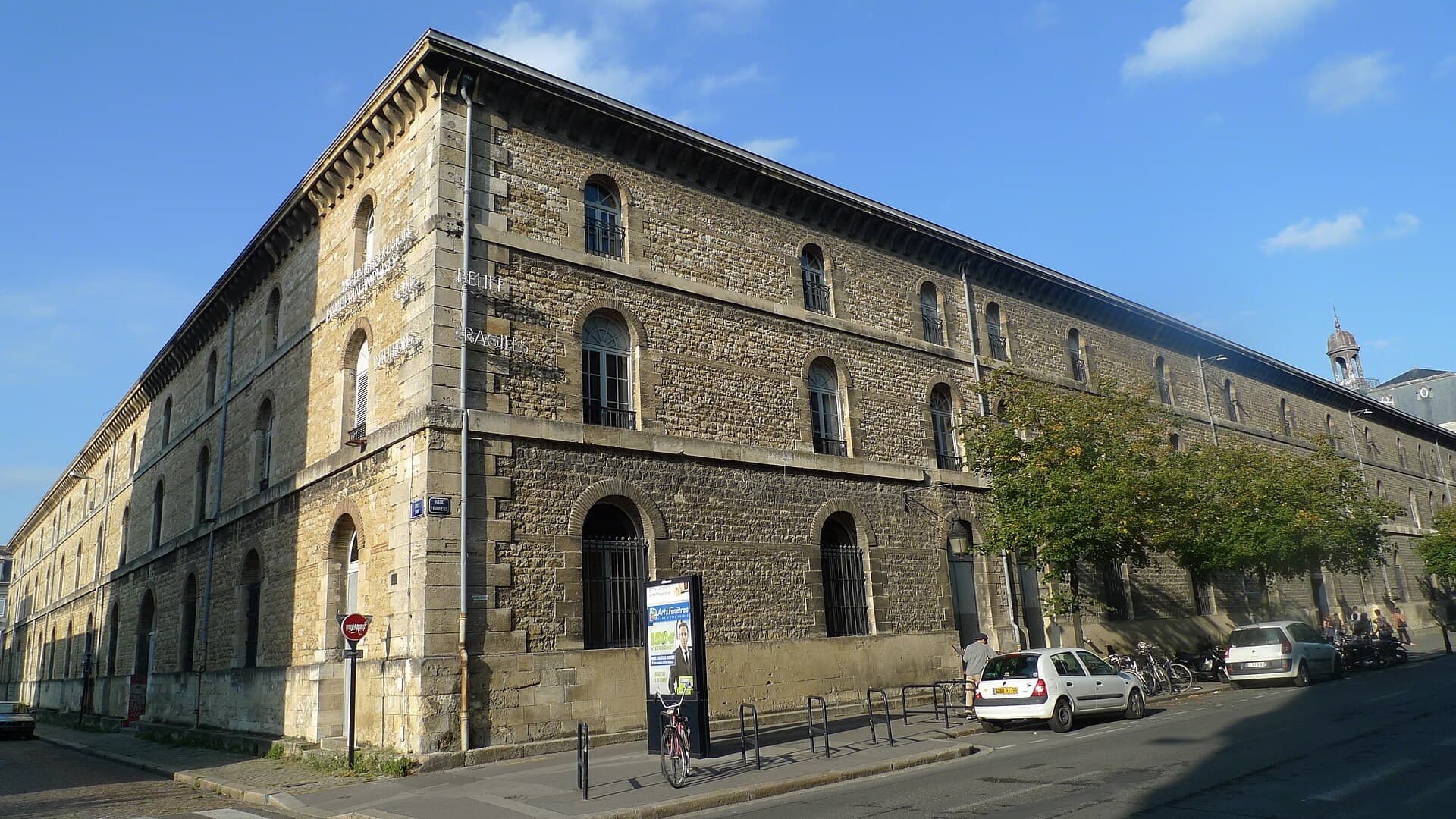 The Entrepôt LainéA vast colonial goods warehouse of 1824, converted into the CAPC museum of conte8 minutes walk4.4
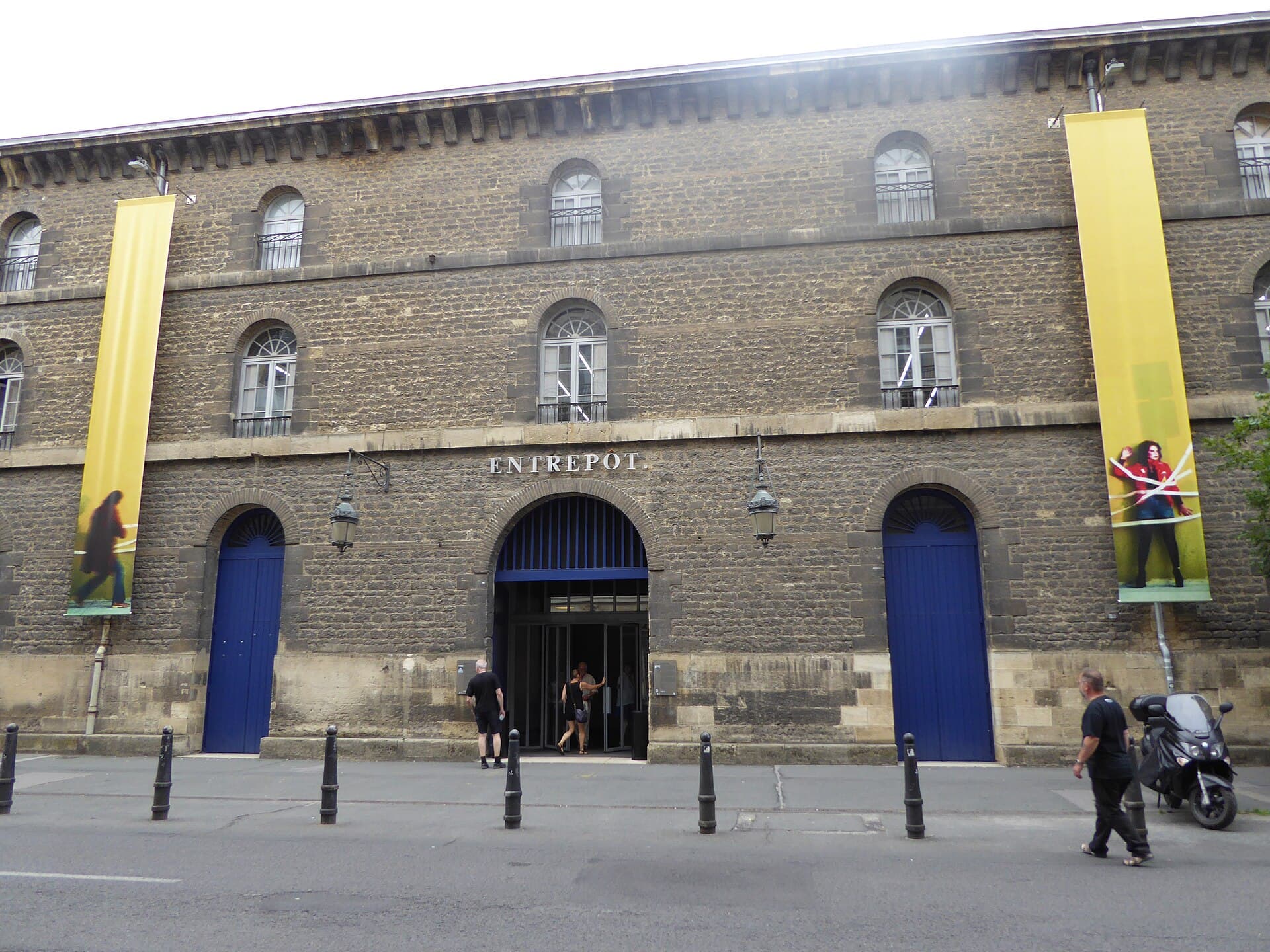 CAPC Museum of Contemporary ArtHere the building matters as much as what is in it. **CAPC** occupies the *Entre8 minutes walk4.0
Yes, and it is one of Bordeaux's best options with them. The 2019 restoration built the display with children in mind: low sight lines, screens, touch stations and a **dedicated discovery floor** for the youngest. Add that the museum is not large, so it won't exhaust their patience — an hour is enough — and that it sits **inside the Jardin Public**, so you come out to lawns, a small lake and play space. That combination, a short museum plus an open garden, is what makes it work.
The **Muséum** is a natural history museum with real collections — animals, skeletons, specimens — explaining evolution and environment, and it suits younger children and anyone who wants real things to look at. **Cap Sciences** is an interactive science centre with temporary exhibitions, hands-on experiments and technology themes, better for older school-age children and for people who prefer doing to looking. With one day and small children, choose the Muséum plus the garden; with teenagers, choose Cap Sciences.