
The Christmas crib collection
The largest in the world: small scenes with hundreds of figures, made with astonishing precision.
Fentriss — CC0 · Burkhard Mücke — CC BY-SA 4.0 · Stephan Hoppe — CC0 · Stephan Hoppe — CC0
The Bavarian National Museum shows applied art and the history of craft in Bavaria: wood carving, furniture, tapestry, glass, clocks and silver, from the Middle Ages to the nineteenth century. Its most famous holding is the collection of Christmas cribs, the largest of its kind in the world: small scenes made with extraordinary precision, with hundreds of figures, from Germany and Italy. Even visitors with no interest in the religious subject are struck by the workmanship. The museum also has medieval wood sculpture, one of its real strengths, along with whole rooms lifted from old houses and rebuilt inside. The building dates from the late nineteenth century, with a long frontage on Prinzregentenstraße. The museum is quiet and far less crowded than Munich's headline collections.
The largest in the world: small scenes with hundreds of figures, made with astonishing precision.
Medieval work with expressive faces — among the museum's strongest holdings.
Whole rooms taken from old houses and rebuilt inside the museum with their furniture.
Prinzregentenstraße 3, 80538 München
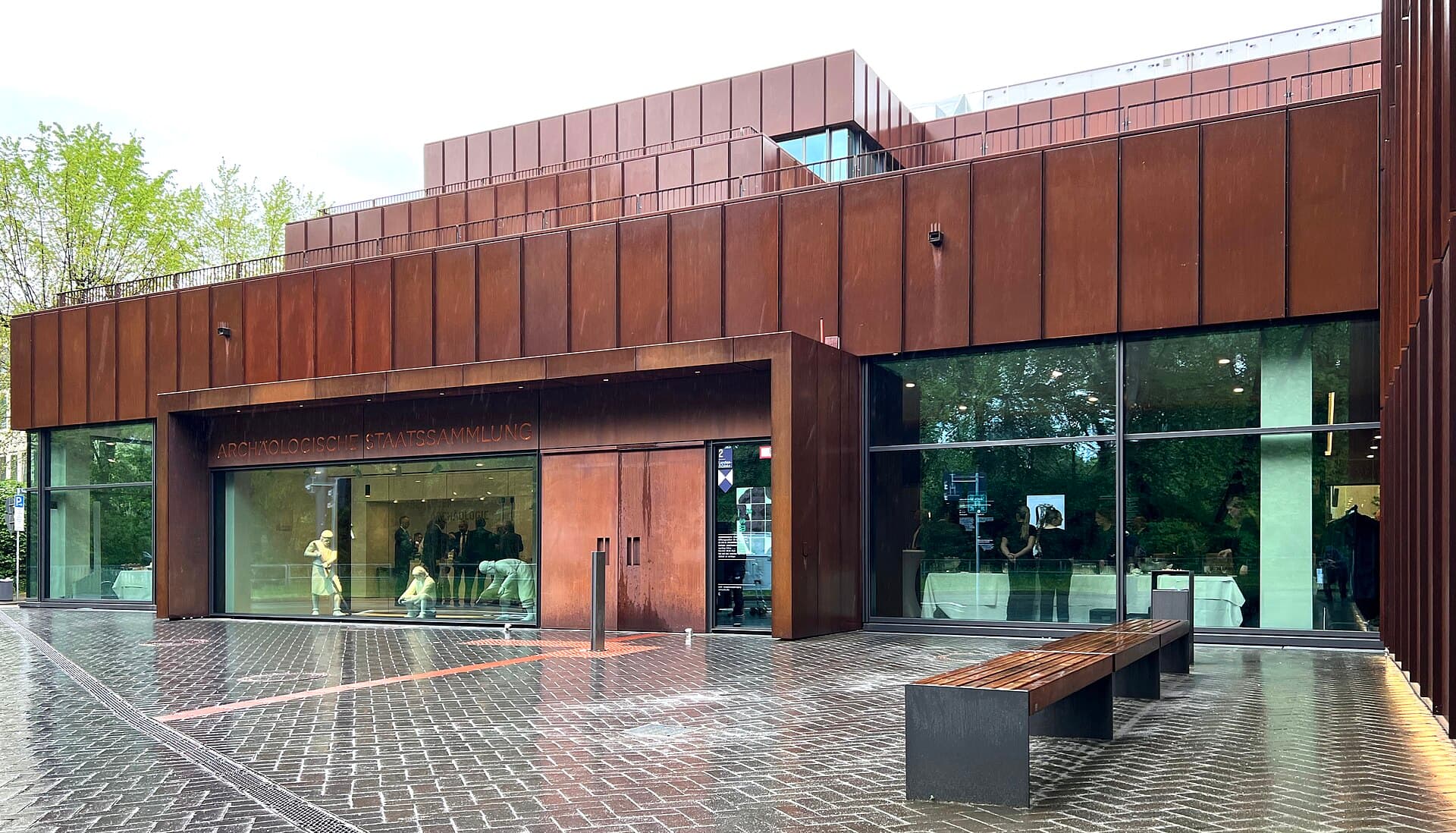 Archaeological State CollectionThe Bavarian Archaeological State Collection sits at the southern tip of the Eng1 minute walk4.5
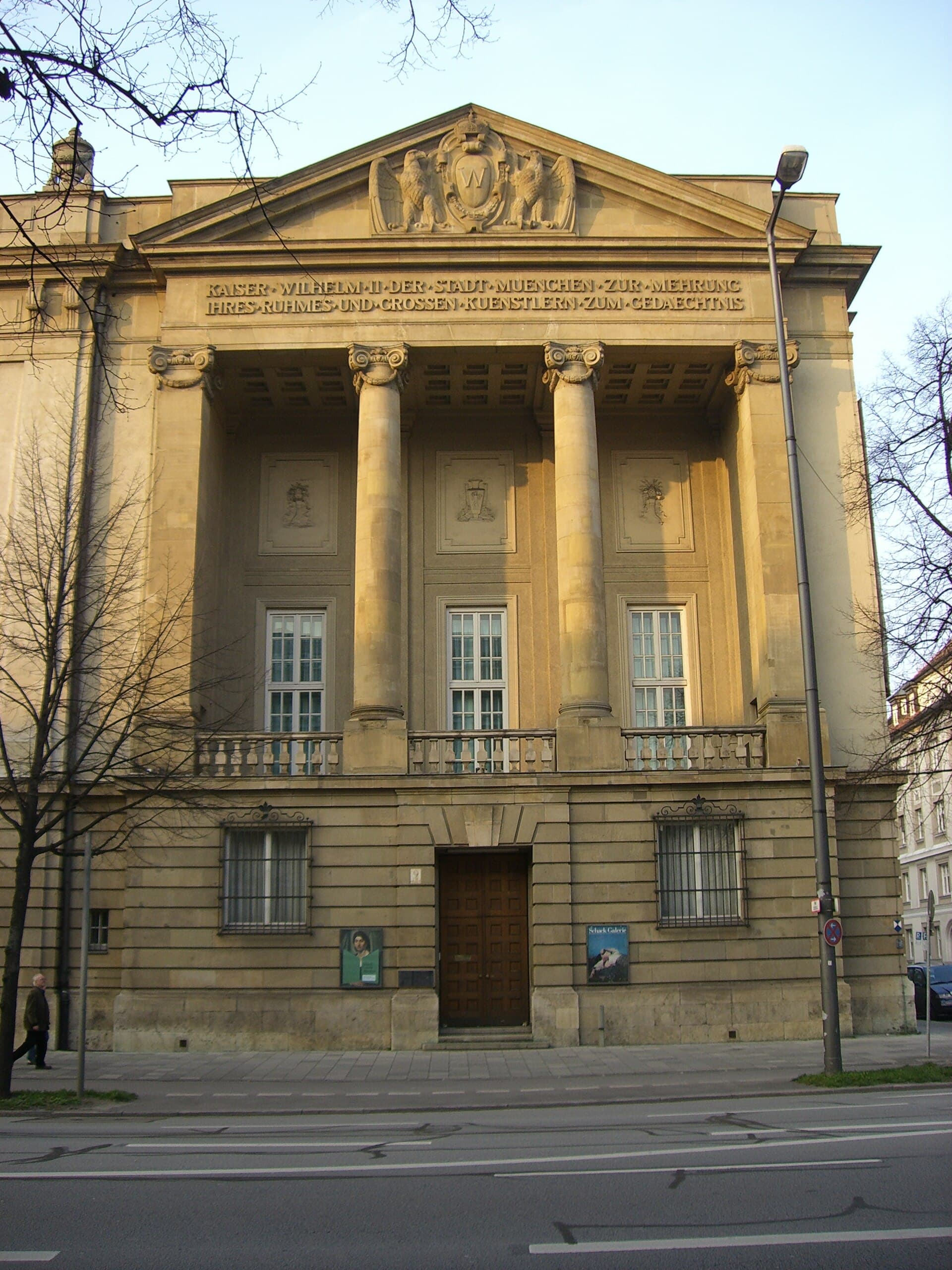 The Schack CollectionThe Schack Collection is a small, quiet museum of nineteenth-century German pain3 minutes walk4.6
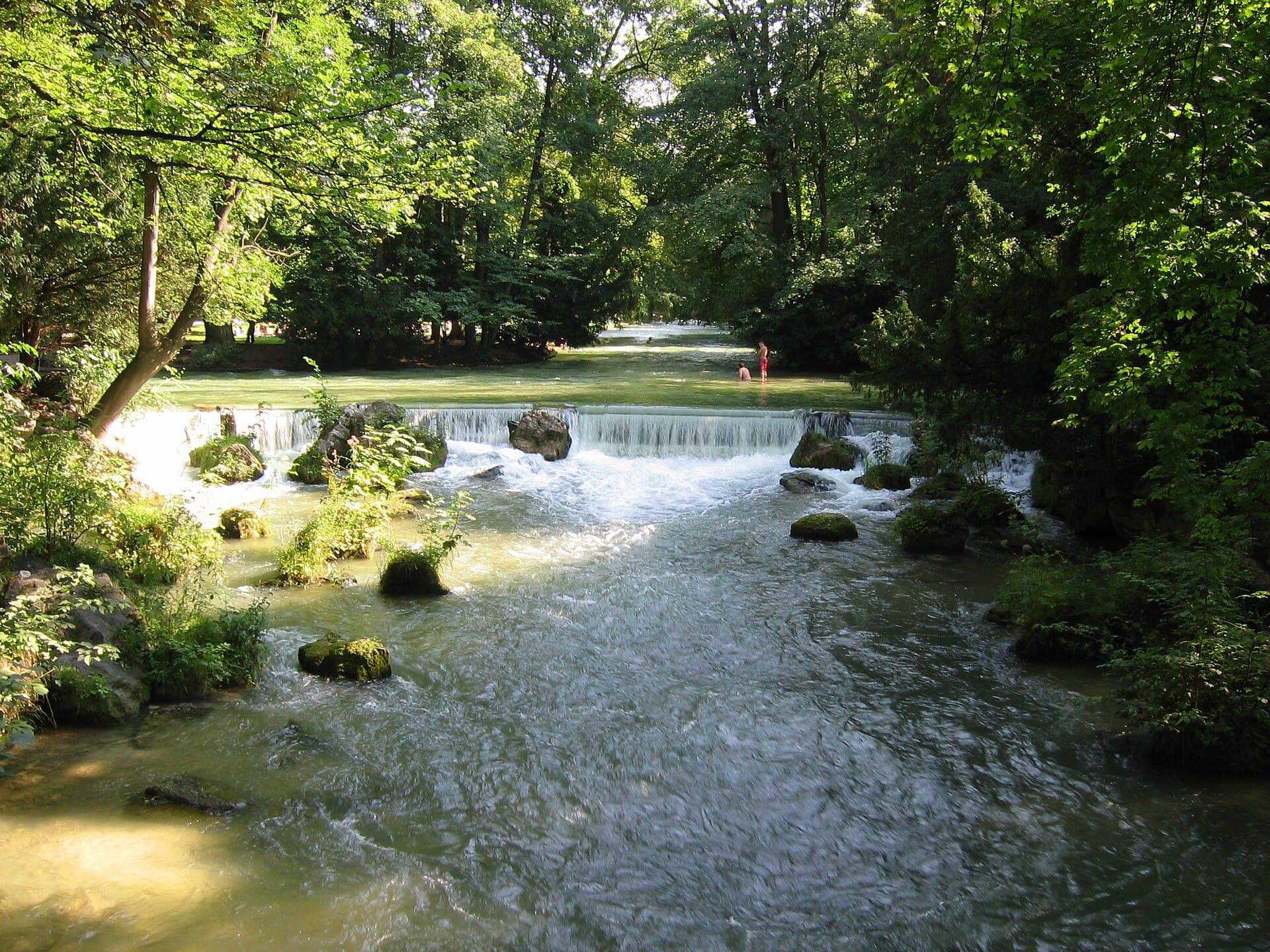 The Eisbach WaveIn the middle of Munich, on a small watercourse at the entrance to the English G3 minutes walk4.9
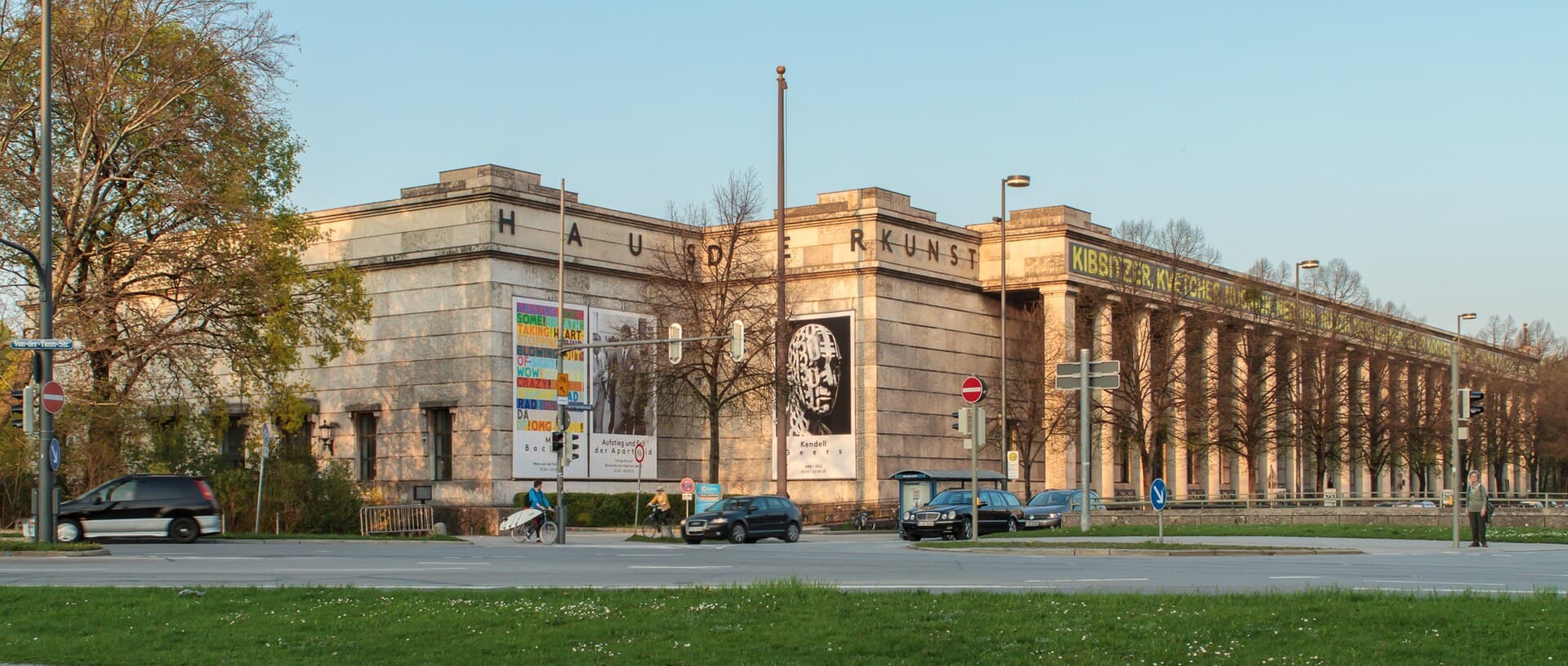 Haus der KunstThe "House of Art" is a vast exhibition hall at the edge of the English Garden, 5 minutes walk4.3
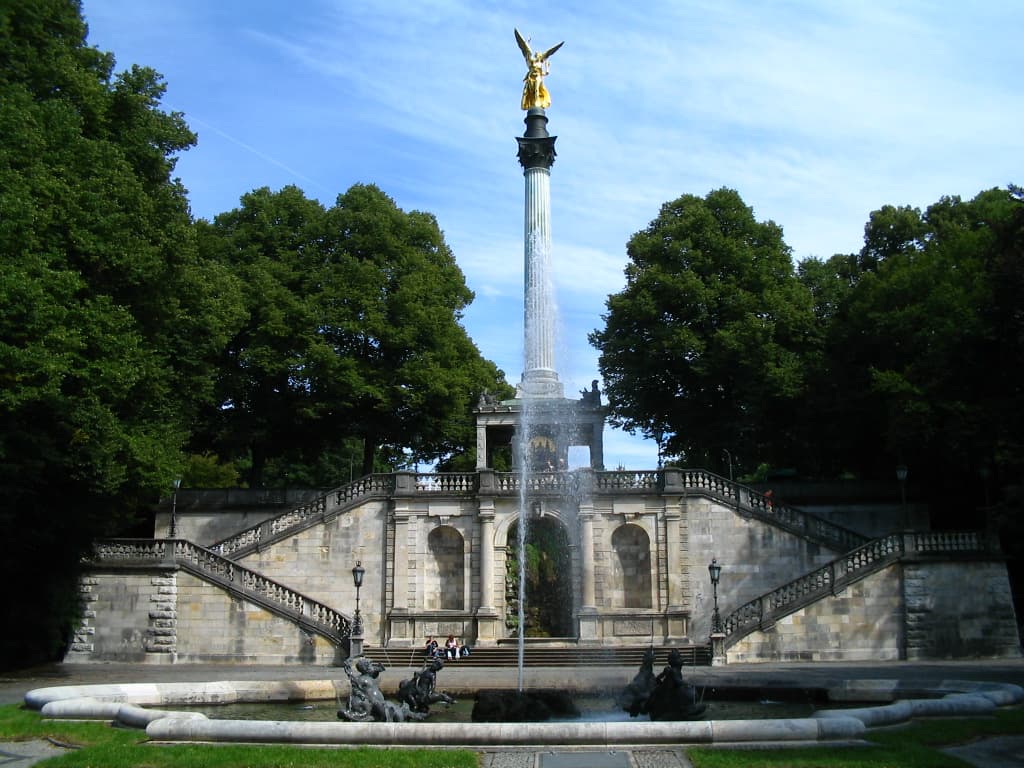 Angel of PeaceThe Angel of Peace is a gilded winged statue on a tall column above the river Is6 minutes walk4.7
The collection is about craft rather than paintings, which makes it more approachable: furniture, clocks, everyday objects. The crib collection impresses almost everyone regardless.
Two comfortable hours. It is large but not crowded, so you can take your time. If short on time, go straight to the cribs and the wood sculpture.
The Angel of Peace is minutes away on foot, and the Isar banks are close too. The three make a quiet half day away from the crowds in the centre.