
The major shows
Large-scale exhibitions of international contemporary artists in soaring halls.
Avda — CC BY-SA 3.0 · Wikiolo panorama: Pölkkyposkisolisti derivative work: Hic et nunc — CC BY-SA 4.0 · M(e)ister Eiskalt panorama: Pölkkyposkisolisti derivative works: Hic et nunc, H-stt — CC BY-SA 4.0 · M(e)ister Eiskalt — CC BY-SA 4.0
The "House of Art" is a vast exhibition hall at the edge of the English Garden, and its history is a lesson in itself: the Nazi regime built it in 1937 as a temple for approved "German art", opening it alongside a counter-show defaming modern art as "degenerate". After the war the tables turned completely — the building itself became a stage for everything the regime tried to erase. Today it ranks among Europe's leading contemporary art venues: no permanent collection, but major rotating exhibitions of international artists — so check what is on before going; the visit is worth what the current show is worth. Its position makes it easy: at the English Garden's entrance, with the famous Eisbach river wave directly behind — surfers riding a standing wave in mid-city, Munich's oddest and most photographed sight.
Large-scale exhibitions of international contemporary artists in soaring halls.
Monumental Nazi architecture whose purpose was completely inverted — history legible in stone.
Urban surfers on a permanent river wave — directly behind the building.
Prinzregentenstrasse 1, 80538 Munich
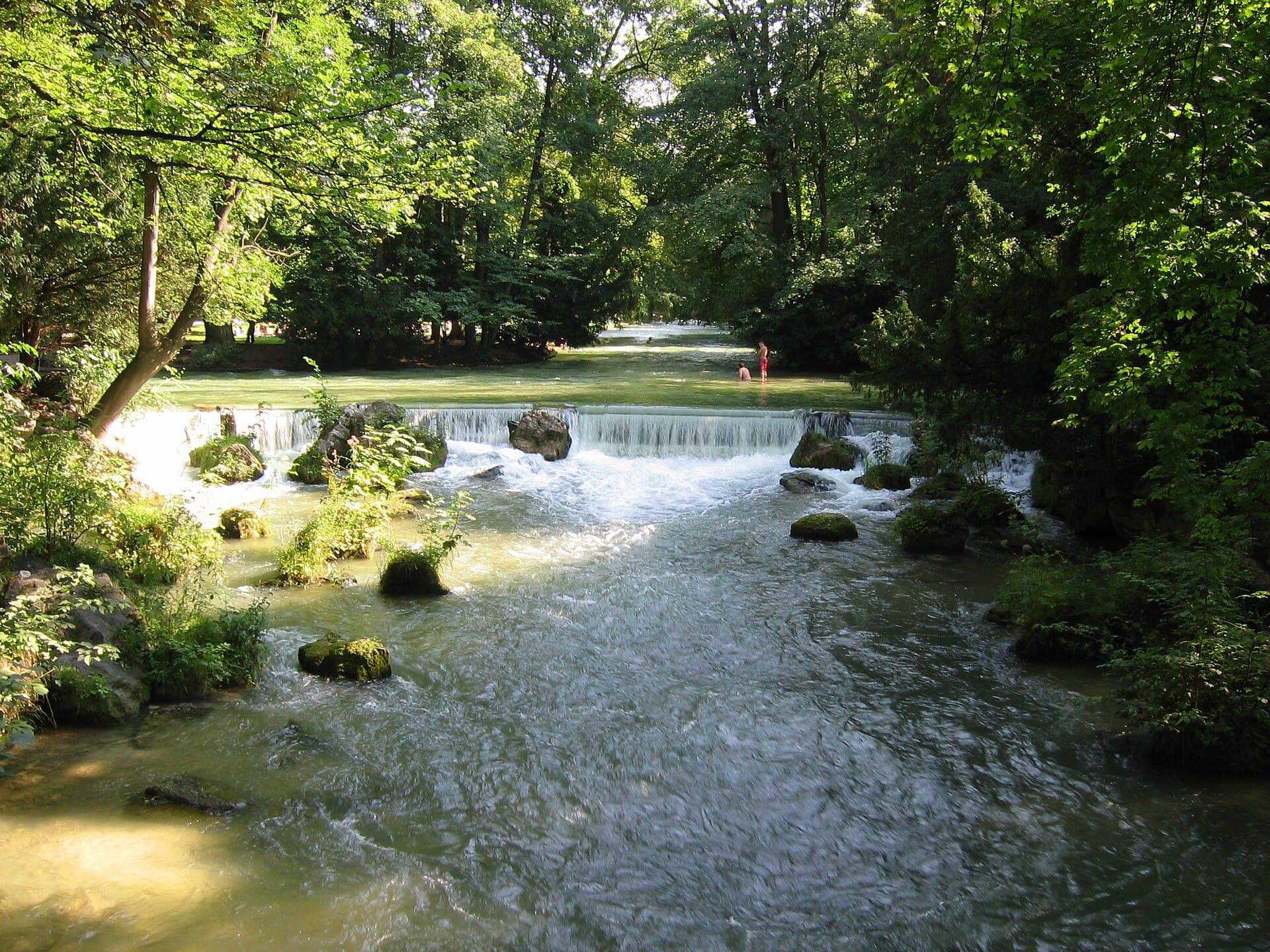 The Eisbach WaveIn the middle of Munich, on a small watercourse at the entrance to the English G2 minutes walk4.9
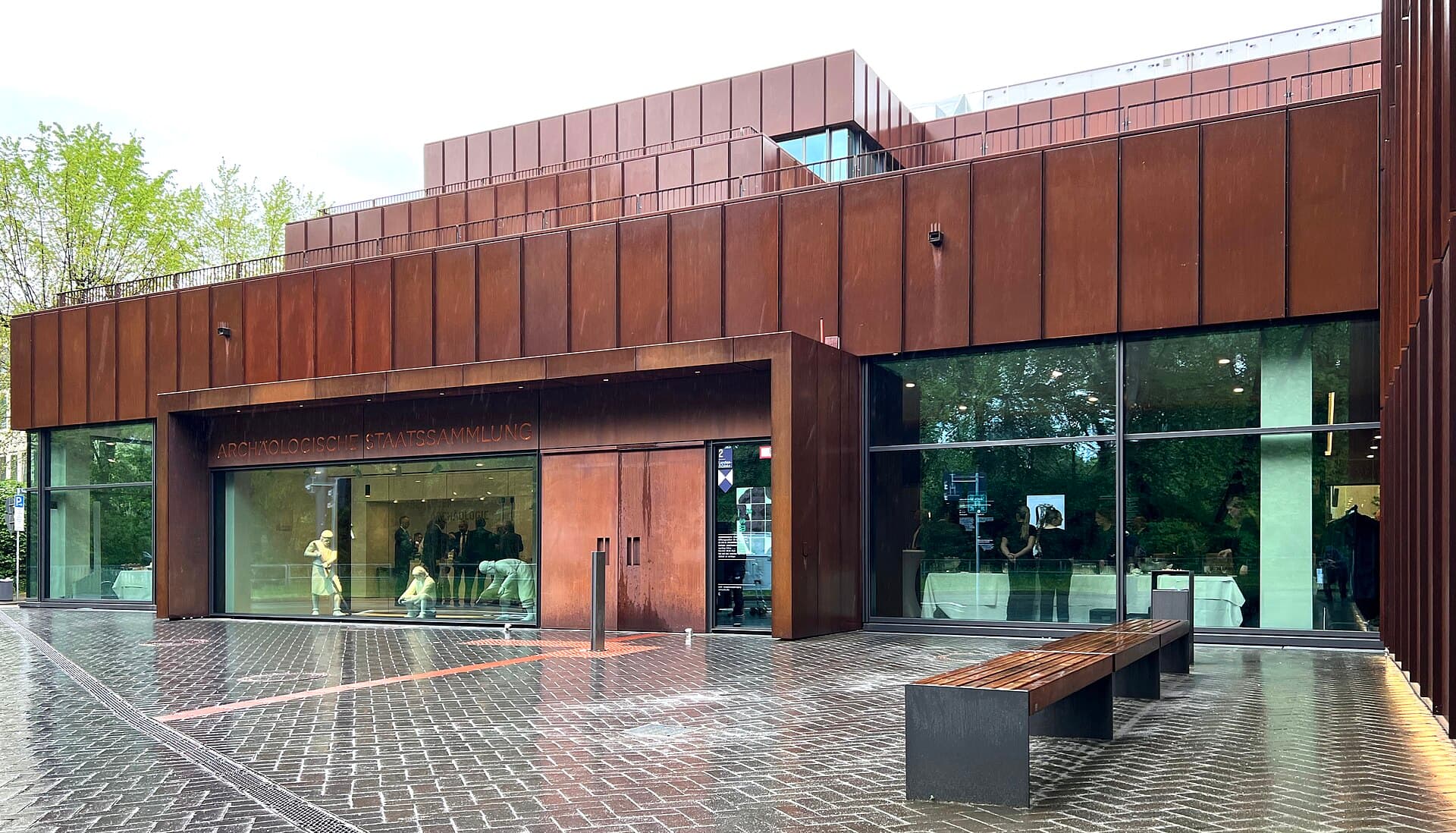 Archaeological State CollectionThe Bavarian Archaeological State Collection sits at the southern tip of the Eng5 minutes walk4.5
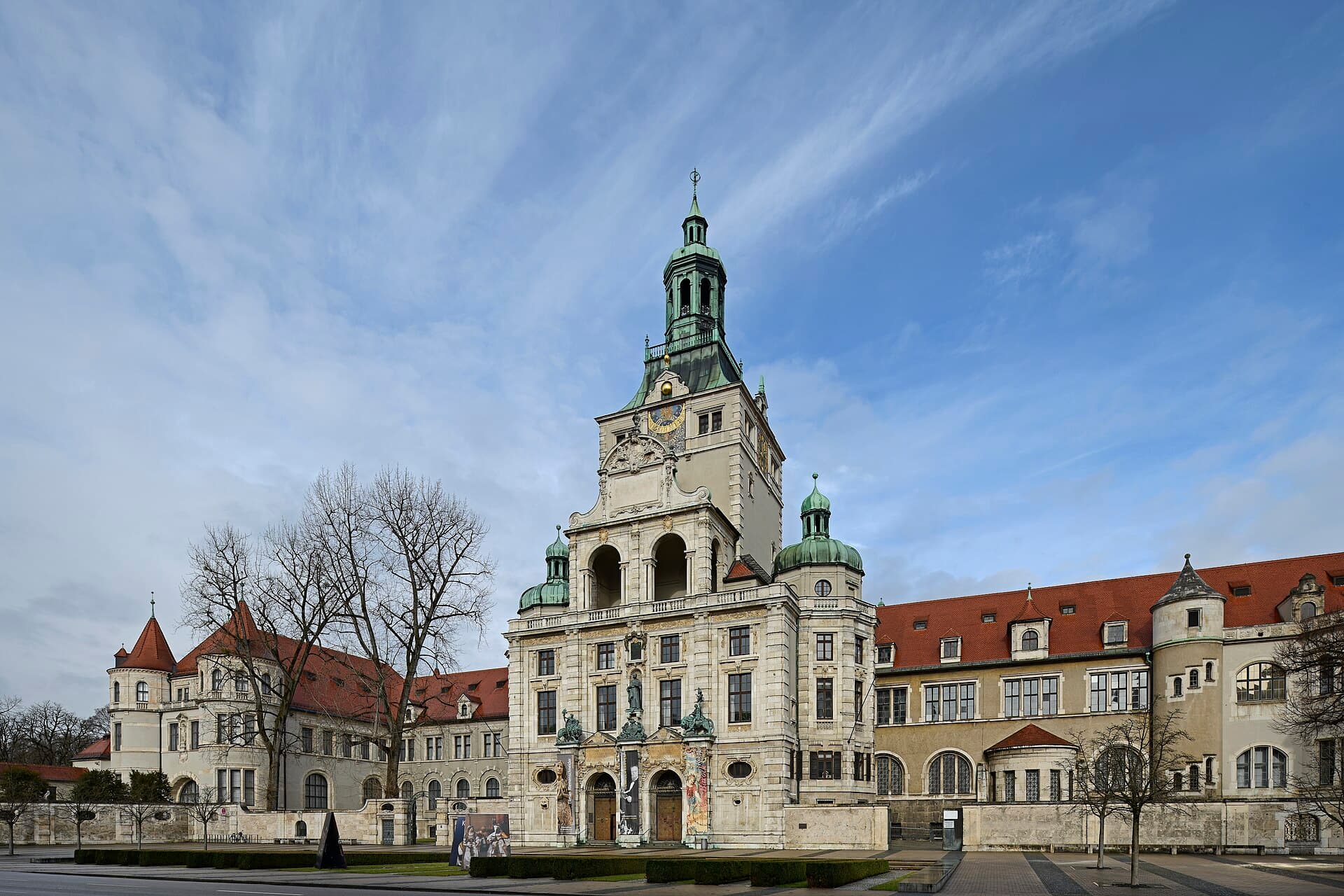 Bavarian National MuseumThe Bavarian National Museum shows applied art and the history of craft in Bavar5 minutes walk4.5
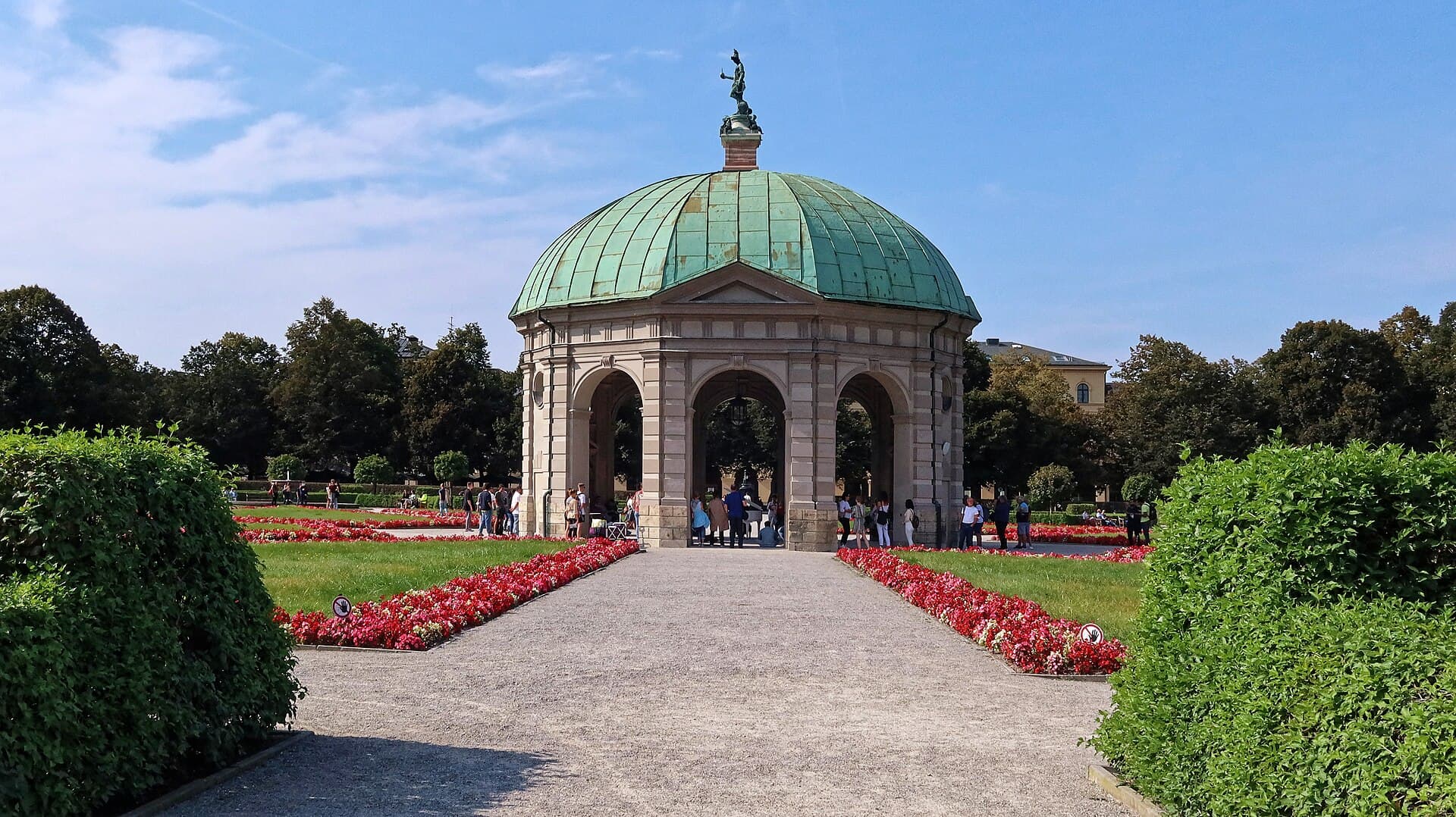 The Diana TempleAn octagonal stone pavilion at the centre of Munich's Hofgarten, built in 1615 a6 minutes walk4.8
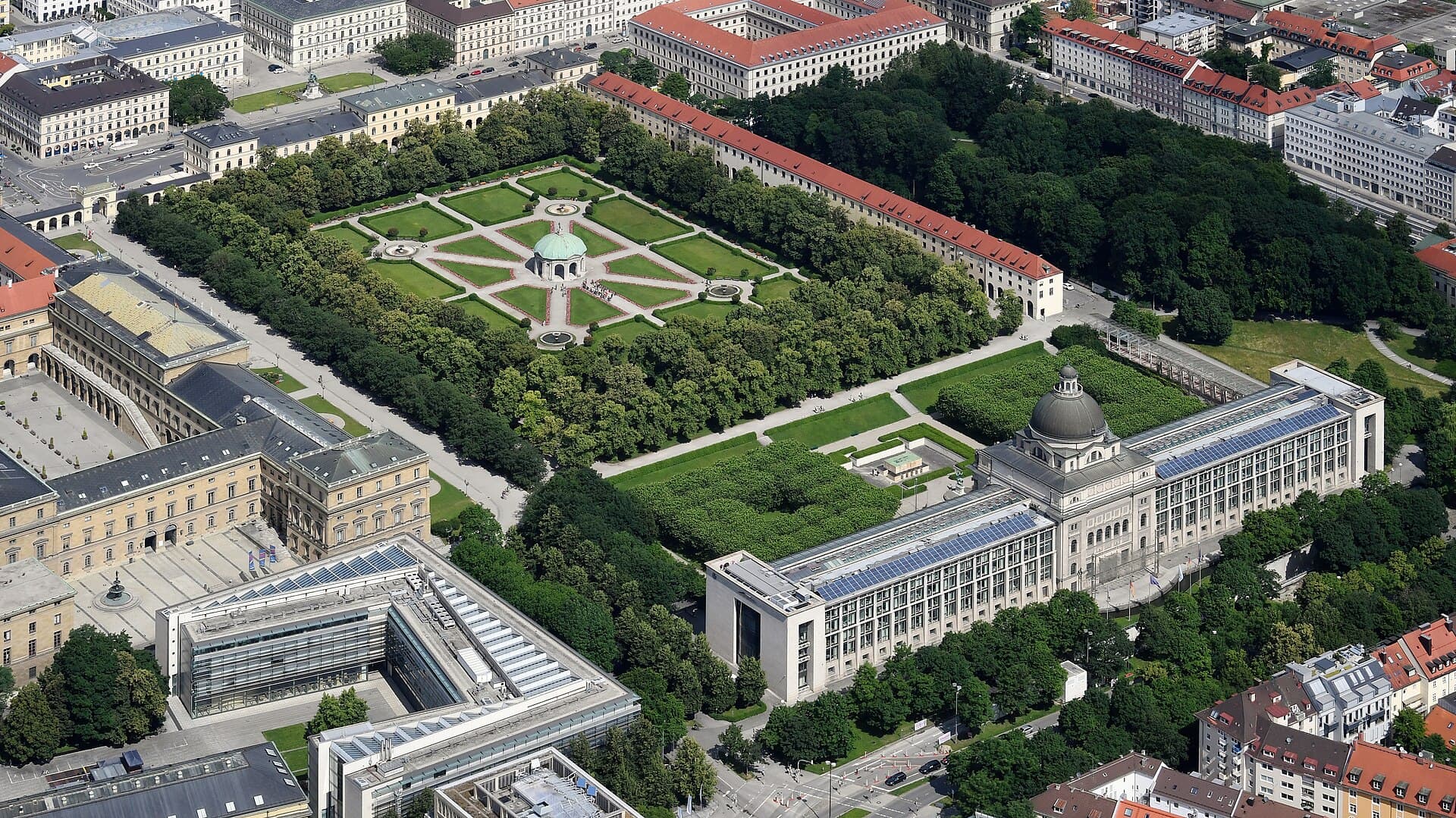 HofgartenThe Hofgarten is the palace garden: a seventeenth-century Italianate square betw6 minutes walk4.8
If the programme doesn't tempt you, take the outside: walk the building, read its history panels, watch the wave surfers behind it and enter the English Garden — an excellent free hour.
Where the artificial Eisbach stream shoots from under the bridge it forms a permanent standing wave, for decades now a serious surf spot with its own queue. Watching from the bridge is free and fun in every season — they surf even in snow.
Use it as the English Garden's gate: show, then wave, then a walk to the Monopteros and the Japanese teahouse in the park. Or reverse it: garden first, museum in the evening on its long hours.