
The Kiss
Klimt's gold become Vienna's symbol — at home.
C.Stadler/Bwag — CC BY-SA 4.0 · Derbrauni — CC BY 4.0 · Derbrauni — CC BY 4.0 · Derbrauni — CC BY 4.0
The Belvedere is two baroque palaces facing across stepped French gardens — built by Prince Eugene, Austria's greatest commander — the Upper housing the most famous Austrian painting there is: Klimt's The Kiss, the gold that became all Vienna's symbol, ringed by the largest Klimt collection in existence with Schiele and Kokoschka — Viennese modernism's summit in its cradle halls. The palace is itself history: in its Marble Hall Austria's 1955 independence treaty was signed ("Austria is free!" from its balcony) — and the gardens between Upper and Lower are free with their famous Vienna perspective. It is Vienna's third great face beside Schönbrunn and the Hofburg — the painting alone repays a journey: book your slot and take the Klimt room first, before the waves.
Klimt's gold become Vienna's symbol — at home.
'Austria is free' rang from here.
French terraces with the famous Vienna view.
Viennese modernism's largest holdings in its cradle.
Prinz-Eugen-Strasse 27, 1030 Vienna
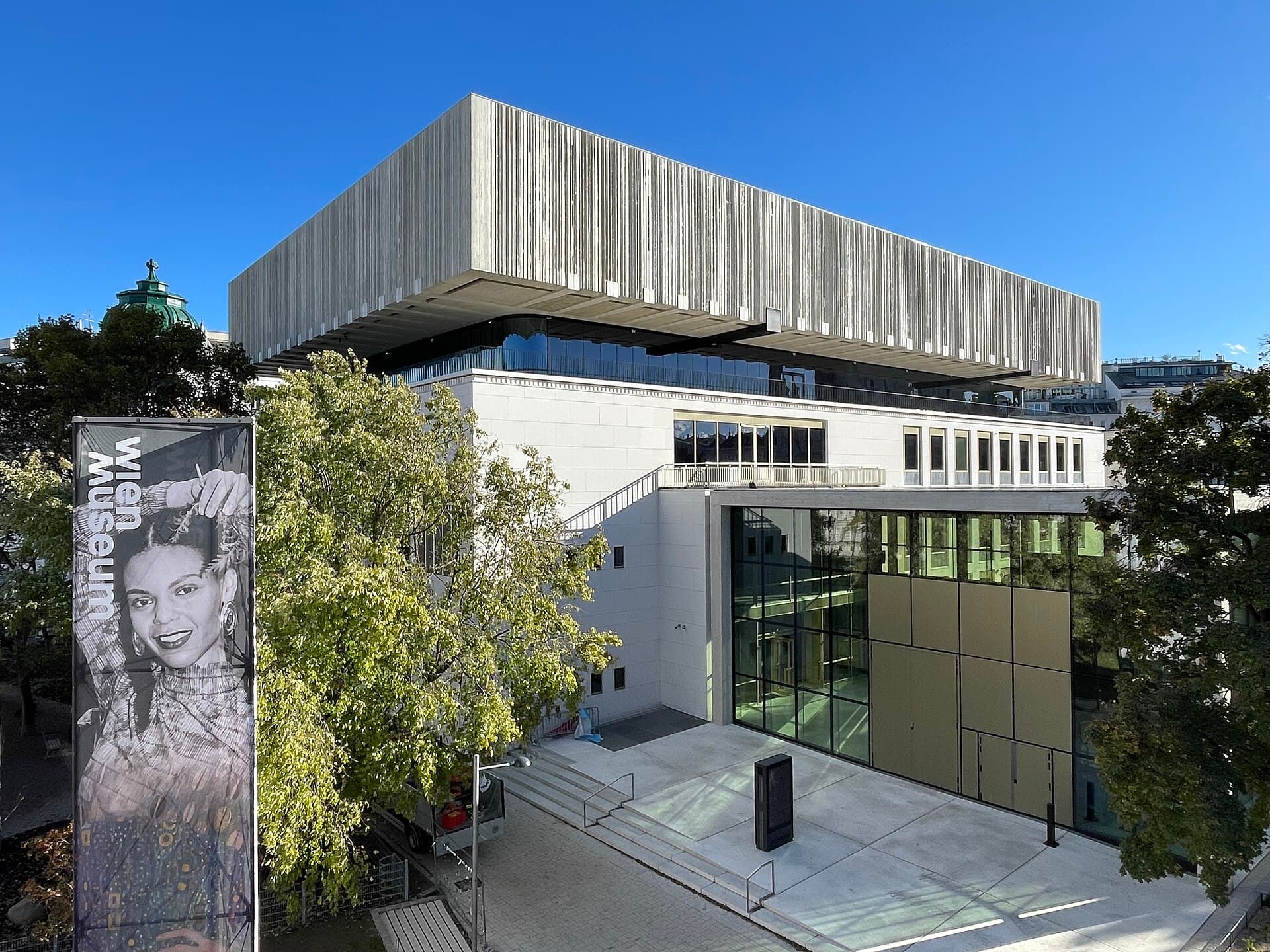 Vienna MuseumThe city museum: it tells Vienna's own story from Roman settlement to the presen13 minutes walk4.8
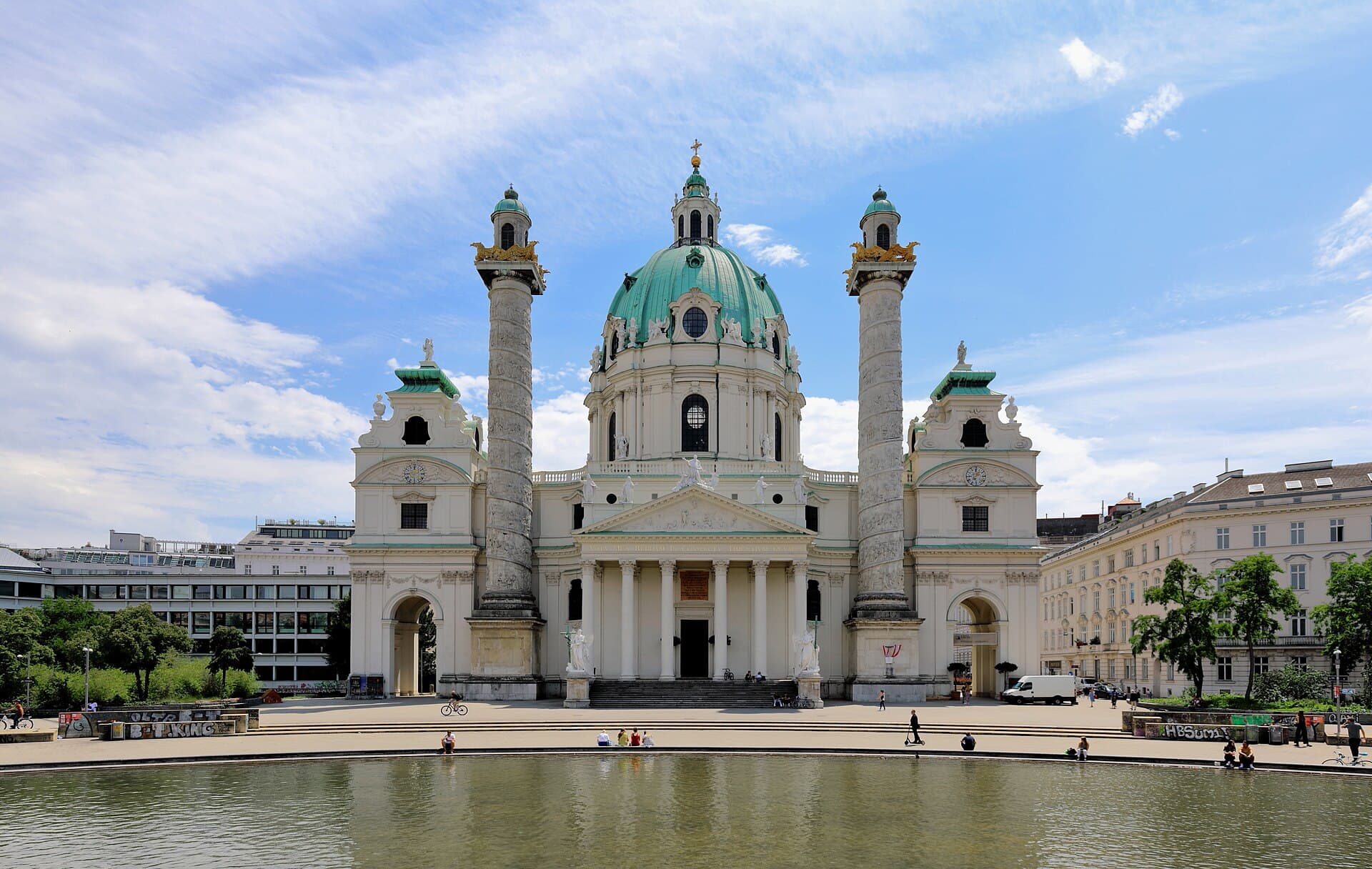 KarlskircheA votive church: Emperor Charles VI vowed it in 1713 if the plague left Vienna. 13 minutes walk4.7
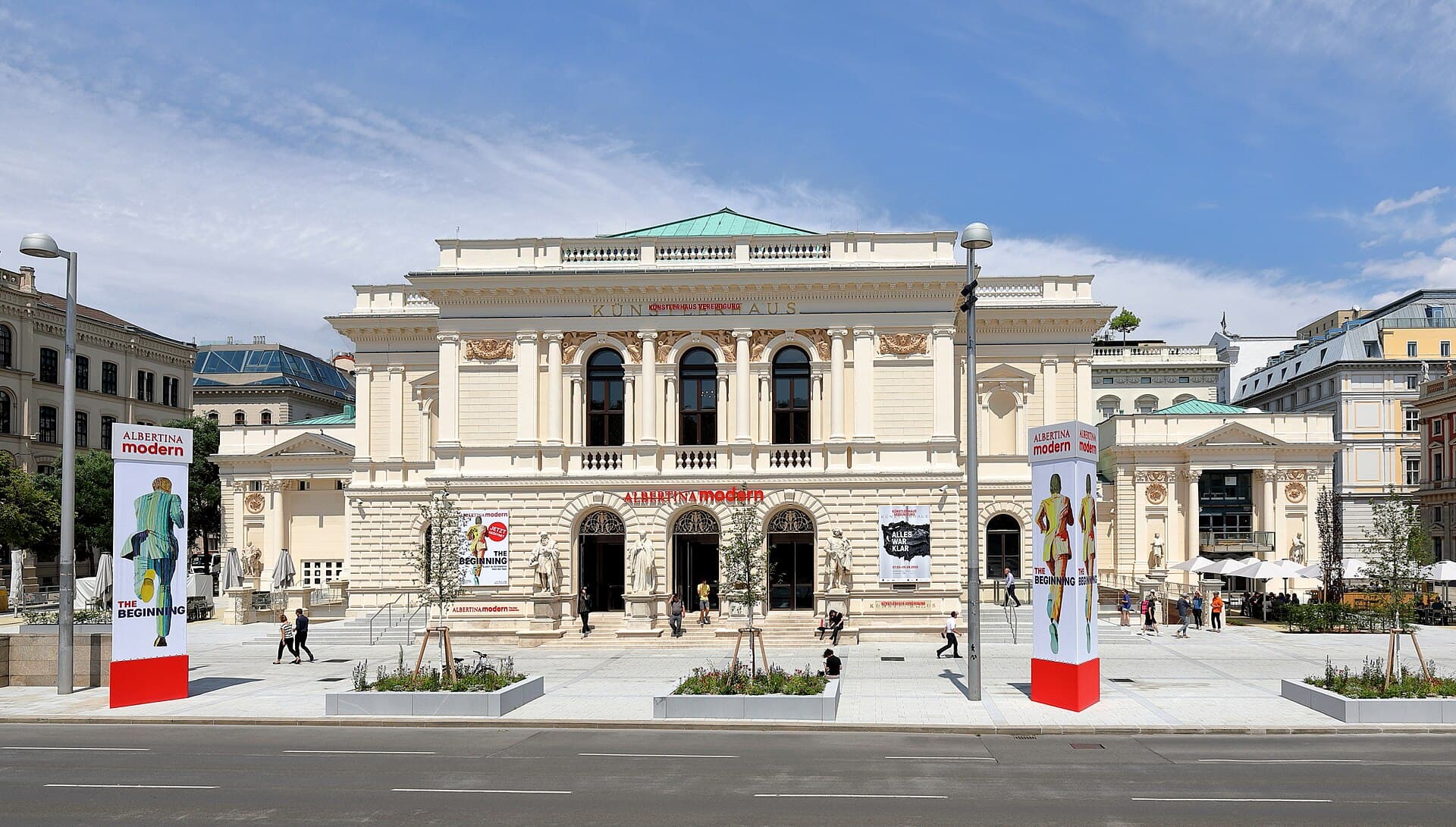 Albertina ModernThe Albertina's modern branch, opened in 2020 inside the Künstlerhaus: an 1868 b16 minutes walk4.6
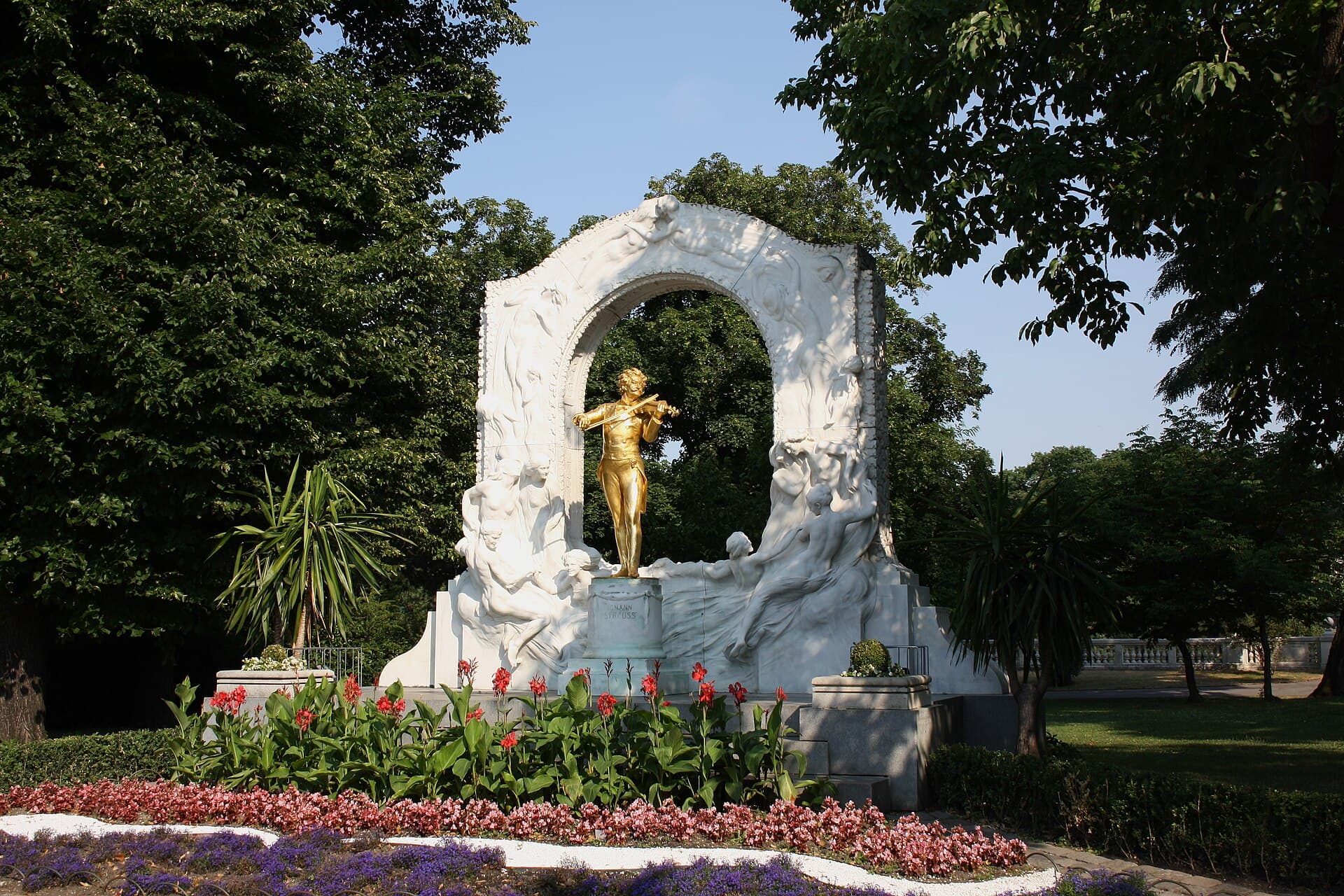 Monument to Johann Strauss IIA gilded statue of Johann Strauss II, composer of The Blue Danube, playing his v17 minutes walk4.6
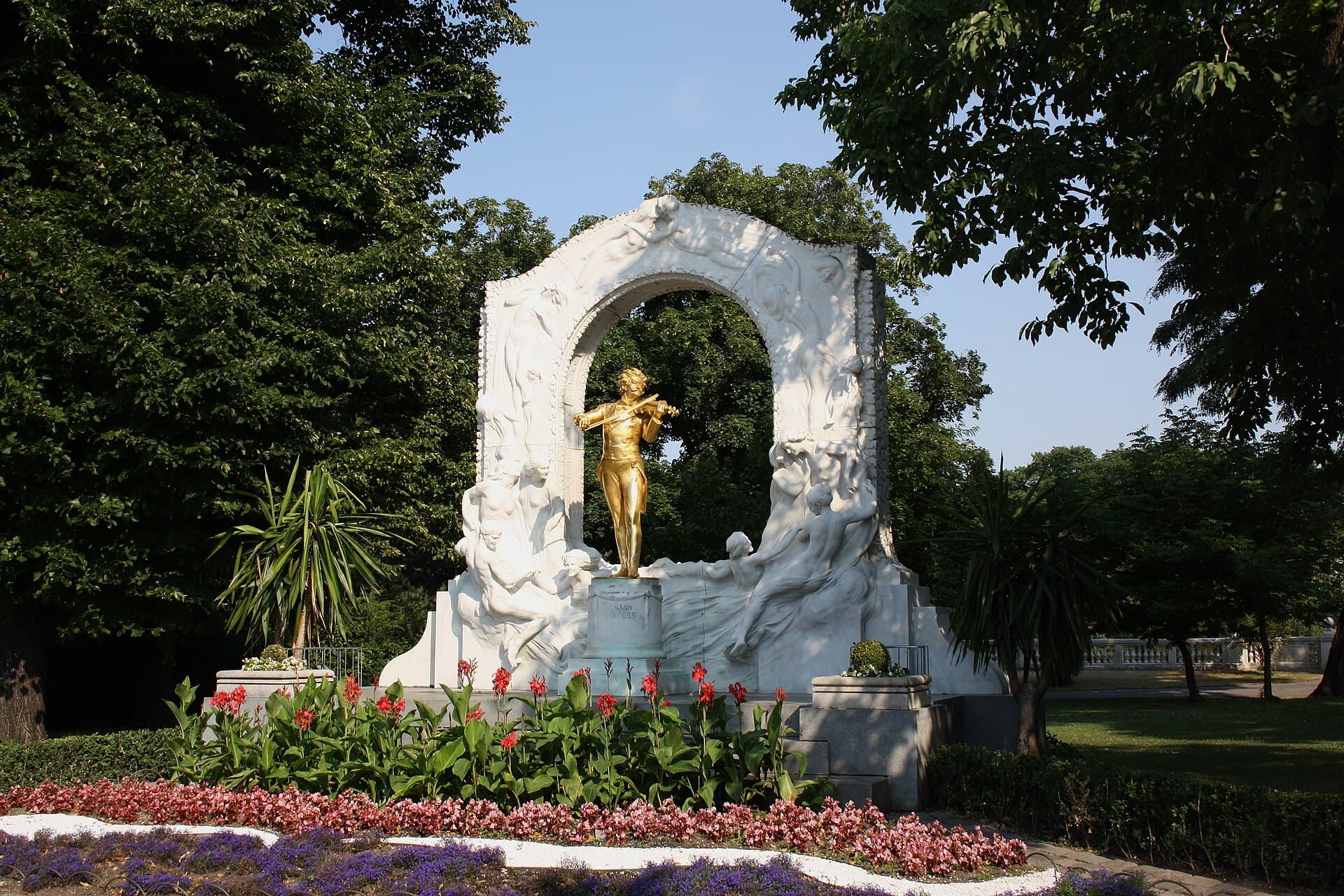 StadtparkThe first public park the city of Vienna opened for its residents, in 1862, afte19 minutes walk4.7
The golden trio: Schönbrunn for the complete imperial palace, Hofburg for the city's heart, Belvedere for art — Klimt lifting it to first for painting lovers. Two Vienna days carry all three at ease.