
St Stephen's original glass
Medieval windows taken down for preservation — seen here up close as you never can in the cathedral itself.
Christine Koblitz — CC0 · Manfred Werner (Tsui) — CC BY-SA 4.0 · Nxr-at — CC BY 4.0 · Foto: Birgit und Peter Kainz, Wien Museum — CC BY 4.0
The city museum: it tells Vienna's own story from Roman settlement to the present, and reopened after a major restoration and extension with a notable decision — free entry to the permanent collection for everyone. Its strength is holdings that exist nowhere else: original stained glass taken down from St Stephen's for preservation, scale models of the city at different periods showing how the walls and then the Ring swallowed the old town, and Klimt and Schiele shown in their social context rather than as isolated icons. Its finest pieces are two fully reconstructed rooms: the architect Adolf Loos's apartment with its original furnishings, and objects from ordinary Viennese homes across the centuries. This is the museum that explains the city you are walking through — best visited on your first day rather than your last.
Medieval windows taken down for preservation — seen here up close as you never can in the cathedral itself.
Vienna at three different periods — the clearest explanation of how the city became what it is.
An architect's living room rebuilt with its original furniture — Viennese modernism as it was actually lived.
Karlsplatz, Vienna
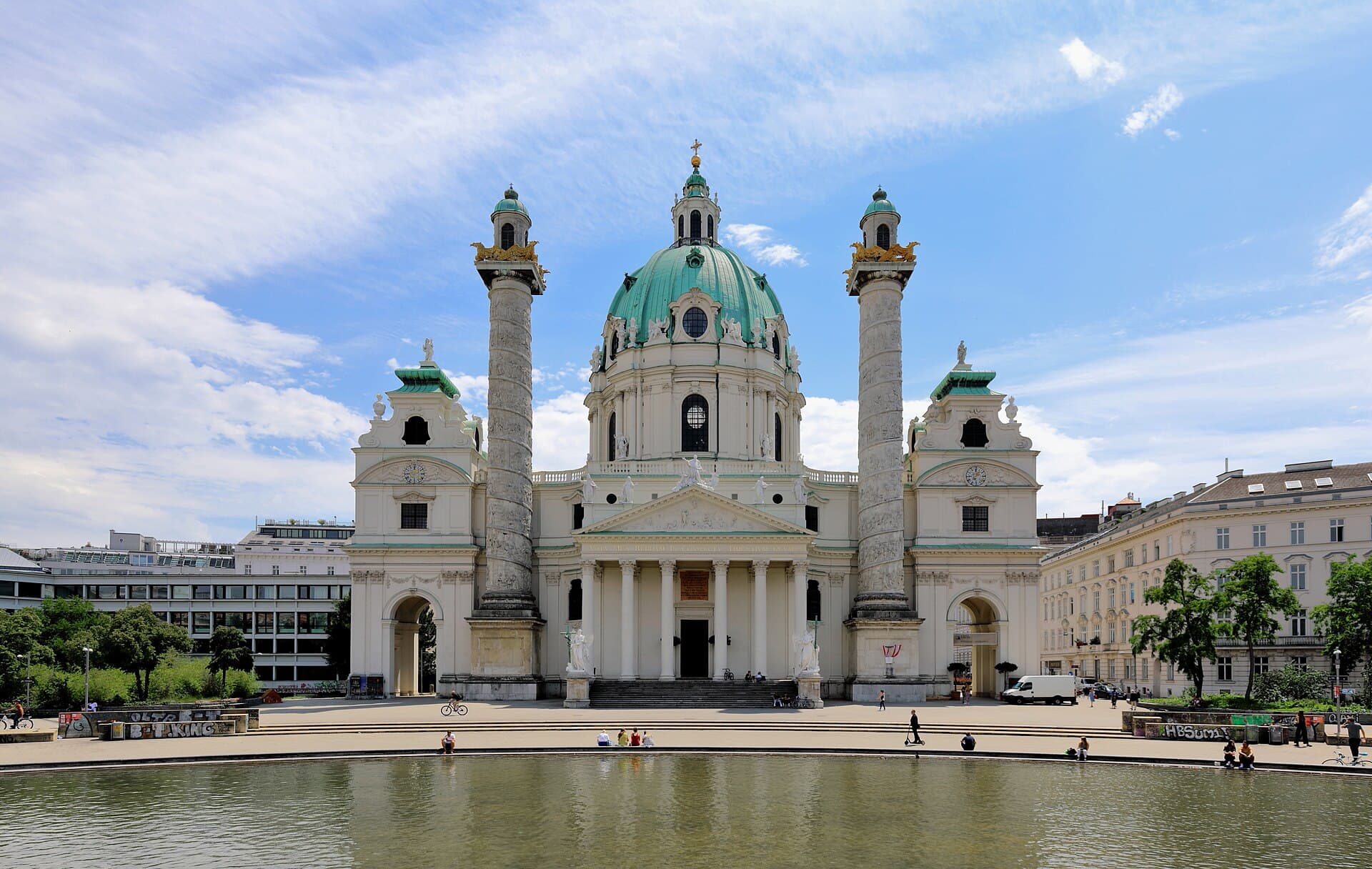 KarlskircheA votive church: Emperor Charles VI vowed it in 1713 if the plague left Vienna. 1 minute walk4.7
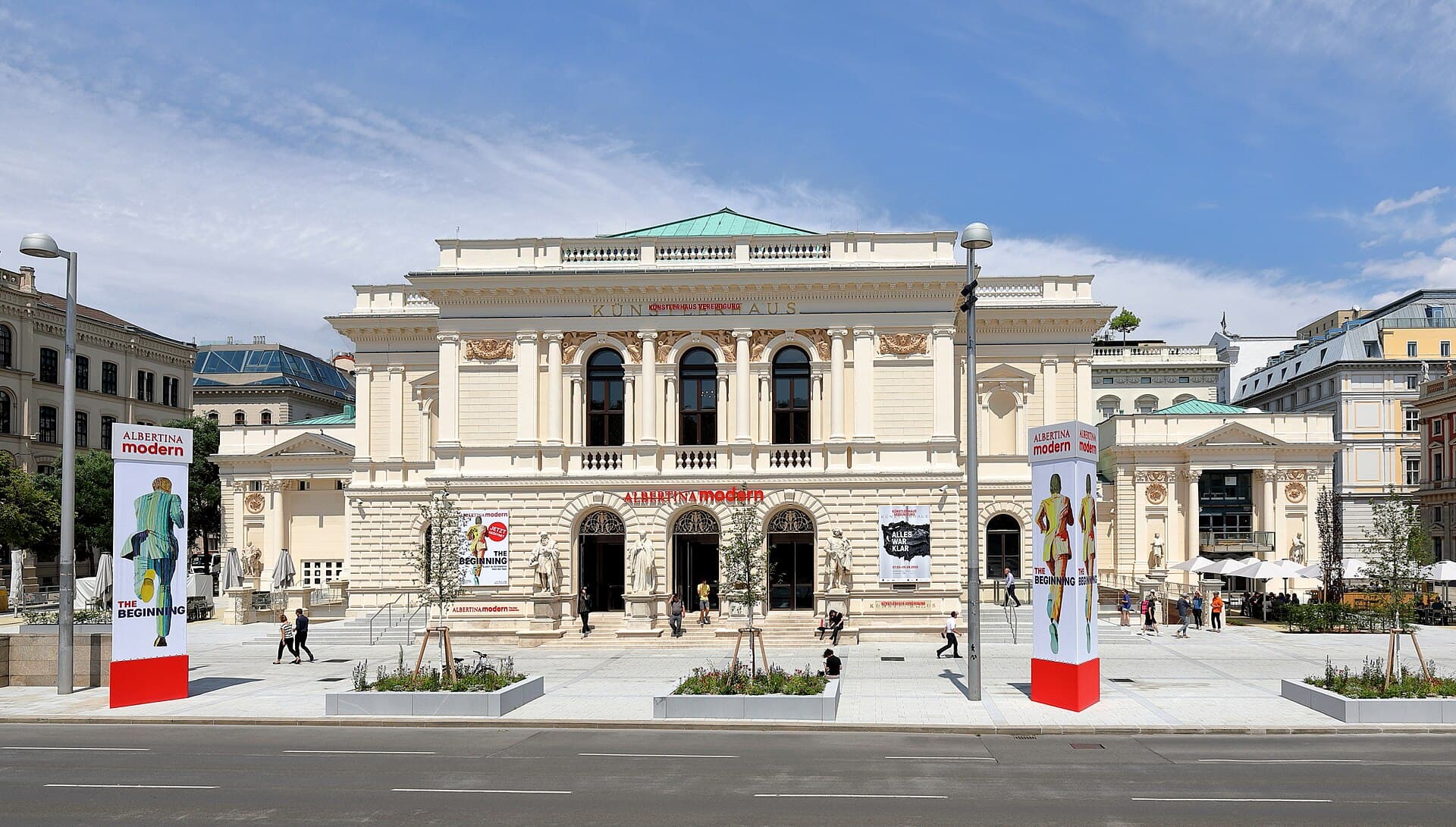 Albertina ModernThe Albertina's modern branch, opened in 2020 inside the Künstlerhaus: an 1868 b3 minutes walk4.6
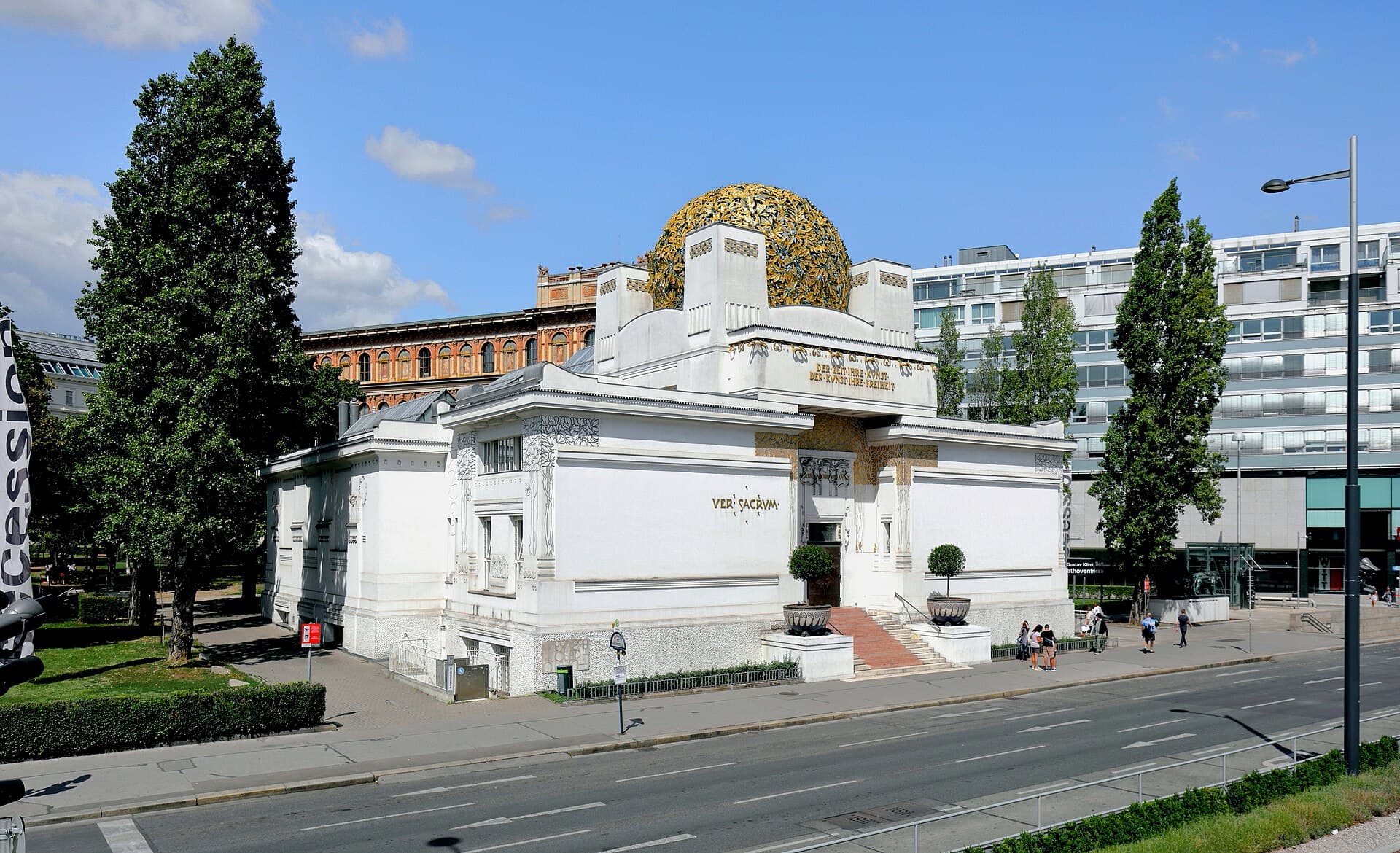 Secession BuildingAn exhibition hall of 1898 built as the home of the Vienna Secession, a group of7 minutes walk4.1
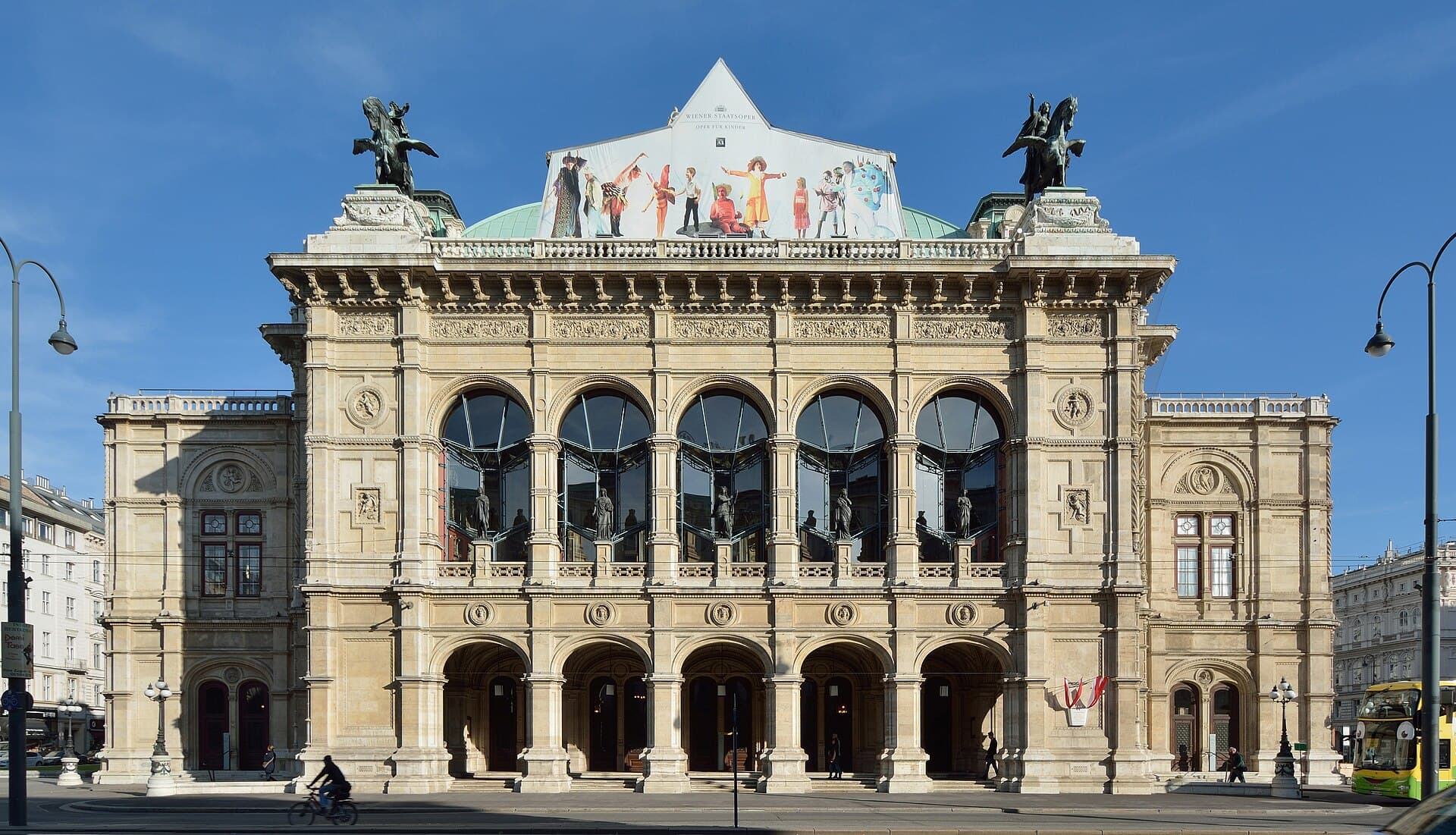 Vienna State Opera houseThe world's most famous opera house, and its most productive: some fifty differe7 minutes walk4.6
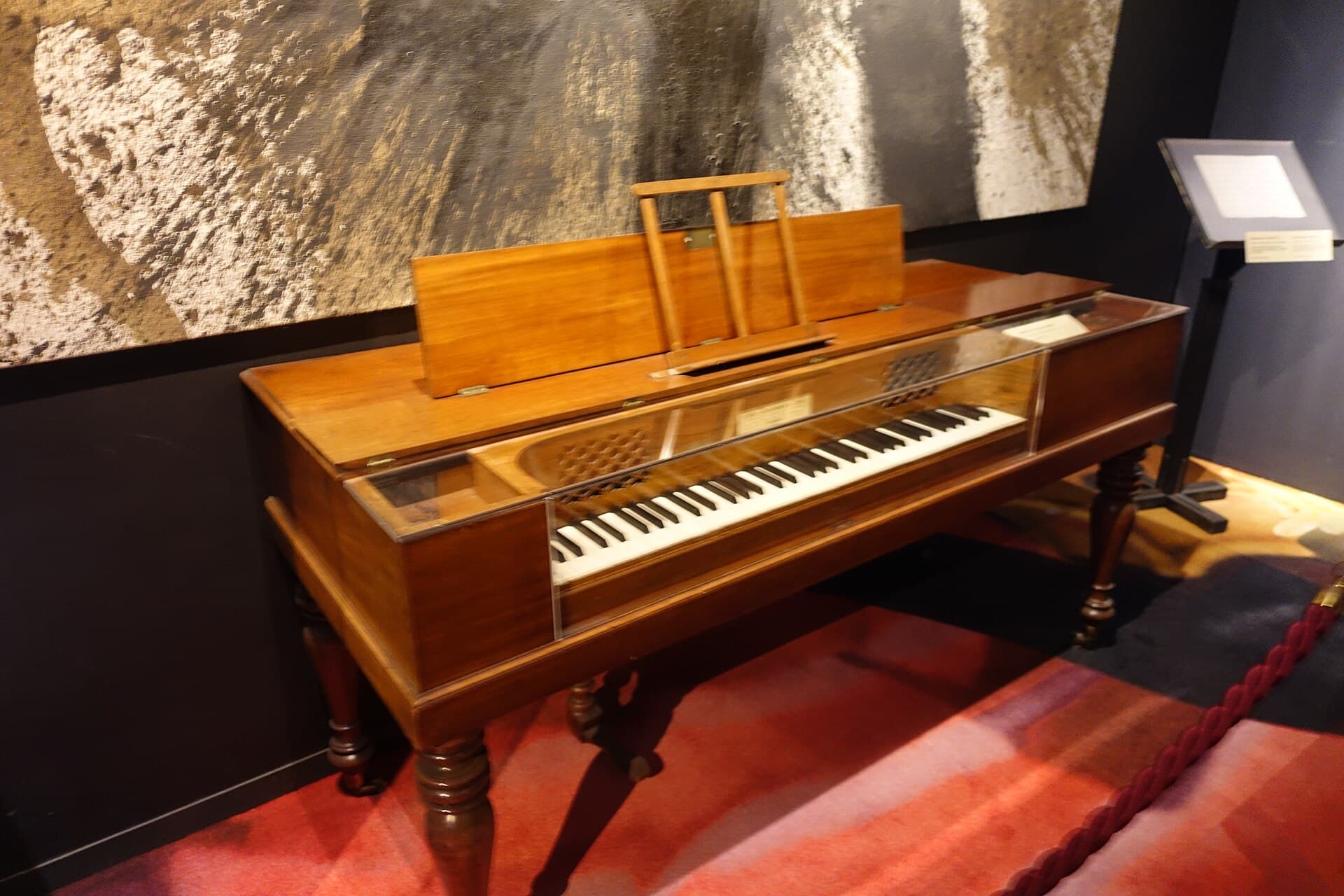 Haus der MusikA museum about sound more than about music: four floors explaining how hearing w7 minutes walk4.7
Yes for the permanent collection — a decision the city took after the extension. Only temporary exhibitions are charged, and they can be skipped entirely.
No, it complements them: this is a museum about the city, not about art. See it first and the Belvedere or Kunsthistorisches will make deeper sense.