
The knightly form
Bismarck as mythic guardian, not politician.
CC BY-SA 3.0 · SKopp — CC BY 4.0 · Dirtsc — CC BY-SA 4.0 · Pauli-Pirat — CC BY-SA 4.0
Hamburg's Bismarck Monument is the largest of its kind in the world: a stone mass thirty-five metres tall depicting Chancellor Otto von Bismarck standing as a medieval knight, leaning on a huge sword, above a base ringed by eight figures representing the peoples of the German Empire. It was built between 1901 and 1906, funded by Hamburg's merchants, who saw Bismarck as the protector of their maritime and trading interests. The style is deliberate: not a realistic statue of a politician but a mythic image of a guardian, carved in rough simplified planes that anticipate twentieth-century monumental architecture. It stands on a hill in the Alter Elbpark looking directly over the harbour — meaning the monument faces the sea rather than the city, which was the intention. Beneath it are extensive vaults used as a wartime shelter. The monument is today the subject of continuing German argument about how to handle imperial monuments, and it has been restored with critical context added explaining Bismarck's colonial legacy.
Bismarck as mythic guardian, not politician.
The hill looks straight over the docks.
Alter Elbpark, 20359 Hamburg
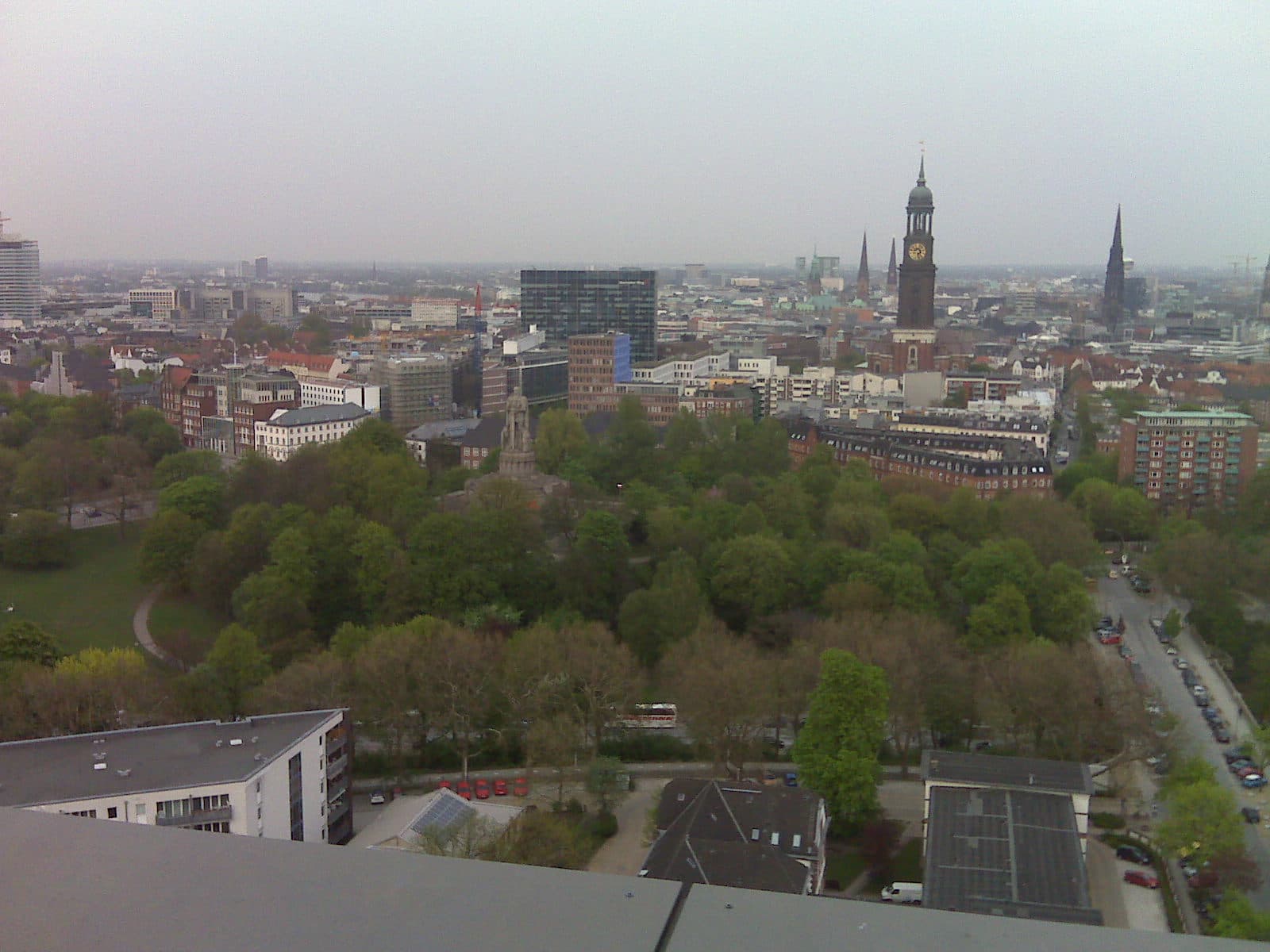 Alter ElbparkThe Alter Elbpark is a small green space on a rise between central Hamburg and t1 minute walk4.3
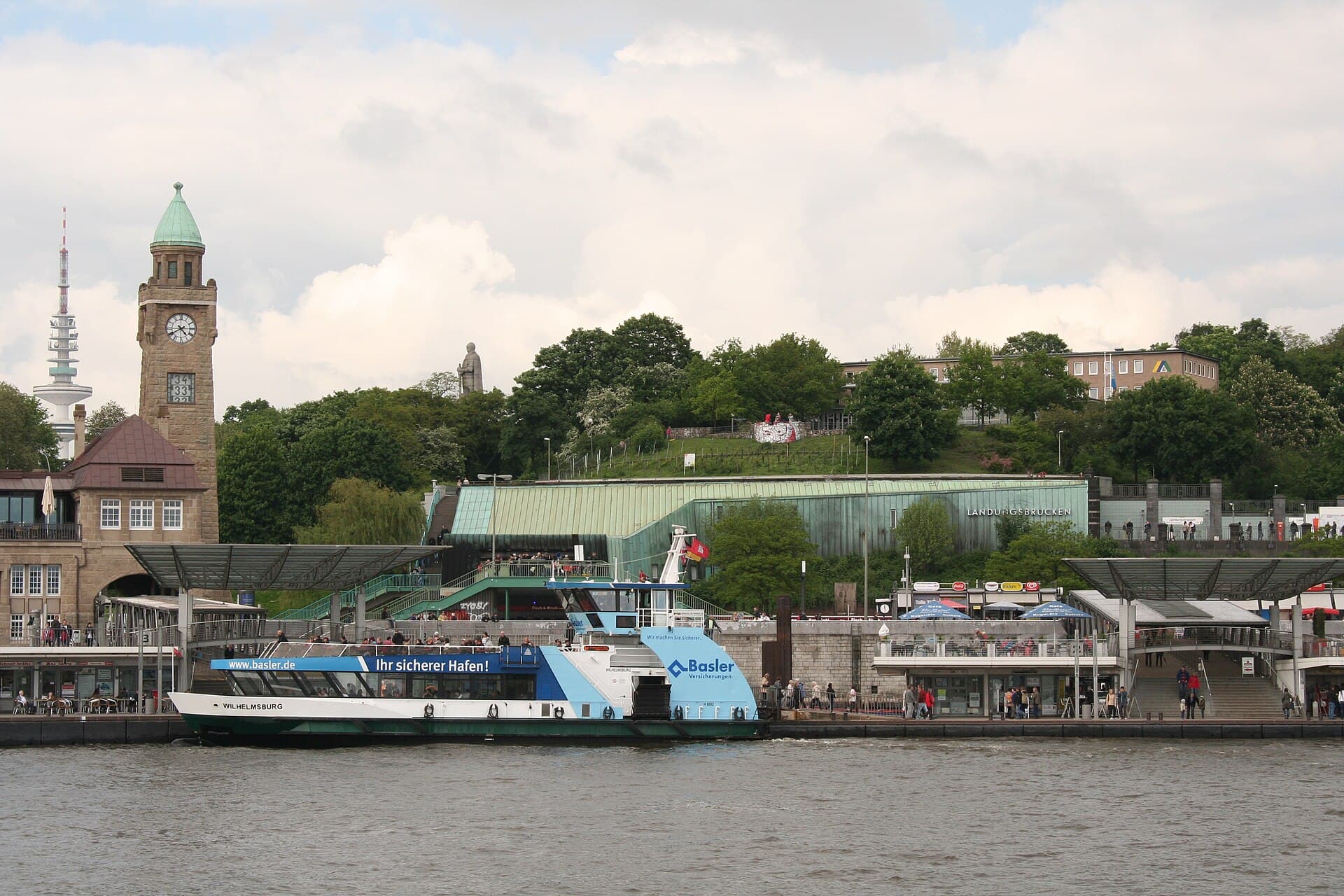 StintfangStintfang is a small hill directly above the Landungsbrucken piers, and it is th4 minutes walk4.5
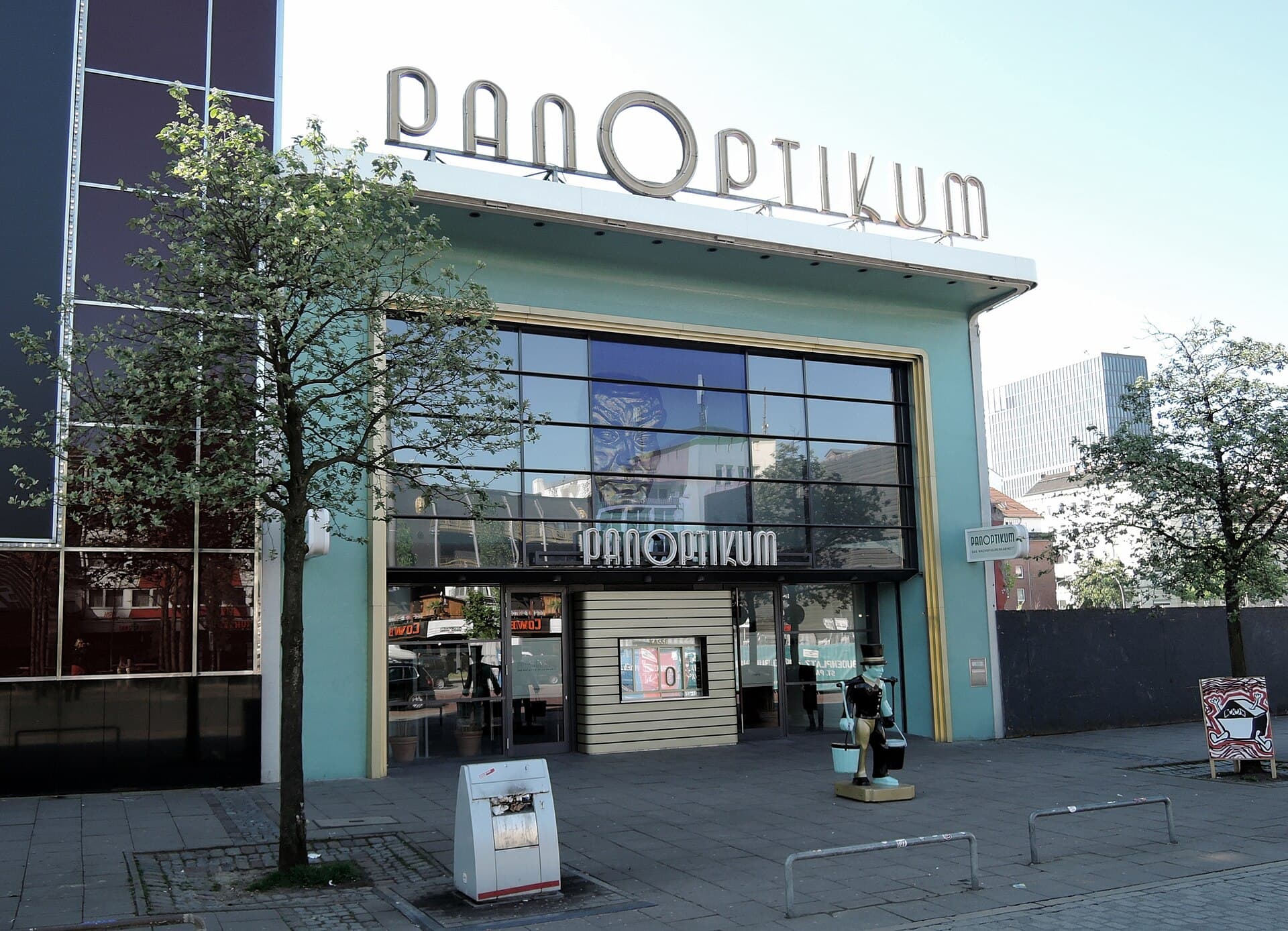 Panoptikum Wax MuseumThe Panoptikum is Germany's oldest wax museum, run by the same family since 18794 minutes walk4.2
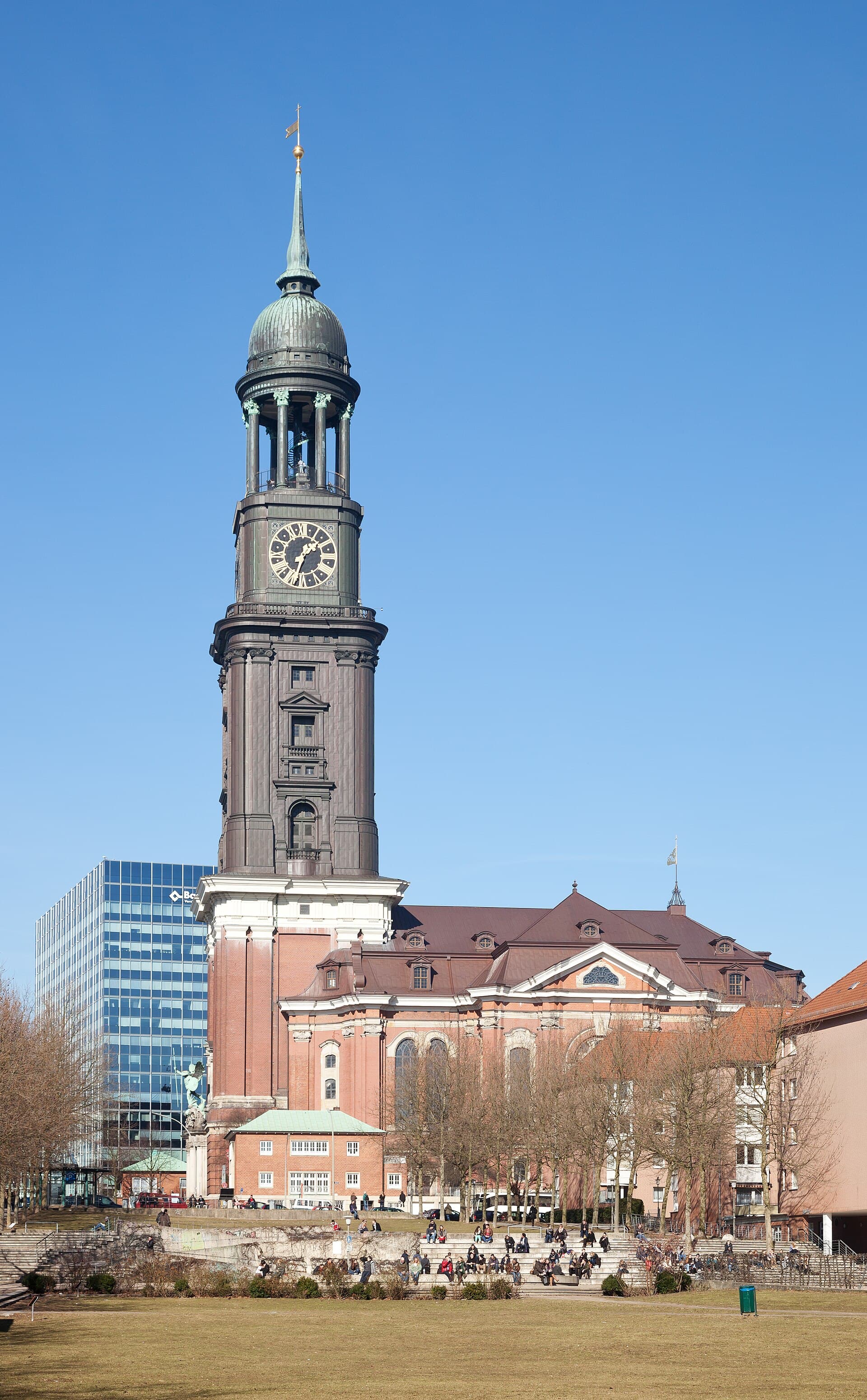 St. Michael's Church (Michel)The "Michel", as Hamburgers fondly shorten it, is the city's undisputed emblem: 6 minutes walk4.6
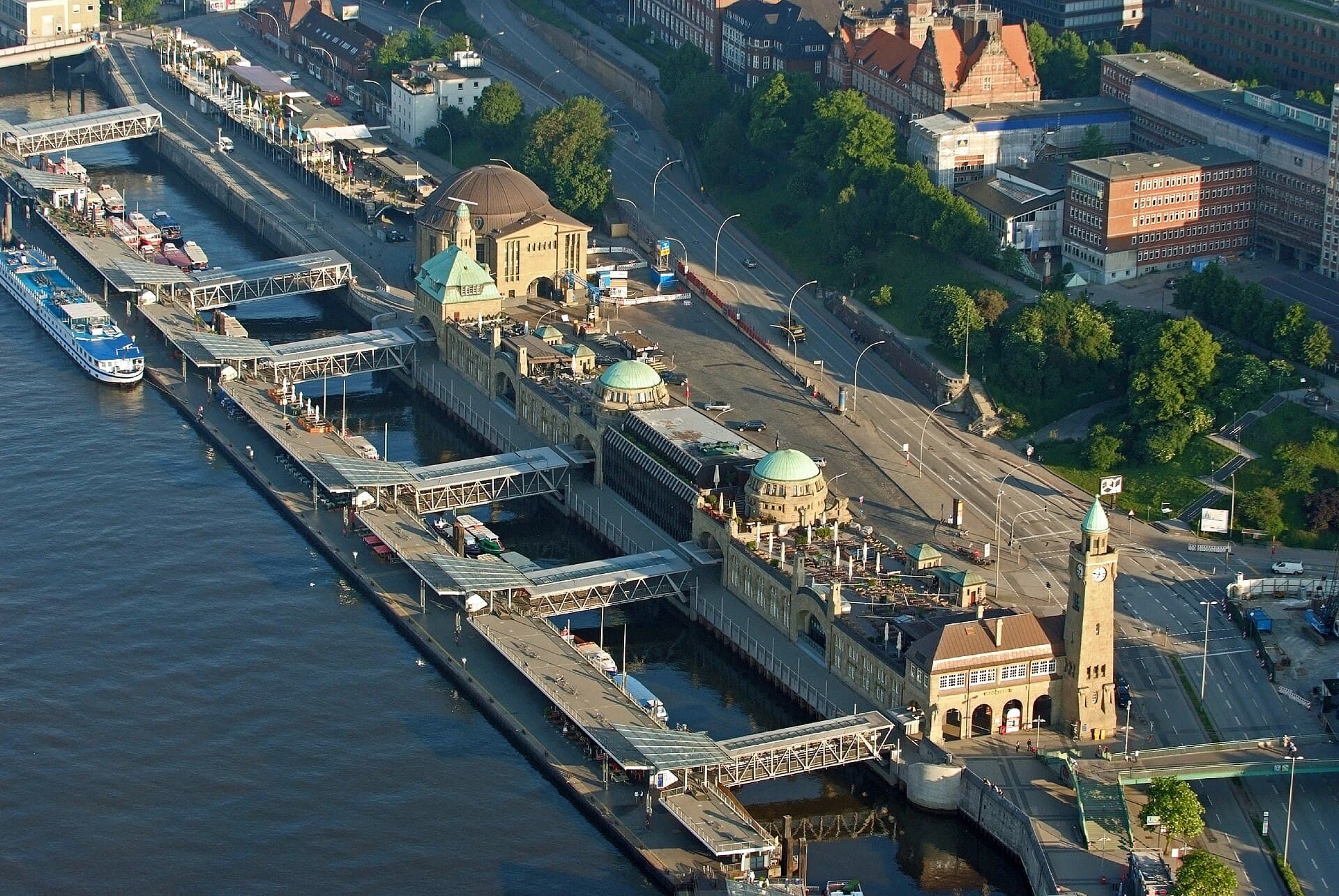 St. Pauli LandungsbrückenThe Landungsbrücken — the "landing bridges" — are Hamburg's face to its harbour:6 minutes walk4.6
Because Bismarck is bound up with the founding of Germany's colonial empire — he hosted the Berlin Conference of 1884-85, which organised the partition of Africa among the European powers. The current German debate is not about demolishing the monument but about how to present it: context panels have been added explaining that legacy, rather than leaving it a silent monument of celebration.