
The blue tiles
From the famous Hungarian Zsolnay works.
Thomas Ledl — CC BY-SA 4.0 · Thomas Ledl — CC BY-SA 4.0 · Ank Kumar — CC BY-SA 4.0 · Ank Kumar — CC BY-SA 4.0
A church the colour of icing, and Bratislava's most photographed thing after its castle: the Church of St Elizabeth (1913) was designed by the Hungarian architect Ödön Lechner — father of the Hungarian Secession — in pale blue walls, blue tiles, mosaic and a cylindrical tower out of a children's book, until Slovaks simply called it the Blue Church and nobody used its official name again. Lechner refused the usual European ornament and invented a language of his own from Hungarian and Slovak folk forms and eastern art — curving lines, plant shapes and coloured tiles from the famous Zsolnay works — and the whole church, inside and out, is one graded colour: blue upon blue. St Elizabeth of Hungary, whose name it carries, was born in Bratislava itself in 1207. The church is small and working, entry is free outside services but the hours are limited — and most visitors settle for the facade, which is in truth the point.
From the famous Hungarian Zsolnay works.
As if drawn for a children's book.
Bezručova 2, Bratislava
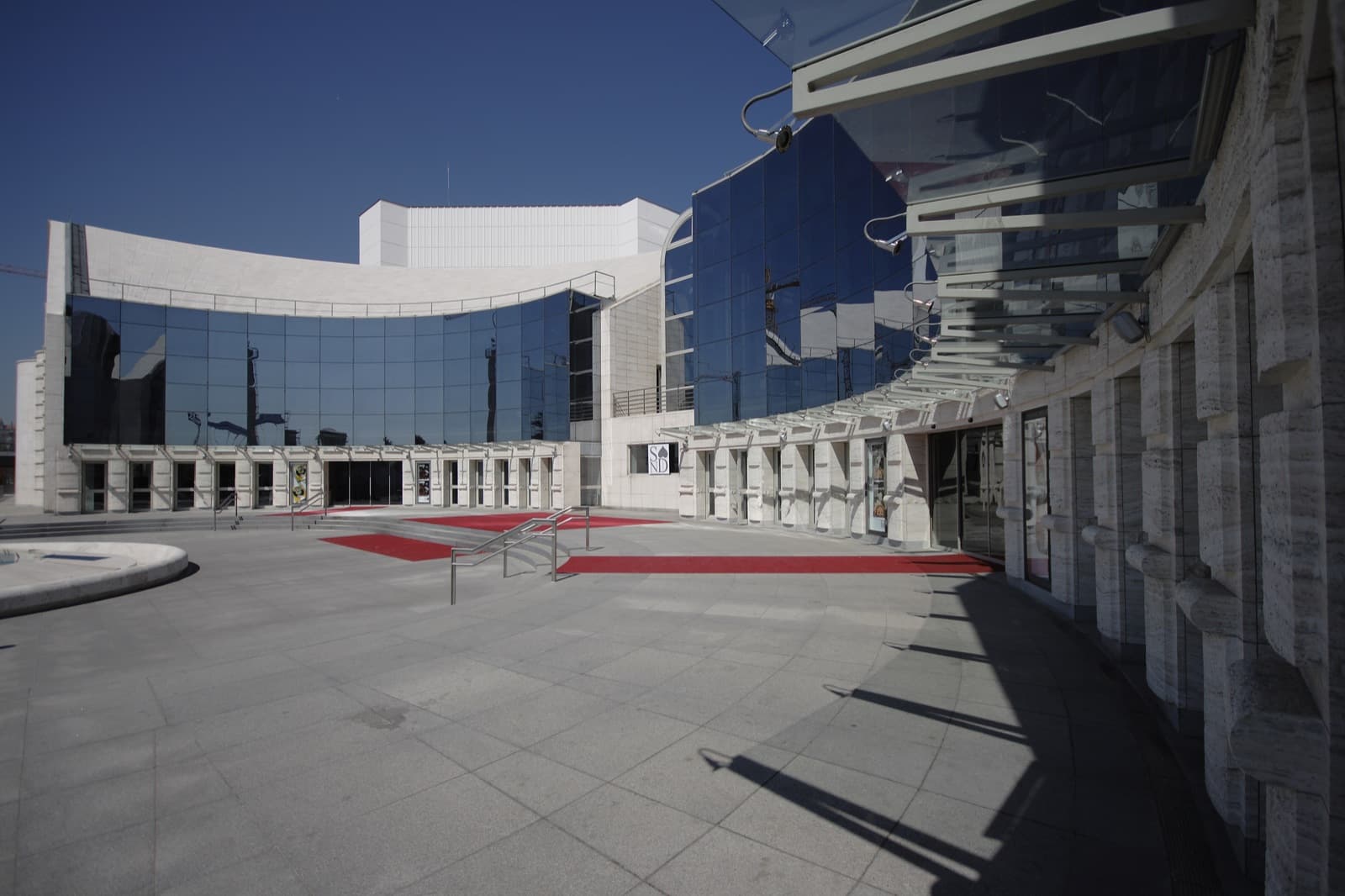 The Slovak National TheatreA Neo-Renaissance theatre at the head of the elegant promenade: the Austrian arc6 minutes walk4.6
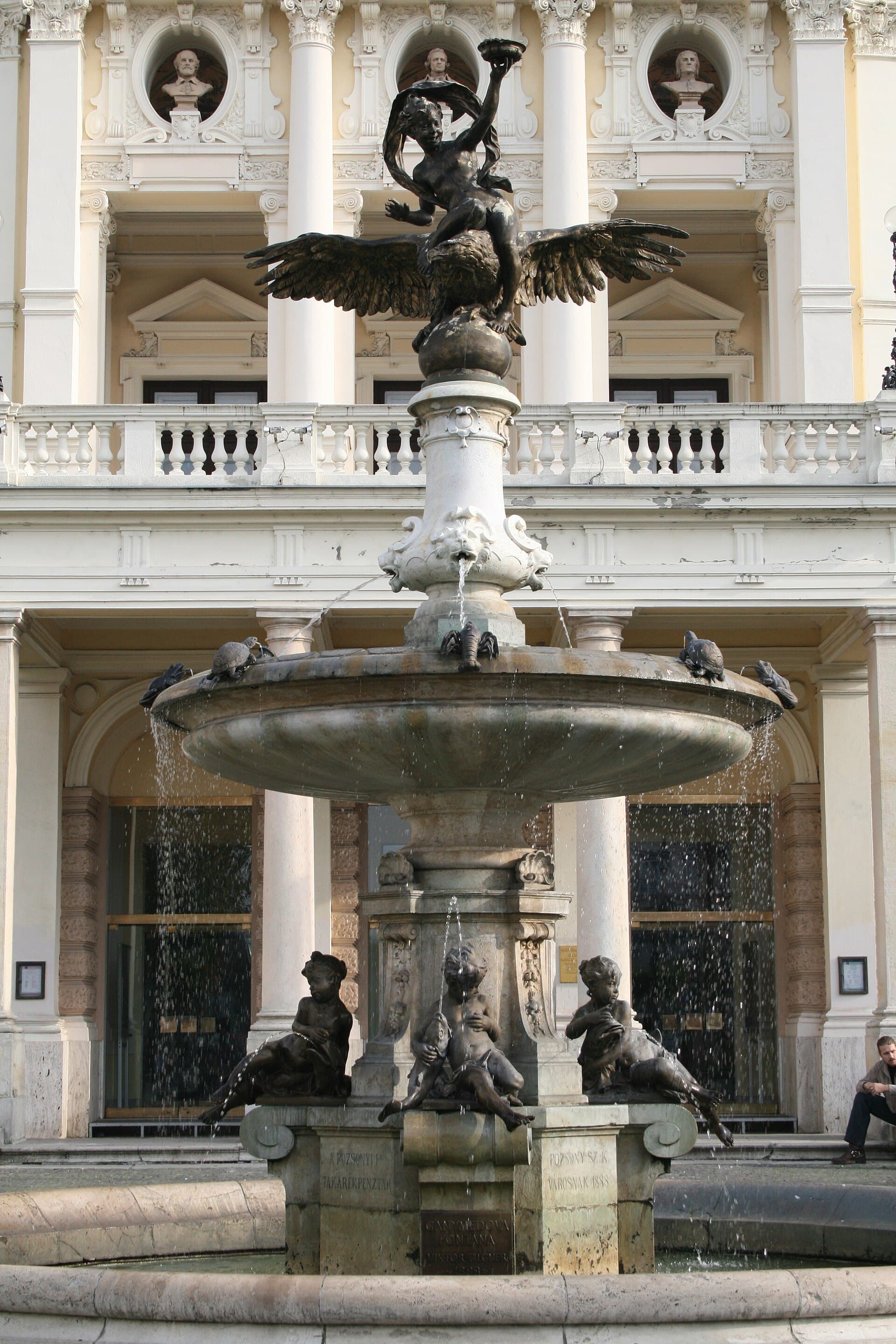 Ganymede's FountainA bronze fountain in front of Bratislava's **historic Opera House**, unveiled in7 minutes walk4.7
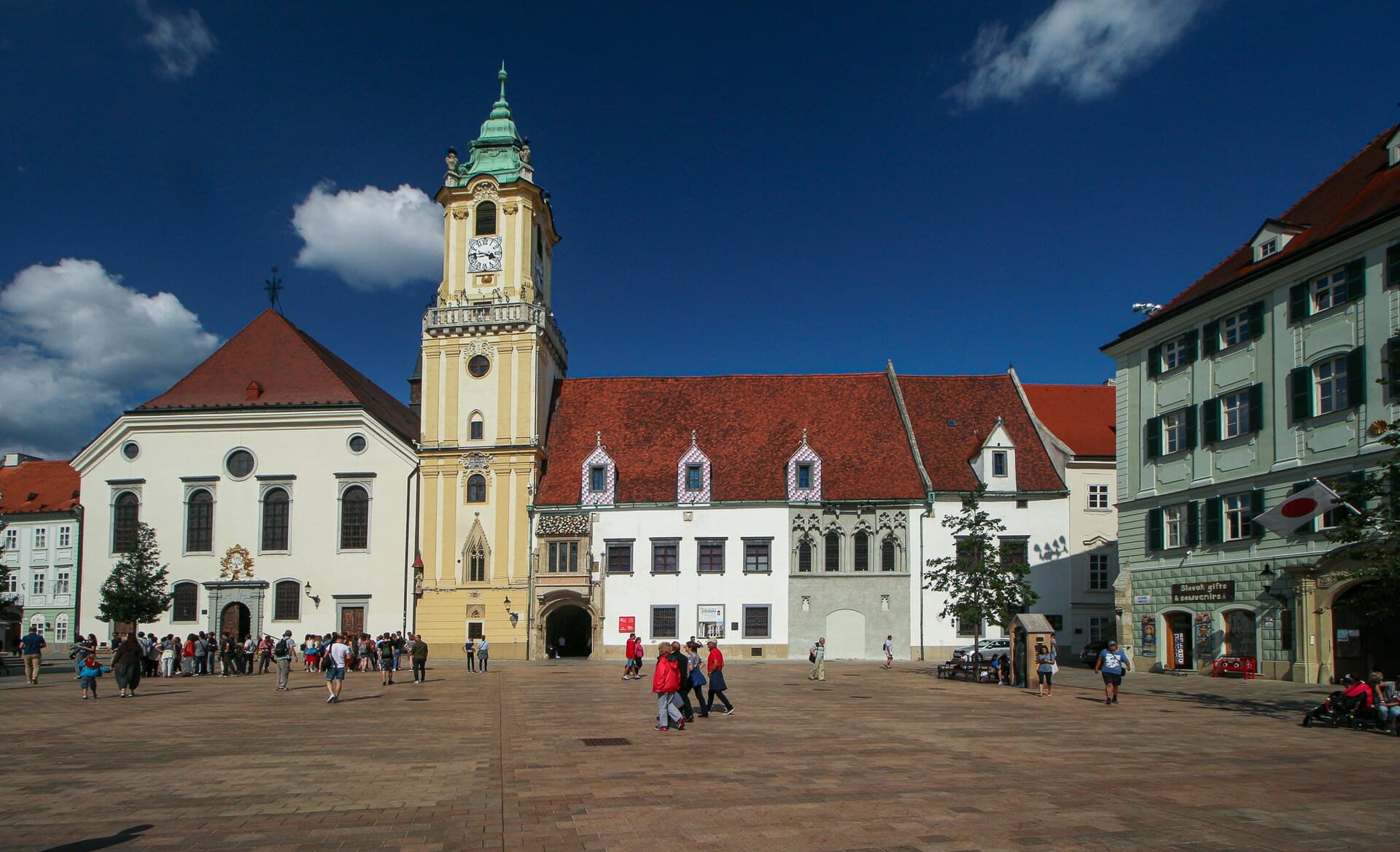 Old Town Hall and Main SquareSlovakia's oldest town hall: a group of houses fused over the centuries into one7 minutes walk4.5
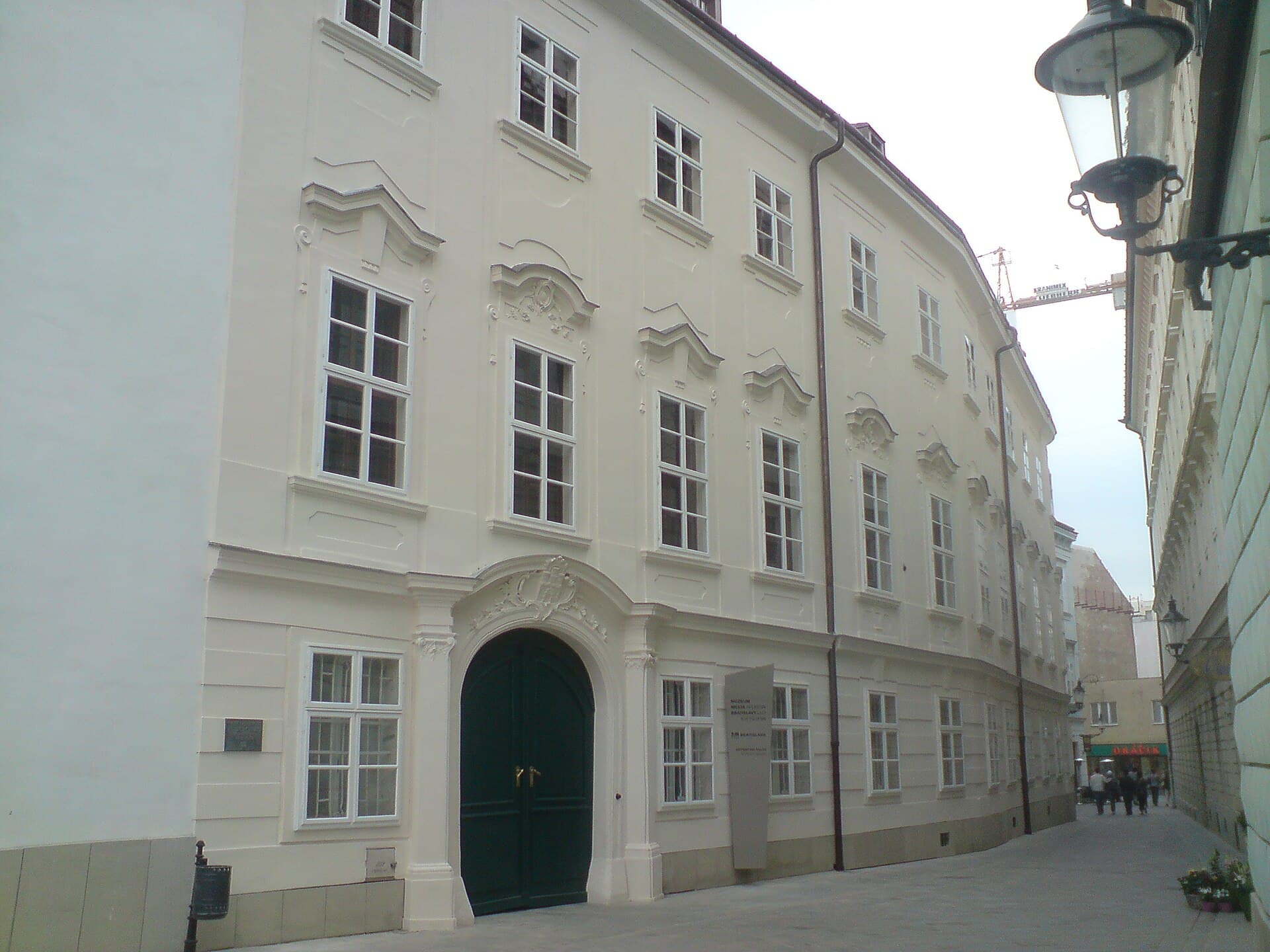 Apponyi PalaceA rococo palace of 1762 on the edge of the Main Square, built by Count **György 7 minutes walk4.2
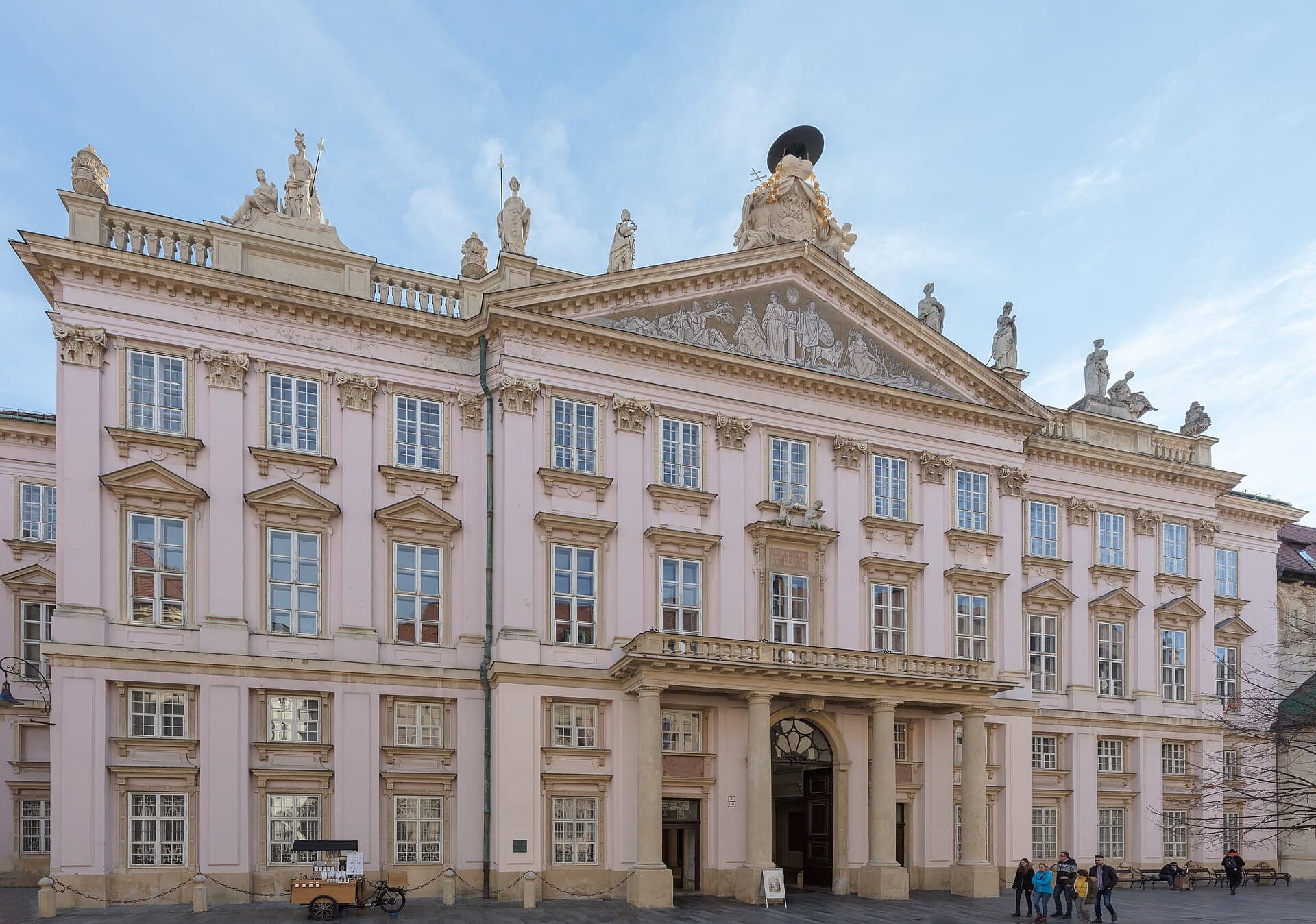 The Primate's PalaceA pink palace where Napoleon signed a treaty that redrew Europe: the Primate's P8 minutes walk4.6
A branch of Art Nouveau Lechner invented in the early twentieth century in rejection of Vienna's lead: ornament drawn from Hungarian folk embroidery and eastern art instead of classicism — and this church is its purest example outside Budapest.