
Painted houses
The city's image.
Daniel Case — CC BY-SA 3.0 · Sami Mlouhi — CC BY-SA 4.0 · Sami Mlouhi — CC BY-SA 4.0 · Sami Mlouhi — CC BY-SA 4.0
Cape Town's historic Muslim quarter, on the slopes of Signal Hill above the city centre, with cobbled streets and houses painted green, pink, blue and yellow that have become one of the city's best-known images. Since the eighteenth century it has been home to descendants of slaves and exiles the Dutch brought from the islands of Indonesia, Malaya, India and Africa, known as the Cape Malays, who kept their Islam and founded the country's first mosques. That Islam traces back to exiles such as Sheikh Yusuf of Makassar, banished to the Cape by the Dutch in 1694. The quarter has several historic mosques, the oldest being the Auwal Mosque on Dorp Street, the Bo-Kaap Museum in an eighteenth-century house telling its residents' story, and small restaurants serving Cape Malay food: curried bobotie, samoosas and sweet coconut koeksisters. Wandering is free, and walking tours with guides from the community are the best way to understand the place. Remember the houses are family homes: ask before photographing people, and respect prayer times.
The city's image.
Bobotie and samoosas.
The country's oldest.
Slopes of Signal Hill, west of central Cape Town
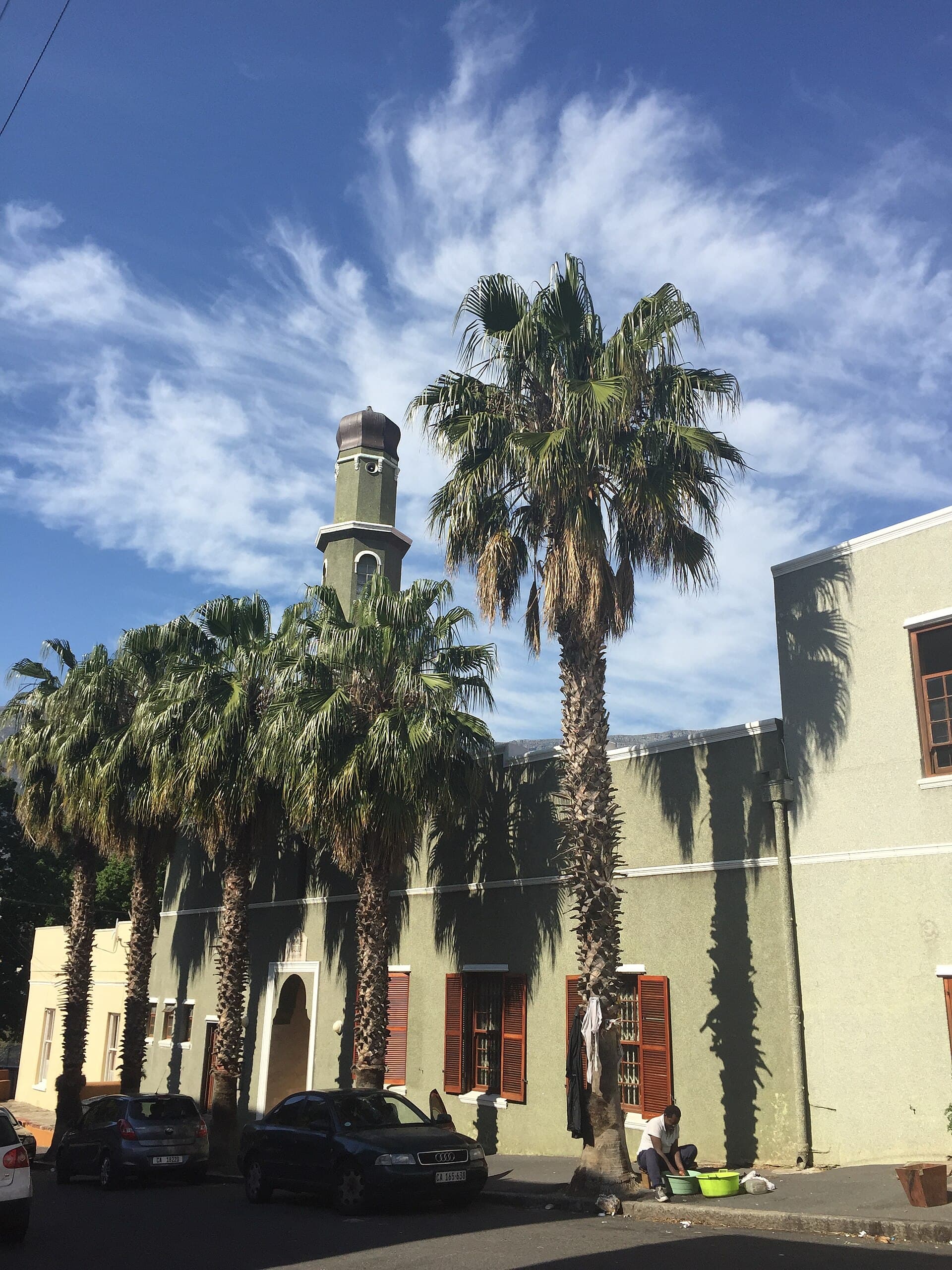 Auwal MosqueThe oldest mosque in South Africa, built in 1794 on Dorp Street in the Bo-Kaap a6 minutes walk4.9
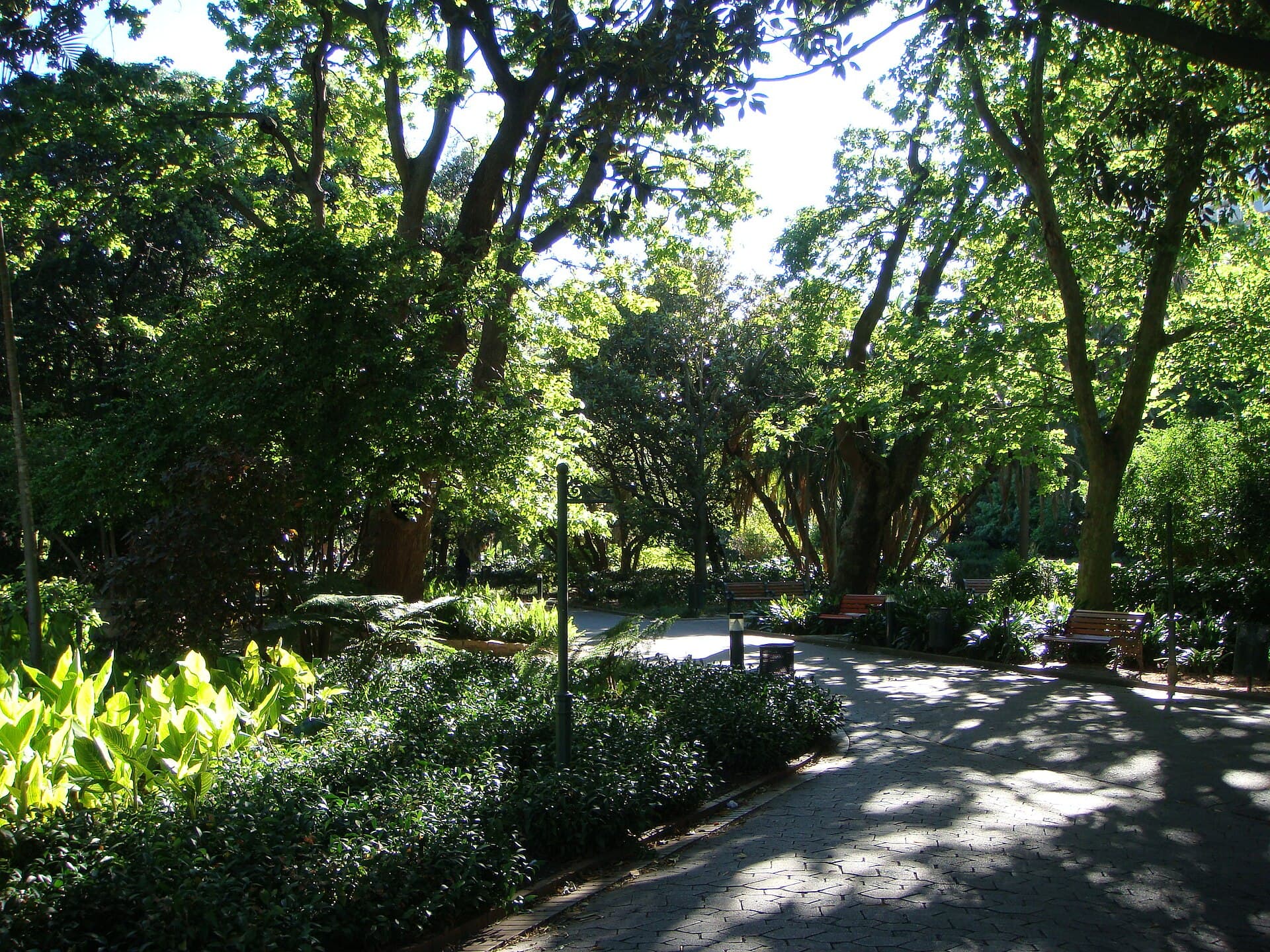 Company's GardenThe oldest garden in South Africa, at the heart of Cape Town, planted by the Dut12 minutes walk4.7
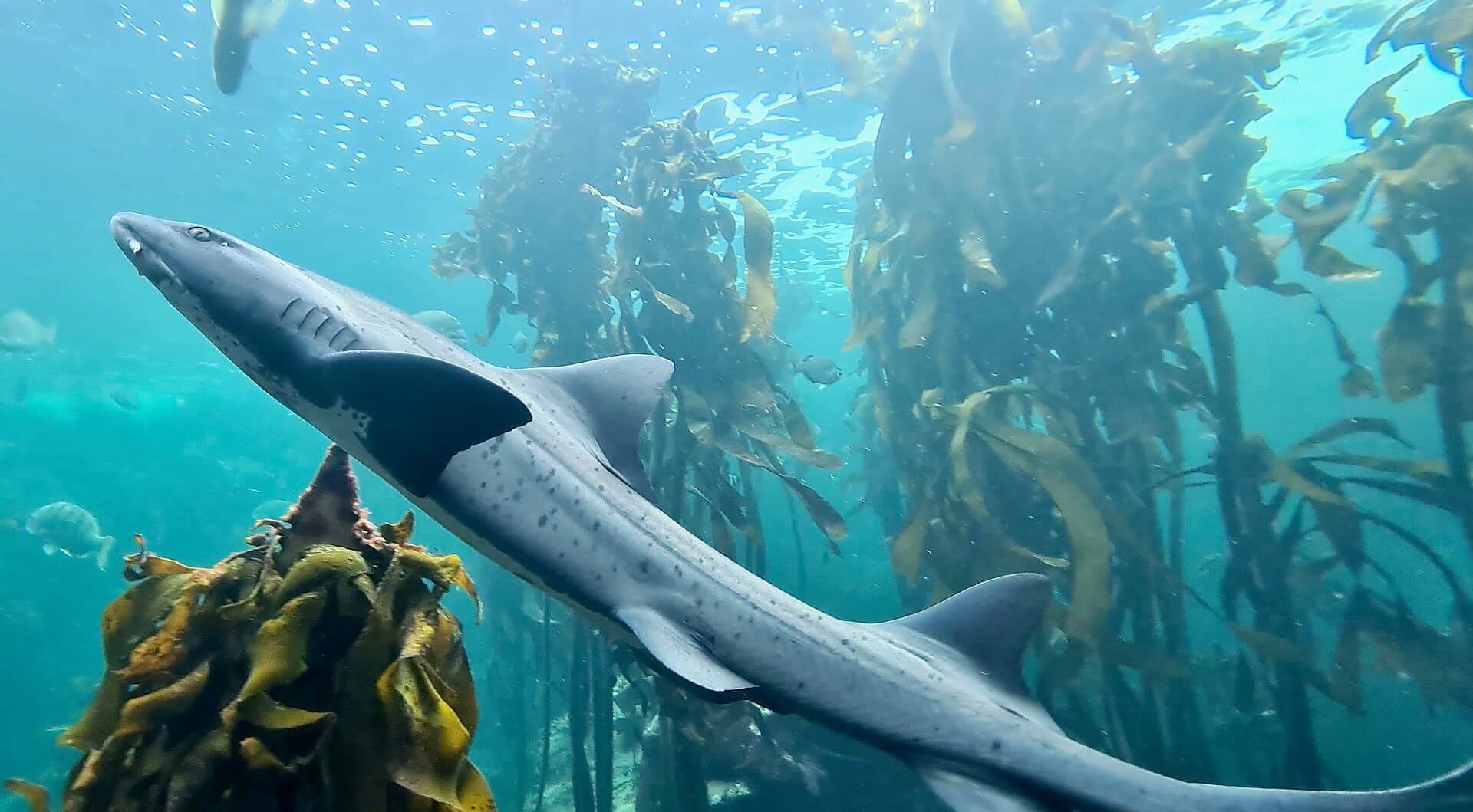 Two Oceans AquariumA large aquarium at Cape Town's V&A Waterfront, opened in 1995, showing the sea 15 minutes walk4.7
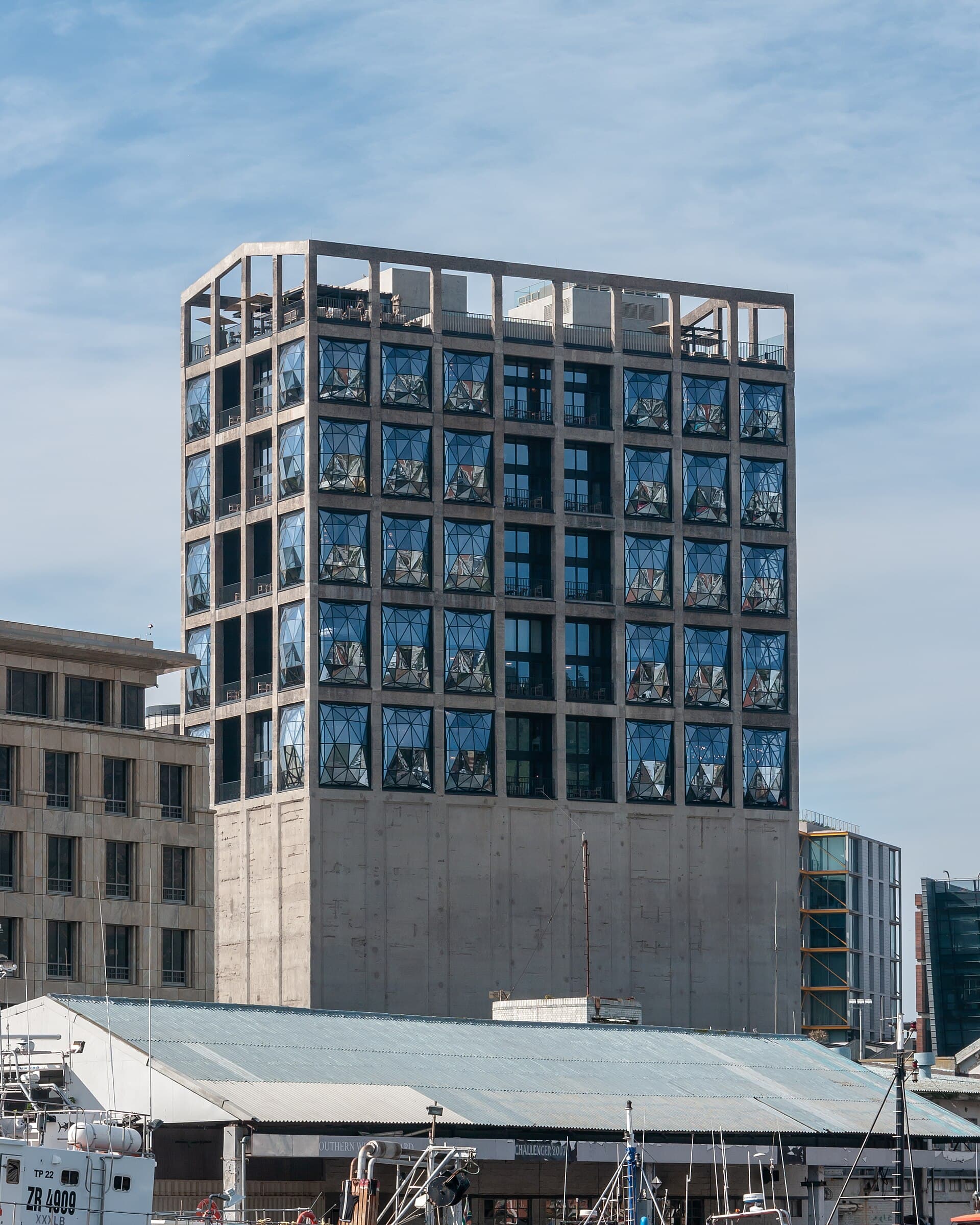 Zeitz MOCAAThe largest museum of contemporary art from Africa and its diaspora, opened in 217 minutes walk4.3
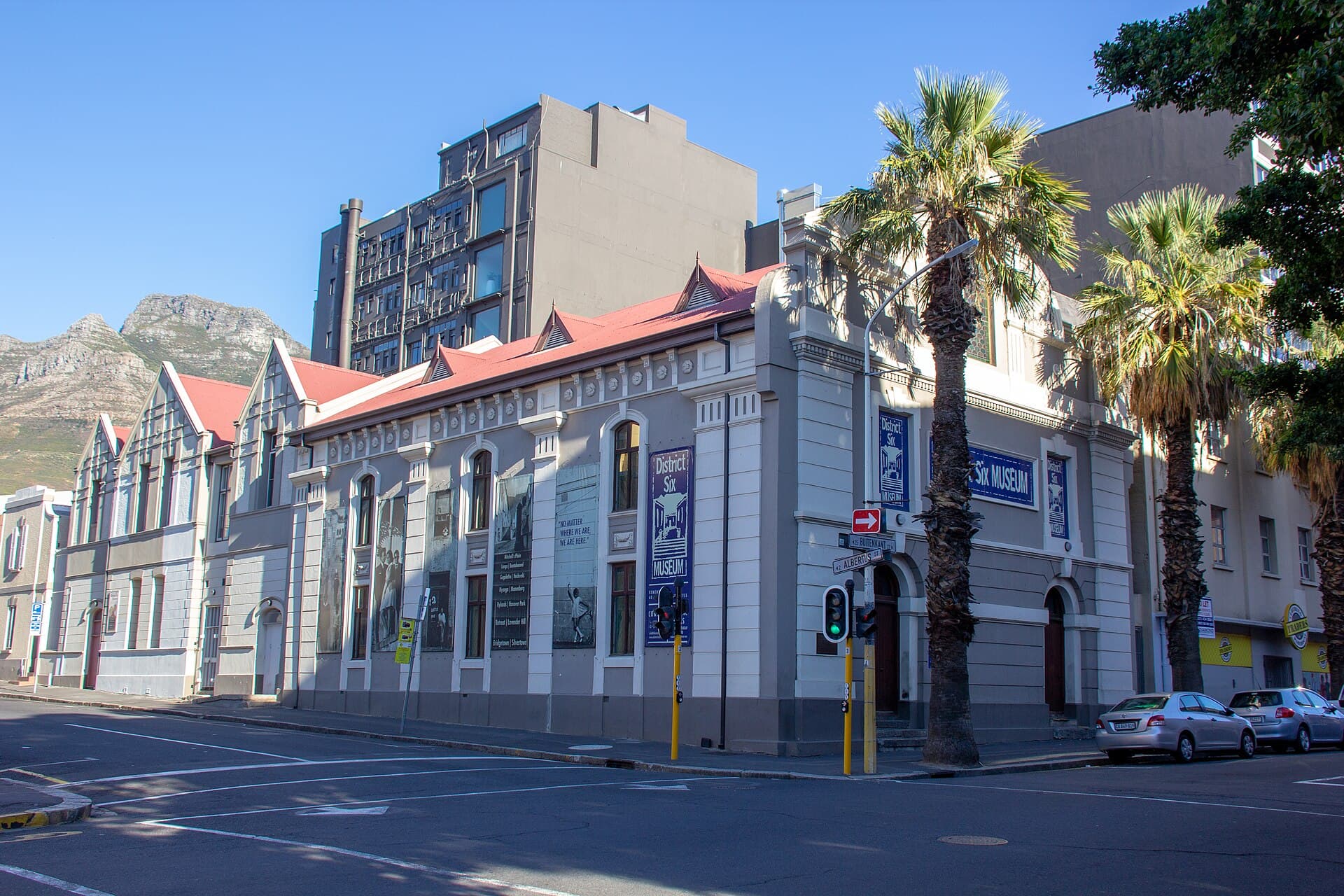 District Six MuseumA small, moving museum in an old church in central Cape Town that tells the stor17 minutes walk4.3
Descendants of slaves and exiles the Dutch brought from Indonesia, Malaya and beyond, who kept their Islam and founded the country's first mosques.