
The Sassetti Chapel
Ghirlandaio moves the life of St Francis into the Florence of the 1480s, with the real faces of the Medici standing in the crowd.
LivornoDP — CC BY-SA 3.0 · Francesco Bini — CC BY-SA 4.0 · Francesco Bini — CC BY-SA 4.0 · Francesco Bini — CC BY-SA 4.0
Stand in Piazza Santa Trinita, walk through the door, and you will find the same piazza painted on the wall in front of you. That is the trick that made the Sassetti Chapel famous. When Francesco Sassetti, general manager of the Medici bank, commissioned Domenico Ghirlandaio to fresco the life of St Francis here between 1483 and 1485, the painter declined to set it in thirteenth-century Assisi. He set it in the Florence outside his own window. The pope confirming the Franciscan rule happens in Piazza della Signoria, with Palazzo Vecchio and the Loggia dei Lanzi behind; the miracle of the revived boy happens in this very square, with Palazzo Spini still drawn as a fortress and the church's own older Gothic front standing where you just came in. The onlookers are real people whose names are known — Lorenzo de' Medici and his sons, the poet Poliziano, the donor himself. It amounts to a group portrait of the men who ran the city, smuggled into a work of devotion. The church is older than its face suggests. Vallombrosan monks founded it in the eleventh century, the Gothic rebuilding began around 1250 and ran on into the early fifteenth, and Bernardo Buontalenti added the sober Mannerist facade in 1593-94. The effect is deliberately misleading: a composed classical exterior, and behind it a grey, high, narrow-windowed Gothic interior that looks like a different building. Beyond the Sassetti Chapel, give a minute to the Bartolini Salimbeni Chapel, frescoed by Lorenzo Monaco between 1420 and 1425 and one of the finest surviving International Gothic cycles in Florence, plus a wooden Magdalene begun by Desiderio da Settignano and finished by Benedetto da Maiano, and Luca della Robbia's marble tomb for Bishop Federighi. Cimabue's great altarpiece left the high altar long ago for the Uffizi — a useful reminder that much of what museums queue you up for was taken out of churches like this one. The honest Florence question is not whether a place is beautiful but why you would come here instead of the Uffizi or the Accademia. Straight answer: if you have two days and it is your first visit, Santa Trinita is not a priority and it substitutes for neither. What it offers is a serious work of art with no ticket, no booking and no queue, in a city where the headline sights sell out weeks ahead, five minutes' walk from Ponte Vecchio — which makes it the ideal filler for the awkward half hour before an Uffizi slot. For a second or third visit to Florence, or for anyone who cares more about painting than about ticking off famous names, it is one of the best deals in the city: a first-rank fresco cycle in a room you may well have to yourself. Worth noting too that Santa Croce charges ten euro and Santa Maria Novella charges as well; this one does not. Practical points. The church shuts from midday until four in the afternoon, and that is what wrecks most visits here, so aim for early morning or late afternoon. The Sassetti Chapel opens off the right transept and is genuinely dark; a coin box takes a one-euro piece to light the frescoes for a few minutes — bring the coin or you will miss half of what you came for. This is a working church rather than a museum: modest dress, low voices, and daily masses worth avoiding. The content is fine for children but will not hold them long. The church is listed as accessible for wheelchair users. The surrounding streets are Via de' Tornabuoni, meaning luxury shopfronts and expensive coffee; halal options cluster nearer Santa Maria Novella station and the San Lorenzo market, roughly ten minutes on foot. There is no prayer room inside.
Ghirlandaio moves the life of St Francis into the Florence of the 1480s, with the real faces of the Medici standing in the crowd.
Lorenzo Monaco's cycle of 1420-25, among the purest International Gothic left in Florence, and one most visitors walk straight past.
Unlike Santa Croce and Santa Maria Novella, there is nothing to pay and nothing to book — useful in a city that is otherwise sold out.
Piazza di Santa Trinita, 50123 Florence, Italy
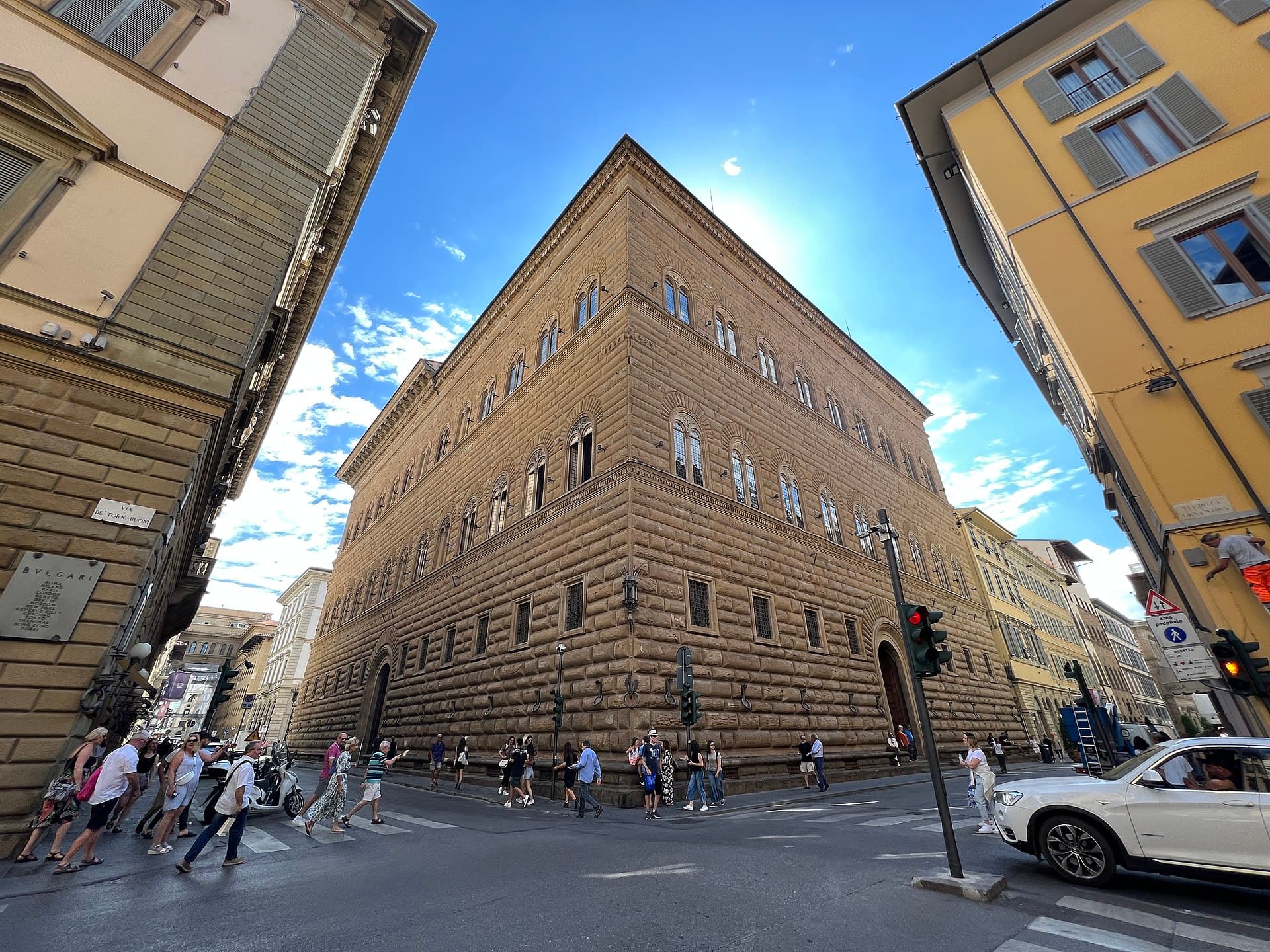 Palazzo StrozziFlorence's most complete private Renaissance palace — and today its exhibition p2 minutes walk4.7
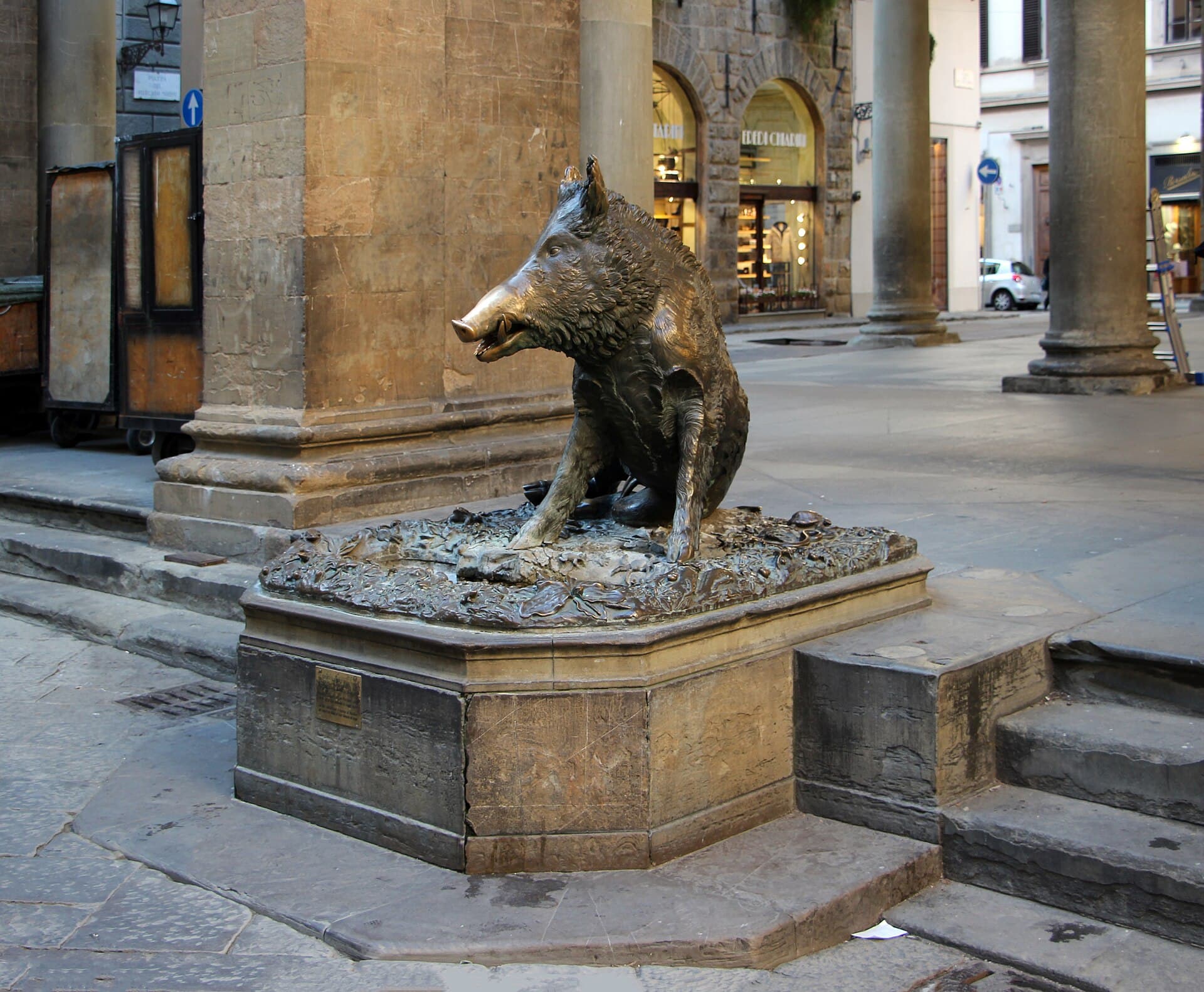 The Fountain of the Little PigA bronze fountain in the form of a wild boar in the Loggia del Mercato Nuovo in 4 minutes walk4.6
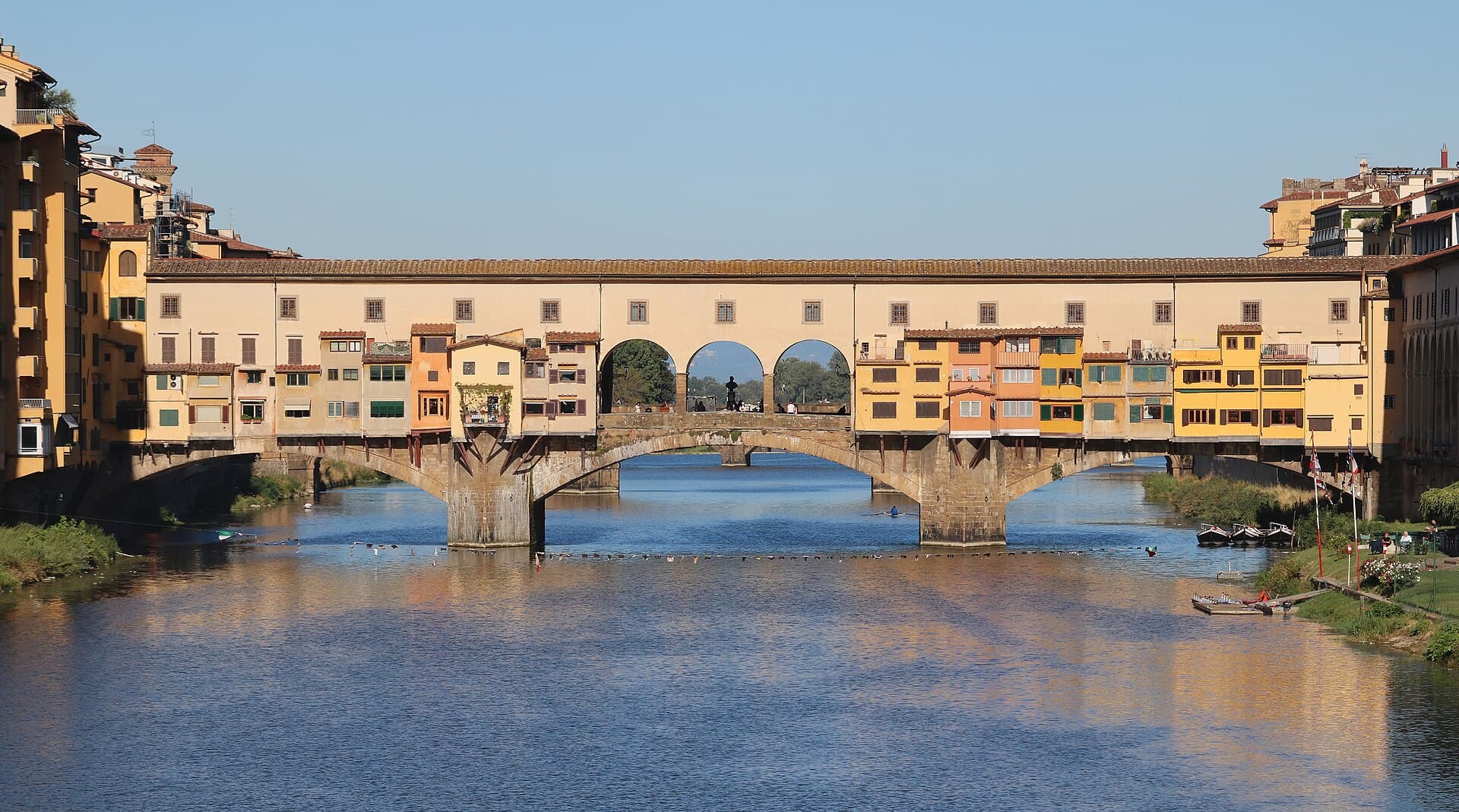 Ponte VecchioThe Ponte Vecchio is Italy's most famous bridge and its strangest survivor: a 134 minutes walk4.6
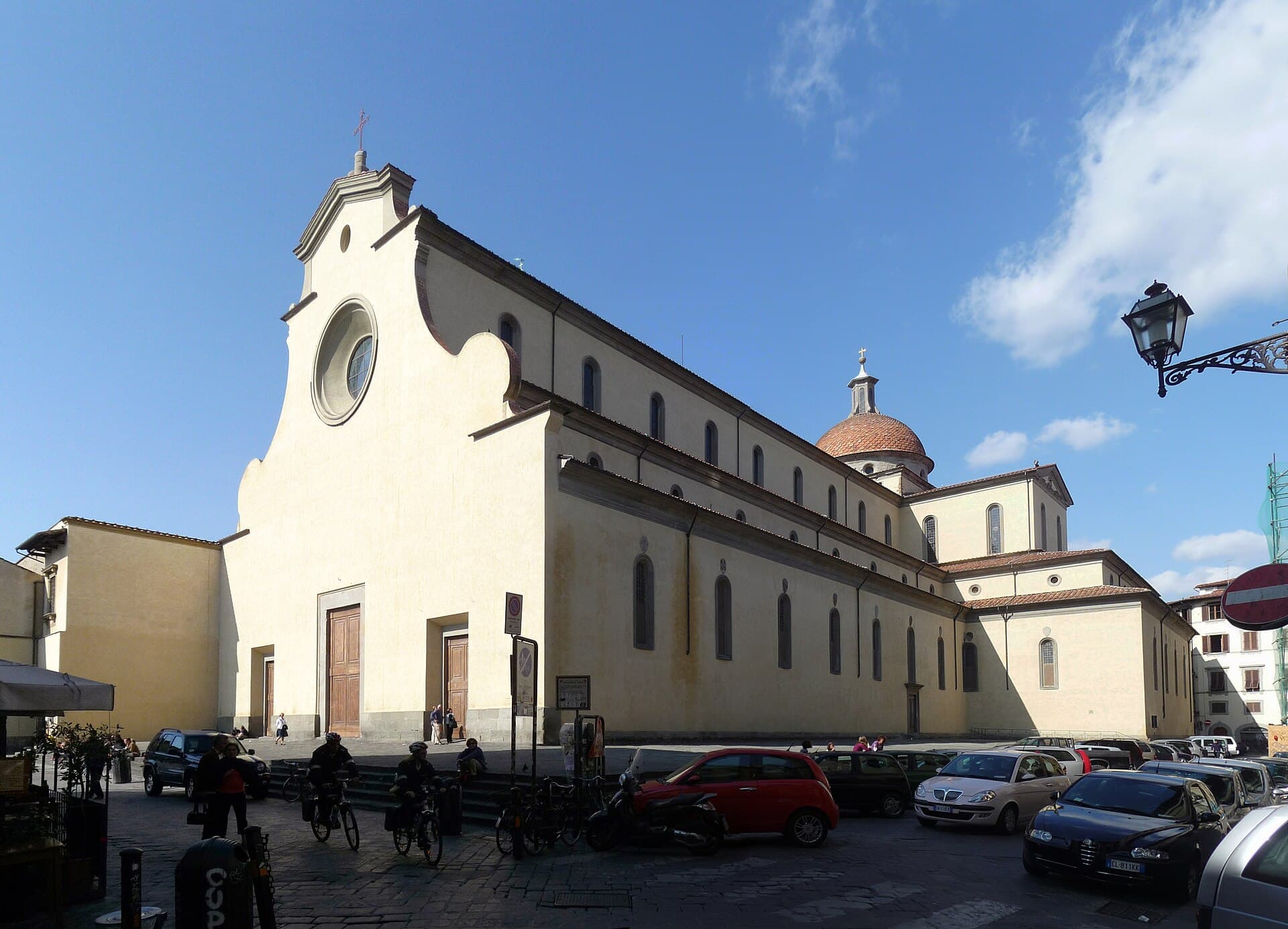 Basilica of Santo SpiritoAround 1492 a boy of about seventeen struck a bargain with the Augustinian friar4 minutes walk4.5
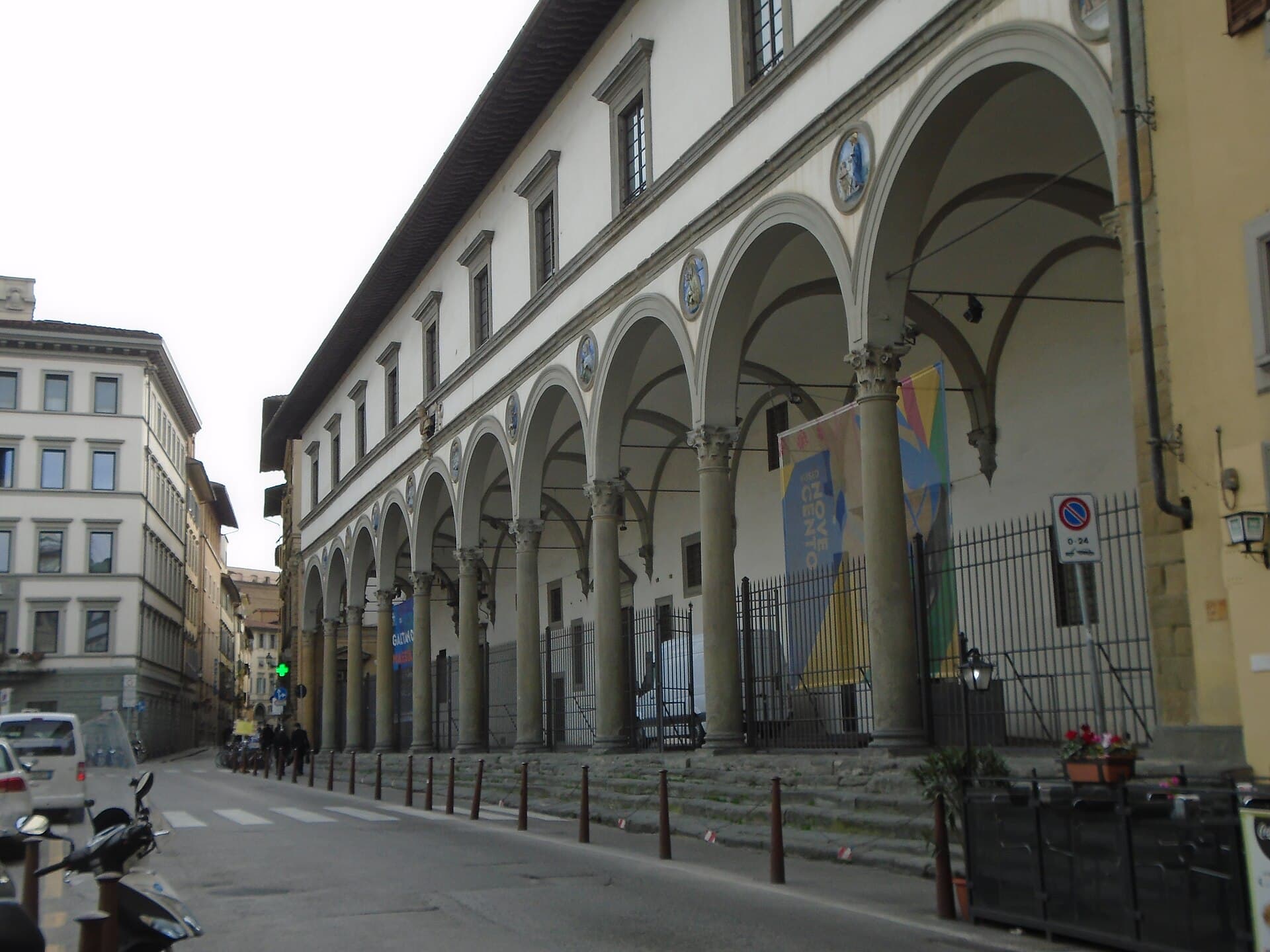 Museo NovecentoA museum of twentieth-century Italian art on the Piazza Santa Maria Novella in c4 minutes walk3.8
Probably not as a destination in its own right. With two days your priorities are the Uffizi, the Duomo complex and the Accademia, all of which need booking ahead. But Santa Trinita sits on the walk to Ponte Vecchio, costs nothing and has no queue, so if you have a spare half hour before a timed slot it is the best possible use of it — provided that half hour is not between noon and four, when the church is closed. On a second visit to Florence, put it on the list without hesitation.
No. The interior is Gothic with narrow windows, and the chapel opens off the right transept in near-permanent gloom. A box takes a one-euro coin and lights the scenes for only a few minutes, so bring the coin rather than hoping someone else feeds it. Early morning, just after opening, is the best moment: the church is close to empty and you can stand in front of the wall as long as you like.