
The gun embrasures
Looking out of the rock over the Alzette valley.
Zinneke — CC BY-SA 3.0 · Cayambe — CC BY-SA 4.0 · Pudelek (Marcin Szala) — CC BY-SA 3.0 · Flocci Nivis — CC BY 4.0
The Bock Casemates are a network of tunnels cut inside the rock beneath the old town, and they are why Luxembourg was called the Gibraltar of the North for centuries: a fortress reckoned among the strongest in Europe, not for its walls above ground but for what lay under them. The Spanish began cutting them in 1644, the French extended them under the engineer Vauban, and the Austrians after them, until the total length reached some twenty-three kilometres on several levels — roads, stores, workshops, stables and gun positions inside the rock, enough to shelter thousands of soldiers and their horses. When the Treaty of London in 1867 required the fortifications to be dismantled and Luxembourg neutralised, most of what stood above ground was demolished, but the tunnels were not filled in, because filling them threatened the city above with collapse — only their entrances were sealed. Today about seventeen kilometres can be walked, and the gun embrasures look out over the Alzette valley. The site is on the World Heritage list.
Looking out of the rock over the Alzette valley.
Roads, stores and stables stacked inside the rock.
Montee de Clausen, 1653 Luxembourg
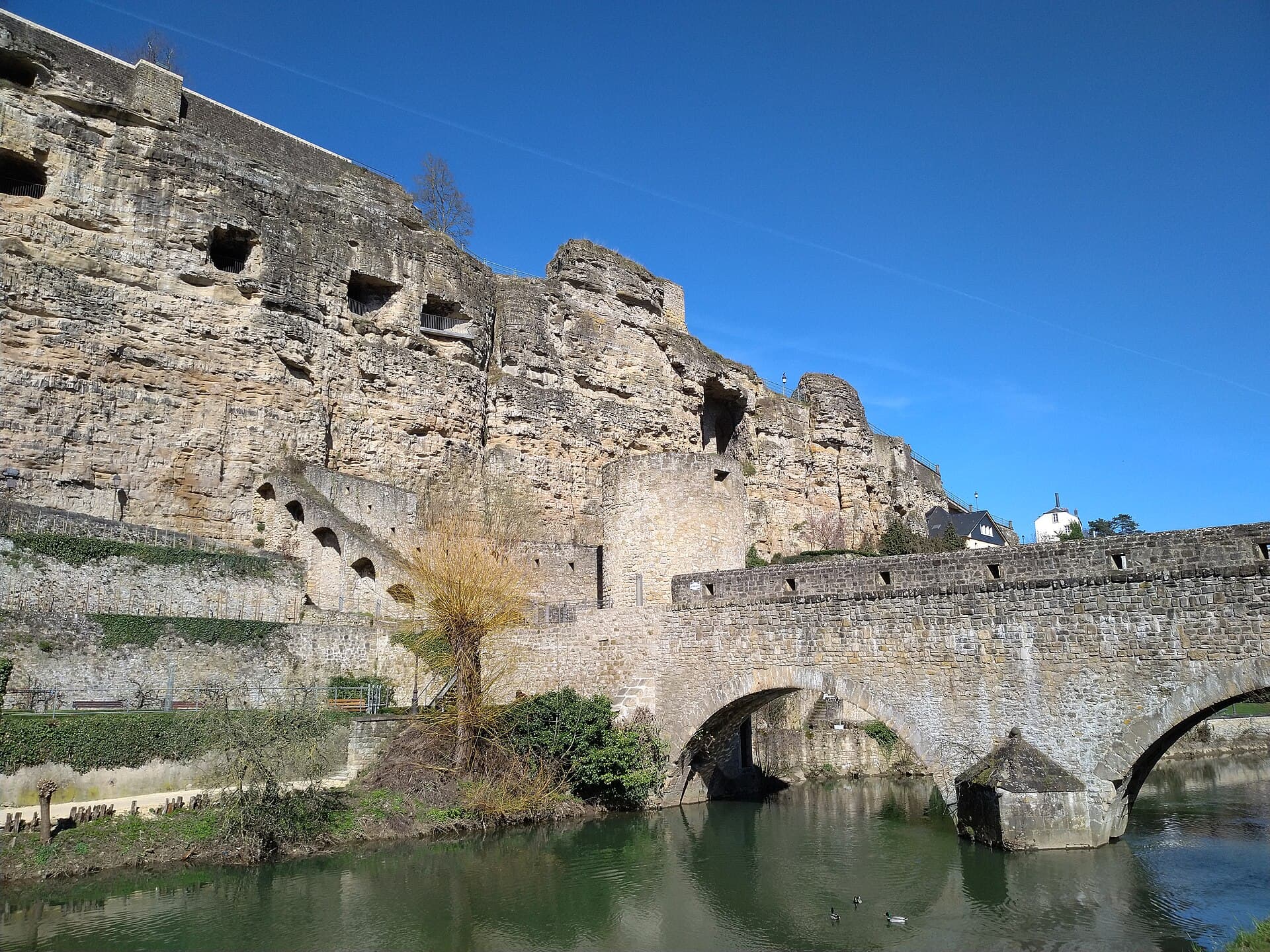 The Stierchen BridgeThe Stierchen is a small stone bridge crossing the Alzette in the Grund, and clo1 minute walk4.9
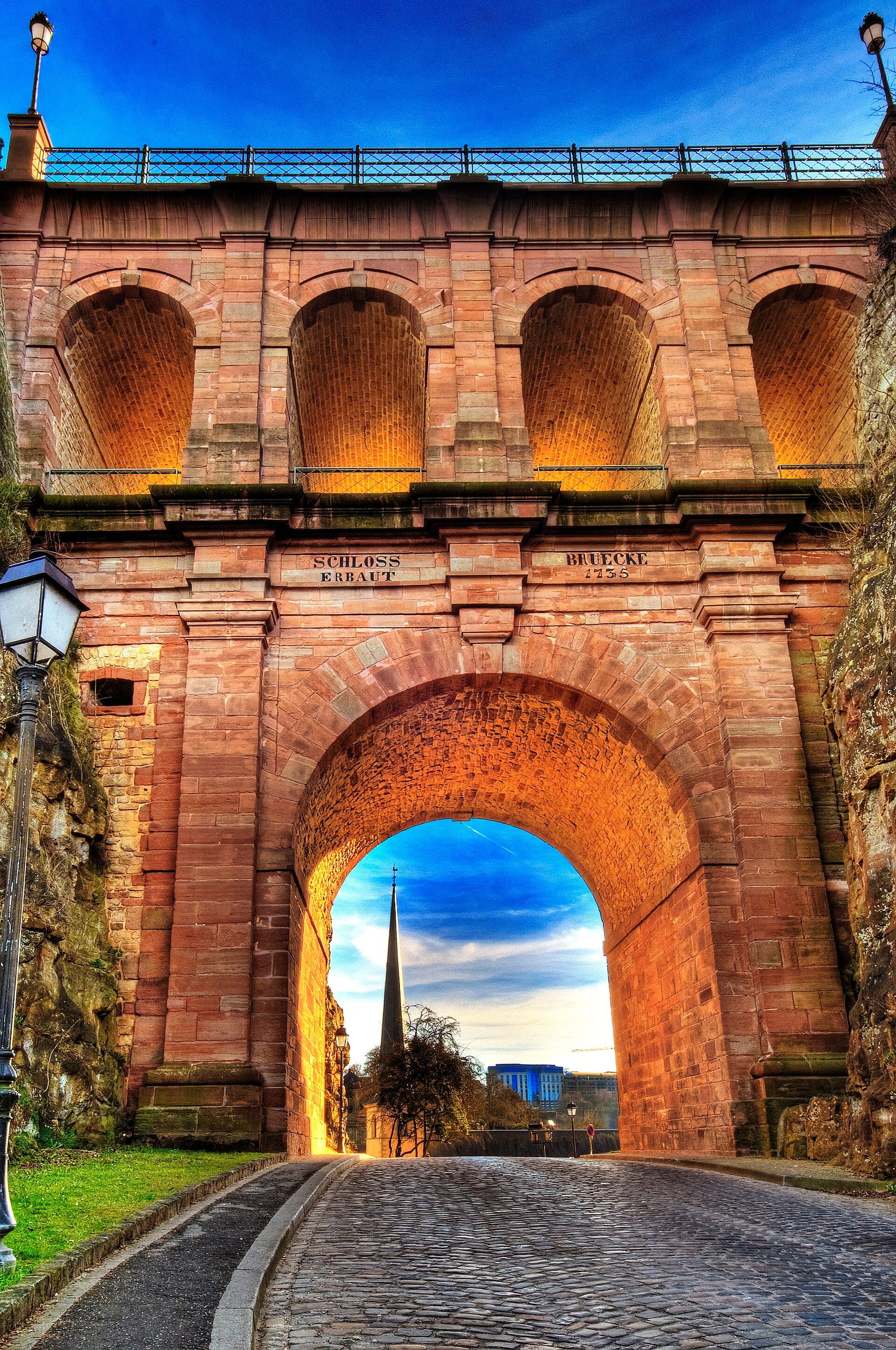 The Castle BridgeA short stone bridge linking the upper town to the Bock promontory, and the only1 minute walk4.6
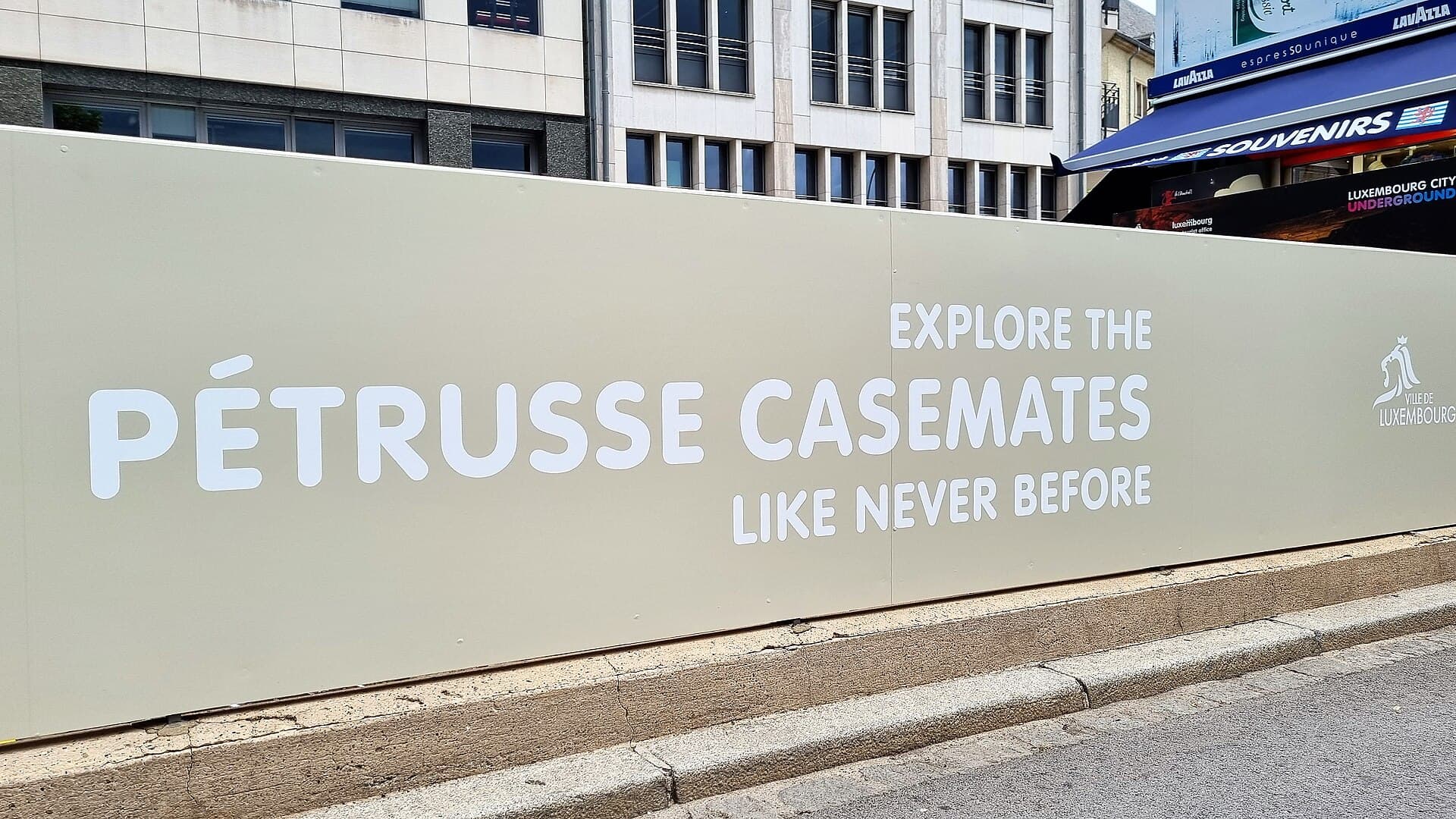 The Pétrusse CasematesThe Pétrusse Casemates are the second network of military tunnels beneath Luxemb1 minute walk4.7
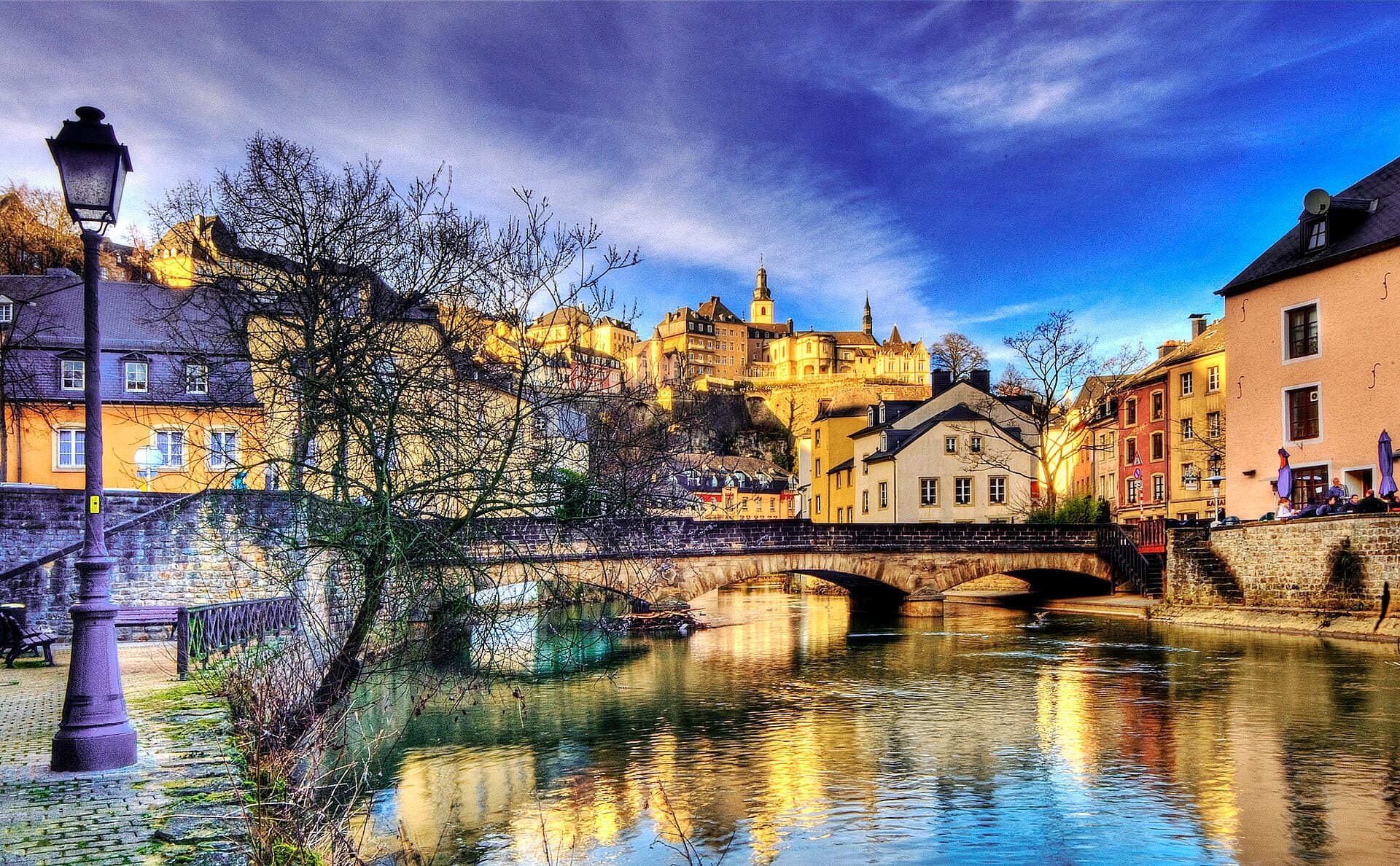 The GrundThe Grund is the quarter in the valley floor directly beneath the upper town, on1 minute walk
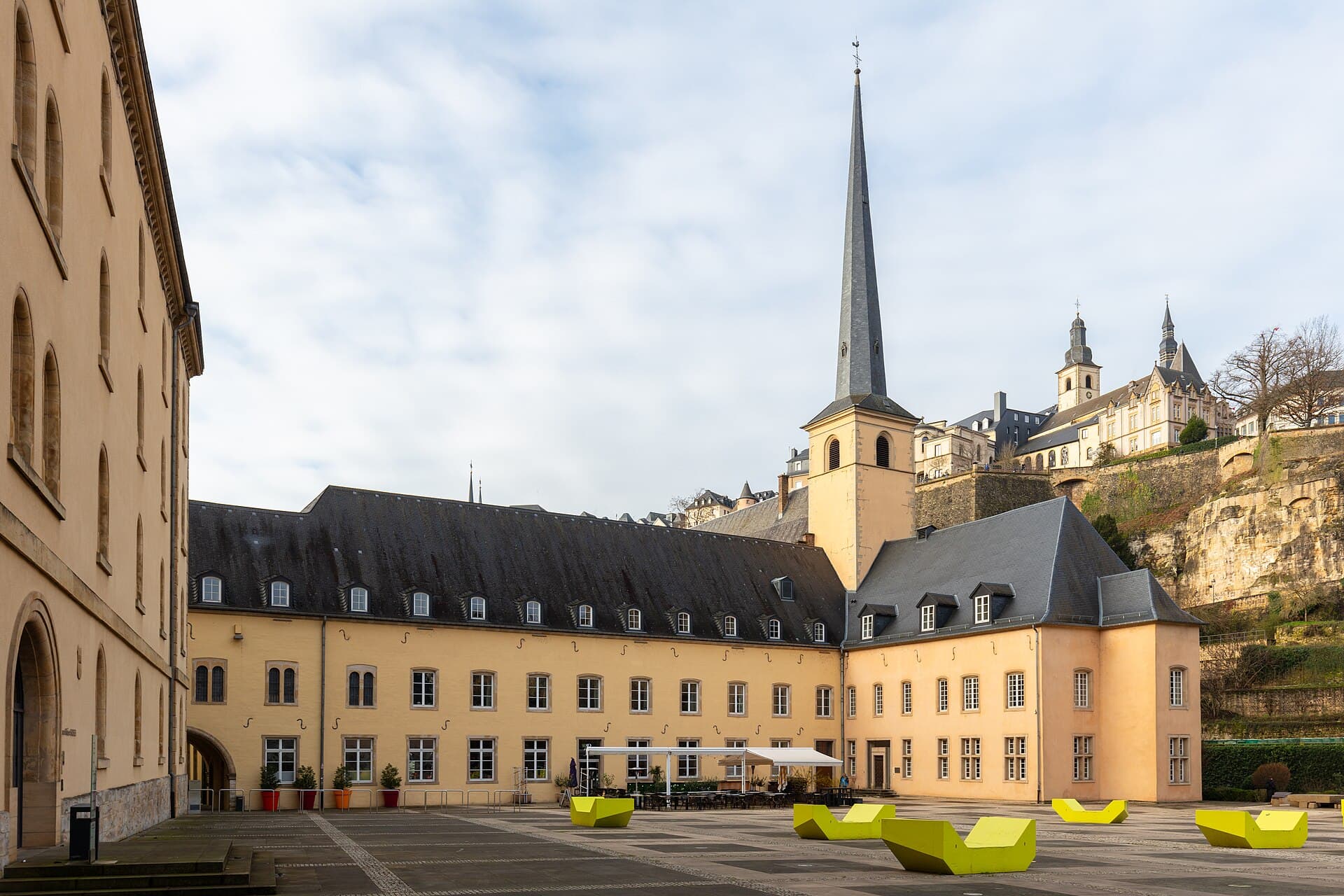 Neumünster AbbeyNeumünster Abbey is a broad white complex on the floor of the Grund valley besid2 minutes walk4.5
Two separate networks in the same city. The Bock casemates run under the Bock rock to the east, where the city began, entered near the Montée de Clausen, and they are the better known and the more visually striking. The Pétrusse casemates lie under the Place de la Constitution to the west, are less crowded, and are usually visited only with a guide and on fewer dates. With time for one, choose the Bock.