
The open courtyards
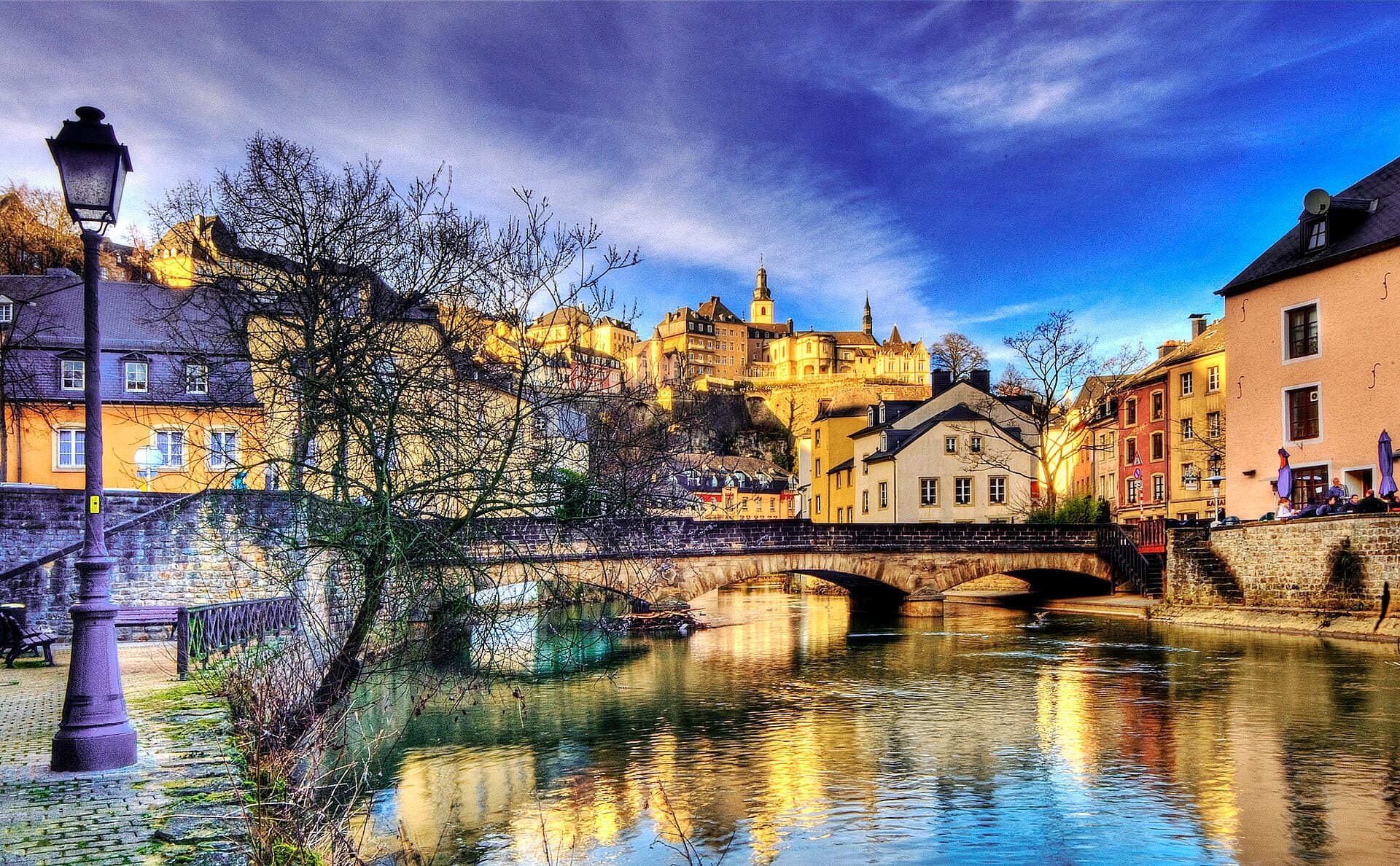
Free spaces on the Alzette bank.
Diego Delso — CC BY-SA 4.0 · Dietmar Rabich — CC BY-SA 4.0 · Dietmar Rabich — CC BY-SA 4.0 · Diego Delso — CC BY-SA 4.0
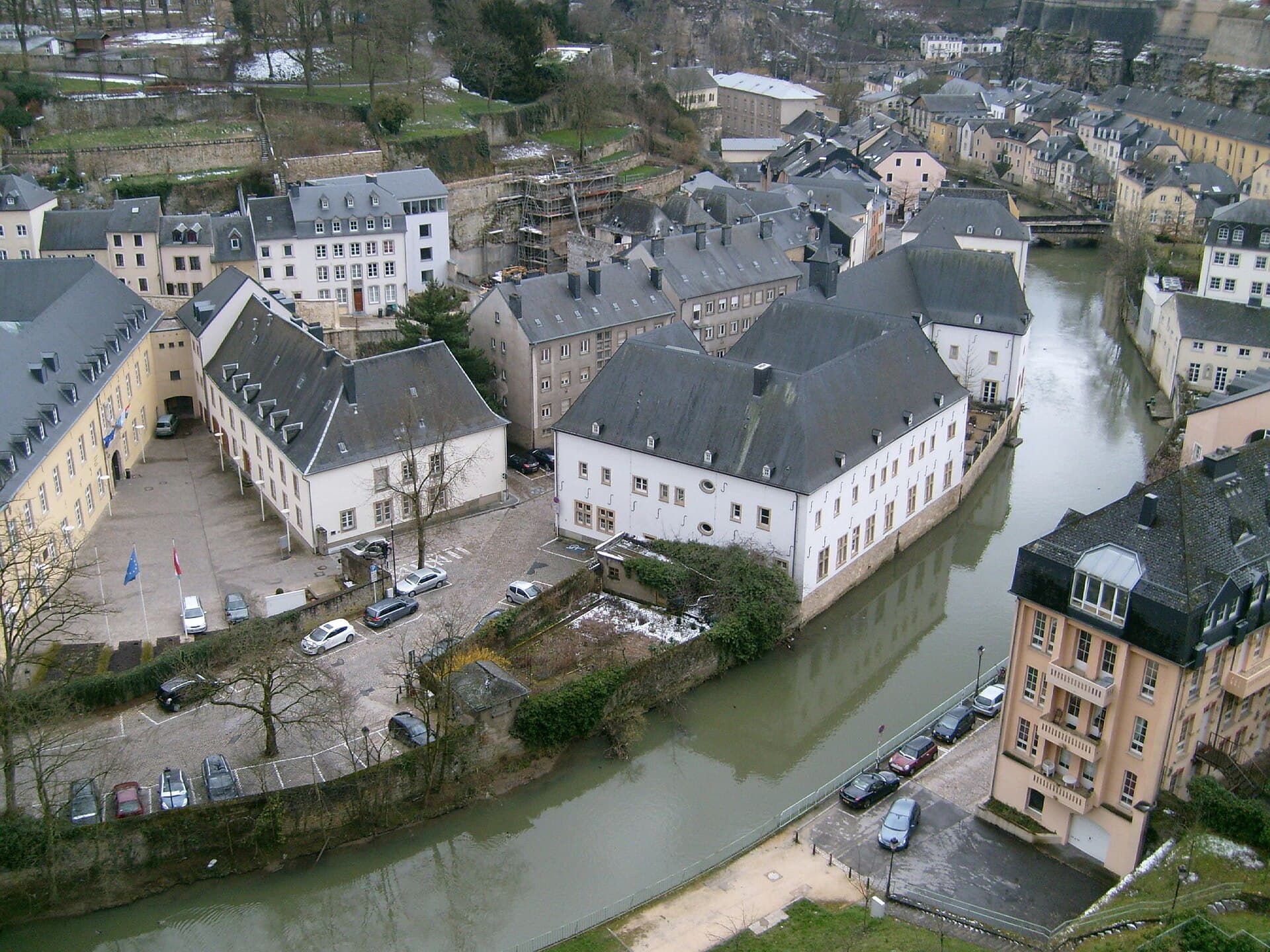
Neumünster Abbey is a broad white complex on the floor of the Grund valley beside the Alzette, and today a cultural centre — but the history of its uses is more interesting than its architecture. It was built as a Benedictine abbey in 1606 after the previous monastery was destroyed. The French Revolution confiscated it and turned it into a police station and then a prison. It remained a prison through most of the nineteenth and twentieth centuries, and the Nazi occupation used it to hold Luxembourgish resistance members. It stayed the state prison until 1984, when the prison moved elsewhere. The complex stood empty for years, then was restored and reopened in 2004 as a public cultural centre: exhibition and concert halls, cloisters, a cafe and open courtyards, with free entry to the public spaces. The combination of a heavy past and an open present is deliberate, and the place is the quietest part of the Grund by day.
Free spaces on the Alzette bank.
Seventeenth-century abbey architecture.
28 Rue Munster, 2163 Luxembourg
 The National Museum of Natural HistoryThe National Museum of Natural History is in the Grund, housed in the former Hos1 minute walk4.7
 The GrundThe Grund is the quarter in the valley floor directly beneath the upper town, on1 minute walk
 The Stierchen BridgeThe Stierchen is a small stone bridge crossing the Alzette in the Grund, and clo2 minutes walk4.9
 The Chemin de la CornicheThe Chemin de la Corniche is a short walk running along the top of the old rampa2 minutes walk
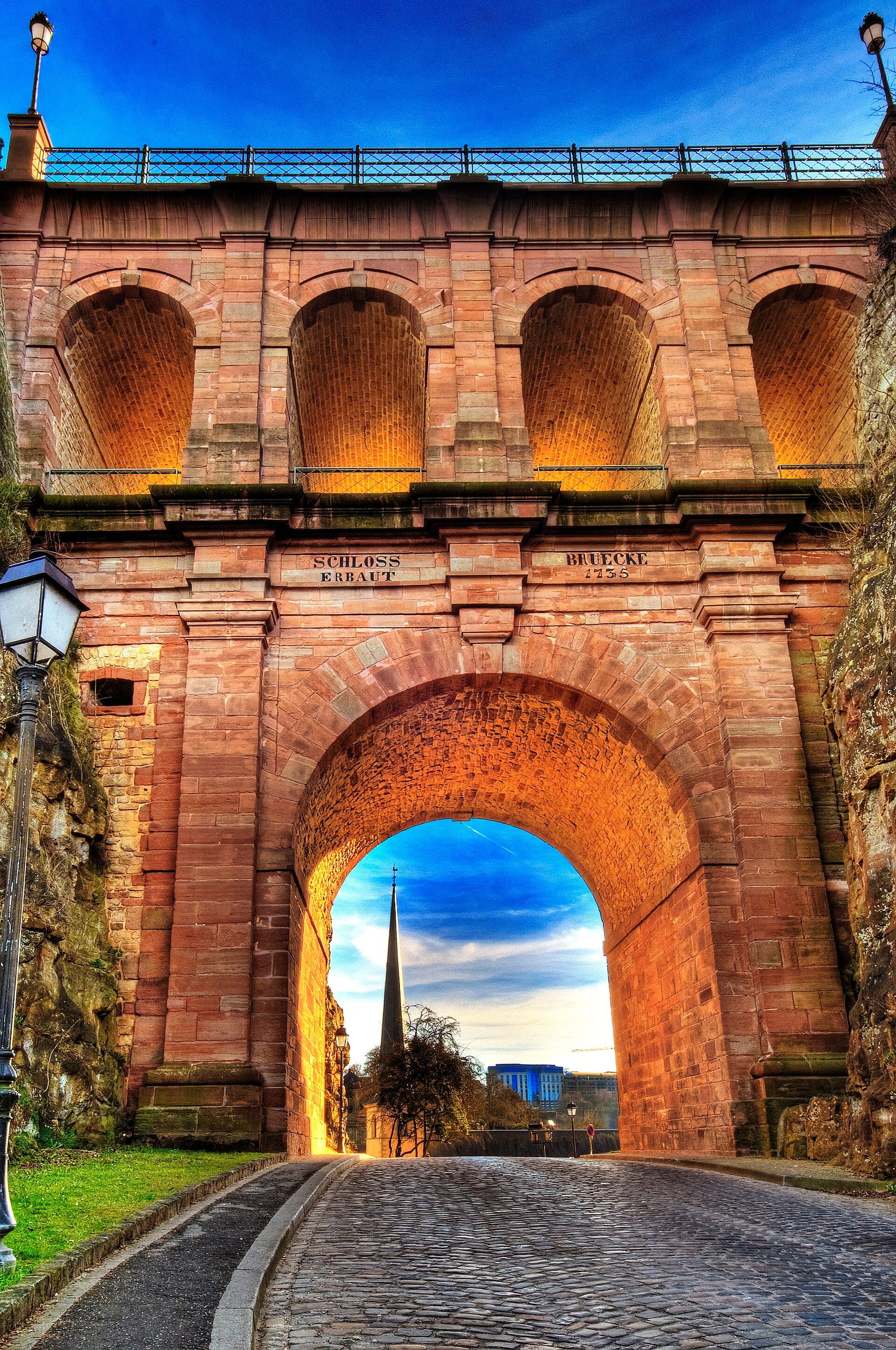 The Castle BridgeA short stone bridge linking the upper town to the Bock promontory, and the only2 minutes walk4.6
Civilian networks that resisted the German annexation after 1940: smuggling men avoiding forced conscription across the border, forging papers, distributing leaflets, and the 1942 general strike against compulsory military service — the most prominent act, put down under martial law with executions. Many of those arrested were held here at Neumünster before deportation. The country's monuments and museums return to this story constantly.