
The domed entrance hall
A large round hall beneath the dome with an equestrian statue at its centre — an impressive entrance.
Thomas Wolf, www.foto-tw.de — CC BY-SA 3.0 · abbilder — CC BY 4.0 · Realpaperforest — CC BY-SA 4.0 · Jochen Sievert — CC BY-SA 4.0
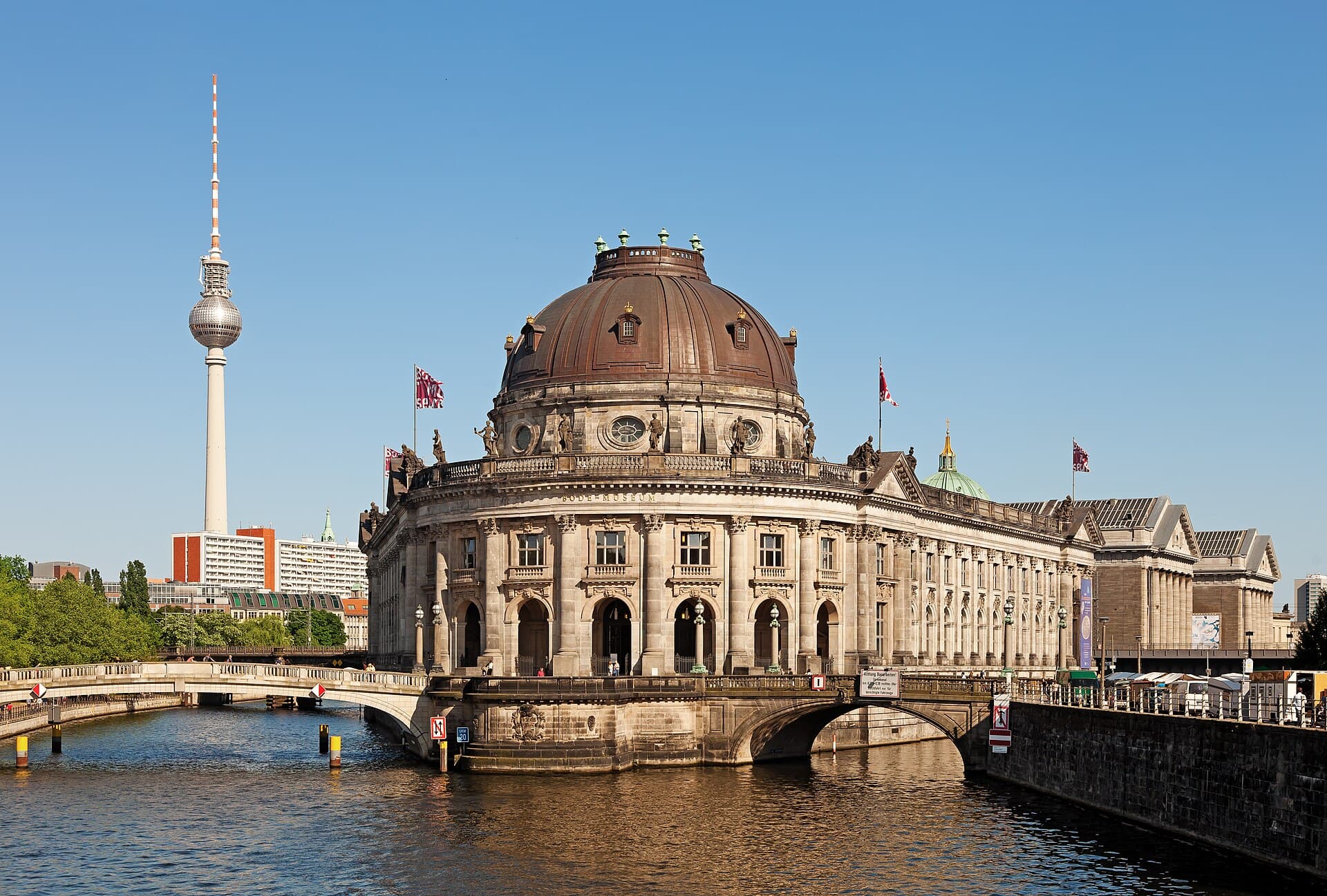
The Bode Museum stands at the northern tip of Museum Island where the two arms of the Spree meet, and its triangular shape under a dome makes it one of Berlin's handsomest buildings from outside. It opened in 1904, was restored after wartime damage and reopened in 2006. What it holds is different from its neighbours: European sculpture from the Middle Ages and the Renaissance, Byzantine art, and an enormous collection of old coins, among the largest numismatic collections in the world. It is far quieter than the crowded Pergamon and Neues museums, and that is its advantage: you can walk through it in comfort without crowds.
A large round hall beneath the dome with an equestrian statue at its centre — an impressive entrance.
Italian and German work in wood and marble, some of it among the most important surviving from the period.
One of the largest collections of ancient coins anywhere, with pieces going back before Christ.
Am Kupfergraben 1, 10117 Berlin
 Museum IslandMuseum Island is a small island in the river Spree in central Berlin carrying fi1 minute walk4.9
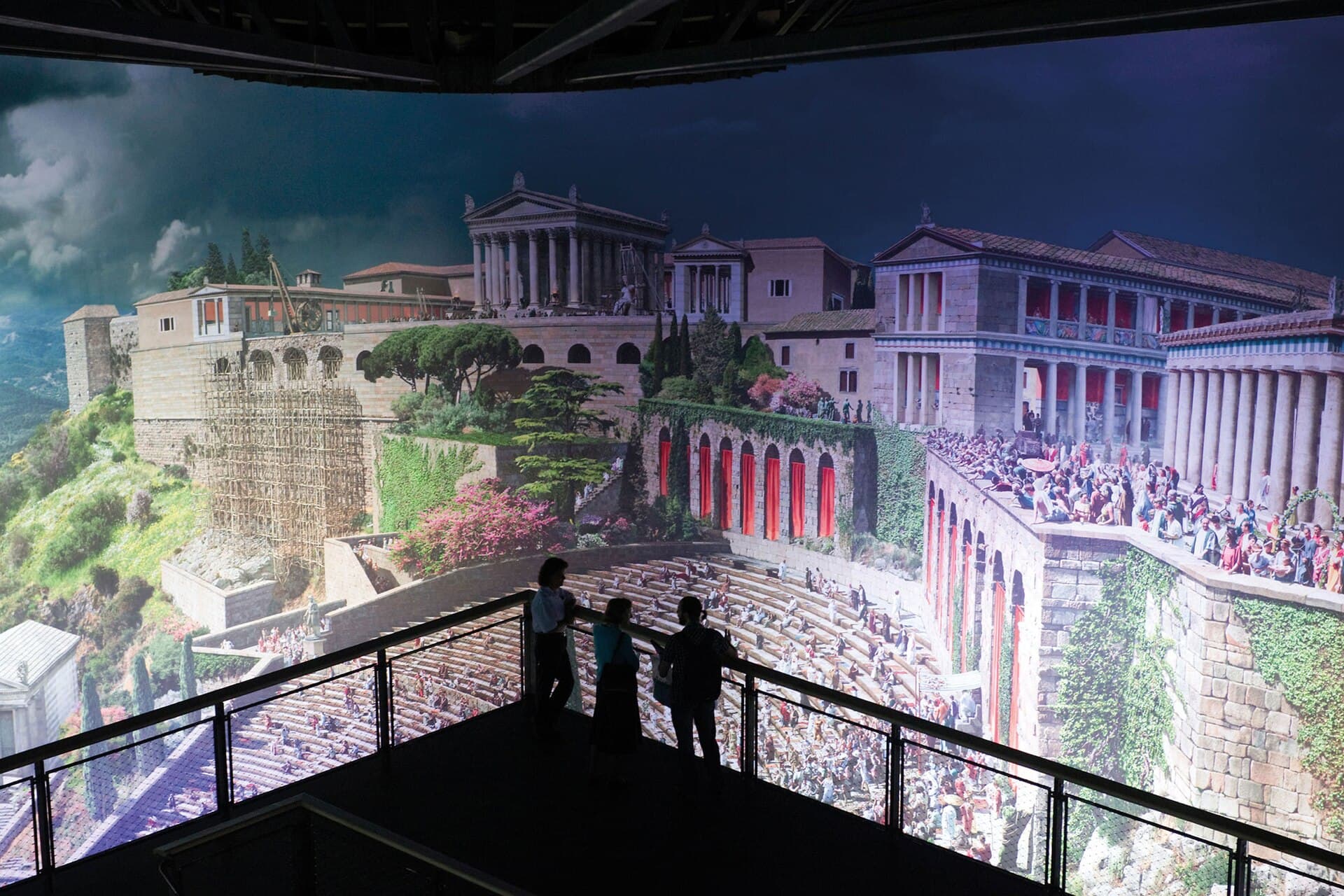 Pergamonmuseum. Das PanoramaThe Pergamon Museum — Berlin's most famous, with its Great Altar and Ishtar Gate2 minutes walk4.6
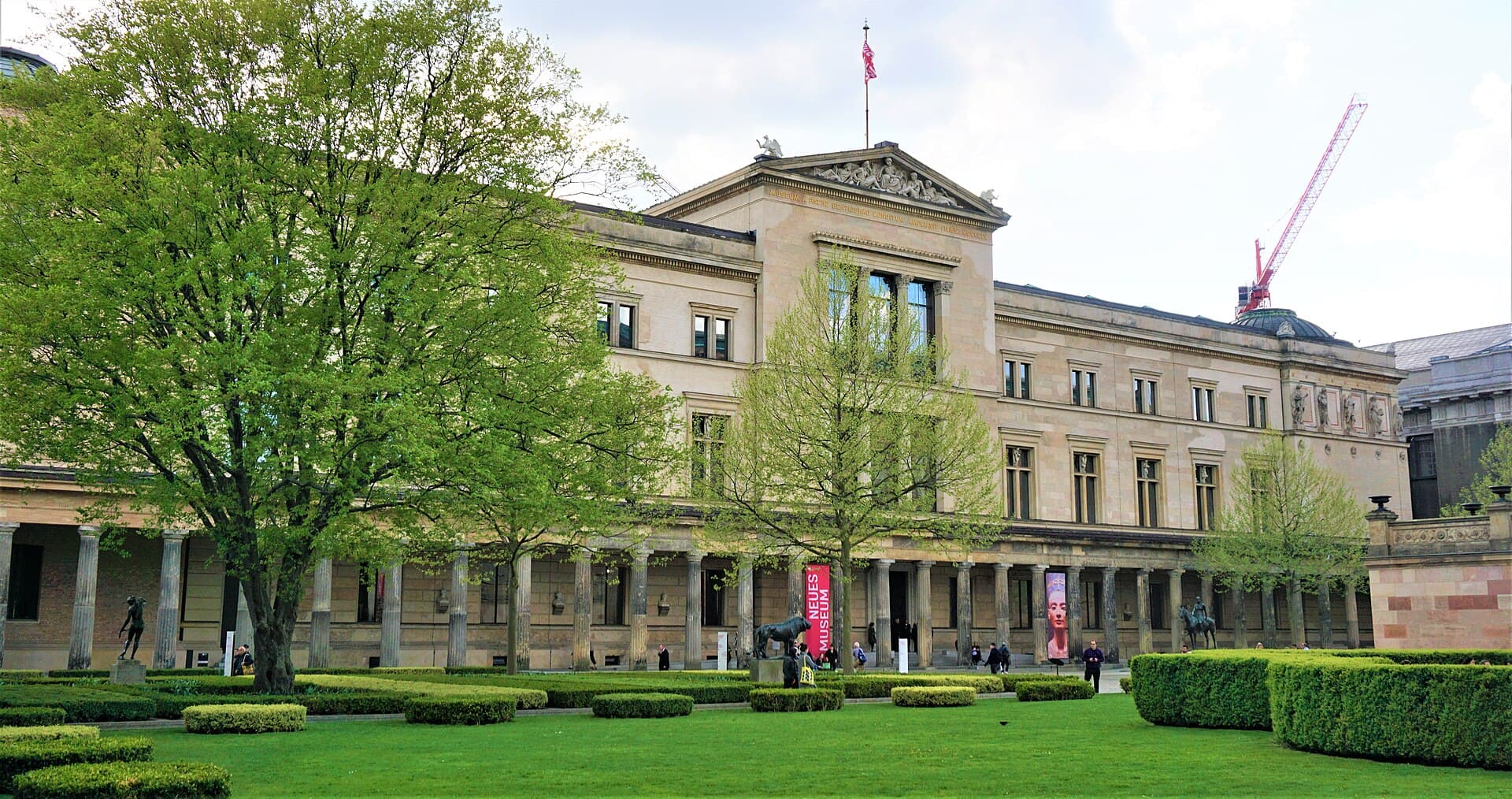 Neues MuseumThe Neues Museum on Museum Island is home to the most famous face in history: th3 minutes walk4.4
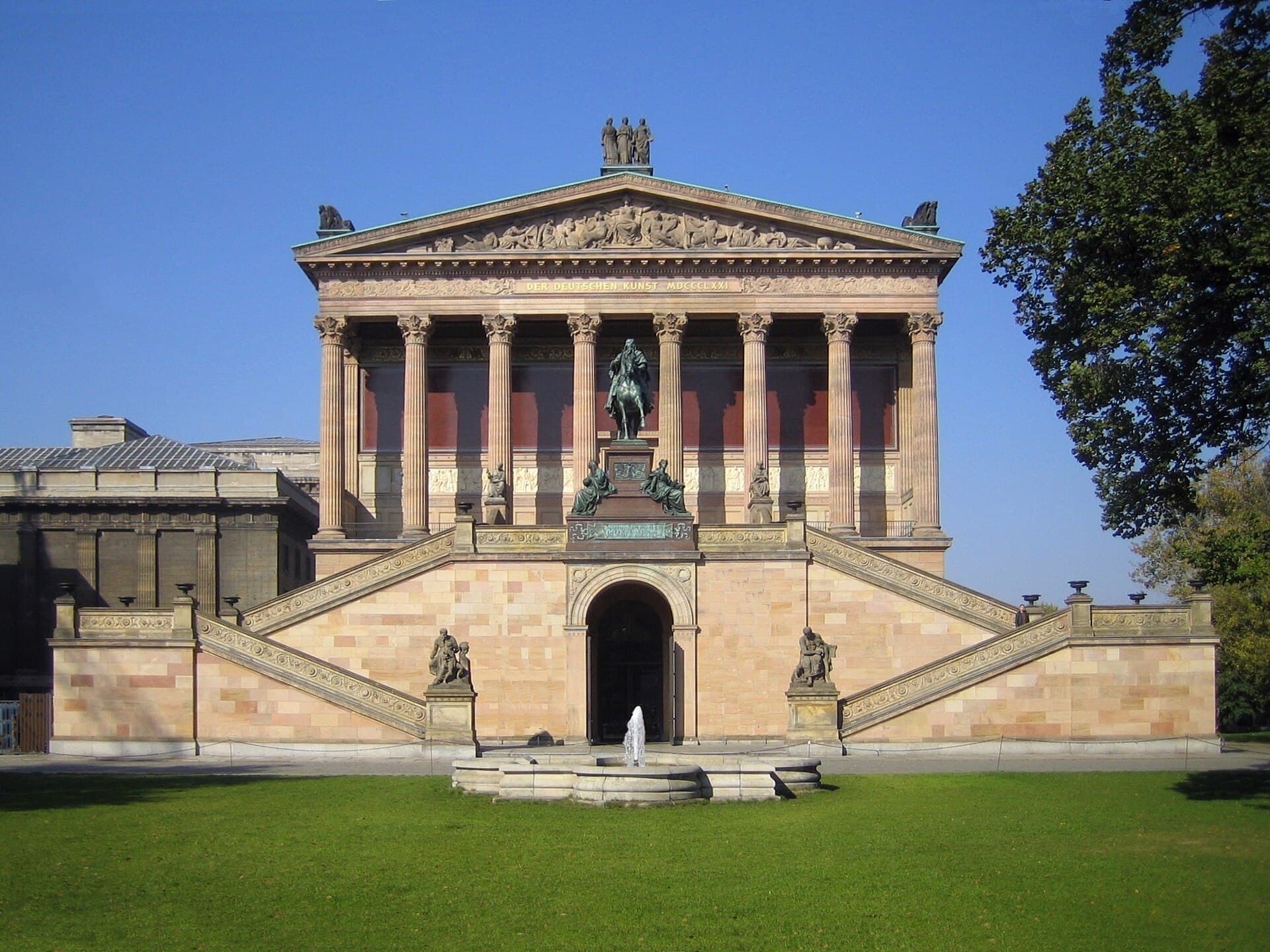 Alte NationalgalerieThe Alte Nationalgalerie is a temple-like building on Berlin's Museum Island hol3 minutes walk4.4
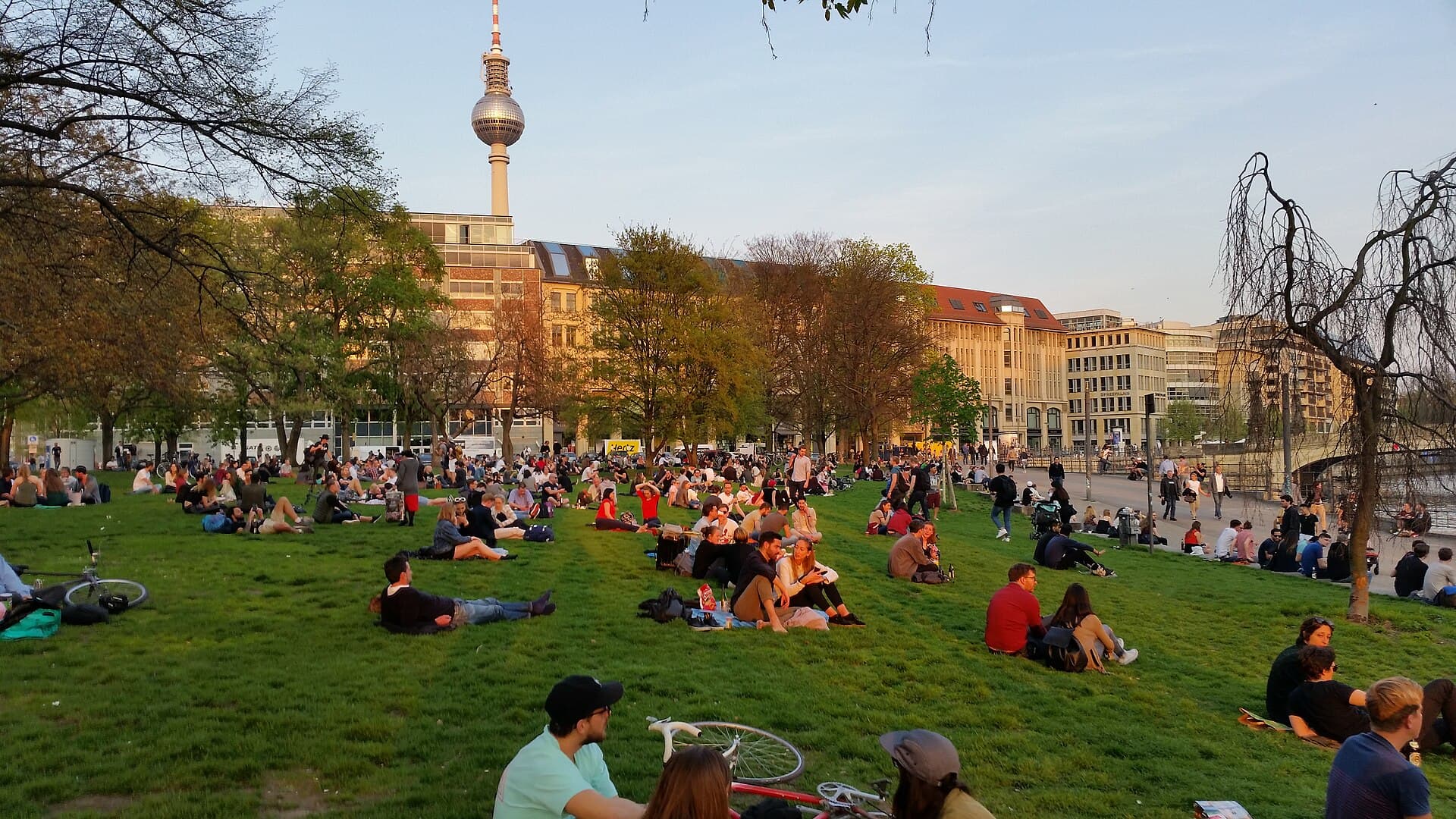 James-Simon-ParkJames-Simon-Park is a small stretch of grass on the bank of the Spree, right bes4 minutes walk4.6
The Bode for sculpture and Byzantine art, and it is the quietest; the Neues for ancient Egypt and Nefertiti; the Altes for Greece and Rome; the Alte Nationalgalerie for nineteenth-century art; and the Pergamon for Near Eastern antiquities, parts of which may be closed for renovation. Pick two in a day, no more.
An hour and a half to two hours. It is large but uncrowded, so you move through it faster than its neighbours. If sculpture is not a particular interest, an hour covers the domed hall and the highlights.
Yes — it is among the handsomest on the island. The triangular form under its dome where the river arms meet makes it one of Berlin's most photographed buildings, especially from the bridge opposite. Seeing it from outside costs nothing.