
The fishwives
The call inherited a full century.
Petnog — CC BY-SA 4.0 · Afsalgado — CC BY-SA 4.0 · LukaszKatlewa — CC BY 3.0 · Joseolgon — CC BY 4.0
Bolhão has been Porto's beating stomach since 1914: the two-storey open iron-and-glass market returned (2022) from a restoration that made it Europe's loveliest working historic market — and stubbornly stayed a real one: fishwives with their inherited call, northern cheeses and broa bread, farm flowers and greens beside modern tasting stalls. Its proper rite is the long breakfast: coffee and a Porto croissant (deliberately richer than the Parisian) then the stall round tasting cheese and olives — the upper floor a ring of small restaurant balconies with the market alive below: market lunch with its complete theatre. It is the centre day's obligatory balance: between crowded Lello and Clérigos, here Porto genuinely buys its fish — with Santa Catarina shopping street and the legendary Majestic café (1921) steps away: the eastern morning's triangle complete.
The call inherited a full century.
Lunch over the market as theatre.
Rua Formosa 322, 4000-248 Porto
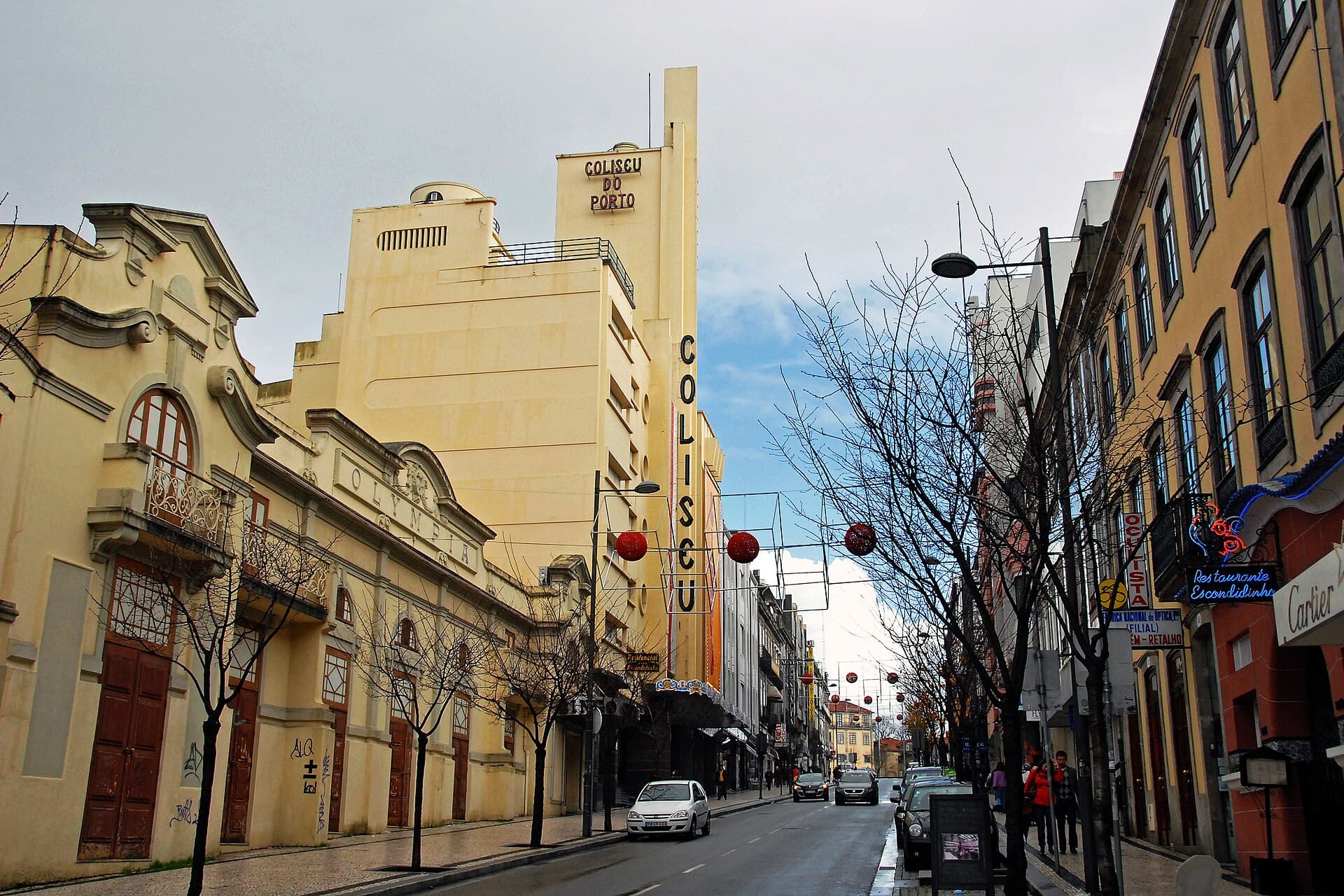 Coliseu do PortoA performance hall from 1941 in central Porto, among the city's most important e3 minutes walk4.4
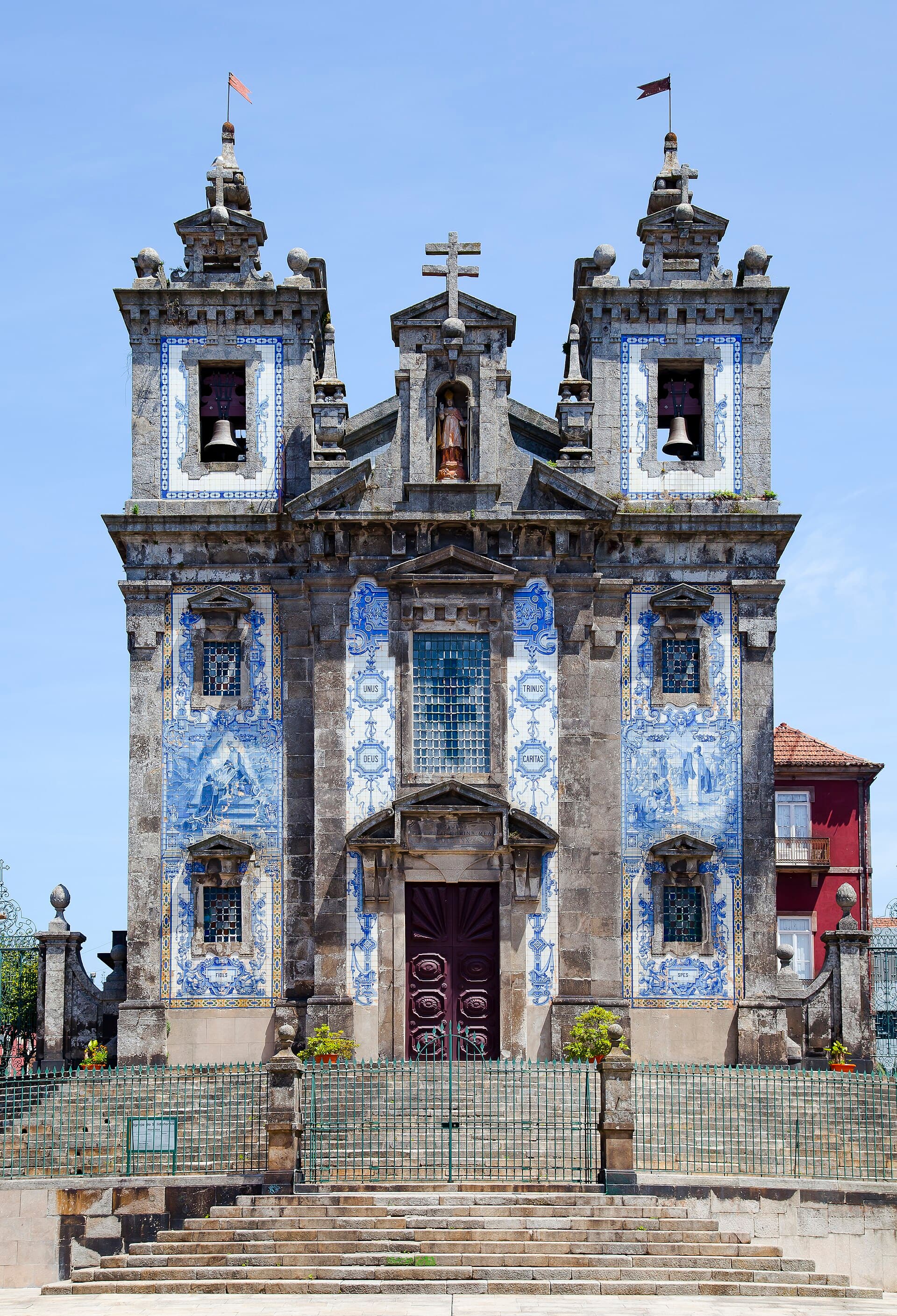 Church of Santo IldefonsoAn eighteenth-century church at the top of Rua de Santa Catarina, best known for4 minutes walk4.4
 São Bento StationSão Bento is the world's most beautiful rail hall by standing nomination: a 19166 minutes walk4.8
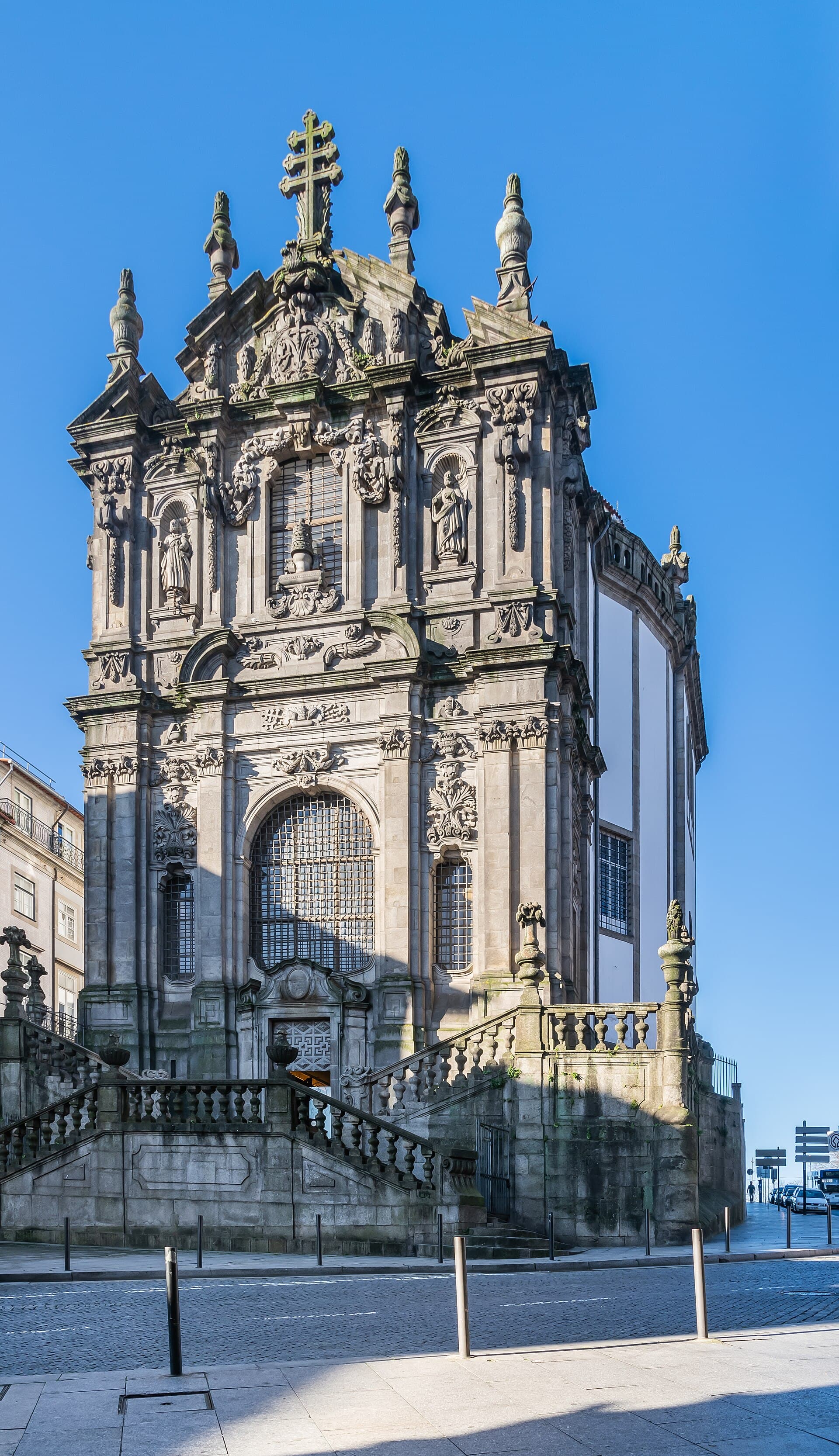 The Clérigos Tower & ChurchClérigos is Porto's sky needle: a 75-metre bell tower that stood two centuries a9 minutes walk4.5
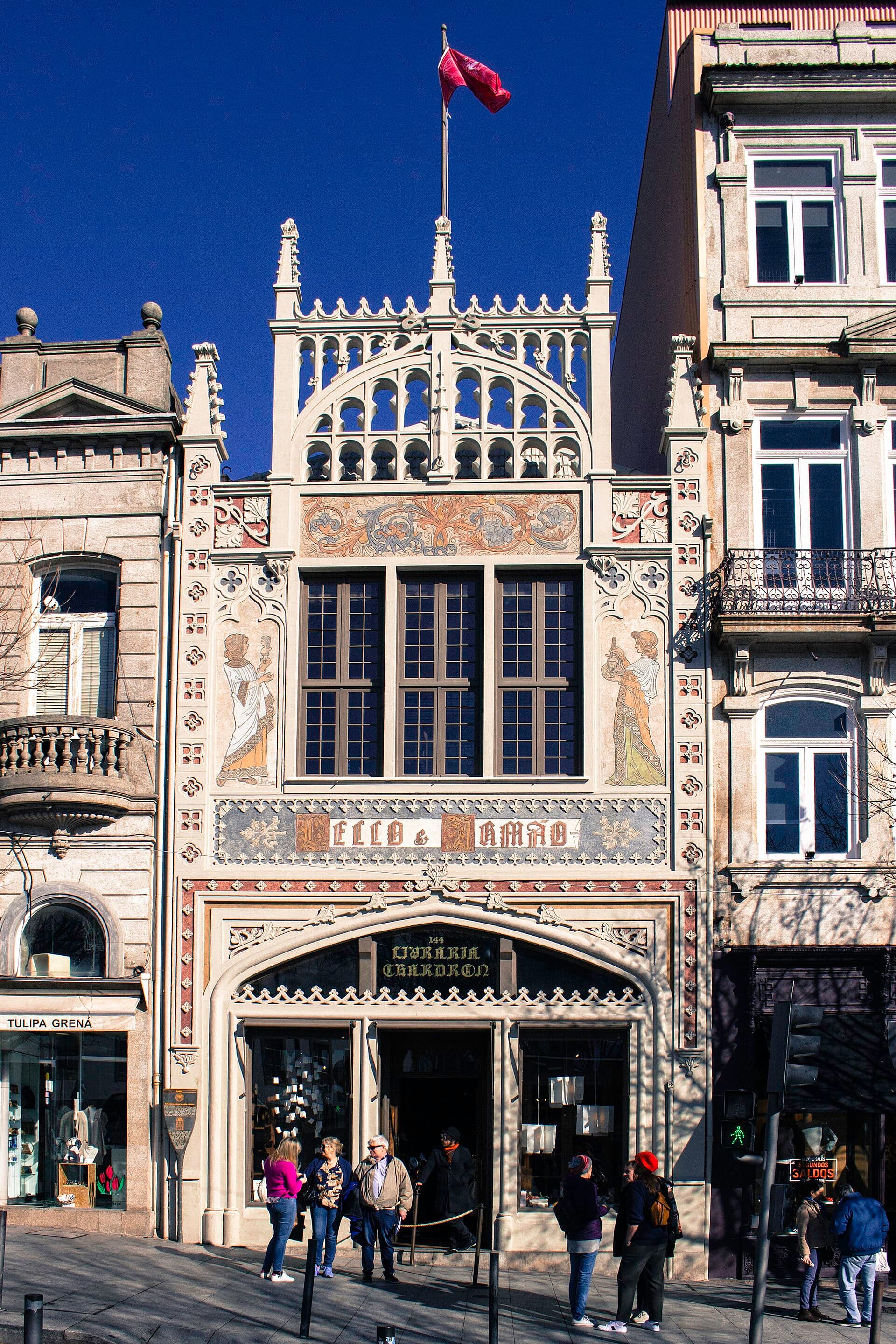 Livraria LelloLello is, without much argument, the world's most famous bookshop: the 1906 neo-9 minutes walk3.8
The marine rule first: Porto's kitchen stands on fish (sardines, bacalhau, octopus) and market and riverbank tables ladle from it — but beware the famous francesinha, built on mixed meats. Certified halal spots cluster around Santo Ildefonso — and the direct question is culturally welcome.