
The facade from below
The view from the square is the reason for its fame, and needs no entry and no ticket.
Diego Delso — CC BY-SA 3.0 · Frank Kovalchek from USA — CC BY 2.0 · Chris Koerner — CC BY-SA 2.0 · Afsalgado — CC BY-SA 4.0
An eighteenth-century church at the top of Rua de Santa Catarina, best known for its facade: roughly eleven thousand blue and white azulejo tiles covering the front wall entirely. The tiles are not contemporary with the church. They were added in 1932 and executed by the painter Jorge Colaço, the same hand behind the azulejos of the nearby Carmelite church. They depict scenes from the life of Saint Ildefonso and from the gospels, and the view from below is what makes this among the most photographed buildings in Porto. The interior is comparatively plain Baroque next to the exterior and takes no more than twenty minutes. The truth is that most of the value is in the facade, and many visitors look at it from the square and go no further, which is an entirely reasonable choice. It stands in the middle of the traffic at Praça da Batalha, where the shopping street Rua de Santa Catarina begins, so you pass it on any walk through central Porto without meaning to.
The view from the square is the reason for its fame, and needs no entry and no ticket.
The same painter executed the azulejos of the nearby Carmelite church — compare the two.
Quiet Baroque next to the exterior; twenty minutes covers it if you go in.
Praça da Batalha, top of Rua de Santa Catarina, Porto
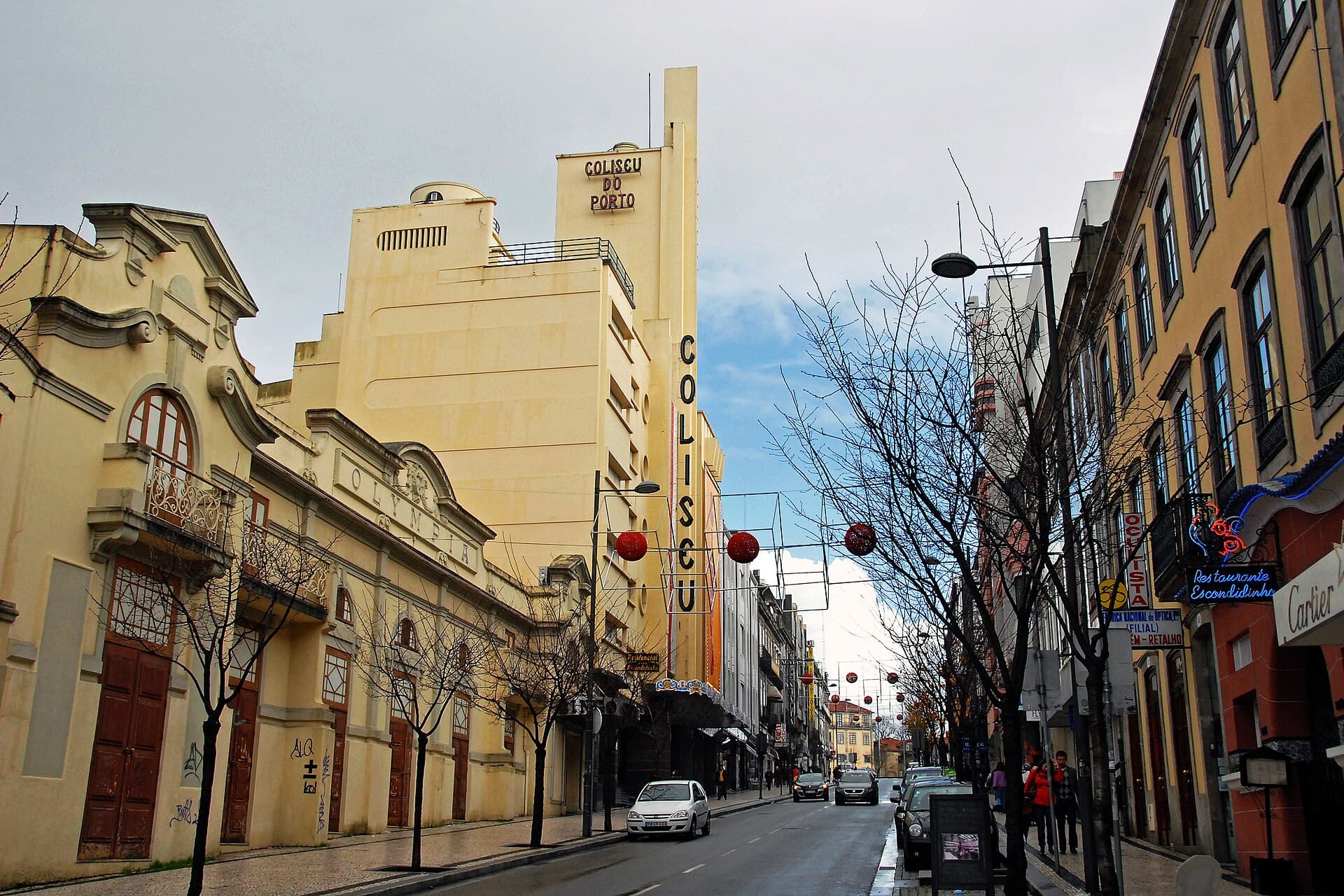 Coliseu do PortoA performance hall from 1941 in central Porto, among the city's most important e1 minute walk4.4
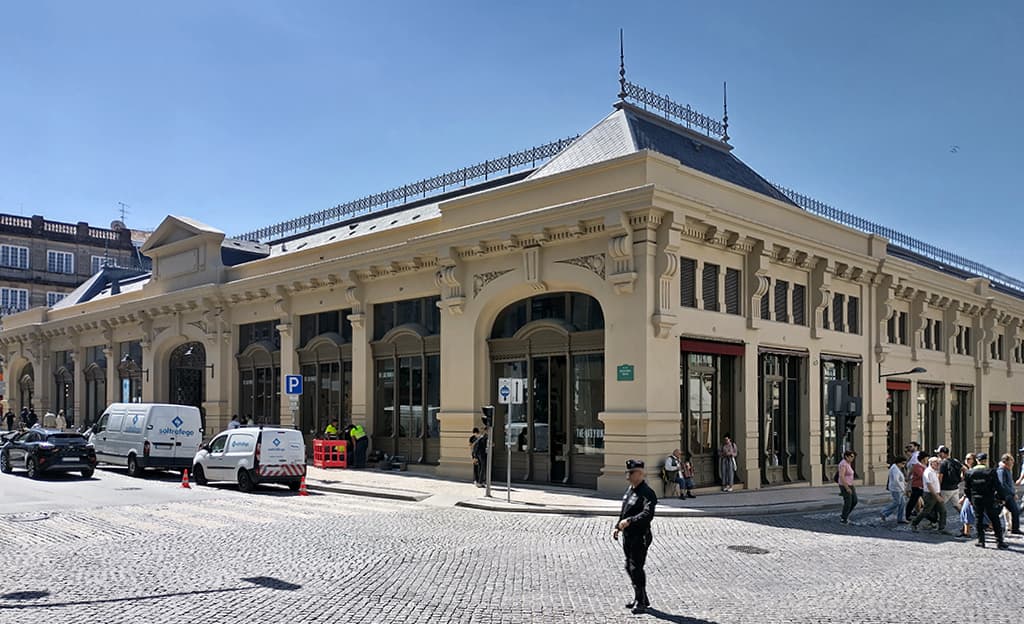 The Bolhão MarketBolhão has been Porto's beating stomach since 1914: the two-storey open iron-and4 minutes walk4.6
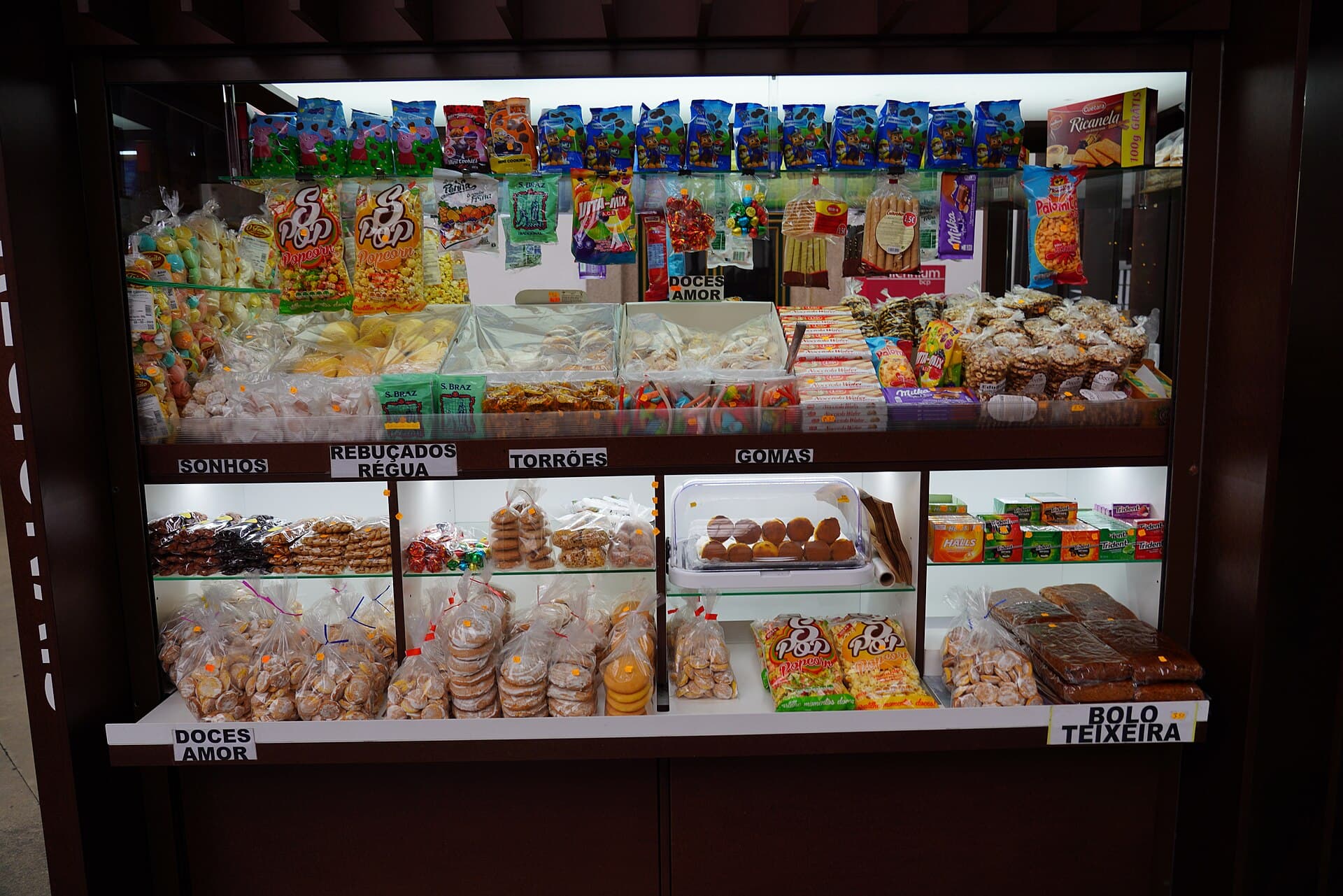 São Bento StationSão Bento is the world's most beautiful rail hall by standing nomination: a 19164 minutes walk4.8
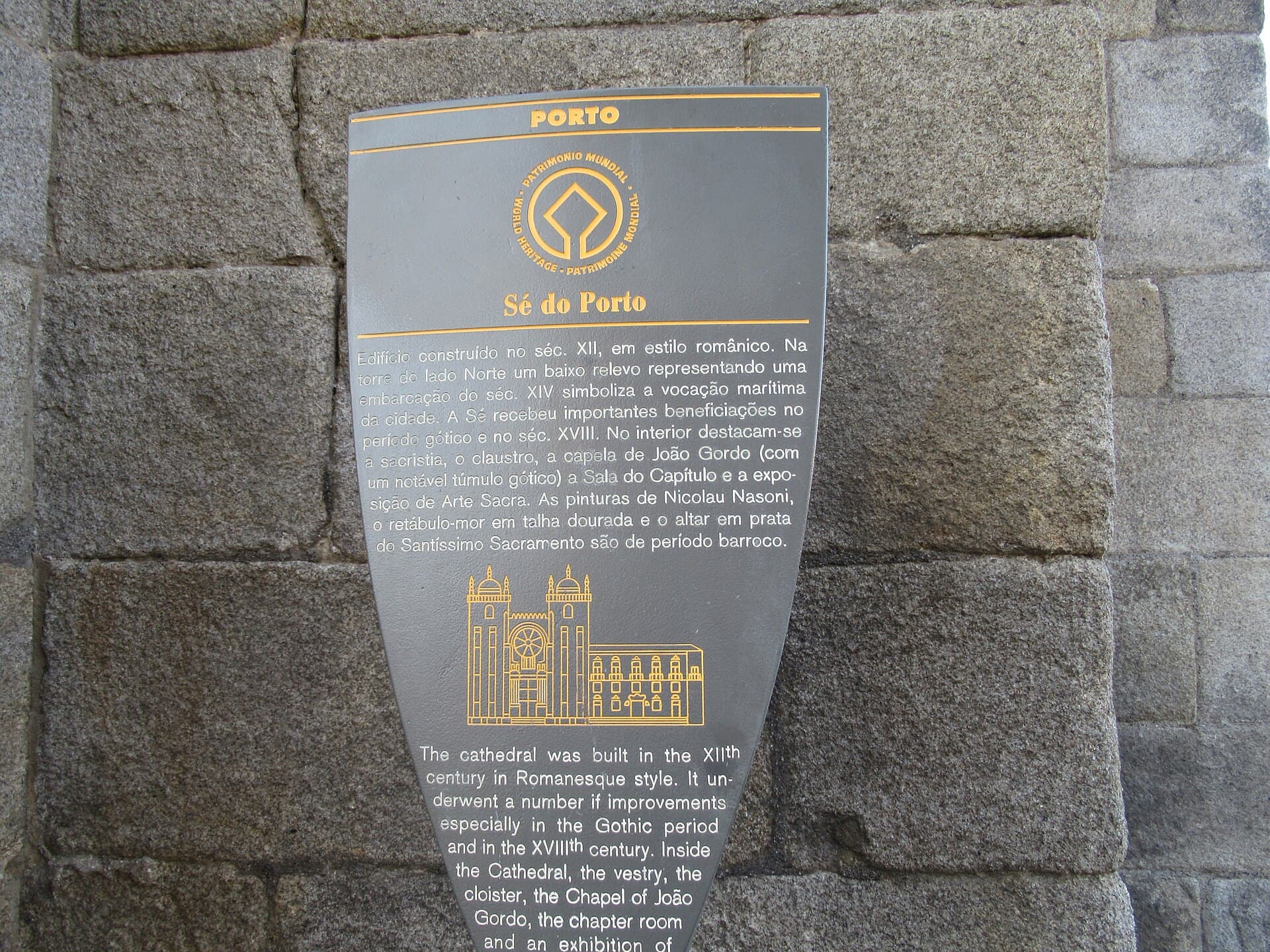 Porto Cathedral (the Sé)The Sé is Porto's mother rock: a Romanesque cathedral-fortress (12th century) wi7 minutes walk4.5
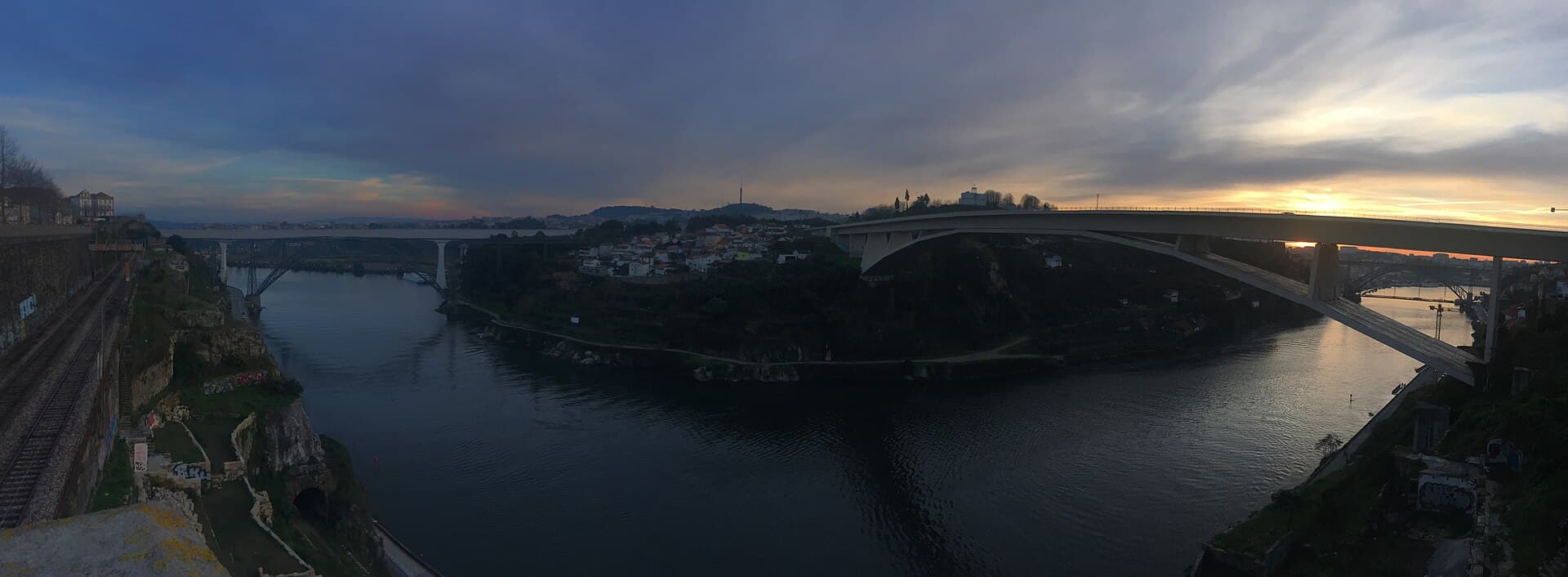 Miradouro das FontainhasA viewing terrace in the Fontainhas district east of central Porto, looking over8 minutes walk4.6
Glazed tile panels, usually blue and white, a long-standing Portuguese tradition going back centuries whose name derives from the Arabic word for glazed tile. In Porto specifically they are used across entire facades rather than only inside buildings, and the best-known examples are here, at São Bento station and at the Carmelite church.
If time is short the facade is entirely enough, and it is what people come for. The interior is worth twenty minutes if you are passing and it is open, but it is not a reason to plan around.