
The glasshouses
A Tropical House where rain falls at the press of a button, a desert Cactus House, and tanks of tarantulas and scorpions that children adore.
Dun Holm — Public domain · Dun Holm — Public domain · Dun Holm — Public domain · Dun Holm — Public domain
In a small glasshouse on a hill south of Durham, children press a button and real tropical rain falls on banana plants, sugarcane and coffee bushes, while a few steps away tarantulas and scorpions sit behind the glass of their tanks. That is the surprise inside Durham University's Botanic Garden: ten hectares of mature woodland and planted beds on the edge of the city, founded in 1925, moved to this site in 1970, and drawing more than 80,000 visitors a year, most of them locals rather than tourists. Let us be plain: this is not Kew and it is not Edinburgh's botanic garden. There are no jaw-dropping set pieces, just a quiet, well-kept university garden that suits an unhurried hour or two. Paths cross native woodland, a wildflower meadow, an alpine rockery, a bamboo grove and a Carboniferous bed planted with the living cousins of the coal-forest plants that lie under this county as seams, with sculptures scattered between them, among them a replica Chinese terracotta warrior and the Prince Bishops' Garden, designed by the artist Colin Wilbourn for the 1990 Gateshead garden festival. The glasshouses, a Tropical House and a Cactus House, are what rescue the visit on a rainy day, and in Durham it rains often. For Gulf families the arithmetic is kind: adults pay just £5, children aged 16 and under go free, and payment is card only. The upper area and the glasshouses are easy with pushchairs and wheelchairs, but the slopes down to the lower woodland are steep and some paths are not suitable for wheels at all. There is a large pond of koi and carp for children to lean over, a small café in the Visitor Centre serving drinks and light snacks, plenty of benches if you bring your own food, and an accessible toilet with a baby-changing table. Arriving by car is simplest: free parking at the Visitor Centre seven days a week, provided you give your registration number at reception. Without a car, take the Arriva number 6 Bishop Auckland service, roughly every fifteen minutes, and ask for the Colleges or Hollingside Lane; from the stop outside Collingwood College it is a five-minute walk. From the railway station it is an uphill half-hour walk. The garden opens daily from 10:00 to 16:30 between March and October, only until 15:00 from November to February, and closes for a few days around Christmas and New Year. Best visited from April to September, and paired with the nearby Oriental Museum for a calm half-day away from the cathedral crowds.
A Tropical House where rain falls at the press of a button, a desert Cactus House, and tanks of tarantulas and scorpions that children adore.
A replica terracotta warrior, the Prince Bishops' Garden and the koi pond turn a stroll into a treasure hunt for younger children.
Native woodland, a wildflower meadow and a Carboniferous bed of horsetails and club mosses, living cousins of the plants that became Durham coal.
Hollingside Lane, South Road, Durham DH1 3TN
 Oriental MuseumA single Babylonian brick stamped with the name of Nebuchadnezzar, dug out of th7 minutes walk4.8
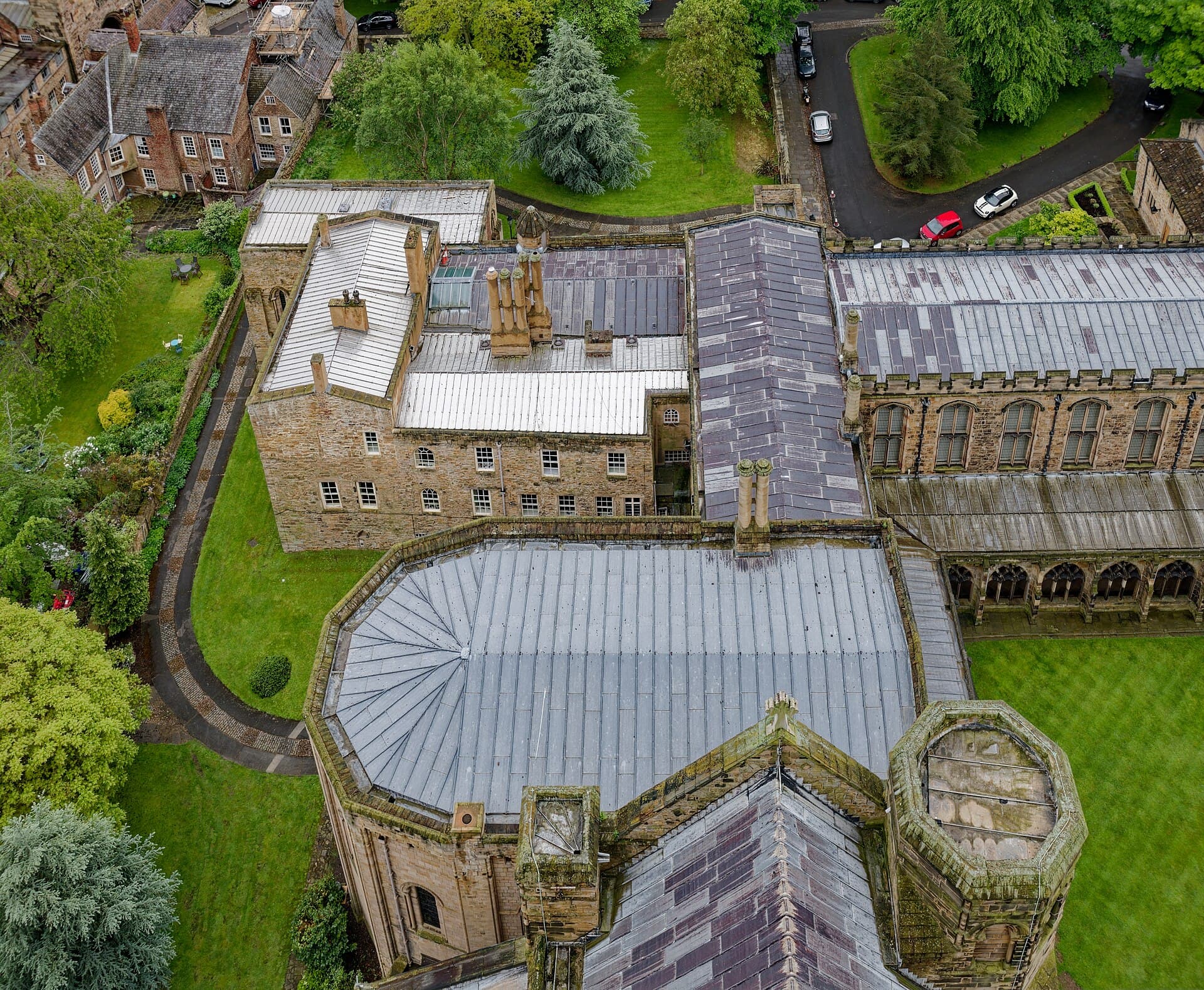 Durham CathedralLook up in the nave and you are looking at an experiment that worked. Around nin18 minutes walk4.7
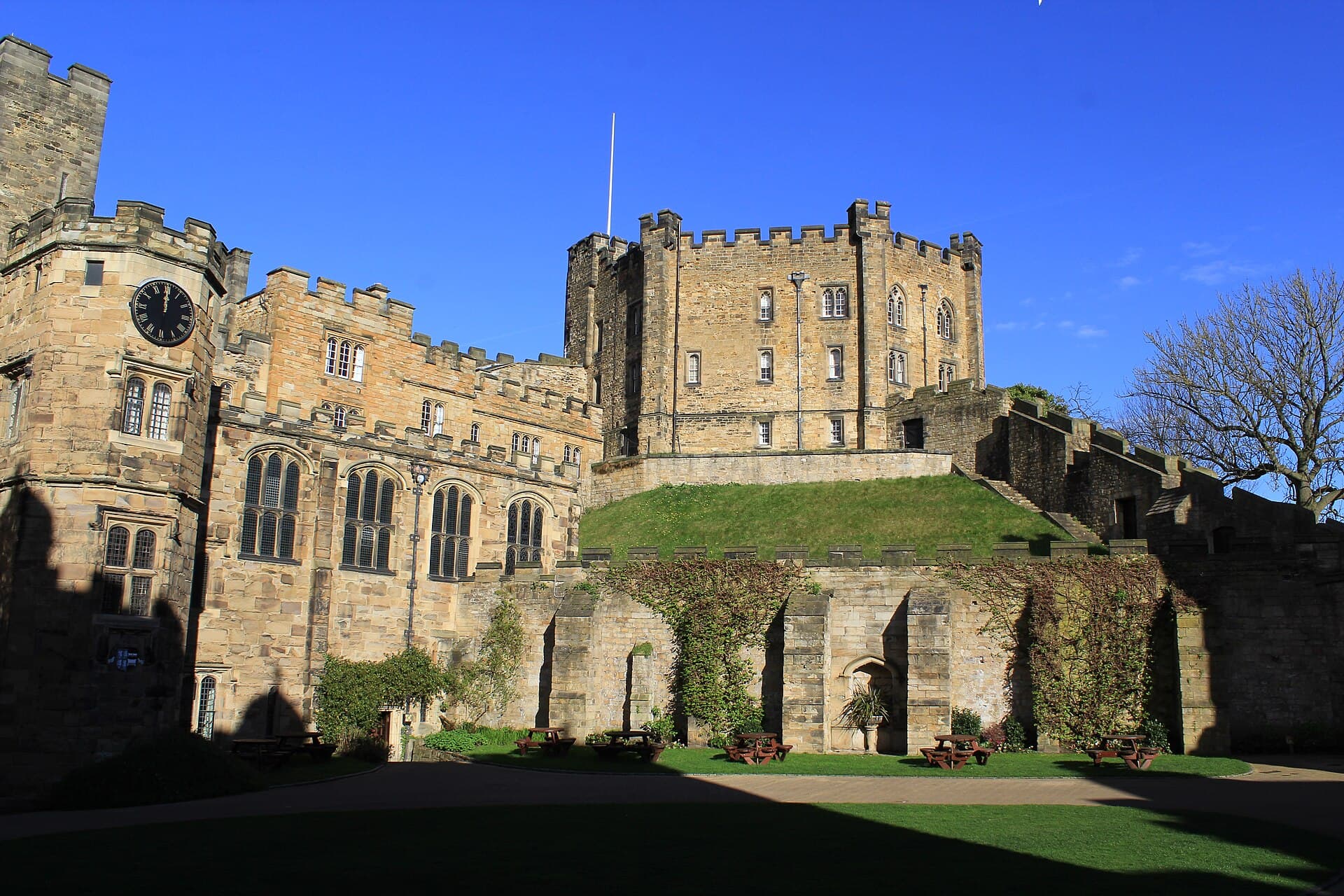 Durham CastleMore than a hundred undergraduates sleep every night inside a Norman castle begu20 minutes walk4.5
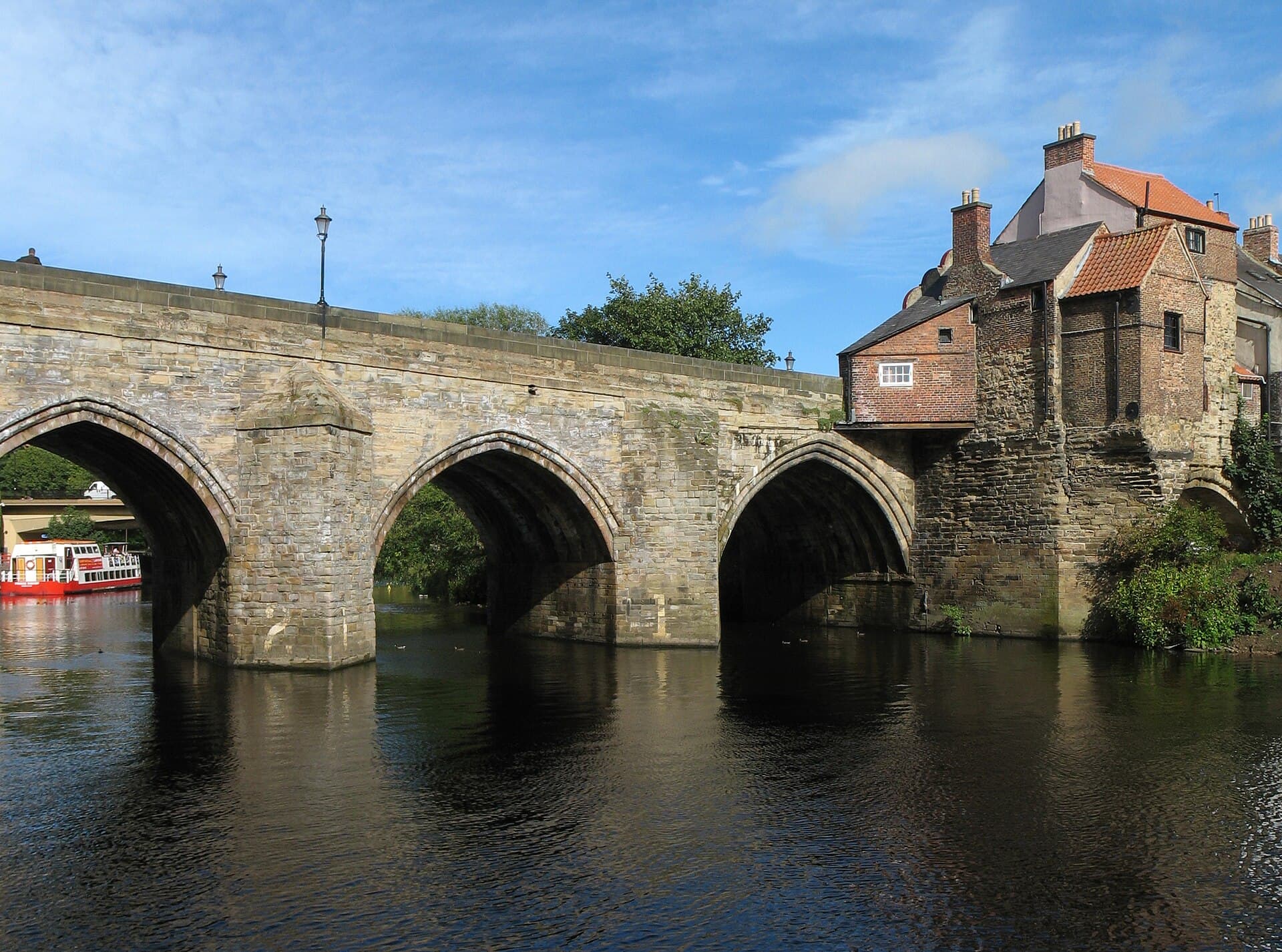 Elvet BridgeTwo chapels once stood on this bridge, and one of them ended up as a prison. Tha21 minutes walk4.6
No. The cathedral, the castle and a walk along the River Wear fill a single day. The garden suits those staying two nights or more, a family wanting a quiet morning away from the crowds, or a rainy day rescued by the glasshouses.
The upper area, Visitor Centre and glasshouses, yes, without trouble. The slopes down to the lower woodland are steep and some paths are not suitable for wheels at all, so either leave the pushchair at the top or stick to the upper section with very small children.