
The two Egyptian galleries
The servant-girl statuette, mummy masks, two human mummies and a mummified jackal among 7,000-plus objects formally designated of national and international importance.
Daderot — CC0 · 掬茶 — CC BY-SA 4.0 · Geni — CC BY-SA 4.0 · יעקב — CC0
A single Babylonian brick stamped with the name of Nebuchadnezzar, dug out of the ground by Lawrence of Arabia and handed to Gertrude Bell, has ended its journey on a quiet hill at the edge of Durham. That is the Oriental Museum in one line: Durham University's collection, one of very few museums in Britain given over entirely to the art and archaeology of North Africa and Asia, and one of the most unassuming buildings in the north of England for what it holds. For a visitor from the Arab world there is a pleasant irony in it. You come to a city of Norman cathedral and castle and find yourself in front of cuneiform tablets from Ur, an Ottoman manuscript page, ancient Near Eastern seals, and even a modern prayer rug and a burkini in the contemporary Islamic case. Egypt is the real weight, spread over two galleries. More than 7,000 objects, built on the Duke of Northumberland's collection that once sat on display at Alnwick Castle before the university bought it in 1949, then swelled by finds from the Qasr Ibrim, Buhen and Saqqara digs of the 1950s and 60s and by some 4,000 pieces from Henry Wellcome's hoard in 1971. Mummy masks, the famous little servant-girl statuette carrying a cosmetics jar, a mummified jackal from the Roman period, the mummy of a Ptolemaic lady fitted with a false left hand, woven sandals that have survived millennia. The collection was formally designated as being of national and international importance in 2008, and it alone justifies the climb up the hill. The China gallery, ceramics running from Neolithic pots to Qing imperial pieces and one of the largest jade collections in Britain, comes a clear second, then Japan, Korea (unusually, with material from both North and South) and a Silk Roads gallery that ties the whole continent back to Durham itself. Practically, entry is free and there is nothing to book, but watch the hours because they are irregular: closed Mondays, 11am to 4pm on Tuesday, Thursday and Friday, 10am to 5pm on Wednesday, and noon to 4pm only at weekends and on bank holidays. The galleries spread over four floors with a lift and plenty of seating, there are activity sheets for children, an accessible toilet with baby changing, and free lockers, so it is an easy place with a pushchair. The café is tiny (sixteen seats) and does drinks and snacks, nothing more. Ninety minutes covers it for most visitors; allow the two hours the museum itself suggests if ancient Egypt is your thing. The museum sits on Elvet Hill about 2 km south of the cathedral, next to the Botanic Garden. Bus 6 or 6a from Durham bus station drops you at the Botanic Garden stop for a five-minute walk, or it is a hilly 25 to 30 minutes on foot from the railway station that is no fun with a buggy. Drivers get a small car park by the entrance with two accessible bays, the university's Elvet Hill car park at weekends, plus paid roadside parking on Elvet Hill Road and Potters Bank. In the British summer you will not queue here: around 30,000 visitors a year means near-empty galleries even in August, and a fine refuge from northern rain once the cathedral and castle are done.
The servant-girl statuette, mummy masks, two human mummies and a mummified jackal among 7,000-plus objects formally designated of national and international importance.
The West Asia case gathers finds from Woolley's Ur, from Lachish and Jericho, cuneiform tablets and seals, and a Babylonian brick unearthed by Lawrence of Arabia and given to Gertrude Bell.
MacDonald's Song, Ming and Qing ceramics and Hardinge's burial jades, part of one of Britain's largest jade collections, the finest room after Egypt.
Elvet Hill, Durham DH1 3TH
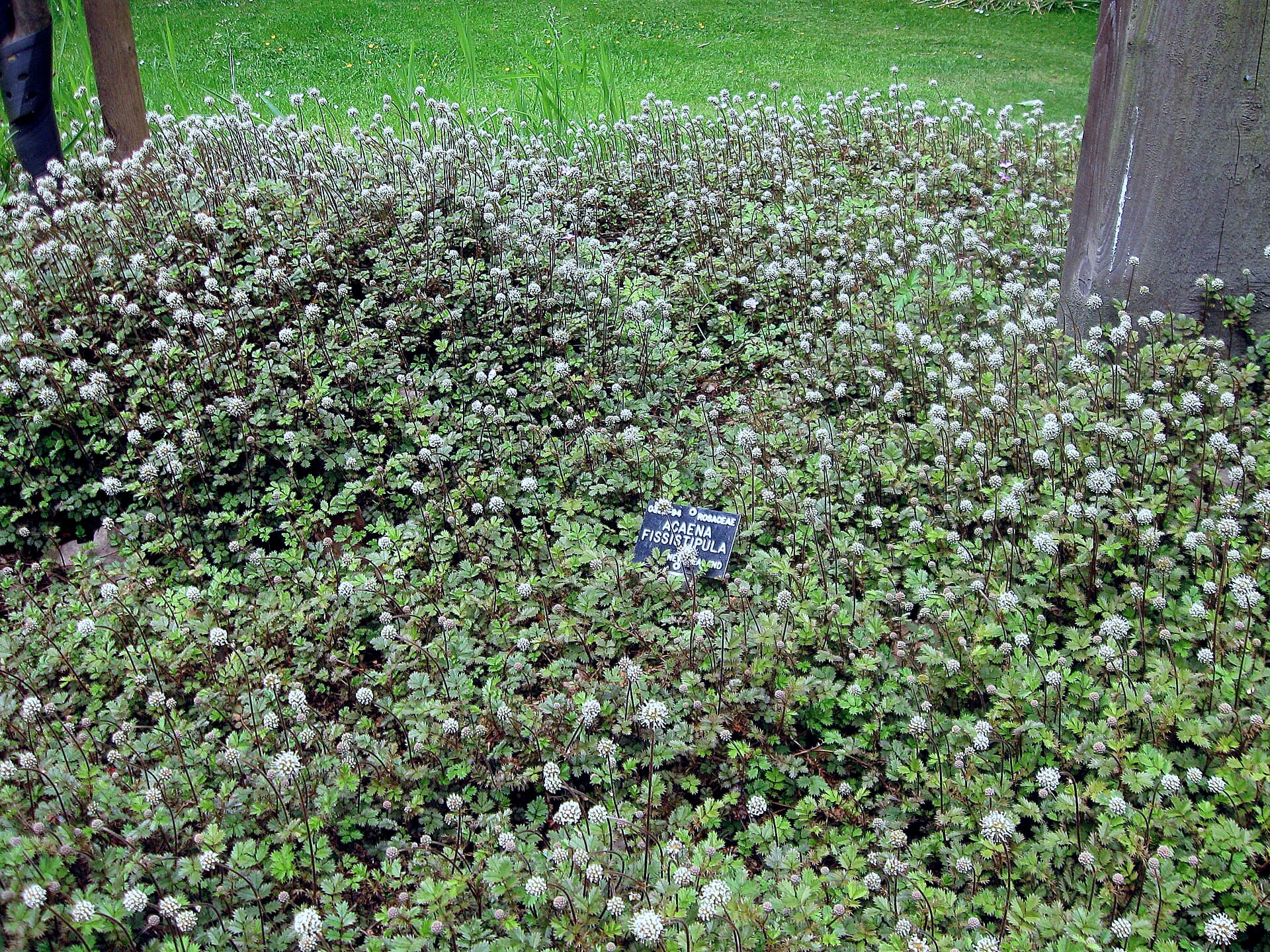 Durham University Botanic GardenIn a small glasshouse on a hill south of Durham, children press a button and rea7 minutes walk4.7
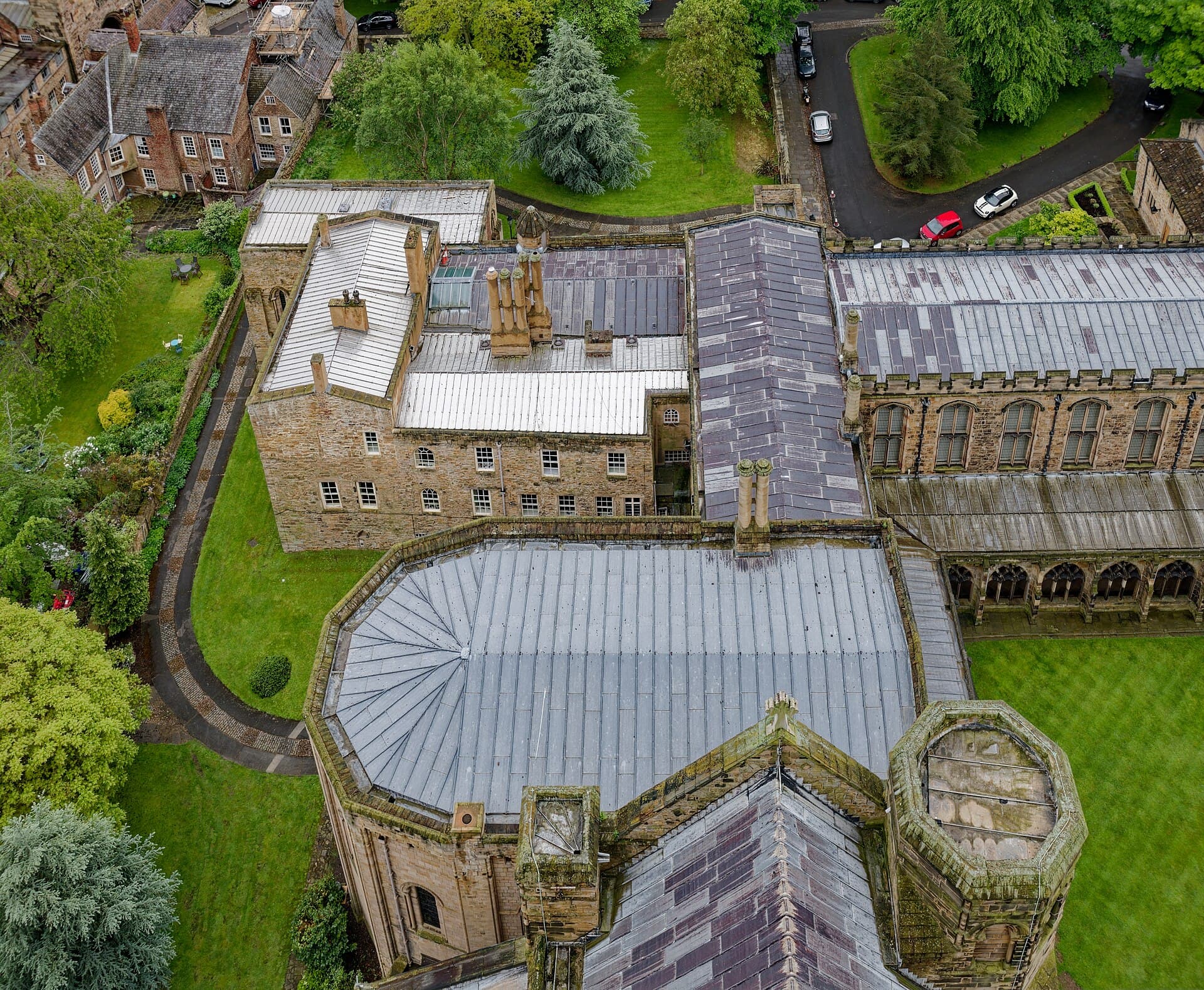 Durham CathedralLook up in the nave and you are looking at an experiment that worked. Around nin14 minutes walk4.7
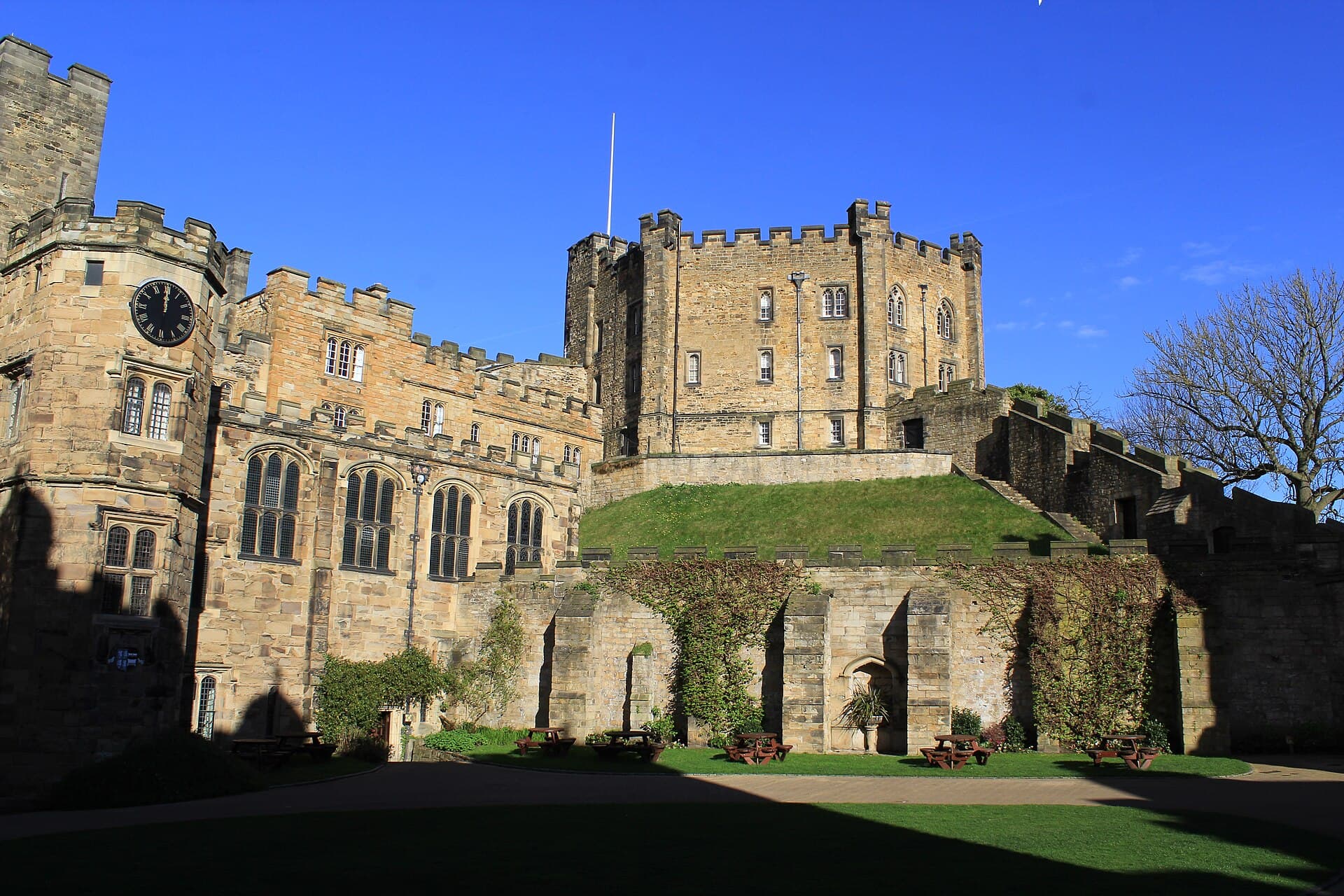 Durham CastleMore than a hundred undergraduates sleep every night inside a Norman castle begu16 minutes walk4.5
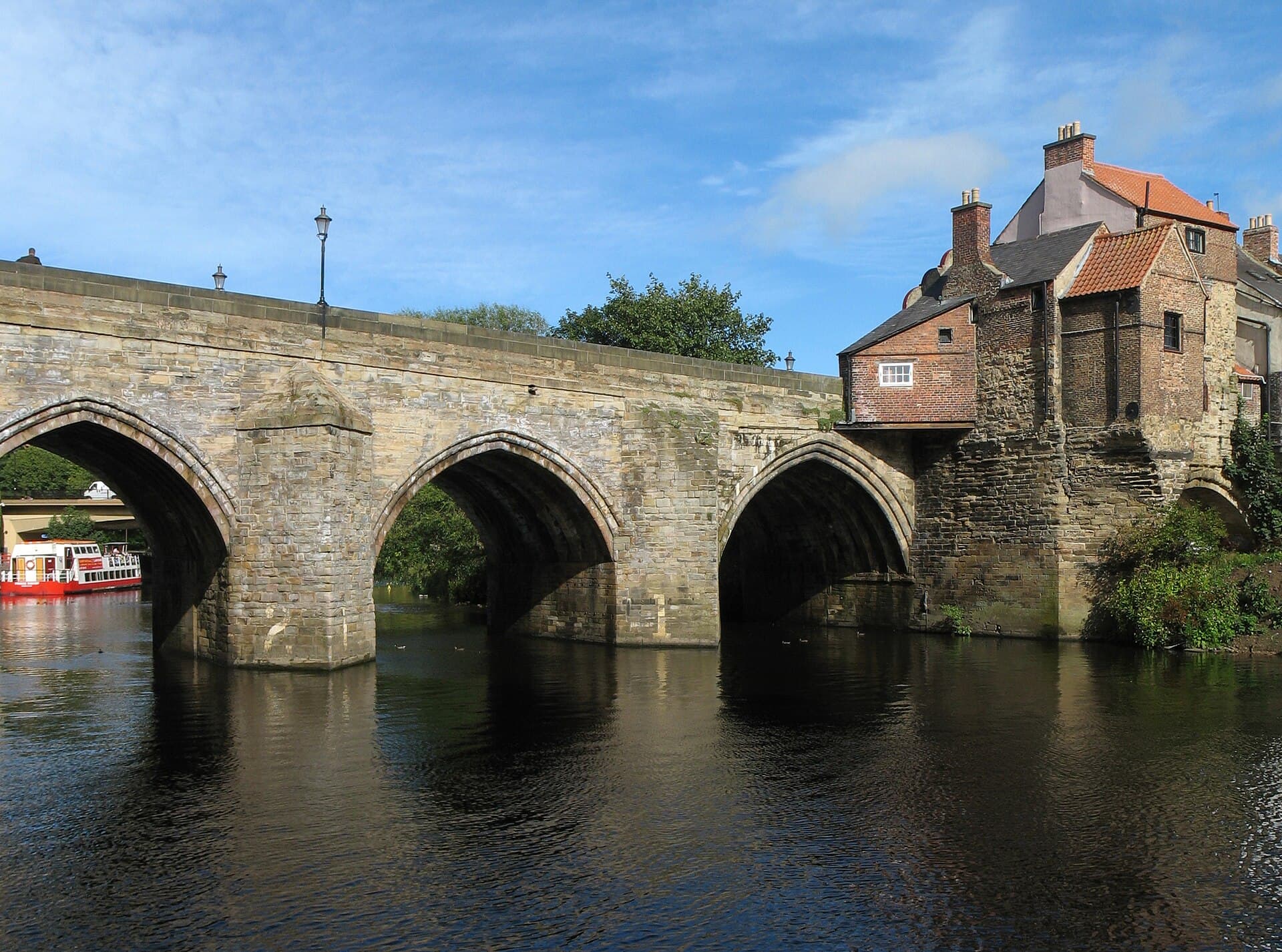 Elvet BridgeTwo chapels once stood on this bridge, and one of them ended up as a prison. Tha18 minutes walk4.6
No. With half a day, do the cathedral, castle and the peninsula and forget the hill. If you are staying overnight or the rain sets in, though, it is free, nearly empty, and gives children real Egyptian mummies ten minutes away by bus.
Yes: a lift serves the floors, there are activity sheets, a toilet with baby changing, and it is small enough not to exhaust anyone. Do not expect science-museum interactives; the pull is the mummies and masks, and an hour is enough for a family.